
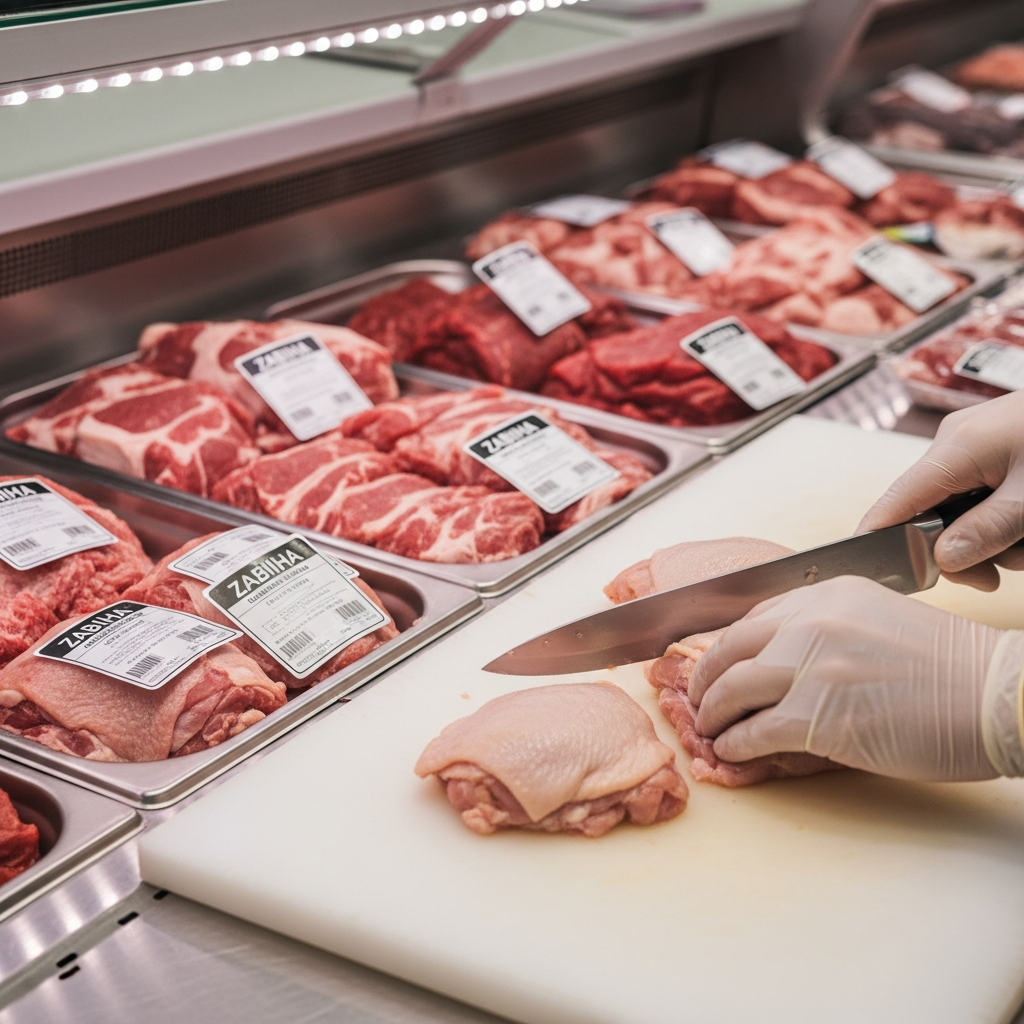
There is a particular reassurance in walking up to a butcher counter in mid-January and seeing bright, fresh trays of Zabiha chicken, lamb, goat, and beef laid out as confidently as they are in June. In Naperville, that year-round reliability is not an accident. It is the result of careful sourcing, predictable delivery schedules, and a strong sense of what local families cook from season to season. When a store gets these pieces right, you can plan meals without second-guessing, whether you are simmering a pot of haleem during a snowstorm or grilling lamb chops as the neighborhood wakes up from winter.
Freshness is the thread that runs through everything. You see it in the color of the meat, the way trays are rotated, and the comfortable cadence of a butcher who has answered the same precise questions a thousand times with good humor. For many of us, building a relationship with a counter that treats Zabiha standards with respect is as important as the cuts themselves. This is where weeknight dinners, holiday gatherings, and impromptu backyard grills all begin. It is also why so many neighbors recommend a dependable selection of halal meat when friends move to town and ask where to shop.
What Freshness Looks Like Up Close
Even if you have been shopping halal for years, it is helpful to revisit the basics. Fresh lamb should glow a clean, rosy red. Beef should be richly colored with tidy marbling and no off-odors. Chicken should appear plump and moist, with minimal liquid in the tray. Cases should be cold and well lit, and staff should readily answer questions about delivery schedules. In Naperville, many counters receive multiple deliveries each week, and the best of them are transparent about which cuts arrived most recently.
Do not be shy about asking for a cut from the back. A good butcher will gladly trim lamb shoulder for a slow braise, slice beef thin for a quick karahi, or break down a whole Zabiha chicken into pieces that suit your plan for the week. That willingness to cut to order is part of what keeps quality high; it means you are not limited to what is in the case at a given moment.
Year-Round Supply Is A Team Effort
Maintaining a steady supply of fresh Zabiha halal meat, especially poultry, requires coordination from farm to store. Suppliers must adhere to standards in slaughter and handling, and distributors must protect the cold chain as the product moves. On the retail side, store teams balance ordering with demand so the case looks full but not wasteful. If you watch closely, you can see this coordination in action: deliveries timed before peak hours, case rotations that keep newer product forward, and a back room that hums with careful trimming and packaging.
Naperville’s location helps, with quick access to major interstates and regional distribution centers. But it is the store-level habits that you feel as a shopper. Regulars notice that trays of chicken turnover rapidly, that lamb chops are consistently cut to the same thickness, and that goat arrives in time for weekend slow-cooking. These are the telltale signs of a program designed to keep freshness front and center in every season.
Cooking With The Calendar
In the depths of winter, kitchens lean on slow-cooked comfort foods. Beef shanks, lamb shoulder, and goat cubes yield to long, gentle heat, perfuming the house while snow piles up outside. As spring creeps in, grills emerge, and people start craving lighter flavors: lemony marinades on chicken, quickly seared lamb chops, and ground mixes that turn into kebabs served with crisp salads. Summer is a parade of backyard gatherings, with families around Naperville swapping tips on how to keep skewers juicy and how to time a grill when guests arrive hungry. Come fall, everyone returns to stews and roasts that pair beautifully with the first chilly evenings.
Through all these shifts, your store’s ability to deliver fresh Zabiha halal meat makes meal planning effortless. The same counter that supplied your winter stockpot bones will, a few months later, set you up with perfectly portioned cuts for a mixed grill. That continuity is what gives Naperville cooks confidence to try new recipes while keeping traditions alive.
Zabiha Standards In Daily Practice
For many families, Zabiha is both a religious commitment and a marker of quality. It shapes what we buy and how we cook. In a well-run program, Zabiha is evident in certification, in the segregation of tools and storage, and in the calm competence of the butcher who handles your order. When you ask for Zabiha chicken, you should hear clear answers about sourcing and process. Over time, those answers build trust that frees you to focus on the flavors you want at the table.
Handling practices matter just as much. Dedicated cutting boards, knives, and trays for halal items reduce cross-contact and preserve integrity. As you watch a skilled butcher portion your order, you can see the respect for both the standards and the craft. That combination is what makes a store a reliable partner in your kitchen.
From Special Orders To Everyday Staples
Some weeks you need the basics—boneless, skinless chicken for a fast curry or ground beef for keema. Other weeks, you are planning a celebration and need lamb leg, goat shoulder, or a larger order of chicken quarters for the grill. In Naperville, stores that excel in fresh Zabiha halal meat are comfortable handling both. If you call ahead, they will reserve cuts and portion them to your plan, saving you time on the day of cooking. When you are unsure, ask. Butchers can steer you to the right cut for your method and even suggest small tweaks that elevate a dish without complicating your life.
For busy households, a little structure goes a long way. Divide purchases into recipe-sized portions, label them with dates, and keep a running list of what is in your freezer. Having a map of your own kitchen means you can swing by the store, choose confidently, and make the rest of your week simpler.
Midweek Moments And Weekend Rituals
Every neighborhood has its rhythms. Midweek, the counters are calmer, and conversations with the butcher stretch a bit longer. You can ask about fat ratios for a kebab mix or request thin slices for a quick sauté. On weekends, the energy rises. People line up for custom cuts, children angle for a peek at the case, and trays are swapped out swiftly. Both experiences are rewarding in their own way. Midweek lets you plan thoughtfully; weekends put the full range on display.
Having a dependable place to shop in the middle of a busy week changes how you cook. It becomes easier to improvise when you know you can grab fresh Zabiha chicken or a few lamb chops without hunting across town. That convenience is part of what transforms cooking from a chore into something closer to joy.
Evaluating Quality With Confidence
If you are ever in doubt about a cut, lean on the people behind the counter. They see more meat in a day than most of us see in a month, and their perspective saves time and avoids missteps. Ask whether a particular lamb shoulder is better suited for an oven braise or a stovetop simmer. Inquire about how thin to slice beef for a stir-fry so it stays tender. Those micro-decisions matter, and a butcher’s quick answer often determines whether your dish tastes good or great.
As you build that relationship, you also gain access to little perks: a heads-up about a fresh delivery arriving in an hour, a suggestion to reserve shanks for the weekend, or a reminder that bones for stock are in the back if you need them. These small moments make the difference between adequate and excellent home cooking.
Connecting To Community
Naperville’s halal shoppers are a tapestry of backgrounds, traditions, and favorite dishes. Sharing tips at the counter, passing along a recipe to a neighbor, or dropping off a meal to a friend are all part of how we live here. The stores that support this community understand that they are doing more than stocking a case; they are keeping a promise to families who trust them. That sense of responsibility shows in the steadiness of the meat program throughout the year.
And while the selection changes with the seasons, the core experience stays the same: respectful service, clear answers, and meat that cooks beautifully. Once you find a counter that delivers on those basics, you have solved a major part of your weekly routine.
The Middle Of Your Search
Sometimes the toughest day is the one in the middle of the week, when you need to cook quickly and your calendar is already full. That is when a dependable case of halal meat feels like a gift. You can grab what you need, ask a quick question about cooking times, and walk out knowing dinner will come together without fuss. In a city as busy as ours, that kind of confidence counts for a lot.
If you have not explored the counters near your usual routes, set aside a weekday morning to visit. See how the staff handle orders, watch how often trays are refreshed, and ask about delivery days. You will quickly sense which places treat freshness as a daily promise rather than an occasional achievement.
FAQ
What does Zabiha mean and why does it matter?
Zabiha refers to a method of slaughter performed according to Islamic guidelines, emphasizing humane treatment and specific practices. For many families, it is a key component of religious observance and a marker of quality and integrity throughout handling.
How can I tell if meat is truly fresh?
Look for vibrant color, minimal liquid in trays, clean aromas, and a steady pace of case replenishment. Ask staff about delivery schedules and do not hesitate to request a cut from the back to suit your recipe.
When are the best times to shop for the widest selection?
Weekends usually bring the broadest variety, while weekday mornings allow for deeper conversations and custom cutting. Asking about delivery days helps you time your trip for peak freshness.
Can I place special orders for gatherings?
Yes. Call ahead for lamb legs, goat shoulder, larger quantities of chicken, or specific cuts. Butchers will portion to your needs so you can focus on cooking and hosting.
How should I store and portion meat at home?
Divide purchases into recipe-sized packages, label with dates, and refrigerate or freeze promptly. Flatten ground mixes for faster thawing and keep a simple inventory list so you rotate stock effectively.
Is there a difference in cooking times for Zabiha chicken versus other chicken?
Cooking times are similar, but quality and handling can influence results. Ask your butcher about ideal thickness for cuts and adjust cook times to preserve juiciness. A quick thermometer check prevents overcooking.
Call To Action
If year-round freshness and Zabiha standards matter to your family, make your next shop count. Visit a Naperville market where certification, careful handling, and friendly butchers come together to make dinner easier and better. When you are ready to stock up for the week or plan a special meal, choose a trusted local selection of halal meat and bring home the quality your kitchen deserves.