Behind every plate of kebabs at a neighborhood picnic and every tray of biryani at a community fundraiser is a supply chain that starts well before the grill is hot. For restaurants, caterers, food trucks, and event planners working in and around Naperville, sourcing halal meat at wholesale scale is a weekly, if not daily, priority. The city’s location near major interstates and refrigerated distribution hubs makes it a natural service area for regional suppliers who understand halal certification, cold-chain logistics, and the menu realities of busy kitchens. For smaller operations and community groups, having access to a dependable wholesale pipeline means you can plan confidently, reduce waste, and keep your guests happy.
Wholesale halal sourcing is not just buying in bulk. It is a process that starts with alignment on standards—halal, often Zabiha for poultry—and continues through slaughter, handling, packaging, transport, storage, and final preparation. Each step has implications for flavor, yield, and safety. In Naperville, the strongest supplier relationships are built on shared expectations: clarity about certificates, transparency about origin, flexibility on cuts, and predictable delivery windows that align with prep schedules. When those pieces are in place, the work of feeding people becomes smoother and far less stressful.
What Wholesale Really Means In Practice
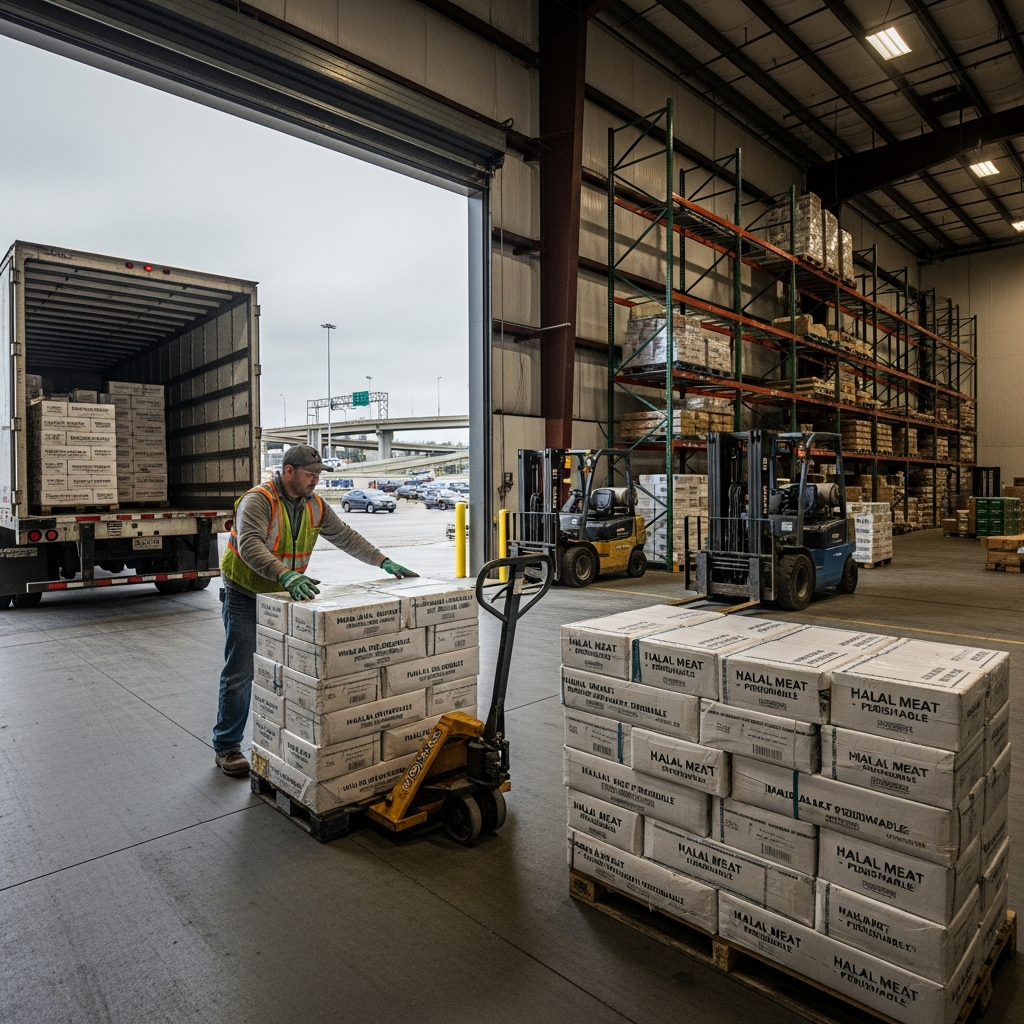
At the simplest level, wholesale halal suppliers serving Naperville offer case quantities of beef, lamb, goat, chicken, and sometimes turkey. They can provide primals for in-house butchery—like whole lamb or beef subprimals for custom cutting—or case-ready portions that save prep time during a rush. Many restaurants rely on a combination: bulk boneless chicken for skewers and curries, shanks and shoulders for braises, and ground mixes tailored to a house kebab recipe. The more specific your specifications, the more important it is to work with a supplier who will accommodate exact trim levels, fat ratios, and package sizing.
Packaging sounds mundane, but it matters. Vacuum-sealed portions extend shelf life and preserve freshness, while clear labeling streamlines receiving and inventory. Case labels should note cut, weight, pack date, and halal certification. If your kitchen rotates stock across multiple coolers, color-coded labels or consistent case markings can shave crucial minutes off prep at peak hours.
Certification, Audits, And Trust
For halal buyers, certification is the backbone of trust. Naperville kitchens routinely request up-to-date certificates, sometimes tied to specific product lots, and expect suppliers to maintain clean documentation. Some operations conduct their own audits, either through a visit or a structured checklist covering slaughter procedures, facility separation, and transport protocols. These layers of verification are not about micromanaging; they are about ensuring standards carry through the chain, especially when multiple handlers touch the product before it reaches your cooler.
When poultry is central to your menu, Zabiha standards often come to the forefront. Confirming Zabiha processing and unbroken segregation from non-halal product eliminates uncertainty in high-volume kitchens where a single mislabeled case can derail a day’s service. Suppliers who welcome that level of scrutiny are the ones most likely to anticipate your needs during crunch time.
Delivery Windows And Cold Chain Reliability
Naperville enjoys easy access to I-88, I-355, and I-55, which allows regional wholesalers to maintain reliable routes through the city. Still, your success depends on coordination. Clear cut-off times for orders, defined delivery windows, and proactive communication about delays keep your prep list realistic. In summer, with grills blazing and patios full, compressed timelines are common; in winter, weather can complicate routes. A supplier who offers GPS-tracked trucks, call-ahead ETAs, or text updates reduces uncertainty and helps you schedule staff effectively.
Cold chain integrity remains non-negotiable. Case temperatures should be checked on arrival, trucks should be clean and well-maintained, and drivers should follow receiving protocols that respect your kitchen’s layout. Many Naperville buyers keep a simple receiving log—time, temperature, condition, initials—that becomes a lifesaver if you need to retrace a problem.
Cutting Specs And Menu Design
Designing a menu that sings night after night is easier when you control your inputs. Wholesale partners can grind to precise fat ratios for kebabs, form patties to your diameter, or portion chicken to your skewer length. For braises, consistent cube sizes improve cooking times and reduce last-minute adjustments on the line. If your lamb chops fly off the menu, work with your supplier to lock in thickness and frenched trimming that matches your plating. When your dish specifications become second nature to the supplier, training new cooks becomes simpler and your guests experience the same quality whether they dine on a busy Friday or a quiet Tuesday.
For special events—weddings, Eid gatherings, corporate luncheons—predictability is half the battle. A reliable wholesale relationship lets you confirm quantities weeks in advance, secure specific cuts, and stagger deliveries so coolers do not overflow. If your event menu calls for goat biryani and grilled chicken, having both items arrive trimmed and labeled according to your prep plan is the difference between a calm kitchen and a scramble.
Balancing Cost, Yield, And Quality Without Compromising Standards
While budgets always matter, experienced buyers focus on yield and consistency as much as the line item. Well-trimmed shoulder that cooks evenly may deliver a better plate than a cheaper, inconsistent cut that requires extra labor and produces uneven results. Packaging that aligns with your batch sizes prevents partial cases from languishing in the cooler. Over time, tracking waste and plate performance helps you articulate what quality means in dollars and minutes, not just in theory.
Suppliers who understand halal kitchens know that standards are not negotiable. They make it easy to verify certification, they train drivers to handle product respectfully, and they respond quickly to issues. Those habits save you time and protect your reputation with guests who trust you to uphold their dietary requirements.
Small Operators, Community Groups, And Bridge Solutions
Not every Naperville buyer needs a pallet of product. Food trucks, pop-up vendors, and community groups often sit between retail and wholesale, needing more than a household purchase but less than a restaurant’s weekly order. For these buyers, a hybrid approach works well. Some build relationships with retail grocers that accept pre-orders for larger quantities, picked up at the store on a set schedule. Others partner with caterers who share deliveries, combining orders to meet minimums without overbuying. The key is to communicate your needs clearly and work with partners who value your business even if you are not ordering by the pallet.
In practice, this often means turning to a local grocer known for a robust selection of halal meat and arranging a standing order. The store benefits from predictable demand; you benefit from reliable stock and butcher support for custom trimming. Over time, this arrangement can evolve into a wholesale account as your volume grows.
Quality Control In Busy Kitchens
Receiving is the moment when trust becomes tangible. Train staff to open cases, confirm labels, and probe temperatures. A quick glance at color and packaging integrity catches issues early. Keep a simple SOP posted by the cooler so even a new hire knows exactly what to do when a delivery arrives. If something is off, call immediately; reputable suppliers will correct the issue and appreciate your specificity about what went wrong.
Back-of-house teams thrive on repetition. If your kebab mix requires a 20 percent fat grind, write it into your order template. If your goat should be cut into two-inch cubes for biryani, specify it every time. Systems reduce friction, and suppliers respect buyers who order clearly and consistently.
Training, Turnover, And Institutional Memory
Restaurants and community kitchens share a common challenge: people come and go. To maintain standards, codify your specs in a living document that includes photos when possible. Keep copies near the prep area and in the office where orders are placed. A good supplier will help you refine those specs, offering suggestions based on what cuts perform best for your cooking methods. That collaboration turns a vendor into a partner.
It also helps to run periodic tastings. Take two potential cuts for a new menu item, cook them side by side, and invite your team to compare. Make a decision, note it in your spec sheet, and communicate it to the supplier. These small rituals keep everyone aligned and build confidence during service.
Scaling Up For Events
Naperville’s calendar is full of moments that call for feeding a crowd: school fundraisers, mosque community nights, corporate gatherings, and family celebrations. Planning backward from the event date clarifies your ordering timeline. Secure cuts a week or two ahead, confirm delivery windows, and block prep time so marination and skewering happen without rushing. If you are renting equipment, coordinate with delivery so hot and cold zones are established in the right order. With clear roles and a well-prepped cooler, service becomes a pleasure rather than a gamble.
For teams that cook seasonally, the spring and summer rush is the perfect time to test systems. Track which cuts pace fastest on the grill, monitor yield per case, and debrief after big events. Adjust orders in small increments and keep notes. By the time fall arrives, you will have a playbook that reduces stress for the rest of the year.
Looking Ahead: Sustainability And Community
More buyers are asking suppliers about sourcing, animal welfare, and environmental impact. Thoughtful wholesalers are responding with traceability, farm profiles, and incremental changes to packaging that reduce waste without compromising meat quality. In a city like Naperville, where community relationships matter, suppliers who engage with these concerns stand out. They are easier to recommend and more likely to be invited into long-term partnerships.
The same spirit extends to mentorship. Established caterers often guide newer vendors through the first big orders, explaining how to receive, store, and prep efficiently. Wholesale suppliers who foster these connections end up strengthening the broader halal food ecosystem in our area.
FAQ
How do I qualify for wholesale purchasing as a small operation?
Start by discussing your projected volume with suppliers. Some have minimum order thresholds; others will work with you through a retail partner who can accept larger pre-orders. Clear communication about frequency and quantity helps suppliers design a plan that fits.
What documentation should I request from halal wholesalers?
Ask for current halal certificates, product specs, and, when relevant, Zabiha verification for poultry. Keep copies on file and request updates on a regular schedule so your records remain current for audits.
How can I ensure cold chain integrity on delivery?
Set receiving protocols: check case temperatures, inspect packaging, and log arrival times. Train staff to reject product that does not meet your standards and to call the supplier immediately with specifics.
Can wholesalers custom-grind or cut to my specs?
Yes. Define fat ratios, cube sizes, chop thickness, and trimming. The clearer your specs, the better the results. Share photos or diagrams if needed, and maintain consistency in your orders.
What is a smart way to bridge the gap between retail and wholesale?
Arrange recurring pre-orders with a local grocer that maintains a strong halal program. This gives you predictable access to product and butcher support while you build volume toward a formal wholesale account.
How far in advance should I order for large events?
Place initial orders one to two weeks ahead, confirm delivery windows a few days prior, and schedule prep to allow for marination and portioning. During peak seasons, extend your timeline to account for higher demand.
Call To Action
Whether you run a restaurant on a busy corner, plan community dinners, or manage a pop-up concept, simplify your week by partnering with dependable suppliers and nearby markets that understand your standards. If you need a flexible, local source to anchor your plan, explore a robust selection of halal meat and start a conversation about pre-orders and custom cuts that match the menu you want to serve.