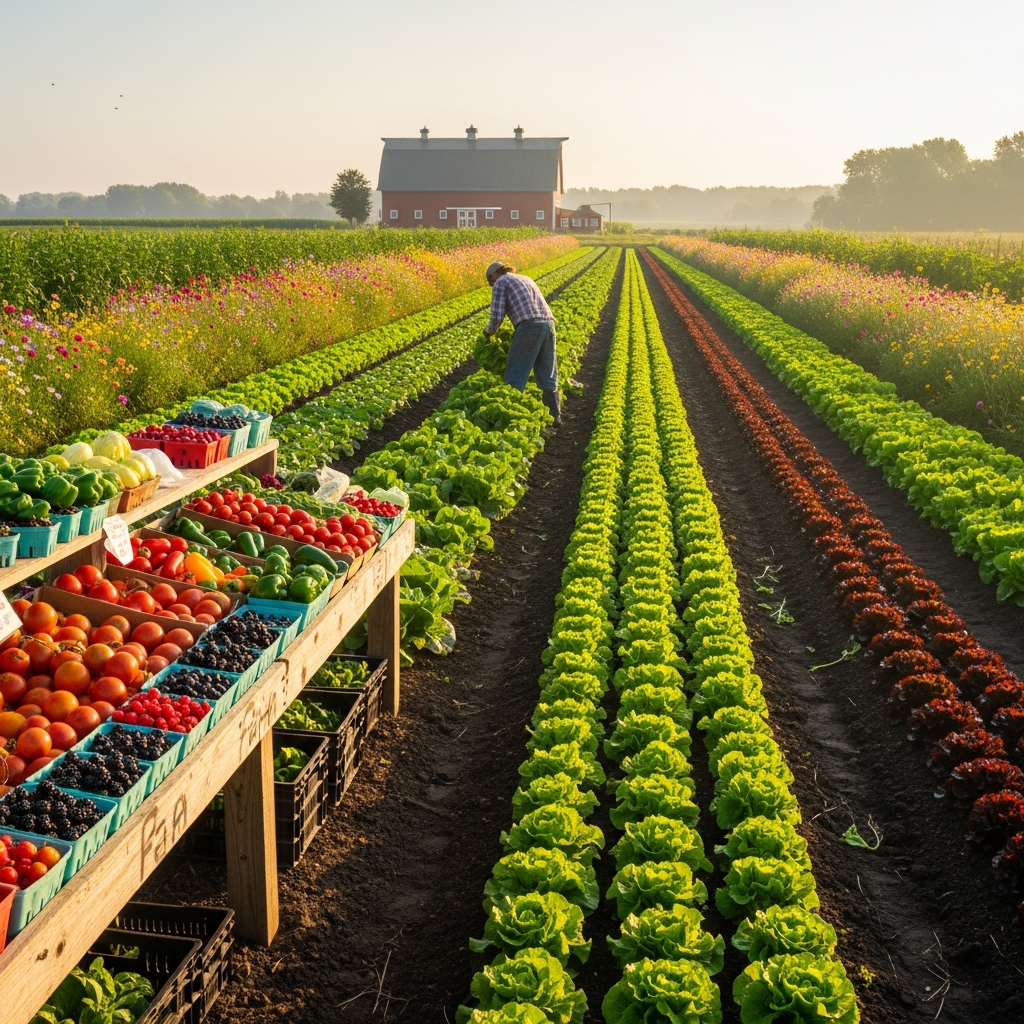
On certain mornings in Naperville, if you roll down the windows while driving past quiet neighborhoods toward open fields, you can almost taste the season before you reach a farm stand. There’s the unmistakable greenness of spring, the warm sweetness of midsummer, the crisp snap of early fall. Those subtle shifts are more than a backdrop—they’re the foundation of a farm-to-table way of eating that has taken root in and around our city. When we talk about organic food farms near Naperville, we’re really talking about a community rhythm: soil tended with care, harvests timed to the sun, and kitchens that adjust their menus accordingly. Over the years, I’ve visited local fields on volunteer days, chatted with growers about the season’s bets, and carried home boxes that changed how I cooked for a week. If you’re ready to bring that closeness to your own table, there are dependable markets nearby with strong selections of organic foods that echo what the fields are offering right now.
Farm-to-table isn’t a single route from field to fork; it’s a mindset that respects process as much as product. Organic methods—crop rotation, composting, cover crops, and careful pest management—aren’t just checkboxes; they’re the quiet, daily work that makes produce taste alive. When you visit a farm or pick up a community-supported agriculture box, you’re buying into that patience and skill. And you feel it at home when a head of lettuce stays crisp for days, or when carrots taste like they were pulled from cool soil minutes ago.
Seasons, soil, and the flavor calendar
Our region’s seasons are not theoretical; they’re the metronome of local farms. In spring, the fields wake softly with greens, radishes, and herbs. Growers talk about soil temperature like chefs discuss oven preheat, waiting for the exact moment to plant. By summer, the pace quickens. Tomatoes follow sun arcs, zucchinis stretch overnight, and basil perfumes the air as you walk between rows. Fall steadies into roots and squashes, apples and pears—ingredients that love a slow roast or a long simmer. Winter doesn’t silence the farms; it reorients them. You’ll find storage crops, greenhouse greens, and preserved flavors from earlier harvests. Eating with this calendar isn’t restrictive; it’s freeing. You stop forcing a strawberry in November and start celebrating the orange brilliance of squash.
Soil is the quiet star. Healthy earth crumbles in your hand, stays aerated, and moves water like a wise old river. Organic farmers treat soil like an heirloom, feeding it with compost, rotating crops to prevent nutrient depletion, and letting fields rest. The result is food that tastes complete—flavor that starts before a seed ever sprouts.
Visiting farms with curiosity and respect
When you step onto a farm, you’re walking into someone’s living workbook. Ask questions, but also notice the answers already in front of you: tidy rows, cover crops blanketing bare soil, pollinator strips humming with bees. If a farmer invites volunteers, arrive ready to learn and work. Pulling weeds by hand sounds romantic until the sun hits midday; then you understand why good produce commands attention. The humility you gain in those hours translates into how you cook—gentler handling, better storage, and less waste.
If you bring children, let them dig a little. The connection from soil to plate becomes unforgettable when a child brushes dirt from a carrot and bites it right there, sweet and cold from the ground. That memory keeps families returning to local stands and markets season after season.
CSA boxes: a weekly nudge toward better cooking
Community-supported agriculture subscriptions distill farm-to-table into a weekly ritual. A box arrives—sometimes you pick it up, sometimes you meet a farmer at a Naperville drop point—and suddenly your meals align with the fields. One week brings tender greens and radishes; the next, a tumble of tomatoes and zucchini. You learn to cook with what’s best now rather than shopping because a recipe told you to. It’s a gentle inversion that makes dinner exciting again.
The key is flexibility. Plan anchor meals that can absorb surprises. A grain bowl can welcome nearly any vegetable; a frittata loves leftover greens; a simple soup can cradle a dozen variations. Keep pantry partners on hand—beans, broths, grains, and olive oil—so each box turns into meals without an extra errand. When a particular crop surges, learn a quick pickle or roast for later. These small skills stretch seasons: tomatoes that seemed endless in August brighten a January sauce from the freezer.
Farm stands and market mornings
Closer than many think, farm stands complement CSA boxes with spontaneity. You scan a table and let color guide you—tomatoes that look like they belong on a postcard, cucumbers beaded with morning dew, peaches soft at the shoulders with fragrance that promises a perfect bite. Naperville’s Saturday markets, particularly near Fifth Avenue, let you meet multiple growers at once. Walk the length first to see what sings, then circle back with a plan. Bring a sturdy bag and a cool pack for delicate greens when the day warms. Ask vendors for storage tips; they’ll often share a gold nugget like “parsley lasts longest in a jar with a splash of water” or “keep tomatoes out of the fridge for best flavor.”
Markets are also classrooms. You’ll learn that “organic” can describe both certification and practice. Some small farms follow organic methods but lack formal certification due to cost; others are proudly certified. Ask respectfully and you’ll get clear, thoughtful answers. Either way, you’re closer to your food and the people who grow it, which changes how you cook and eat.
Cooking that honors the harvest
Farm-to-table cooking is not fancy by default; it’s precise in its simplicity. A perfect tomato barely needs salt. Zucchini is at its best with a quick sear and a squeeze of lemon. Kale comes alive when you massage it with olive oil and a pinch of salt before tossing with lemon or vinegar. If you’re roasting roots, give them space on the tray; crowding steams instead of crisps. Finish dishes with something bright—citrus, vinegar, fresh herbs—because acid is the bridge between earthy and electric.
At home in Naperville, I set a loose weekly rhythm. One night is for a sheet pan of mixed vegetables, another for a skillet of greens with beans and garlic, and another for a simple pasta with whatever’s peaking. If a farm stand surprises me with gorgeous mushrooms, they become the star, seared until meaty and scattered with parsley. This approach respects the work that happened in the field by not overshadowing it in the kitchen.
Storage, longevity, and reducing waste
Good storage is farm-to-table’s quiet partner. Spin greens dry and tuck them into containers lined with towels. Keep herbs upright in glasses with a bit of water, loosely covered. Tomatoes prefer the counter, potatoes a cool dark place, and onions their own corner. If you bought more than you can cook midweek, roast or blanch and freeze. A bag of roasted peppers or a jar of quick-pickled cucumbers turns a simple dinner into something special later on.
Another simple ritual: a Friday “use-it-up” bowl on the counter. I place anything that needs attention—two limes, a shallot, a handful of cherry tomatoes—where I’ll see it. Those stragglers become a salsa, a quick vinaigrette, or the finishing touch on grain bowls. Waste shrinks, and creativity grows.
Connecting farms and local markets
Even if you can’t drive to a farm each week, you can keep the spirit alive by shopping at markets that mirror farm priorities. Look for stores that build displays around what’s tasting best right now and that label sources when possible. Ask which greens came in that morning and which fruit is at peak. These conversations are short but powerful; they tune you to the local calendar and help you bring the right things home. When you need to round out a meal in a single stop, prioritize places known for curating strong selections of organic foods so the distance from farm values to your plate stays short.
Some stores even host tastings or feature spotlights on local growers. I’ve lingered at displays sampling a new variety of apple or a local yogurt, chatting with staff who gathered feedback to share with the team. That loop—farmer to store to neighbor to kitchen—keeps the community conversation alive.
Family life, seasons, and making it stick
Naperville families know how to weave farm-to-table into busy weeks. The secret is gentle planning. Keep two or three dinner frameworks on standby—a stir-fry, a grain bowl, a hearty salad—then let the week’s produce fill in the blanks. Kids often become champions of vegetables they helped choose or rinse, especially if they remember where those vegetables began. Weekend mornings can become a ritual: a quick market stop, a walk along the Riverwalk, then home to cook a lunch that tastes like the season. Winter doesn’t break this rhythm; it just shifts the palette toward soups, roasted trays, and citrus brightness.
For special occasions, I love building a menu that tells a local story. Start with what farms are proud of that week—maybe a salad bright with herbs, a main that gives pride of place to mushrooms or squash, and a dessert that lets fruit shine. The result feels aligned with the place we live and the time we’re living in.
Frequently asked questions
Q: How can I find out which farms near Naperville use organic practices?
A: Visit farmers markets and ask growers directly about their methods. Many follow organic practices even if they’re not formally certified. Look for signs of thoughtful farming—crop rotation, cover crops, and clear, calm answers to your questions.
Q: Are CSA boxes a good fit for families with picky eaters?
A: They can be. Start with a small share, build meals around familiar favorites, and introduce new items one or two at a time. Keep flexible frameworks—tacos, pastas, grain bowls—so you can swap vegetables without drama.
Q: What if I can’t make it to farms or markets regularly?
A: Lean on local stores that prioritize seasonal selections and transparent sourcing. A thoughtfully stocked organic section keeps you close to the fields even on your busiest weeks.
Q: How do I keep produce fresh longer?
A: Dry greens well, store herbs like flowers, keep tomatoes at room temperature, and give roots cool, dark spaces. If you’re falling behind on cooking, roast, pickle, or freeze. A little prep extends flavor and reduces waste.
Q: Do winter months derail farm-to-table eating?
A: Not at all. The palette changes to roots, hardy greens, citrus, and preserved flavors. Soups, stews, and roasted trays become your friends, and pantry staples support the season beautifully.
Q: How can I cook simply and still let farm produce shine?
A: Use heat wisely—quick sears for tender vegetables, slower roasts for roots—and finish with something bright like lemon or vinegar. Keep seasoning confident but spare, and let texture do the talking.
Q: Are there volunteer opportunities at local farms?
A: Many farms offer occasional volunteer days for planting, weeding, or harvest help. Check announcements at markets and ask growers directly. It’s a rewarding way to learn and contribute.
Q: What’s the best way to involve kids in farm-to-table eating?
A: Let them choose one item at a market, rinse produce at home, or help tear herbs. When they have a hand in the process, they’re far more curious at the table.
Bring the field a little closer to your kitchen
If you’re feeling the pull toward fresher, more grounded meals, start with one small step this week: a market visit, a CSA signup, or a simple dinner that follows the season’s lead. Keep your pantry ready, ask growers a question or two, and let the week’s harvest shape your plates. When you need a single stop that carries the same respect for the season, look for markets that highlight carefully chosen organic foods so the distance from field to fork is measured in minutes, not miles.