Anyone who shops at an international market in Naperville knows the joy of finding a perfect bunch of herbs, a new-to-you spice blend, or a cheese that transforms a simple meal. But even the most beloved stores face challenges. Understanding those issues—from product availability to wayfinding—helps us shop smarter and gives constructive context to the occasional hiccup. After years of weekend runs between Route 59 and Downtown, early morning dashes for fresh bread, and impromptu chats with staff about what’s coming off the truck, I’ve seen the patterns behind the problems and the practical ways our community can navigate them.
Before we dive in, it’s worth noting how much these markets get right. The shelves are curated with care, the staff is generous with advice, and the atmosphere invites curiosity. If you like to plan ahead and avoid surprises, taking a moment to check current weekly deals can help you shape a flexible shopping list that adapts to what’s especially fresh or featured that week.
With that groundwork in place, let’s look at the most common issues and what they mean for everyday shoppers and hosts getting ready for a meal.
Inconsistent Availability of Specialty Items
International markets thrive on variety, and that variety depends on a complex supply chain. Weather shifts, shipping delays, and seasonal harvests all play a role. If you’ve ever gone searching for a specific chili or a particular brand of tahini only to find an empty slot, you’ve hit the availability snag. The good news is that staff can usually recommend a close substitute or offer insight into when to check back.
Planning with a little flexibility goes a long way. Build your menu around a flavor profile rather than a single product. If your dish calls for one chili paste, ask for a sibling product with similar heat or sweetness. This approach keeps dinner on track while preserving the spirit of the recipe.
Navigating Labels and Languages
Another common hurdle is packaging. Labels may feature multiple languages, different measurement systems, or brand names unfamiliar to U.S. shoppers. That can slow down a trip or cause hesitation in trying something new. Here again, an attentive staff makes the difference, translating on the spot and pointing out flavor notes that don’t always show up on a label.
As you shop, compare a couple of options in the same category. Smell spices if they’re available in bulk or ask for a sample of a new cheese. Over time, you’ll develop a personal map of the brands and varieties you like best, and the label maze will feel more like a treasure hunt than a barrier.
Peak-Time Crowds
Weekends in Naperville are wonderfully busy, and that energy shows up in the aisles. Peak hours can mean longer checkout lines or a bit of weaving to reach your favorite section. A simple workaround is timing. Early mornings or weekday visits tend to be calmer, with fresher restocks and more space to make decisions at the shelf.
If the weekend is your only window, plan the trip like a pleasant errand. Bring a short list, stay open to swaps, and carve out a few extra minutes to explore a section you usually skip. You may find that the discovery process turns crowd time into a relaxed, social experience rather than a rush.
Keeping Produce at Its Peak
High produce turnover is a blessing—it indicates freshness and demand—but it also creates periods when a favorite item is temporarily out or not at its best. The fix often lies in seasonality. Ask which items are peaking this week and pivot toward those. You’ll get better flavor and a better value in terms of quality.
At home, small storage tweaks help lock in freshness. Herbs last longer if kept dry and loosely wrapped, spices keep their punch when stored away from heat and light, and fruits stay more fragrant when you learn which belong on the counter and which prefer the fridge. That little bit of knowledge amplifies the market’s efforts long after you leave the store.
Wayfinding and Aisle Layout
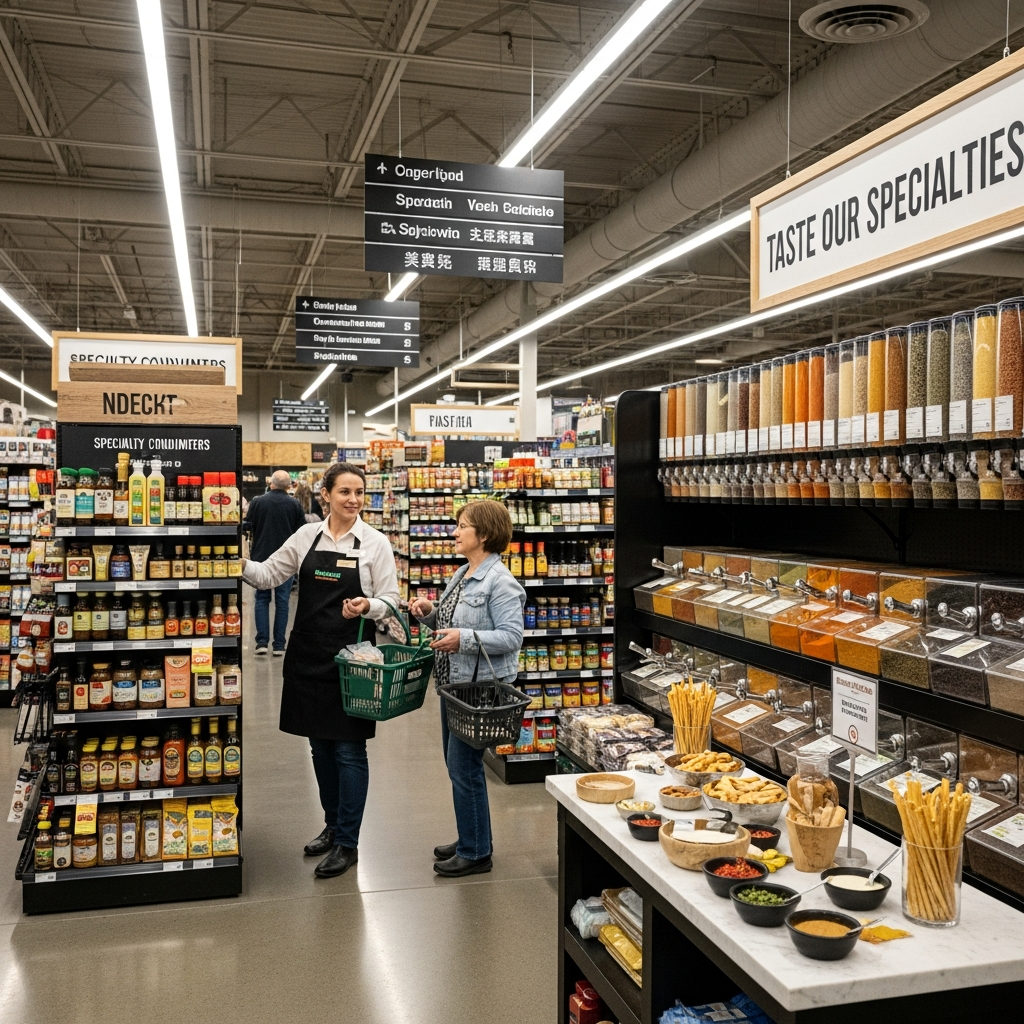
With so much variety, it can be challenging to find exactly what you want on the first pass. Some sections are organized by cuisine, others by ingredient type, and that blend can be confusing at first glance. The best strategy is to ask early and often; a two-minute conversation can save ten minutes of wandering. Over time, you’ll learn the store’s logic and make quick, confident loops through your favorite sections.
Many markets evolve their layout with the seasons or in response to new shipments. Treat that as an opportunity to stumble onto something delightful rather than an obstacle. A different path through the store can yield a new recipe idea or a better version of a familiar product.
Allergen and Dietary Clarity
Labeling practices vary by brand and country of origin, so allergen information might not always be highlighted the way you’re used to. When in doubt, ask a staff member to help you track down details or suggest alternatives that have clearer labeling. Over time, you’ll build a list of trusted products that fit your needs, minimizing the guesswork.
Shoppers managing dietary preferences often find that international markets offer more options than expected, especially in the realms of grains, legumes, and spice-driven sauces that deliver flavor without compromise. Once you know where to look, you’ll feel empowered rather than limited.
Language of Spices and Heat
Heat levels can be especially tricky. A chili labeled “mild” in one cuisine might simmer hotter than you expect if you’re used to another. The solution is calibration. Start with a little, taste as you go, and remember that acidity and dairy can soften intensity. Ask staff for a brand-to-brand comparison to find your sweet spot faster.
This calibration process becomes part of your culinary education. As you tune your palate, dishes hit the notes you love with consistency, and cooking becomes more intuitive.
Balancing Prepared Foods and Scratch Cooking
Prepared items are a gift to busy households, but they can tempt you to skip the fun of cooking. The balance many Naperville shoppers strike is to use prepared foods as anchors—great bread, a dip, a salad—then cook a main dish or side that adds a signature flourish. This hybrid approach preserves the joy of cooking while protecting your time.
The deli counter is also a testing ground. Sample a new flavor there, and if you love it, explore the ingredients to make a version at home. Over time, your weeknight repertoire expands with dishes that feel both approachable and impressive.
Mid-Trip Course Corrections
Experienced shoppers pause halfway through to reassess. Maybe a new shipment just landed, or perhaps the bakery has a fresh tray that sparks a new plan. Taking a moment to scan for signage and peek at weekly deals keeps your cart aligned with what’s shining that day, reducing disappointment and maximizing flavor.
These small course corrections also keep shopping enjoyable. You make decisions with the best possible information and leave with a basket that reflects both your needs and the store’s strengths.
Community Expectations and Communication
With a loyal customer base comes high expectations. Communication—through in-store signs, friendly guidance, and a responsive checkout team—helps set the right tone. Most issues feel manageable when you understand why they happen and what to do next. That’s where the market’s local personality shines; you’re not just a transaction, you’re a neighbor.
Shoppers can support this dynamic by asking questions, offering feedback, and celebrating the wins—those moments when a recommendation leads to the perfect ingredient or a sample introduces you to a new favorite. This reciprocity strengthens the market and makes each visit feel collaborative.
Frequently Asked Questions
Why is an item sometimes out of stock? International supply chains depend on harvest cycles and shipping schedules. Staff can suggest substitutes and estimate return dates so you can plan accordingly.
How can I navigate labels I can’t read?
Ask for a quick translation and flavor comparison. Over time, keep notes or photos of brands you love so you can find them quickly on future trips.
What’s the best time to avoid crowds?
Weekday mornings are typically quietest. If you shop on weekends, arrive early or plan a relaxed visit that leaves room for discovery.
How do I manage spice heat confidently?
Start low and build. Taste as you go, balance heat with acidity or dairy, and ask which brands run hotter or milder. You’ll quickly find the level you enjoy.
Can I rely on prepared foods without losing the joy of cooking?
Use them as anchors. Pair a prepared salad or dip with a simple cooked dish that adds your signature. You save time while keeping creativity alive.
How do I keep produce fresh longer at home?
Dry herbs before storing, keep spices away from heat and light, and learn which fruits prefer room temperature. Small habits extend the market’s freshness.
Next Time You Shop
Remember that a few smart strategies turn common issues into opportunities. Ask early, stay flexible, and let staff guide you toward what’s best that day. For a quick pulse on what’s shining before you head out, scan the latest weekly deals, jot a flexible menu, and enjoy how easily an international market visit in Naperville turns into a week of flavorful, confident cooking.