
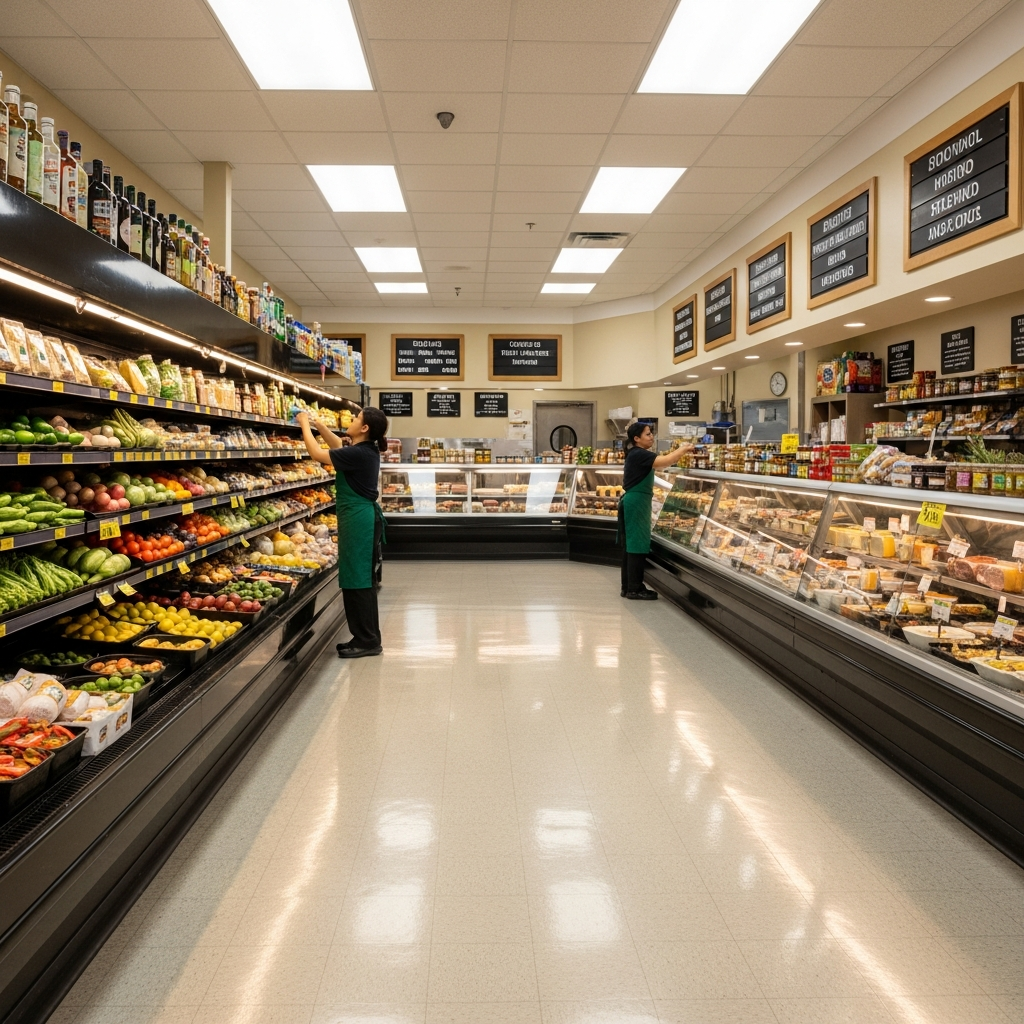
Walk into a well-run international market in Naperville and the first thing you notice isn’t a single product—it’s an overall feeling. The air is crisp without being cold, the produce looks lively, the floors gleam, and the deli counter hums with precise, friendly motion. That sense of order and welcome doesn’t happen by accident. It’s the result of steady maintenance practices that blend back-room discipline with front-of-house care. As a local who shops across town, I’ve seen how small operational habits elevate the experience for every customer, from families exploring new ingredients to seasoned home cooks grabbing staples on the way home.
Maintenance might sound unglamorous, but in the grocery world it’s a love language. Clean cases protect freshness, clear signage reduces stress, and reliable equipment keeps the rhythm of shopping smooth. If you’re planning a visit and want to catch the store when everything is at its shiniest, it’s helpful to check current weekly deals so you can time your trip around new arrivals and thoughtful merchandising.
For store teams and curious customers alike, here are the maintenance principles that consistently keep an international market operating at its best in Naperville.
Temperature Control Is Flavor Control
Great flavor starts with proper temperature. Refrigerated cases, freezers, and hot-hold equipment all need regular calibration and logs that are actually used, not just filed. When temperatures stay in range, produce remains crisp, dairy keeps its clean profile, meats stay safe and tender, and prepared foods hold their intended textures. Customers feel the result the moment they lift a container lid or slice into a loaf.
From a shopper’s perspective, you can often sense temperature discipline without seeing a single thermometer. Greens look perky rather than wilted, cheeses cut cleanly, and seafood smells like the sea instead of fishy. Behind the scenes, staff check and record temperatures at set intervals and take immediate action if anything drifts. This vigilance is the backbone of quality.
Rotation With Purpose
First-in, first-out isn’t just a slogan—it’s a rhythm that keeps shelves alive. Clear dating, organized back stock, and well-trained eyes ensure that products move at the right pace. When rotation is strong, you rarely encounter tired herbs or a lonely dairy item hiding past its prime. Instead, every section feels current and inviting.
Customers benefit from rotation because it streamlines decisions. You can trust that what you pick up is in its intended window, and that trust shortens the mental checklist you run through while shopping. For store teams, rotation also prevents waste and keeps displays from looking crowded or inconsistent.
Lighting That Tells the Truth
Lighting is an underrated maintenance tool. Good lighting shows produce as it truly is, not washed out or artificially bright. It makes labels legible and colors vivid, which reduces confusion and enhances appetite appeal. Bulb checks, fixture cleaning, and occasional upgrades are maintenance tasks that pay outsized dividends in customer satisfaction.
As a shopper, you can feel the difference. When you can clearly read spice labels, compare pasta textures, and see the sheen on fresh herbs, you make better choices faster. That clarity shortens visits without making them feel rushed.
Cleanliness as Hospitality
Clean floors, tidy end caps, and polished glass create a sense of welcome that sets the tone for the whole visit. Maintenance teams that sweep, mop, and spot-clean throughout the day send a message: we care about your experience. In deli and bakery areas, frequent sanitizing and organized tool stations keep cross-traffic smooth and safe, with clear separation of raw and ready-to-eat zones.
Customers notice not just the absence of clutter, but the presence of intention. Wipes and towels are stowed neatly, signage is placed thoughtfully, and carts and baskets are circulated so there’s always a clean one at the door. These small details reduce friction and let the food take center stage.
Airflow, Aroma, and Acoustics
Maintenance goes beyond surfaces. Proper ventilation keeps aromas inviting rather than overwhelming, while music set at a comfortable volume makes conversation easy. Regular HVAC service, clean filters, and attention to airflow prevent hot and cold spots that stress products and people alike. The sensory balance creates an environment where you linger by choice.
One way to gauge airflow as a customer is to notice consistency. If one corner always feels too warm or chilly, staff are likely already tracking it. The best teams pair equipment service with layout tweaks—moving heat-generating displays or adjusting case positions—to keep conditions steady.
Signage That Guides, Not Confuses
International markets handle products from many regions, which makes signage essential. Maintenance here means not just printing signs, but auditing them: checking accuracy, replacing faded prints, and aligning shelf tags with the products above them. Clear category headers and legible fonts can shave minutes off a trip and help new customers feel at ease.
When signage is crisp and current, it empowers questions. Shoppers are more likely to ask about flavor profiles or cooking methods once they’ve successfully found the right aisle and narrowed the options.
Back Room Discipline
What customers don’t see matters just as much. A well-organized back room supports everything out front. Labeled shelves, safe stacking, clean floors, and pest-prevention protocols protect quality and safety. Routine audits catch issues early—an imperfect seal on a cooler door, a pallet that needs rewrapping, or a drain that wants attention before it becomes a nuisance.
Disciplined receiving practices also reduce damage. When shipments are checked promptly, temperatures verified, and items staged for immediate rotation, the floor reaps the benefits within hours. Freshness is a chain, and the back room is the first link.
Tools, Not Just Talent
Even the best team needs reliable tools. Sharp knives, accurate scales, sturdy carts, and calibrated slicers turn good intentions into consistent results. Maintenance logs for tools keep small glitches from becoming major disruptions, while spare parts on hand shorten any downtime.
From the customer side, this shows up in clean cuts at the deli, uniform slices at the bakery, and tidy displays that hold their shape. The little efficiencies add up to a smoother shopping rhythm that feels calm and capable.
Staff Training as Ongoing Maintenance
Training isn’t a one-time event; it’s a form of maintenance. Refresher sessions on food handling, allergen awareness, and equipment use keep standards high. Cross-training empowers staff to help wherever the need is greatest, which customers experience as shorter lines and quicker answers to questions about ingredients and preparation methods.
Because international markets carry products from many traditions, training also includes flavor education. When a clerk can explain the difference between two curry pastes or suggest a swap for a particular chili, it lifts the entire store’s confidence.
Customer Feedback Loops
Another maintenance tool lives beyond mops and thermometers: conversation. Comment cards, quick chats at checkout, and attentive social listening give teams the data they need to prioritize fixes. A recurring note about a dim corner or a hard-to-find aisle becomes a maintenance ticket that improves everyone’s experience.
Naperville shoppers are generous with feedback, especially when they see action. That virtuous cycle turns customers into co-creators of a better store—one suggestion at a time.
Merchandising With Integrity
Good maintenance supports honest merchandising. Displays should be full but not overstuffed, with oldest product reaching the customer first. Regular touch-ups keep produce looking bright, bakery cases enticing, and end caps informative rather than chaotic. When the visual story matches the product quality, trust deepens.
Trust also grows when a store communicates clearly about what’s new, what’s seasonal, and what’s temporarily unavailable. That candor is a maintenance practice in its own right, avoiding confusion and aligning expectations.
Mid-Visit Adjustments
On busy days, the best teams run micro-maintenance in real time—wiping condensation, swapping tongs, refreshing ice, and consolidating partial cases. Customers can help themselves by pausing midway through a shop to scan for signs highlighting new arrivals and by glancing at weekly deals that might direct them to a just-restocked item or a seasonal peak.
These mid-visit adjustments keep flow steady and protect the little moments that make shopping pleasant, like finding your favorite herb perky and abundant just when you need it.
Community Partnerships
Maintenance extends into relationships with local suppliers, inspectors, and service technicians. Regular contact and mutual respect ensure quick responses when equipment needs attention and smooth coordination when seasonal goods arrive. Those partnerships are part of what makes Naperville’s food scene stable and responsive, even during busy holiday stretches.
Customers feel the benefits in predictable freshness and an atmosphere that stays friendly and composed under pressure.
Frequently Asked Questions
How can customers tell if a market’s maintenance is strong? Look for clear signage, tidy cases, steady temperatures you can feel around cold displays, and staff who move with purpose. Your senses will tell you quickly if standards are high.
What’s the biggest behind-the-scenes maintenance task?
Temperature control and product rotation. They’re constant, exacting, and make the largest difference in freshness, safety, and flavor.
How do stores balance variety with clarity?
Through thoughtful signage, logical aisle organization, and staff training. When the visual system is maintained, variety feels empowering rather than overwhelming.
What role do customers play in maintenance?
Feedback is invaluable. Quick comments about a dim light or a hard-to-find item help teams prioritize. Returning carts, reporting spills, and asking questions also support a safe, efficient environment.
How often should equipment be checked?
Critical equipment is typically monitored throughout the day, with formal logs kept at set intervals. Preventive service visits and routine cleaning keep everything running smoothly.
Why do some areas feel warmer or colder?
Airflow varies during busy periods or seasonal shifts. Teams adjust HVAC, reposition cases, and monitor hot spots to maintain consistency across the floor.
Bring Maintenance to Life
When a market hums, you can feel it. Every detail—from crisp greens to clear labels—adds up to an experience that respects your time and elevates your cooking. If you’re planning a visit this week, take a quick look at the latest weekly deals, map out a flexible menu, and enjoy how a well-maintained international market in Naperville turns a simple grocery run into an invitation to cook, share, and savor.