
Where Freshness Meets Everyday Cooking in Naperville
Ask three Naperville cooks where to find the city’s best produce and you will likely hear three confident answers, each shaped by different weeknight routines, favorite recipes, and timing. That is the beauty of grocery shopping here: we have options, and freshness is a moving target that depends on when you shop, what you cook, and how you store your finds at home. The “best” supermarket for fresh produce is the one that matches your habits—a place where the greens look vibrant when you arrive, the berries are sweet but not fragile, and the team keeps restocking at the very time you like to shop. Start your search by glancing at the store’s current weekly deals, then let those highlights guide a flexible menu plan.
Being just a short hop from Illinois farmland and Midwest distribution hubs, Naperville benefits from a steady influx of produce that can go from truck to shelf quickly. That speed matters. You taste it when arugula is snappy instead of wilted, when the scent of ripe peaches lingers in the air near the stone fruit, and when tomatoes feel heavy for their size. In my own routine, I look for signs that a store is serious about freshness: tidy displays, a cool, crisp feel in leafy sections, and staff rotating stock rather than piling on top of older items. Those little signals reveal a culture of care, which translates into better salads, sides, and snacks at home.
The other ingredient in the freshness equation is you. If you bring a plan—for example, roasted vegetables early in the week, salads midweek, and a stir-fry on Friday—you can pick produce at the right ripeness stages. That means firmer avocados for midweek guacamole, softer ones for tacos tonight, bananas with just the right speckling, and herbs that you will use in two rounds. Start with what looks best, then build meals that let everything shine in its ideal window. You will waste less and enjoy more.
What Sets a Produce Department Apart
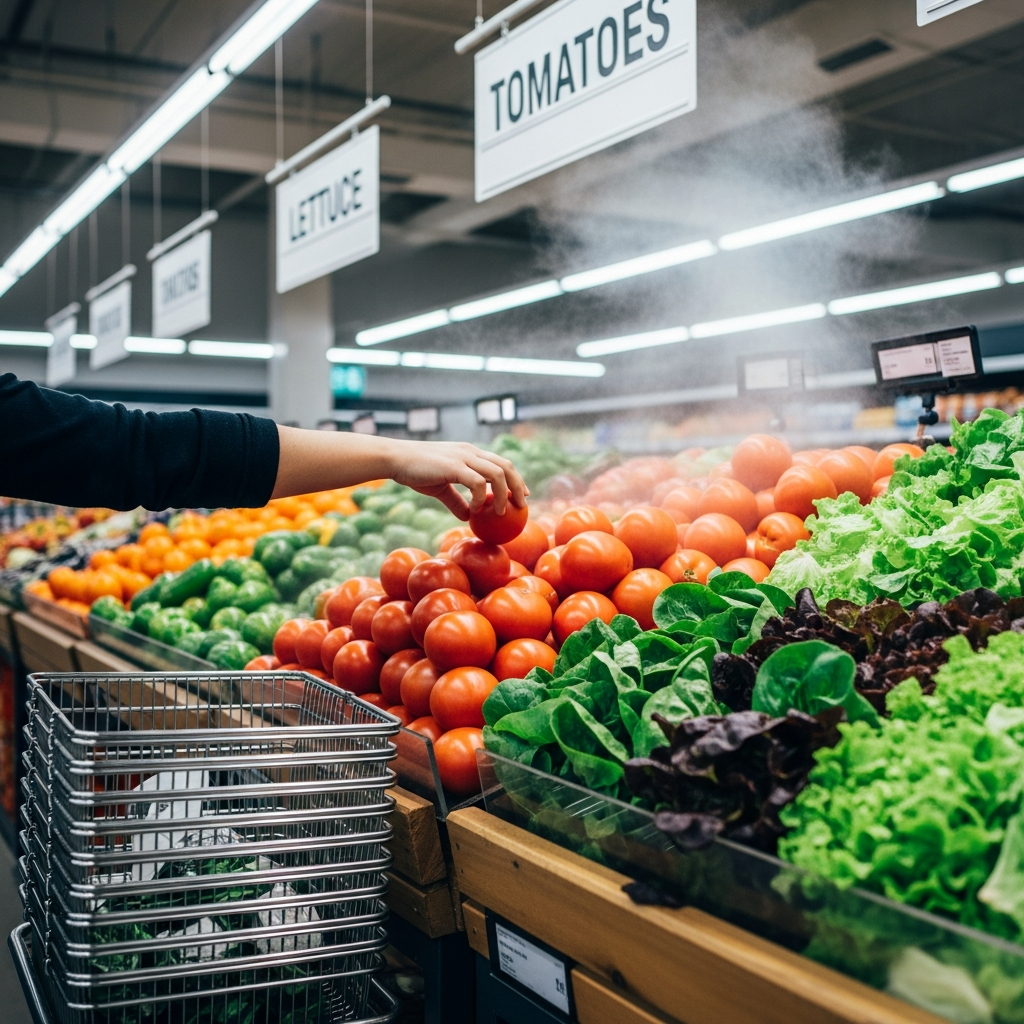
A great produce section is a sensory experience. The air feels crisp, the displays are organized without looking sterile, and the signage is informative without clutter. Good stores swap out misters for leafier greens at intervals to avoid sogginess, keep cut fruit chilled properly, and rotate delicate items like berries frequently. When I evaluate a department, I look for staff presence: someone trimming leafy tops, a team member spot-checking ripeness, and a steady restock that does not bury older items. If you notice conversations happening between shoppers and staff about ripeness or recipe ideas, you are in the right place.
Another sign of quality is breadth with purpose. Diversity in the selection does not just mean having dozens of varieties; it means curating what locals actually cook. In Naperville, that often includes sturdy salad greens, global herbs like cilantro, mint, and Thai basil, a reliable range of peppers from mild to fiery, and seasonal glories like sweet corn, asparagus, and cranberries. A store that balances crowd-pleasers with a few adventurous picks—Asian greens, tropical fruits, unusual mushrooms—helps you discover new flavors without sacrificing the basics.
Finally, freshness shows in how produce departments handle transitions. As seasons shift, look for clean handoffs: when summer berries wane, citrus steps up; when local tomatoes fade, vibrant winter greens take center stage. Stores that manage these transitions gracefully keep your cart colorful year-round and make it easier to plan meals that feel seasonal even when the weather does not cooperate.
Timing Your Trip for Peak Freshness
Freshness is as much about when you go as where you go. Many Naperville supermarkets receive early deliveries, leading to strong morning showings for greens, herbs, and fragile fruits. The midday window often brings a second wave of restocking along with cut produce and prepared salads refreshed for the lunch crowd. If you are shopping for a weekend cookout or a Sunday batch-cooking session, going early can give you first pick and calmer aisles. For spur-of-the-moment dinners, late afternoon shopping works well if the store you choose is known for restocking before the after-work rush.
When your list spans multiple stores, plan your route so that chilled and fragile items are last. Keep a cooler bag in your trunk, especially in summer or on those surprisingly warm fall afternoons we often get. If you are buying herbs and lettuces, insert a dry paper towel in the bag once you get home to absorb moisture and extend their life. Tomatoes, peaches, and avocados need a bit of counter time; greens want the crisper; and berries belong in a shallow container lined with a paper towel to prevent crushing and excess moisture.
Do not forget to read the room. If you see staff actively rotating stock, that is your cue to linger in the section a few more minutes while the newest items land on the shelves. On high-traffic days—think Saturdays at midday—head straight for the items most likely to sell out, such as ripe stone fruit or specialty mushrooms. Then circle back for pantry and dairy. This small shift in sequence keeps your basket full of the choicest produce even during peak hours.
Seasonal Highlights and How to Use Them
Spring in Naperville brings tender greens, radishes, and the first herbs that make everything taste alive again. I build meals around roasted asparagus with lemon, big bowls of arugula with shaved Parmesan, and early strawberries that brighten breakfast and dessert. In summer, the produce aisle turns into a celebration: sweet corn that snaps, tomatoes that need little more than salt, peaches that drip down your wrist, and cucumbers that keep salads cool through hot evenings. Seek out peppers in multiple heat levels, zucchini ready for the grill, and cherries as a sweet snack after dinner.
Fall is for apples, hearty squashes, and the return of craveable crucifers like Brussels sprouts and cauliflower. Roast them high and fast for crispy edges, or shred them for slaws that play well with toasted nuts and tangy dressings. Winter leans into citrus, root vegetables, and hearty greens. Blood oranges, Cara Caras, and grapefruits shine in salads and salsas, while beets, carrots, and parsnips anchor soups and sheet-pan dinners. Kale and chard become weeknight workhorses, easily sautéed with garlic and finished with a splash of vinegar for brightness.
Throughout the year, herbs act like an exclamation point for your cooking. Keep cilantro, parsley, and mint rotating through your fridge, and branch into dill, chives, and Thai basil when your recipes call for it. A great produce department keeps those herbs perky and plentiful, which in turn keeps your meals from feeling repetitive. The best stores also label origin, which helps you learn when to expect local or regional options at their peak.
How to Choose, Store, and Use with Confidence
Ripeness is part art, part science. For avocados, look for a gentle give at the stem end and choose a mix for different days of the week. For melons, a sweet scent and a weighty feel indicate juiciness; for pineapples, the same scent test helps, along with a slight give when pressed near the base. Berries should be dry, uncrushed, and vivid; greens should look perky without browning edges. When in doubt, ask the produce staff—Naperville teams are generally eager to help and will steer you toward the best picks for your timeline.
Once home, give produce a thoughtful landing. Do not wash berries until just before eating, but do wash sturdy greens and spin them dry before storing in a container with a paper towel. Keep tomatoes on the counter away from direct sun, refrigerate cut fruit promptly, and tuck herbs into a jar with a bit of water, covered loosely with a bag—like a bouquet. These small moves protect flavor and texture, stretching the life of everything you buy and keeping waste to a minimum.
Plan for leftovers with intention. If you roast a tray of mixed vegetables early in the week, portion a bit for a grain bowl, save some to toss with pasta, and keep a handful to tuck into omelets. If you slice extra peppers and onions, they will be ready for tacos, stir-fries, or quick panini. The best produce department sets you up; your kitchen habits seal the deal.
Local Stores and the Produce Personalities They Develop
Over time, you will notice that Naperville supermarkets develop personalities in produce. One might be incredible for herbs and international greens; another consistently nails berries and stone fruit; a third surprises you with mushroom diversity or impeccably crisp salad kits. I keep mental notes and build my route accordingly. If I am craving a stir-fry, I know exactly where to grab snow peas, scallions, and baby bok choy. If it is a salad-forward week, I head to the store that never seems to run out of butter lettuce and radicchio. That “mix and match” strategy lets you shop like a pro without circling aimlessly.
Promotions can point you in the right direction. Before you head out, a quick glance at the latest produce specials can nudge you toward dishes that take advantage of what is abundant today. If zucchini is highlighted, plan on grilling or spiralizing; if citrus is having a moment, dream up salsas and vinaigrettes. Let the store lead a little, and your meals will feel fresher and more vibrant without extra effort.
Do not overlook the human factor. The best produce teams get to know their regulars. If you are looking for an especially ripe mango for tonight or firm tomatoes for slicing tomorrow, ask. I have had staffers pull a box from the back to find exactly what I needed more times than I can count. That partnership transforms grocery runs into easy wins, and it is a big reason the same stores keep earning their place on my short list.
Frequently Asked Questions
What is the single best time to buy produce in Naperville?
Early morning often yields the crispest greens and the best selection before crowds build. That said, some stores restock late morning or early afternoon to prepare for the lunch and dinner rush, and that window can be just as rewarding. If you are shopping for a specific event, earlier in the day helps you avoid last-minute shortages, but do not hesitate to ask when your preferred store tends to restock high-demand items.
How do I know if berries are fresh without opening the container?
Look for vivid color, dry surfaces, and intact shapes with no pooling juice at the bottom. Tilt the container gently to check for hidden crushed fruit. Berries should be loosely packed enough to move a bit without bruising. When you get home, transfer them to a shallow container lined with a paper towel to keep them dry and extend their life. Wash right before eating, not before.
What produce should I keep on the counter versus in the fridge?
Tomatoes, whole avocados, bananas, and most stone fruit benefit from some counter time to develop flavor and texture. Leafy greens, berries, cut fruit, and crisp vegetables like carrots and celery belong in the refrigerator. Potatoes and onions prefer a cool, dark, well-ventilated spot away from each other to prevent sprouting or softening. Adjust as needed for your kitchen’s temperature and humidity.
Is organic always better for taste and freshness?
Taste depends on variety, ripeness, and how recently an item was harvested and handled, not solely on whether it is organic. Some organic items shine in flavor, especially in-season produce that traveled a shorter distance. In other cases, conventional items can taste just as vibrant when sourced and stored well. Let your senses lead—smell, texture, and weight are great guides—and buy organic when it aligns with your preferences and priorities.
How can I keep herbs fresh longer?
Treat tender herbs like cilantro and parsley as you would flowers: trim the ends, place in a small jar with water, and cover loosely with a bag before refrigerating. For heartier herbs like rosemary and thyme, wrap them in a slightly damp paper towel and tuck into a breathable bag. Avoid crushing them in crowded drawers and refresh the water or towel every couple of days.
What should I do if a key ingredient looks past its prime?
Pivot without panic. Swap spinach for kale, use zucchini instead of cucumbers, or lean on frozen peas when fresh are lackluster. Sauces, dressings, and herbs can bridge small gaps in quality. If your heart was set on a particular dish, ask the produce team if a new shipment is due that day—often they can tell you to swing back in an hour for the freshest pick.
Ready to Fill Your Crisper with the Best of Naperville?
Let the season lead, trust your senses, and pick stores that match your timing and cooking style. If you start with a loose plan and follow the cues of a well-tended produce department, you will come home with ingredients that practically assemble into dinner. Before you head out, take a moment to scan the latest weekly deals, choose the market that aligns with today’s menu, and enjoy the kind of fresh, flavorful cooking that keeps everyone asking for seconds.