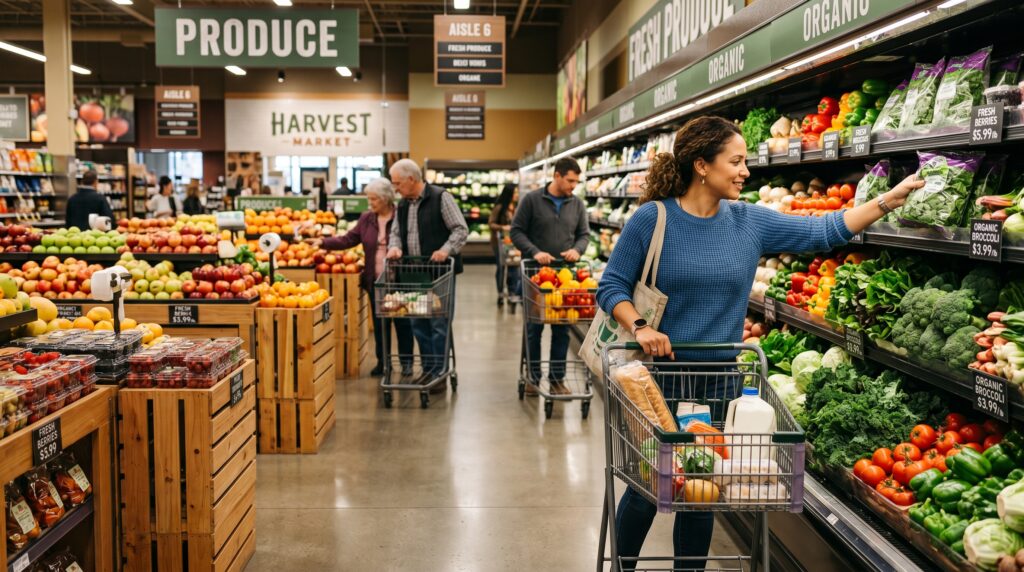
Walk through a forward-thinking grocery store in Naperville today and you’ll notice shifts that are subtle at first glance but profound in impact. Endcaps feel smarter, prepared foods more chef-driven, and technology less obtrusive yet more helpful. The changes reflect how our community cooks, commutes, and cares for health and sustainability. As a local observer who talks with store teams, chefs, and families each week, I’ve watched new patterns take root, giving us a glimpse of what tomorrow’s food shopping will look like. Even before you reach the second aisle, the conversation between tradition and innovation is alive—heritage produce meets data-informed stocking, hand-labeled bakery items stand beside streamlined digital tools, and the simple pleasure of browsing complements the convenience of an agile grocery department.
Trends don’t happen in a vacuum; they’re responses to needs. In Naperville, we need speed during the school week and inspiration on weekends. We want authenticity in global foods and clarity in nutrition. We value sustainability but still crave convenience. The stores that win are translating those sometimes competing desires into experiences that feel effortless.
Culinary-Inspired Prepared Foods
Prepared foods have shifted from backup plan to centerpiece. Today’s counters offer whole-grain salads, roasted vegetable medleys, slow-simmered stews, and sauces that taste like they came from a neighborhood bistro. Families mix and match with pantry items to build balanced dinners in minutes. The key trend is culinary thinking—chef techniques applied to grocery environments, with better textures, seasonal produce, and bold yet familiar flavors. This approach respects time constraints without compromising satisfaction, and it invites exploration across dietary preferences.
Smarter Merchandising Through Data
While the shopping experience remains tactile, back-end decisions are more data-driven than ever. Stores study buying patterns to ensure popular items are consistently available and to anticipate seasonal spikes. When done well, this feels invisible: shelves look abundant but not cluttered, and your favorites are almost always in stock. This quiet intelligence helps reduce waste while improving reliability, a win for both households and sustainability goals.
Locally Grounded, Globally Curious
Naperville’s demographics support a wide range of cuisines, and trendsetting stores are doubling down on authentic staples while introducing approachable entry points for the uninitiated. You’ll see specialty chilies and spice blends next to simple recipe cards, or artisanal noodles paired with a ready-made sauce to make first tries less intimidating. The result is a more adventurous but still accessible pantry that reflects the people who live here.
Plant-Forward Without Preaching
Plant-forward eating continues to rise, but the most successful trend is one of inclusion rather than exclusivity. Stores feature legumes, grains, and vegetables that add variety to every diet, not just vegan or vegetarian households. Ready-to-eat plant-based proteins offer convenience; bulk nuts and seeds provide customization. The tone is exploratory rather than doctrinaire, and shoppers respond to that openness.
Transparency As A Design Principle
From ingredient lists to sourcing stories, transparency now shapes how products are presented. Clear labels and concise origin notes empower quick decisions. This trend dovetails with improved in-store signage that explains what differentiates items—grass-fed, single-origin, heirloom varieties—without jargon. By foregrounding information, stores help busy families shop confidently.
Hybrid Shopping Journeys
Naperville households move fluidly between digital and physical channels. The emerging norm is to research online, then visit in person for inspiration and final touches. Digital platforms now reflect store floorplans more accurately, and in-store associates are trained to handle orders with the same care as face-to-face service. The middle of the week might be click-and-collect; weekends invite a leisurely browse. A key trend is the expectation that both modes share the same quality and personality, including the serendipity of discovering something new in the Naperville grocery selection that complements your plan.
Mission-Linked Sustainability
Sustainability is moving from a marketing talking point to an operational standard. Energy-efficient refrigeration, food donation programs, and reduced packaging options are becoming fixtures. Stores are elevating imperfect produce and offering refills for household staples, reducing waste meaningfully. Shoppers are responding to practical solutions they can see, touch, and participate in during a normal trip.
Health, Personalization, And Micro-Goals
Rather than sweeping overhauls, many families are pursuing micro-goals—more fiber this month, a new whole grain next week, one extra serving of vegetables per day. Stores are responding with targeted signage and bite-sized education. Simple swaps near familiar items and shelf talkers that inspire achievable steps make health feel doable. Nutrition becomes a journey rather than a destination, and that psychology keeps motivation high.
Cross-Category Ideas
The modern store blurs category lines to spark creativity. You’ll find a soup display adjacent to artisan breads and a salad station near grains and legumes. The message is, “Here’s how dinner comes together, fast.” These curated moments speed up decision-making for busy shoppers while expanding culinary horizons for those with extra time.
Comfort Meets Craft
We want both the familiar taste of home and the thrill of a well-made specialty item. Trend-forward stores place best-in-class pantry staples next to exciting limited runs. It might be a regional hot sauce beside a classic ketchup, or a small-batch jam near everyday peanut butter. This juxtaposition encourages small experiments that refresh the weekly menu without straining routines.
Hospitality As A Competitive Edge
Technology is important, but human warmth remains the differentiator. Associates who recommend a bread to go with your stew, or point out the citrus that just arrived, add real value. Training now emphasizes hospitality alongside product knowledge, creating a shopping experience that feels curated rather than transactional. Those moments keep customers loyal even as options proliferate.
Resilience In Supply And Service
Recent years taught us the value of agility. Stores now maintain flexible supplier relationships and cross-train staff to adapt quickly. When you see smooth operations during peak times, that’s the result of deliberate planning and practice. The trend is toward resilience—quietly ensuring families can count on their store regardless of what the week brings.
Design For Flow
Thoughtful store design reduces fatigue. Wider aisles, clear sightlines, and intuitive adjacencies minimize backtracking, which is especially appreciated by parents shopping with kids. At its best, design fades into the background, letting you focus on ingredients and ideas rather than logistics. The overall effect is a calmer, more pleasant trip.
Community Storytelling
Finally, the most compelling trend is narrative. Stores that tell the stories behind products—introducing growers, bakers, and makers—deepen the sense of connection that defines Naperville life. Shoppers feel proud to choose items with roots in our region, and kids learn that food is more than a commodity; it’s the center of community and culture.
Frequently Asked Questions
What trend will most change weeknight dinners?
Culinary-inspired prepared foods are transforming weeknights by offering components that taste homemade. Pairing a chef-style side with a simple protein or using a ready sauce over roasted vegetables is elevating dinners without adding time.
How are digital tools improving in-store experiences?
Better mapping between online catalogs and physical aisles streamlines lists and reduces hunting. Accurate availability and respectful substitutions mean curbside pickup and in-person browsing feel unified rather than separate experiences.
Is plant-forward eating replacing traditional meals?
Not replacing—broadening. The trend is about adding plant-based variety to every table, from legumes to hearty grains, so families enjoy more options while keeping beloved dishes in rotation.
What sustainability practices are gaining traction locally?
Energy-efficient cases, food donation partnerships, and packaging reduction are moving from experiments to expectations. Shoppers appreciate solutions that fit typical routines and produce visible results.
How can I try global flavors without overhauling my pantry?
Start with one versatile element—a spice blend, noodle, or sauce—and build around familiar staples. Stores are pairing authentic items with simple tips to make first steps welcoming and delicious.
If you’re curious to see these trends in action—and maybe take home a few inspired ideas for dinner—come by and explore our forward-leaning grocery selection, where tradition meets innovation on every aisle and your next favorite meal is only a cart away.