Halal Meat Consumption Trends In Naperville, Illinois
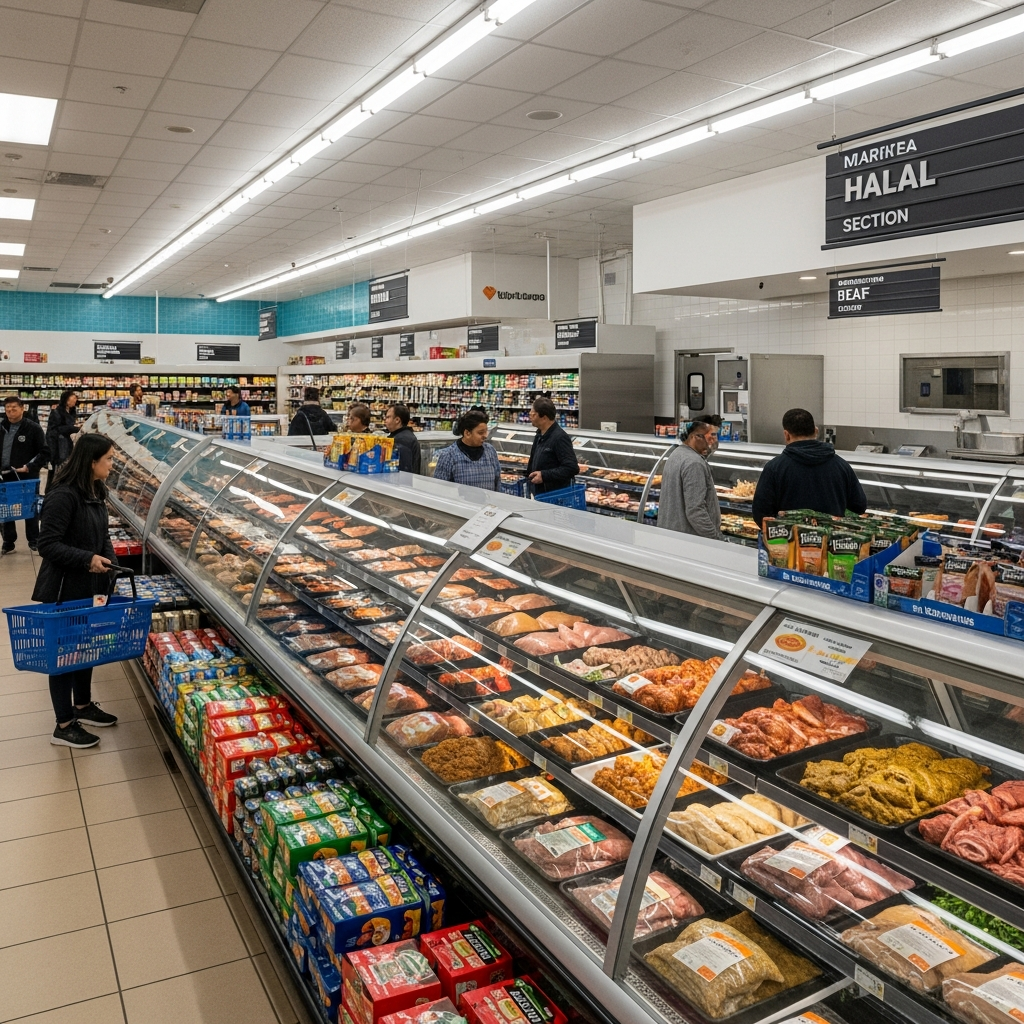
Spend a few hours visiting Naperville’s markets and restaurants, and you can map the story of halal demand with your own eyes: dedicated display cases where there used to be a single shelf, butchers who now stock a wider range of cuts, and weekend lines that grow longer before holidays. What began years ago as a niche offering has matured into a robust category that serves families across faiths. Early in my own shopping rounds, I realized that high-quality halal meat was no longer an occasional request; it had become an expectation for many households. Today, the question isn’t whether halal is available, but which cut, certification, and preparation style best fits a family’s routine.
Naperville’s halal landscape reflects broader regional patterns while retaining a distinctly local flavor. The city’s diverse population, combined with a strong culture of home cooking, created fertile ground for the category to thrive. Grandparents taught their favorite recipes to children who now work full-time and still find time to prep weekend marinades. Newcomers discovered that halal counters are information hubs, where staff not only explain certification but also suggest smart ways to stretch meals. Restaurants that once offered a single halal dish now feature entire sections of the menu, supported by back-of-house systems designed to handle sourcing and prep with care.
From Specialty To Mainstay
A decade ago, many Naperville shoppers would drive across town to secure reliable halal options. Today, plenty of neighborhoods are within a short distance of a well-stocked market. The shift from specialty to mainstay tells us several things. First, retailers listened to customer feedback and recognized consistent demand, not just seasonal spikes. Second, suppliers adapted, improving logistics to deliver fresh product on predictable schedules. Third, the local culinary scene embraced halal as a platform for creativity—grilled plates, slow-cooked stews, and fusion dishes that combine global flavors with suburban family practicality.
As halal became more accessible, buying patterns diversified. Families no longer purchase only for big gatherings; they now pick up small packs for weekday dinners—ground beef for kebabs, thin-cut steaks to sear after work, and whole chickens for Sunday roasting with leftovers planned into lunches. This shift toward routine purchases means retailers monitor inventory closely, ensuring freshness through faster turnover and improved display practices.
What’s Driving Growth?
Several forces shape halal consumption in Naperville. Demographic change is one piece—our city’s multicultural character brings in households that prefer or require halal. But the drivers go beyond demographics. Many non-Muslim residents value halal for its emphasis on humane treatment and clear standards. Others are drawn by flavor, learning that thoughtful marinades and careful handling produce consistently tasty results. Transparency at the counter feeds this momentum; when staff answer questions knowledgeably, shoppers feel confident trying new cuts and techniques.
Another factor is community-centered living. Naperville residents are joiners: school events, sports teams, cultural festivals, and faith-community dinners. These gatherings normalize halal menus through positive experiences. When you’ve enjoyed a neighbor’s kebabs at a block party, it’s natural to ask where they shop and how they marinate. Word-of-mouth matters, and in a city like ours, it moves fast.
Product Range: Depth And Innovation
Walk the cases today and you’ll find variety that simply didn’t exist here years ago. In addition to staples—whole chickens, bone-in thighs, lamb shoulder, and beef roasts—there’s growing interest in value-added items. Think seasoned kofta mixes ready to shape, marinated chicken packs designed for quick grilling, and cuts portioned for air fryers and sheet-pan dinners. Sausages and deli-style options formulated with halal guidelines are more common, and casings are chosen to align with dietary requirements. Even within beef and lamb, retailers now offer a spectrum from lean to well-marbled cuts, giving cooks more control over nutrition and flavor.
This expansion supports both traditional and modern cooking. Families preserving heritage recipes can find the exact cut they need for a holiday stew, while busy professionals can grab pre-trimmed options that turn into dinner in under an hour. The market meets people where they are, and that flexibility invites more households to embrace halal as a week-to-week staple.
Seasonality And Cultural Cycles
Halal demand follows a rhythm. Ramadan brings an evening cooking surge—lighter soups for iftar, grilled proteins, and slow-braised favorites for weekend gatherings. Eid sees shoppers seeking celebratory cuts: leg of lamb, tender roasts, and large-format chickens for the center of the table. Summer adds a grill-season spike across all demographics, with marinades turning backyards into flavor laboratories. Mid-winter invites oven braises and broths that stock the freezer. Retailers learn these patterns and staff accordingly, while shoppers plan ahead to avoid the last-minute rush before holidays.
Interestingly, as halal became a regular part of shopping lists, off-peak experimentation grew. On a quiet Tuesday, you might see someone testing a new spice blend or trying lamb for the first time because a friendly butcher offered a simple braise method. These weekday trials teach retailers which innovations resonate and which need tweaking.
Generational Shifts
Young adults in Naperville grew up with broader culinary exposure and digital recipe culture. They appreciate halal’s alignment with values and the convenience now offered by local markets. Many keep a rotating set of fast, flavorful recipes—sheet-pan chicken with sumac and lemon, skillet steaks with chimichurri, or instant-pot stews with chickpeas and greens. Older generations, meanwhile, anchor tradition with slow-cooked dishes that define holidays and Sunday dinners. The conversation between generations keeps the category vibrant: elders teach patience and technique; younger cooks introduce weeknight efficiency and cross-cultural mashups.
Couples and roommates also approach halal as a lifestyle fit rather than a special purchase. Bulk buying with careful freezing, meal prep on Sundays, and shared calendars for who cooks which night all reinforce steady demand. The result is stable, predictable purchasing behavior that encourages retailers to expand offerings with confidence.
Retail Experience: Transparency And Trust
Trust is the currency of the halal counter. Naperville consumers reward retailers who label clearly, rotate stock responsibly, and answer questions about certification and handling. Staff who explain differences among cuts and suggest cooking times help customers cook better, which in turn drives repeat visits. Some stores have reorganized layouts to keep halal sections prominent but comfortable, avoiding cramped cases and giving room for conversation. That experience turns a routine errand into a brief community exchange.
Packaging has also improved. Vacuum-sealed options preserve freshness and make freezer storage straightforward. Clear labels help families plan: weight, cut name, and date information are easy to see. For busy shoppers, these details reduce friction and encourage consistent purchases.
Restaurant Trends
On the dining side, more Naperville restaurants now offer halal selections integrated into the main menu rather than as a footnote. Kitchens invest in protocols—separate pans or cooking surfaces where possible, careful storage, and staff training on cross-contact. The payoff is wider appeal. Groups with mixed dietary needs can dine together comfortably, and restaurants gain loyal customers who appreciate the extra mile taken to respect values and preferences.
Chefs are also exploring flavor in new directions: North African spice blends on grilled chicken, Levantine-style lamb with pomegranate molasses, or South Asian marinades that adapt beautifully to air fryers and grills. This creativity keeps halal dishes exciting and accessible, encouraging diners to replicate them at home.
Digital Influence And At-Home Techniques
Social media and cooking apps have played a real role in halal’s rise. Naperville home cooks swap techniques for faster weeknight meals—how to pre-salt thicker cuts, when to rest grilled meats, and which marinades tenderize without masking flavor. Short videos featuring local kitchens have normalized practical tips like labeling freezer bags and using sheet pans to batch-roast vegetables alongside protein. The more approachable the method, the more frequently people cook at home, which translates into steadier retail demand.
E-commerce and curbside pickup complement in-person shopping. People who know their go-to list—ground beef, bone-in chicken, lamb shoulder cubes—order ahead and spend less time browsing. Retailers respond by keeping inventory data precise and offering add-on suggestions that reflect what families actually cook.
Mid-Market Momentum
Perhaps the most telling shift is the strength of the mid-market segment: families who are neither hunting for luxury cuts nor compromising on quality. They prioritize dependable freshness, clear certification, and cuts that align with practical cooking. These households buy weekly, lean on batch cooking, and value staff recommendations. Their steady purchases create the backbone of halal sales in Naperville, smoothing out peaks and valleys across the year.
For these shoppers, confidence is everything. During those regular errands—often mid-month—they reach for trusted halal meat, herbs, and vegetables, knowing dinner will come together quickly and well. That reliability, more than any single promotion, cements halal as a default choice rather than an occasional one.
What’s Next For Halal In Naperville?
Looking ahead, expect incremental, thoughtful growth. Retailers will continue to refine assortments with a balance of staples and ready-to-cook options. Education at the counter will remain crucial—guidance on thawing safely, avoiding cross-contact at home, and choosing the right cut for an air fryer versus a Dutch oven. Restaurants that have found success with halal offerings will likely expand them, supported by well-trained staff and transparent sourcing.
Community events will keep halal visible. Cultural festivals, school nights, and neighborhood potlucks normalize it not with fanfare but through good food shared among friends. The category’s resilience comes from that grassroots reality: halal thrives because it fits how Naperville lives—family-centered, curious, and committed to quality.
Frequently Asked Questions
Why is halal demand rising in Naperville?
Growth reflects a combination of factors: a diverse population, positive experiences at local markets and restaurants, and a general interest in humane treatment and transparent sourcing. As more people cook at home and share meals at community events, halal’s reliability and flavor keep it in regular rotation.
Is halal only for Muslim households?
No. Many non-Muslim residents buy halal because they value the emphasis on cleanliness, careful handling, and taste. The cultural significance remains important, but the practical benefits—clear labeling, helpful staff, and consistent quality—appeal to a wide audience.
Are more restaurants offering halal options?
Yes. A growing number of Naperville restaurants offer halal selections integrated into their main menus. Kitchens adopt protocols for storage and preparation to respect dietary needs. That inclusivity helps groups dine together and builds customer loyalty.
What kinds of halal products are most popular right now?
Staples like whole chickens, bone-in thighs, ground beef, and lamb shoulder remain strong, while ready-to-cook items—pre-marinated packs and seasoned mixes—are gaining traction. Cuts tailored to air fryers and sheet pans reflect the demand for fast, flavorful home cooking.
Has the shift to online shopping affected halal?
It has made routine purchases more convenient. Families who know their staples order ahead for curbside pickup, relying on accurate inventory and clear labeling. In-person visits remain important for exploring new cuts and getting advice, but online complements the weekly rhythm.
How do I choose between certifications?
Ask retailers which certifying bodies they use and what standards those organizations require. Combine certification with conversation—learn about handling practices, delivery schedules, and how cross-contact is prevented. This layered approach builds confidence in your purchase.
What trends are likely to continue?
Steady demand from family households, more variety in ready-to-cook items, and ongoing education at the counter. Expect restaurants to refine their halal offerings and for community events to feature halal menus as a normalized, inclusive choice.
Plan Your Next Meal With Confidence
Whether you’re restocking staples or exploring a new recipe, make room on your list for dependable halal meat. Talk with your butcher about cuts that fit your schedule, try a marinade you’ve been curious about, and invite a neighbor to share the results. In Naperville, good food fuels good community—cook something that keeps the momentum going.