Cultural And Community Importance Of Halal Meat In Naperville, Illinois
On any given weekend in Naperville, you can see how food ties our city together—at backyard cookouts in subdivisions off 95th Street, at potlucks near the Riverwalk, and at bustling markets along Ogden Avenue. Among the dishes that travel from kitchen to cross-street gathering, halal recipes carry a particularly powerful story. For many families, choosing high-quality halal meat is as much about identity and community as it is about flavor. It embodies tradition, celebrates hospitality, and creates a welcoming table where neighbors from every background can connect. Over the years, I’ve watched halal meals become the bridge that brings people together—during Ramadan iftars, Eid celebrations, school cultural nights, and spontaneous Sunday dinners that turn into weekly rituals.
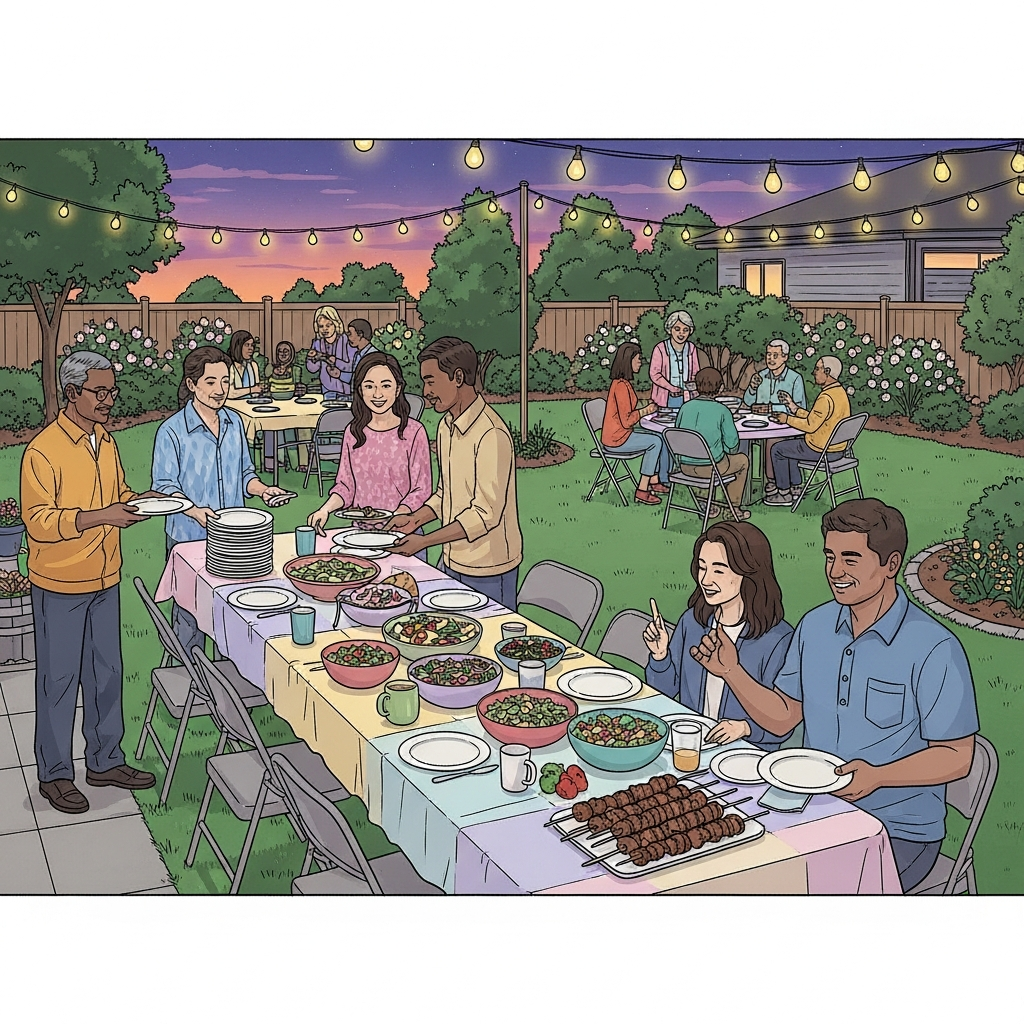
Naperville’s multicultural fabric is one of its strengths. As our city has grown, so has an appreciation for the many ways families cook and celebrate. Halal, at its core, is about mindful eating grounded in faith—respect for animals, gratitude for nourishment, and an emphasis on cleanliness and care. But its cultural significance reaches further. It provides a shared language for hospitality. When a host offers a dish that aligns with guests’ dietary needs and values, it sends a powerful message: you are welcome here. I’ve seen that message resonate at interfaith dinners, workplace gatherings, and neighborhood block parties where a single platter of carefully prepared kebabs transforms a polite hello into lasting friendship.
How Halal Shapes Daily Life In Naperville
For many households, halal is woven into daily rhythms—grocery lists, school lunches, quick weeknight meals, and weekend meal-prep sessions. In the kitchens I’ve visited near Downtown Naperville and along Route 59, families treat halal not as a restriction but as a guide. They ask butchers questions, select cuts that suit family favorites, and plan menus around fresh produce and spices. These routines are quietly social: a parent texting a neighbor to split a bulk pack of chicken; a group of friends trading marinade recipes; or an elder showing a younger cook how to trim a roast for a slow braise. These exchanges build the social capital that makes Naperville feel like a small town wrapped inside a larger suburb.
Restaurants play their part too. Many local kitchens have learned how to serve halal thoughtfully—separating prep areas, training staff, and being transparent about sourcing. Diners appreciate the care, and chefs enjoy the culinary challenge of crafting dishes that are both authentic and inclusive. The result is a dining scene that reflects who we are: diverse, respectful, and curious. Time and again, I’ve seen a mixed group of friends choose a spot that accommodates everyone, and that choice opens the door to new flavors and conversations.
Celebrations, Traditions, And The Shared Table
Halal meat shines during life’s big moments. During Ramadan, the post-sunset iftar becomes a daily ritual of generosity, with neighbors dropping off soups and stews, grilled chicken, and sweets. On Eid mornings, family homes fill with the smell of spiced lamb or beef, and plates are set aside for friends who couldn’t attend. Weddings, baby showers, graduations—these milestones often feature halal menus that bring together guests across backgrounds. The message is unmistakable: our joy is your joy, and our table is open to you.
What impresses me most is how these traditions adapt in Naperville’s modern households. Busy schedules, soccer practices, and late meetings don’t diminish the desire to cook with intention. Instead, families lean on smart planning—batch cooking on weekends, freezing portions for later, and keeping a reliable set of spices and aromatics on hand. The continuity of tradition, combined with practical adaptations, strengthens cultural identity. It shows younger generations that honoring heritage can coexist beautifully with the pace of suburban life.
Interfaith Understanding Through Food
Food often succeeds where words stumble. Sharing a halal meal demystifies practice and opens space for thoughtful questions. I’ve watched interfaith iftars at community centers lead to conversations about gratitude, fasting, and the meaning of celebration. The presence of halal options at civic events, school fundraisers, and company picnics signals that our city values belonging. When non-Muslim friends taste a slow-cooked lamb dish or a bright chicken skewer and ask for the recipe, it’s more than culinary curiosity—it’s the start of deeper understanding.
In Naperville, these moments happen organically. A teacher tries a student’s family recipe and features it in the classroom. A youth sports team hosts a season-end barbecue and ensures halal is on the grill. A group of coworkers organizes a potluck and uses the menu as a chance to learn from one another. Over time, these small gestures add up to a culture where consideration is the norm and difference is celebrated.
Local Markets As Community Hubs
Anyone who spends time in our markets knows that the halal counter is a conversation magnet. People gather to ask about cuts, discuss holiday dishes, and swap tips for quick weeknight dinners. Butchers recognize regulars and offer guidance drawn from years behind the case. When a college student returns home and asks for a simple recipe to cook in a small apartment kitchen, the staff responds with patience and enthusiasm. When a grandparent seeks a special roast for a holiday meal, they get help selecting, trimming, and planning the perfect cooking method. These interactions shape community as surely as any town hall meeting.
And the benefits ripple outward. Shoppers leave with more than meat; they depart with know-how that empowers them to host, share, and celebrate. That confidence expands the circle of hospitality in Naperville. A resident who learned to marinate chicken with lemon, garlic, and paprika can suddenly feed a crowd without stress. Another who discovered the secret to tender lamb shanks becomes the go-to neighbor for comfort food on chilly weekends. The market becomes a classroom, and every dinner becomes an invitation.
Everyday Inclusivity: Schools, Sports, And Workplaces
Inclusivity takes root in everyday structures—school cafeterias, team banquets, and office catered lunches. When halal options appear without fanfare, they normalize consideration and reduce the burden on students and employees to advocate for themselves. In Naperville, I’ve seen PTOs coordinate events that quietly include halal, vegetarian, and allergy-sensitive choices so all families feel relaxed and welcome. Coaches learn which snacks fit team values and make sure the cooler reflects that knowledge. HR teams planning a holiday lunch treat halal needs as standard rather than special. These choices communicate respect in a way that policies alone cannot.
For families, this support is invaluable. Parents can tell children, “You’ll have something you can enjoy,” and then shift focus back to the joy of the event. That shift—from worrying about what’s on the table to fully participating—allows students to shine and employees to feel at ease. Over time, the expectation of inclusivity lifts the whole community, making Naperville a place where difference doesn’t isolate; it enriches.
Food Entrepreneurship And Local Identity
Naperville’s entrepreneurial energy shows up in food trucks, catering ventures, and home-based businesses that specialize in halal-friendly menus. These small enterprises reflect our city’s identity: innovative, community-focused, and grounded in family tradition. When a new vendor pops up at a weekend market with a perfectly spiced chicken wrap or a modern twist on a classic kebab, they aren’t just selling lunch; they’re telling a story about roots and home. Customers, in turn, respond with loyalty—word-of-mouth travels fast here, and a delicious, well-prepared halal dish quickly finds its audience.
Entrepreneurs benefit from the collaborative spirit at local markets. Butchers recommend suppliers, neighbors share feedback, and community groups spread the word for cultural festivals where halal plays a starring role. These networks keep our culinary landscape dynamic and resilient. They also help preserve recipes that might otherwise get lost—a marinade a grandmother used for decades, or a slow-cooked stew that tastes like a holiday morning.
Shopping Tips From Naperville Cooks
In my conversations with home cooks, a few themes consistently emerge. First, prioritize relationships with knowledgeable vendors. A trusted butcher remembers your preferences and steers you toward cuts that fit your schedule and budgeted time. Second, plan menus around community life. If you know a weekend is packed with activities, choose cuts that marinate overnight and cook quickly—skinless chicken thighs, lean ground beef for kebabs, or thin-cut steaks that sear in minutes. Third, ask for guidance on new recipes. Halal cooking is endlessly adaptable, and trying a spice blend or technique from a neighbor often turns into a family favorite.
Mid-month is an ideal time to restock staples and experiment a little. That’s when I find myself reaching for reliable halal meat and a handful of fresh herbs to brighten tried-and-true meals. Those small experiments keep home cooking fun and ensure that gathering friends around the table remains something to look forward to, not a chore to manage.
Tradition Evolving With The City
Naperville grows and changes, and so do our traditions. What doesn’t change is the impulse to welcome, to feed, and to share. Halal meat, with its blend of faith, ethics, and culinary possibility, sits comfortably at the center of that impulse. It helps families preserve beloved flavors, invites new friends to participate, and showcases the best of what our community stands for—respect, curiosity, and generosity. Whether you’re preparing a quiet dinner for two or feeding three generations at a holiday table, halal offers a framework that makes the meal feel connected to something larger.
As we look ahead, I expect halal to play an even more visible role in civic events and local dining. Each year brings more cooks who understand how to source and prepare it well, and more neighbors who appreciate the comfort of sitting at a table where they are fully considered. That’s the kind of progress that turns a city into a home.
Frequently Asked Questions
What does halal mean in everyday cooking?
Halal refers to what is permissible under Islamic dietary law, including the method of slaughter and the handling of meat. In practical terms for Naperville households, it means paying attention to sourcing, cleanliness, and integrity in the kitchen. The results show up in flavor, trust, and the ease of welcoming guests who follow halal guidelines.
How can hosts make community events more inclusive?
Ask guests about dietary needs early, label dishes clearly, and work with vendors who understand halal handling. At potlucks, encourage simple, flavorful dishes that travel well—grilled chicken, spiced meatballs, or slow-cooked stews. Clear communication and thoughtful prep ensure everyone can relax and enjoy the event.
Do non-Muslim neighbors often enjoy halal dishes?
Absolutely. Many Naperville residents choose halal dishes because they are delicious, carefully prepared, and reflect a spirit of hospitality. Sharing these dishes opens a door to new flavors and meaningful conversation, strengthening neighborhood ties.
How do restaurants manage halal in shared kitchens?
Responsible restaurants train staff, separate prep surfaces and utensils where feasible, and source from reputable suppliers. Many are happy to explain their process if you call ahead. Transparency builds trust and allows more groups to dine together comfortably.
What are popular halal dishes for big gatherings?
Grilled chicken skewers, slow-braised lamb shanks, spiced meatballs, and hearty stews are crowd-pleasers that hold well over time. Pair with fresh salads, rice, and flatbreads so guests can customize plates. These dishes make it easy to serve a variety of tastes and dietary needs.
How can schools and teams support halal students?
Include halal options at events, communicate with families about preferences, and avoid last-minute menu surprises. Simple steps—like labeling items and training volunteers—go a long way. Students who feel seen and included participate more fully and confidently.
Is halal difficult to cook at home?
Not at all. Start with familiar recipes and choose cuts you enjoy. Use bright, balanced marinades, cook to proper temperatures, and lean on your butcher for advice. With a few anchor techniques, halal home cooking becomes routine and rewarding.
Bring The Community To Your Table
If you’re planning your next gathering, start by choosing quality halal meat and building a menu that invites conversation. Ask your butcher for tips, set the table with care, and make room for the stories that arrive with every dish. In Naperville, hospitality is our shared language—let your next meal speak it fluently.