Health And Ethical Benefits Of Halal Meat In Naperville, Illinois
Walk into any busy Naperville market on a Saturday morning and you will notice something subtle yet unmistakable: families comparing cuts with care, neighbors sharing recipes they learned from parents and grandparents, and local butchers answering questions with the kind of patience you can only find in a true community. For many, those conversations center on high-quality halal meat, not only because it meets religious guidelines, but because it offers tangible health and ethical advantages that resonate well beyond faith. As someone who has spent years talking with our local butchers along Ogden Avenue, chatting with home cooks after community events near the Riverwalk, and cooking countless family dinners in a Naperville kitchen, I have seen how a thoughtful approach to sourcing and preparing meat can shape healthier habits, foster trust, and elevate day-to-day meals.
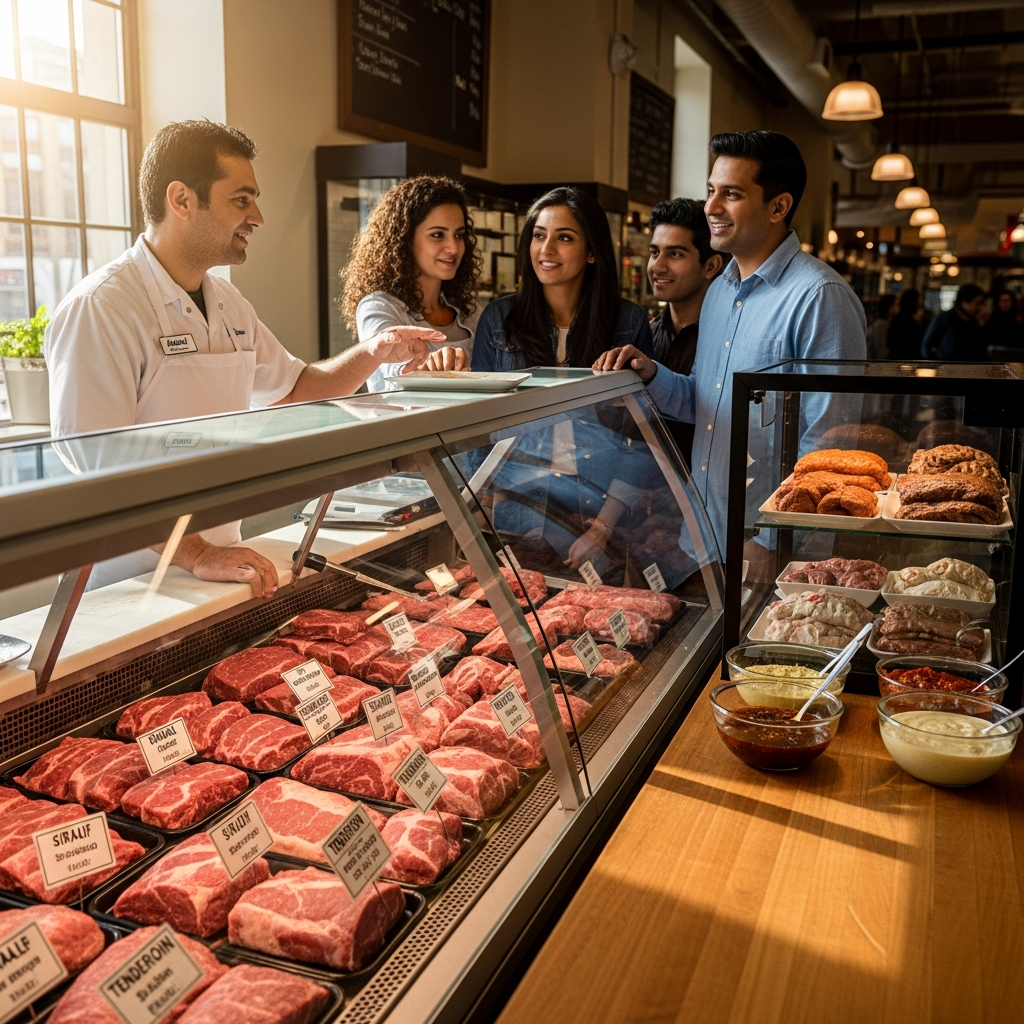
In Naperville, the demand for carefully sourced meat has grown alongside our city’s dynamic, multicultural spirit. The term “halal” refers to what is permissible under Islamic dietary law, encompassing both the method of slaughter and the broader ethics of handling, cleanliness, and respect for animals. While these principles are rooted in faith, their practical effects—clarity in sourcing, mindful handling, and attentiveness to cleanliness—have universal appeal. When neighbors ask me where to start, I usually suggest beginning with a conversation at a local halal counter. You’ll often find that the butchers know exactly where their animals were raised, how they were handled, and how to guide you toward cuts that fit your cooking style and family’s needs.
What “Halal” Means For Health-Conscious Shoppers
The heart of halal practice is intentionality—about what we eat, how it’s prepared, and how it’s shared. From a health perspective, the halal process emphasizes cleanliness and proper drainage of blood during slaughter. In day-to-day cooking terms, that typically means cleaner-tasting meat, fewer off flavors, and, when handled properly, quality you can detect the moment your pan warms up. Moreover, many halal suppliers in and around Naperville prioritize transparency. They are used to discerning questions—about feed, handling, and whether cuts are suitable for grilling, slow-cooking, or quick sautés—which helps shoppers make informed, health-forward choices.
Nutritionally, the benefits of any meat come down to cut selection, cooking technique, and portion size. Where halal shines is in the way it guides you to be intentional about those decisions. I often recommend leaner options like sirloin, top round, tenderloin, and skinless poultry for weekday meals, and to balance them with fiber-rich sides. Home cooks here have become adept at marinades that emphasize lemon, garlic, yogurt, herbs, and warm spices instead of heavy, sugary sauces. The result is a style of cooking that coaxes flavor without unnecessary extras, and a pattern of eating that supports heart health and steady energy.
Ethics You Can Taste: Humane Handling And Community Standards
Ethical treatment of animals is central to halal practice, and for many Naperville families it’s one of the most compelling reasons to choose halal. The requirement to treat animals with respect, to use a sharp blade, and to minimize stress before slaughter is a meaningful standard of care. When I speak with local butchers, they often highlight how that mindset extends through the entire supply chain: training staff to handle meat carefully, keeping work areas pristine, and ensuring that storage and display practices are consistent and clean. While no single label can guarantee perfection, halal certification, combined with attentive local retailers, creates a culture of accountability and compassion that our community values.
Ethics also show up in how we use what we buy. Many families in Naperville practice a mindful approach to consumption that minimizes waste: planning meals in advance, freezing portions for later, and saving bones for stock. This kind of conscientious cooking is both ethical and economical, but more importantly, it cultivates gratitude. Whether you are simmering a beef shank with cinnamon and cloves on a quiet Sunday or grilling marinated chicken for a weeknight dinner, there’s an opportunity to remember the source of your food and the care that brought it to your table.
Local Sourcing, Local Confidence
When we talk about quality, trust is everything. In Naperville’s halal markets, trust grows out of relationships—customers who see the same butchers each week, who notice when the cases are rotated, who know the rhythms of fresh deliveries. It’s common to hear shoppers ask where a lamb was raised or how a particular cut responds to low-and-slow heat. This transparency builds confidence that what you are eating aligns with your values. It also tightens the loop between consumer and supplier, which can encourage responsible sourcing and fewer steps between farm and table.
Another advantage is education. Halal counters tend to foster conversation, not just transaction. Butchers will advise you on how to break down larger cuts for batch cooking, which lean roasts hold their shape in stews, and how to balance heartier flavors with bright herbs and citrus. That guidance translates into healthier home cooking, because you leave with both a purchase and a plan.
Cooking Techniques That Bring Out The Best
Healthy eating always benefits from good technique. Naperville’s home cooks often rely on a handful of methods that match beautifully with halal cuts. Marinating is an anchor—think yogurt with garlic, ginger, paprika, cumin, coriander, and a squeeze of lemon—to tenderize and layer in flavor without excessive oil. For weeknights, high-heat searing followed by a gentle oven finish locks in juices on lean steaks and chops. For weekends, slow braises transform tougher cuts into tender, nourishing meals that stretch across two or three dinners.
Pairing strategies also matter. A grilled chicken thigh, for example, becomes satisfying but balanced when served with a salad of cucumbers, tomatoes, parsley, and a lemony dressing. Similarly, lamb shoulder cooked with onions and tomatoes benefits from a side of roasted vegetables and a spoonful of tangy yogurt. Naperville kitchens are increasingly global in their spice cabinets, which makes it easy to build flavor without leaning on heavy sauces. The result is a repertoire that feels vibrant and fresh, with the nutritional profile to match.
Mindful Eating Builds Healthy Habits
One of the quiet strengths of halal is that it encourages mindfulness around food. In our community, meals remain deeply social—shared with relatives, friends, and neighbors across cultures. That social fabric nudges us toward better choices: varied vegetables, grains that keep us full, and reasonable portions of protein. When food is prepared thoughtfully, we tend to savor it, and when we savor it, we often eat just enough rather than too much. This is not a medical claim; it’s a common-sense observation from countless dinners hosted in Naperville living rooms and backyards.
If you are new to halal, the first step can be as simple as planning a Sunday cook-up, portioning meals for the week, and getting comfortable with two or three reliable marinades. Ask your butcher for advice on leaner cuts that stay tender, and you’ll quickly discover how approachable healthy cooking can be.
Shopping Smart In Naperville
Naperville’s retail landscape makes it easy to shop with intention. The city’s diverse stores typically label halal clearly, and staff are accustomed to detailed questions. If you enjoy grilling, ask for cuts with a bit of marbling for flavor but not so much fat that it overwhelms the plate. If you prefer soups and stews, ask about bones for broth or shank pieces that turn silky after a few hours of gentle simmering. Many families also choose to stock their freezer with versatile items like ground beef or chicken drumsticks for quick weeknight options. When in doubt, talk it through at the counter; that two-minute conversation can save you from guesswork later and nudge you toward healthier choices.
As your household’s preferences evolve, you may find yourself returning to familiar staples while exploring new spices and methods. It’s during those middle-of-the-month shopping trips—when you are restocking pantry essentials and choosing a couple of marquee proteins—that you’ll appreciate the clarity and consistency behind quality halal meat. Confidence at the point of purchase makes healthy cooking easier once you are back home.
Ethics Beyond The Counter: Sustainability And Stewardship
Halal’s ethical dimension extends naturally into environmental stewardship. While halal is not, by definition, a sustainability label, the values around respect and minimal waste often encourage responsible habits. Many Naperville households plan menus that use an entire cut across multiple dishes, stretch roasts with legumes and vegetables, and repurpose leftovers into soups or wraps. Some families I know organize informal meal shares during busy school weeks, swapping portions so nothing sits in the fridge too long. These small acts ripple outward, promoting a less wasteful kitchen culture that aligns with ethical eating.
Local butchers also play a role by sourcing predictably and managing inventory so products move at their peak. Shoppers see clean cases, clear dates, and knowledgeable staff—signals that translate into safer, more satisfying meals. Over time, that ecosystem of trust creates its own momentum. New cooks learn from experienced ones, and the habits that make food safer and more delicious become community norms.
Nutrition, Flavor, And The Joy Of The Table
Health is not just about nutrients; it’s also about the joy of eating together. I have watched families in Naperville carve out rituals that balance wellness and celebration: a grilled chicken and vegetable platter after soccer practice, a slow-cooked lamb for a holiday dinner, or a simple bowl of brothy soup on a snowy night. The most enduring benefit of halal, in my experience, is the way it anchors these rituals in mindfulness and gratitude. That mindset supports better choices without turning dinner into a chore.
For those managing specific health goals, halal cooking is flexible. You can emphasize lean cuts, trim excess fat, and rely on spices and herbs to provide excitement. Portion meat modestly and let vegetables carry color and crunch. There’s no need to sacrifice comfort; a well-seared steak served with a bright salad and lemon is still indulgent, just lighter and more balanced.
Building Confidence Through Certification And Conversation
Certification is an important tool, but it’s not the end of the story. In Naperville, shoppers quickly learn to combine certification with relationship. Look for clear labels and ask staff which organizations certify their products. Then, talk about handling practices: how meat is stored, when deliveries arrive, and how cross-contact is prevented. That second layer of diligence ensures that what reaches your kitchen reflects both the letter and spirit of halal. Over time, your comfort level grows, and those conversations become as routine as asking for a custom cut or cooking tip.
Restaurants add another dimension. Many local kitchens are happy to discuss their sourcing and handling if you call ahead or ask respectfully at quieter times. Chefs who serve halal often take pride in those efforts; it’s a way to honor their guests’ values while elevating the dining experience for everyone at the table. When diners and cooks communicate openly, standards rise—and the whole community benefits.
Stories From Naperville Kitchens
Some of my favorite lessons have come from neighbors. A retired teacher on the south side of town showed me how she slow-roasts lamb shoulder with oregano, lemon, and garlic, then saves the rendered fat to flavor roasted vegetables over the next few days. A young couple near Route 59 meal-preps chicken thighs on Sundays, marinating half in yogurt and spices and the other half in lemon and rosemary to keep the week interesting. A family near Downtown Naperville hosts a monthly dinner where each guest brings a salad or grain dish to pair with a simple grilled kebab platter. These stories share a throughline: halal encourages planning, reduces waste, and turns the dinner table into an expression of care.
Frequently Asked Questions
Is halal meat healthier than non-halal options?
Health depends on many factors, including cut, cooking method, and overall diet. That said, halal practices encourage cleanliness, careful handling, and mindful preparation, which support a healthier approach to eating. Many local halal counters also emphasize transparency about sourcing and freshness, helping shoppers make informed choices—like selecting lean cuts and using lighter marinades—that can contribute to heart-healthy meals.
How can I verify that meat is truly halal?
Look for clear certification on packaging or signage and ask who the certifying body is. In Naperville, reputable markets train staff to answer these questions and to explain how they prevent cross-contact. Don’t hesitate to ask when deliveries arrive and how long items have been in the case. These conversations, combined with recognizable certification marks, create a strong level of assurance.
What are the most versatile halal cuts for healthy weeknight meals?
Skinless chicken thighs and breasts, lean ground beef, sirloin, and top round are reliable staples. They cook quickly, take well to yogurt- or citrus-based marinades, and pair easily with vegetables and whole grains. Ask your butcher for guidance on thickness and portion size to help you cook evenly and avoid overcooking lean cuts.
Can non-Muslim families benefit from buying halal?
Absolutely. Many non-Muslim families in Naperville choose halal for its emphasis on humane treatment, cleanliness, and consistent quality. The attentive service at halal counters is a bonus: shoppers get cooking advice, help choosing the right cuts, and insight into best practices for storage and preparation. The values behind halal—respect, transparency, and gratitude—resonate across cultures.
Does halal automatically mean organic or grass-fed?
No. Halal refers to permissibility and method of slaughter, not farming practices like organic or grass-fed. However, many halal retailers carry a range of options, from conventional to grass-fed, and can explain the differences. If these attributes are important to you, ask specifically; knowledgeable staff can point you to cuts that align with your preferences.
What about stunning—does it conflict with halal principles?
Practices vary by certifying body and region. Some halal certifications permit reversible stunning under strict conditions; others do not. The best approach is to ask your retailer which standards they follow and why. In Naperville, stores accustomed to detailed questions will provide clear information so you can make a choice that aligns with your understanding and comfort.
How can I build healthier habits around meat without losing flavor?
Focus on lean cuts, bright marinades, and balanced plates. Build meals around vegetables, legumes, and grains, using meat to add richness rather than dominate the plate. Techniques like quick searing, oven finishing, and slow braising concentrate flavor without excessive fat. Over time, this approach becomes second nature—and your weekly menu stays exciting.
Ready To Cook With Confidence In Naperville?
If you are looking to bring home quality you can trust, begin your next meal plan by exploring local options for thoughtfully sourced halal meat. Ask questions at the counter, choose cuts that match your cooking style, and make space for shared meals that nourish body and community. Naperville’s markets and kitchens are ready to help you turn those values into delicious, everyday dinners—one mindful grocery trip at a time.