
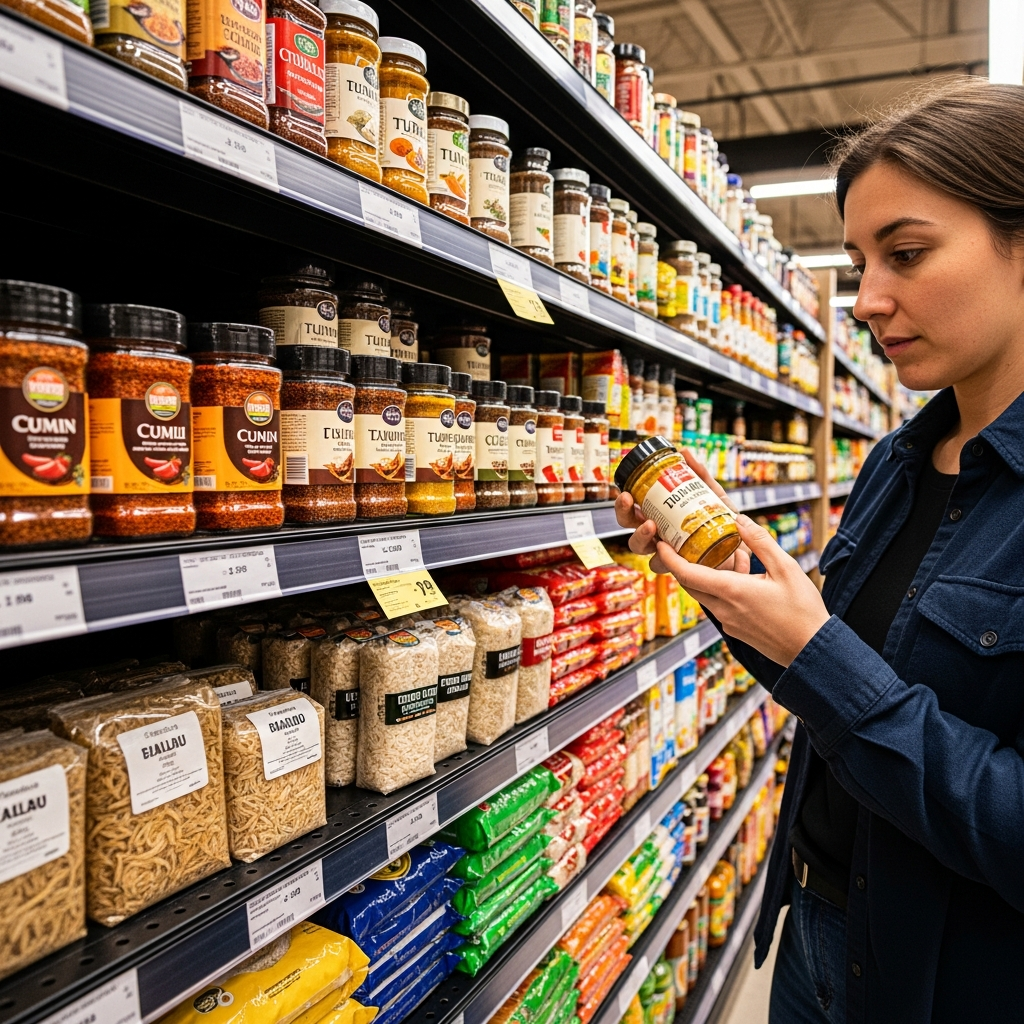
Ask ten Naperville cooks where they find the most exciting global flavors and you’ll hear passionate answers, each tied to the stores they trust for essentials and surprises alike. That’s part of the fun here: our city’s grocery scene celebrates the many cuisines that make up our community, and with a little local insight you can outfit your pantry for anything from a quick stir-fry to a celebratory feast. I always begin by assessing the strength of a store’s core aisles; if the grocery department is well organized and thoughtful, chances are good the international selection will be, too.
What makes a store the “best” for international foods isn’t a single aisle—it’s a mindset. Look for shelves that tell a story: rice varieties grouped so you can compare grain length and aroma, noodles from different traditions lined up so you can navigate textures, and spice sections that range from familiar blends to single-origin jars for serious cooks. I love when I see multiple formats of staple items—whole spices and pre-ground, big bags of basmati or jasmine next to smaller trial sizes. That balance helps both new explorers and experienced home chefs find exactly what they need.
Spices are the heartbeat of global cooking, and a stellar selection is a telltale sign you’ve found your spot. In Naperville, I watch for freshness cues: bright colors in paprika and turmeric, aromatic wafts from cumin and coriander, and turnover that suggests frequent restocking. It’s a bonus when stores carry spice pastes and condiments—gochujang, harissa, green curry paste—that open doors to weeknight international meals with minimal prep. A spoonful of the right paste can transform a pot of vegetables and broth into a bowl that tastes like you worked all afternoon.
Rice and grains deserve their own conversation. For Indian and Pakistani cooking, a reliable basmati with long, separate grains is essential. For East Asian dishes, jasmine rice brings the floral note that binds a meal together. Short-grain rice for sushi, glutinous rice for certain desserts, and specialty rices like red or black varieties all have a place in a well-stocked pantry. When a store groups these clearly and provides package details in readable spots, it signals the kind of care that makes shopping both educational and efficient.
Noodles add speed to any weeknight plan. I keep udon, soba, and rice vermicelli at home because they pair with whatever vegetables are in the crisper. If I spot fresh noodles in a refrigerated case alongside tofu, greens, and prepped aromatics like scallions and ginger, I know the store is thinking about how customers actually cook at home. That kind of merchandising makes it simple to turn a global idea into dinner, no matter how busy the day has been.
Condiments are the bridge between pantry and plate. Soy sauces with different aging profiles, vinegars from rice to black to malt, and oils like sesame and chili bring nuance. Then there are the big-flavor jars—sambal oelek, doubanjiang, ajvar, chimichurri—that can pivot a dish in seconds. I make a point of trying one new condiment every couple of weeks, building a repertoire that supports everything from a quick marinade to a luxuriant dipping sauce for dumplings.
International frozen sections are hidden gems. Dumplings, parathas, filled breads, arepas, and tamales are dinner-savers when time is short. If a store stocks varieties across regions and clearly labels them, I can build a freezer that functions like a back-up plan for any craving. I’ll often pair a frozen main with fresh produce and herbs, which keeps meals lively and allows me to customize spice levels for everyone at the table.
For cooks who observe dietary practices—vegetarian, vegan, halal, kosher—Naperville stores increasingly mark products so you can shop confidently. Clear labels and dedicated sections prevent scavenger hunts and make it simpler to respect traditions at home. Staff who know their inventory well are invaluable; a quick chat can reveal the best brand of tahini for smooth hummus or which soy sauces are wheat-free if you’re cooking for someone who avoids gluten.
One of my favorite rituals is building a small tasting flight at home. I’ll pick a few snack items—Japanese rice crackers, Middle Eastern date cookies, South Asian savory mixes—and plate them for an easy evening spread. Snacks are a low-commitment way to explore new flavors and discover what your family loves. Over time, the standouts become part of your shopping routine, and you’ll always have something interesting to set out for guests.
Fresh herbs and aromatics separate good from great in international cooking. Stores that keep cilantro, mint, Thai basil, curry leaves, lemongrass, and scallions vibrant are doing the quiet work that helps home cooks succeed. I buy smaller amounts frequently so they stay at their best; nothing lifts a dish faster than a handful of fresh herbs or a quick chop of ginger and garlic sizzling in the pan.
For Mediterranean-inspired meals, I look for a breadth of olives and cheeses, not just a token choice. Briny, buttery, and herb-marinated olives each have a place, and cheeses from feta to halloumi to labneh-like spreads can turn simple produce into a satisfying meze-style dinner. In Latin-inspired cooking, good masa harina for tortillas, a range of dried chilies, and quality beans—both dried and canned—open countless options for soups, stews, and tacos with real character.
East Asian sections reveal their depth with miso varieties, dashi components, seaweeds, and pickled vegetables. South Asian aisles show their range when you see multiple types of dal, spice blends for regional dishes, and shelf-stable breads to pair with curries. Middle Eastern shelves should have tahini, pomegranate molasses, sumac, and za’atar as table stakes, along with tinned fish and grains like bulgur and freekeh. When all these pieces are present and clearly arranged, a store becomes your culinary passport.
If you’re just starting to explore, pick a single cuisine and learn three recipes—one quick weeknight dish, one weekend simmer, and one snack. Stock the core items for those recipes, and you’ll soon notice that ingredients overlap across dishes. That’s the moment when your pantry begins to build itself, and later, when you wander an aisle that you once found unfamiliar, it will feel like friendly territory.
Midweek is the best time to browse new arrivals. Stores often feature them at eye level near busy paths in the heart of the grocery department, where you’re likely to pause. I make a list but keep it flexible, leaving room to grab a noodle I haven’t tried or a spice blend that promises a different take on a favorite soup. Flexibility keeps shopping fun and ensures you keep learning even as your pantry becomes well stocked.
Cooking globally in a Naperville kitchen is ultimately about joy. It’s the moment your child discovers they love a perfectly pan-fried dumpling, or a friend raves about a stew fragrant with cinnamon and clove, or you realize that a squeeze of lime transformed an ordinary salad. When your local store supports those moments with a thoughtful selection, clear labels, and helpful staff, you’ve found your “best.” The store becomes more than a stop; it becomes a partner in how you celebrate everyday life at the table.
FAQ: How do I choose a store for international ingredients if I’m new to global cooking?
Look for breadth and clarity: multiple rices and noodles, a deep spice section, and helpful signage. Friendly staff and tidy, well-labeled shelves suggest you’ll find what you need without guesswork, and you’ll be able to expand your cooking as your confidence grows.
FAQ: What are a few pantry items that unlock many global dishes?
Keep a neutral oil and sesame oil, a good soy sauce or tamari, rice vinegar, cumin, smoked paprika, chili flakes, coconut milk, and a couple of curry or chili pastes. Pair them with rice or noodles, and you can turn almost any vegetable and protein combination into a flavorful meal.
FAQ: How can I manage spice heat for different preferences at home?
Cook with moderate heat and keep condiments like chili crisp, harissa, or hot sauces on the table so diners can customize. Balance heat with acid and fat—lime juice, yogurt, or tahini sauce—and remember that fresh herbs cool and brighten a dish instantly.
FAQ: Any tips for keeping international staples fresh?
Store spices in airtight containers away from light and heat, keep rice well sealed, and refrigerate opened condiments. Buy herbs in small amounts, and freeze ginger or chilies in pieces so you can grate or slice from frozen as needed.
FAQ: How do I explore without overbuying?
Choose one cuisine to focus on each month, pick three recipes, and build a small list of core ingredients. Add just one curiosity item per trip, and take notes on what you loved. Over time, your pantry will be diverse yet tailored to how you cook.
Ready to stock up for your next global feast? Start where selection and organization meet: the store’s grocery department. With a smart list and an open mind, you’ll discover how Naperville’s shelves can take you everywhere—without leaving your kitchen.