In Naperville, choosing organic groceries has become less of a niche preference and more of a natural extension of how many of us like to eat and live. Walk into a well-run store here and you’ll feel it in the first few steps: heaps of seasonal produce, clearly labeled sections for pantry staples, and a sense that the journey from farm to cart matters. When friends ask where to begin, I tell them to start with the department that anchors every shop—the grocery department—and branch outward, using the store’s layout to guide their decisions from fresh vegetables to bulk grains, snacks, and everything in between.
What sets Naperville apart is the way local stores balance variety with curation. You’ll find certified organic produce front and center, but just as important are the organic pantry goods that make weeknight cooking realistic: broths, beans, tomatoes, and a rotation of whole grains that cycle with the seasons. In fall and winter, I lean into lentils, farro, and steel-cut oats; in spring and summer, I’ll pivot to quinoa and lighter rices that pair nicely with crisp greens and grilled vegetables. Having a dependable spread of organic basics makes meal planning easier and keeps you from chasing specialty shops for every component.
Labels can feel like a maze, so I use a simple approach. Look for the USDA Organic seal on produce and packaged items when that’s your priority, and then scan the ingredient list. Even within the organic set, shorter lists are usually a sign that you’re getting the core food without extras you don’t need. Naperville stores, in my experience, do a commendable job of separating organic and conventional sections so you can shop with intention. If I’m on a tight schedule, I’ll head straight for the dedicated organic displays and fill most of my cart in one pass.
Organic dairy and alternatives are easy to find locally, and that’s a boon for families with varied preferences. I’ve seen stores expand their refrigerated cases for organic yogurts, kefir, and plant-based milks, often grouped so you can compare quickly. When I’m restocking, I pay attention to turnover—well-trafficked cases mean products stay fresh. It’s also worth chatting with staff; they can point out when certain lines arrive or which items are local or regional, which often correlates with peak freshness.
Meats and seafood require a different lens. If you’re prioritizing organic options, talk to the counter staff about sourcing and any third-party certifications they display. Transparency matters. I also like to build meals that mix plant-forward proteins—organic beans, tofu, tempeh—with smaller portions of animal proteins. This not only keeps variety on the plate, it also simplifies shopping when certain items are limited. In Naperville’s better stores, you’ll notice thoughtful signage and staff who understand the questions customers bring to these counters.
In the middle aisles, where so many of our staples live, organic choices shine. Cereal, granola, crackers, and snacks have expanded far beyond a few brands. I encourage people to try one new organic item each visit—maybe a different cracker for dips or a new sauce that turns a bowl of brown rice and vegetables into a satisfying dinner. I keep a short list of reliable pantry add-ons: a jarred tomato sauce with clean ingredients, an organic tahini for dressings, and a shelf-stable broth that can transform leftover vegetables into soup. Having those on hand helps me cook creatively without adding stress.
Naperville’s shoppers are also sustainability-minded, and stores reflect that. You’ll often see bulk bins for nuts, grains, and dried fruit; bring your containers or use the store’s bags and note the tare weight. Bulk shopping is one of the easiest ways to tailor your cart to your week, whether you’re testing a new recipe or restocking a household favorite. I’ve also noticed an uptick in reusable bag stations and clear signage about recycling points for plastic film or paper. It’s a small thing, but it signals a broader commitment to thoughtful consumption.
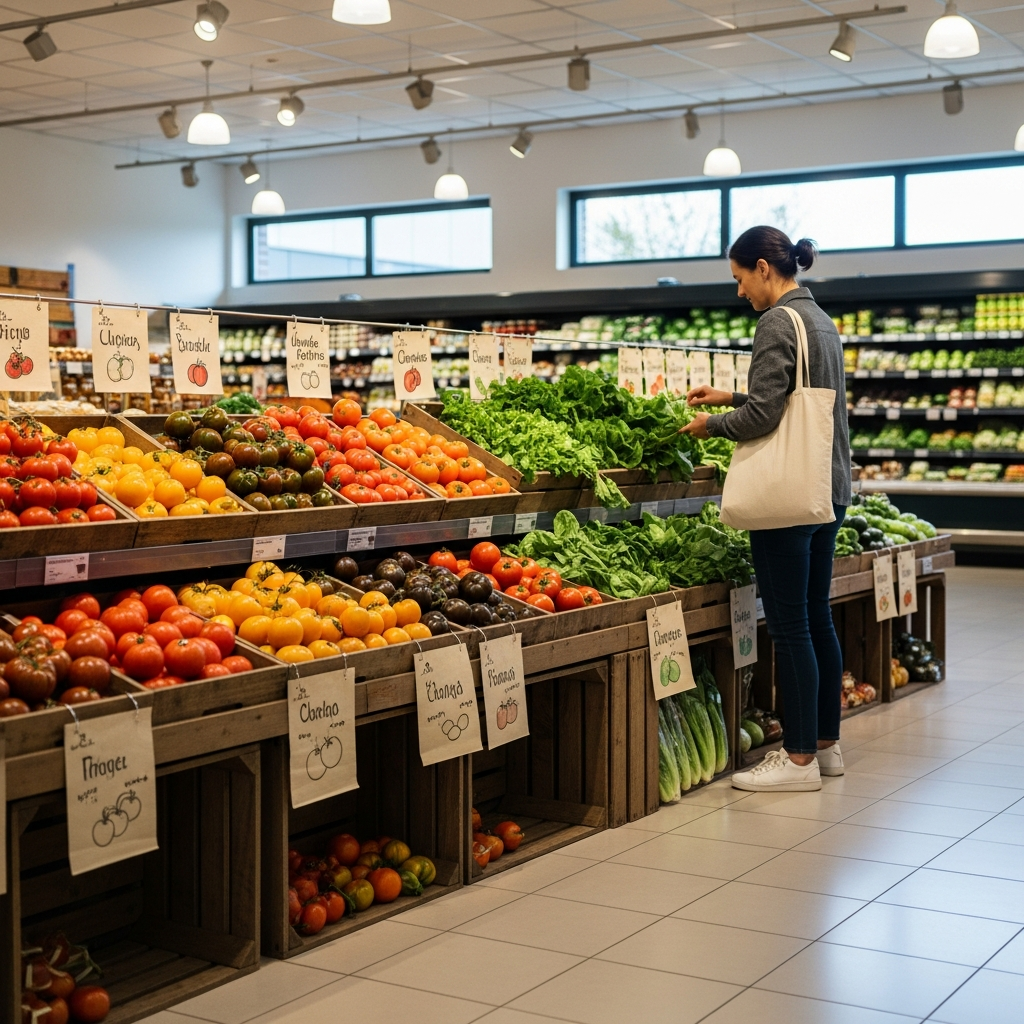
Seasonality is the quiet superpower of organic shopping. In late summer, Naperville’s produce sections overflow with tomatoes that deserve to be the center of the plate, along with peppers, zucchini, and stone fruit. In the colder months, I lean into cabbage, squash, carrots, and beets—vegetables that keep well and bring sweetness when roasted. Choosing what’s abundant not only supports efficient supply chains, it often means better flavor. If you’re new to cooking with what’s in season, pick two or three signature vegetables each week and build meals around them; over time, you’ll build a repertoire that follows the calendar naturally.
Parents often ask me how to make organic shopping practical for busy family life. I like to focus on anchors: organic milk or milk alternatives, eggs if you use them, greens for salads, and a couple of simple proteins. Next, add two or three snack items that everyone enjoys and that fit lunchboxes without fuss. When you start from these anchors, you can assemble breakfasts, lunches, and dinners without hunting through half the store. And when time is short, I grab a rotisserie option or a premade main from a prepared case and round it out with organic salad greens and a loaf from the bakery.
For those who love to cook, Naperville’s organic selection makes experimentation easy. I keep a rotation of vinegars—apple cider, red wine, and rice—and good olive oil for dressings that wake up any bowl of greens. A sprinkle of quality sea salt and a squeeze of citrus transform even the simplest plate. Pair that with a few dried spices—cumin, smoked paprika, oregano—and you’ve got a foundation that keeps vegetables interesting. You don’t need to overhaul your pantry; add a handful of building blocks, and suddenly the organic produce you bring home becomes the star of your meals.
The middle of the week is my favorite time to wander aisles I might otherwise skip. That’s when I find small-batch sauces, organic salsas, and new snack lines that break up the routine. Stores often place these discoveries at endcaps or in curated displays near the heart of the grocery department. I’ll pick one to try that week and think about which dish it might elevate—maybe a drizzle over roasted vegetables or a quick marinade for tofu before it hits the skillet.
One practical tip for anyone toggling between organic and conventional items: decide where organic matters most to you and your household. Some people prioritize fruits and greens they eat raw, others focus on dairy or pantry staples they use daily. There’s no single right answer, and your choices may change with the seasons. What matters is having a plan that you can execute without second-guessing every label. Naperville stores do a good job of supporting that kind of intentional shopping with clear signs and well-stocked shelves.
Storage at home is part of the equation too. I wash leafy greens when I arrive, dry them thoroughly, and store them in breathable containers so they last into the week. Root vegetables go in a cool, dark spot; herbs stand in a glass with a bit of water in the fridge, loosely covered. Spending ten minutes resetting your fridge after a shop pays dividends; when good food is visible and ready, you’ll eat it first. That rhythm reduces waste and keeps dinner decisions easier on busy nights.
Community is the thread that runs through organic shopping in Naperville. You’ll overhear recipe swaps in the produce section, see familiar faces at the service counter, and watch stores build displays around local celebrations and sports schedules. I love that blend of neighborly energy and practical choice; it’s why a chore can feel like an errand you actually look forward to. When a clerk points me to a new arrival or tips me off to the best time to catch a fresh batch of greens, it reminds me that the best grocery experiences are built on relationships.
If you’re new to organic eating, start slowly. Swap one or two items each week, taste the difference, and notice how your routine shifts. Perhaps you’ll find that certain staples become nonnegotiable while others rotate based on what’s abundant and appetizing. Over time, you’ll develop a Naperville-specific route that balances convenience and principle, with a handful of stores that feel like partners in how you feed yourself and your family.
FAQ: How do I start buying organic without overcomplicating my routine?
Pick two categories that matter most—often produce and dairy or pantry staples—and commit to those first. Shop the clearly labeled sections, learn which store has the most reliable selection, and add one new organic item each week. After a month, reassess and expand where it feels natural.
FAQ: Are there good options for organic snacks and lunchbox items?
Yes. Naperville stores stock a wide range of organic crackers, granola bars, yogurts, and fruit pouches. I like to rotate a few to keep things interesting while maintaining a core set that everyone consistently enjoys, which streamlines packing lunches and after-school snacks.
FAQ: How can I make organic produce last longer?
Dry greens thoroughly before storing, keep herbs like a bouquet in the fridge, and separate ethylene-producing fruits from delicate vegetables. A quick refrigerator reset after shopping—washing, trimming, and visible placement—helps you use produce at its peak.
FAQ: What about organic meat and seafood?
Ask the counter about sourcing and certifications, and plan meals that mix plant-forward proteins with smaller portions of animal proteins. This keeps variety high, shopping simpler, and dinners satisfying even when supply fluctuates.
FAQ: Is bulk shopping a good fit for organic groceries?
It can be. Bulk bins are perfect for testing new grains, nuts, or dried fruit and for refilling staples without extra packaging. Bring containers if you like, and buy in amounts that match your recipes to minimize waste and maintain freshness.
When you’re ready to bring organic eating into your daily rhythm, choose the store that supports your goals and head straight to the grocery department. From there, let seasonal produce lead, rely on a few trustworthy pantry anchors, and enjoy how Naperville’s thoughtful selection makes eating well feel welcoming and doable.