
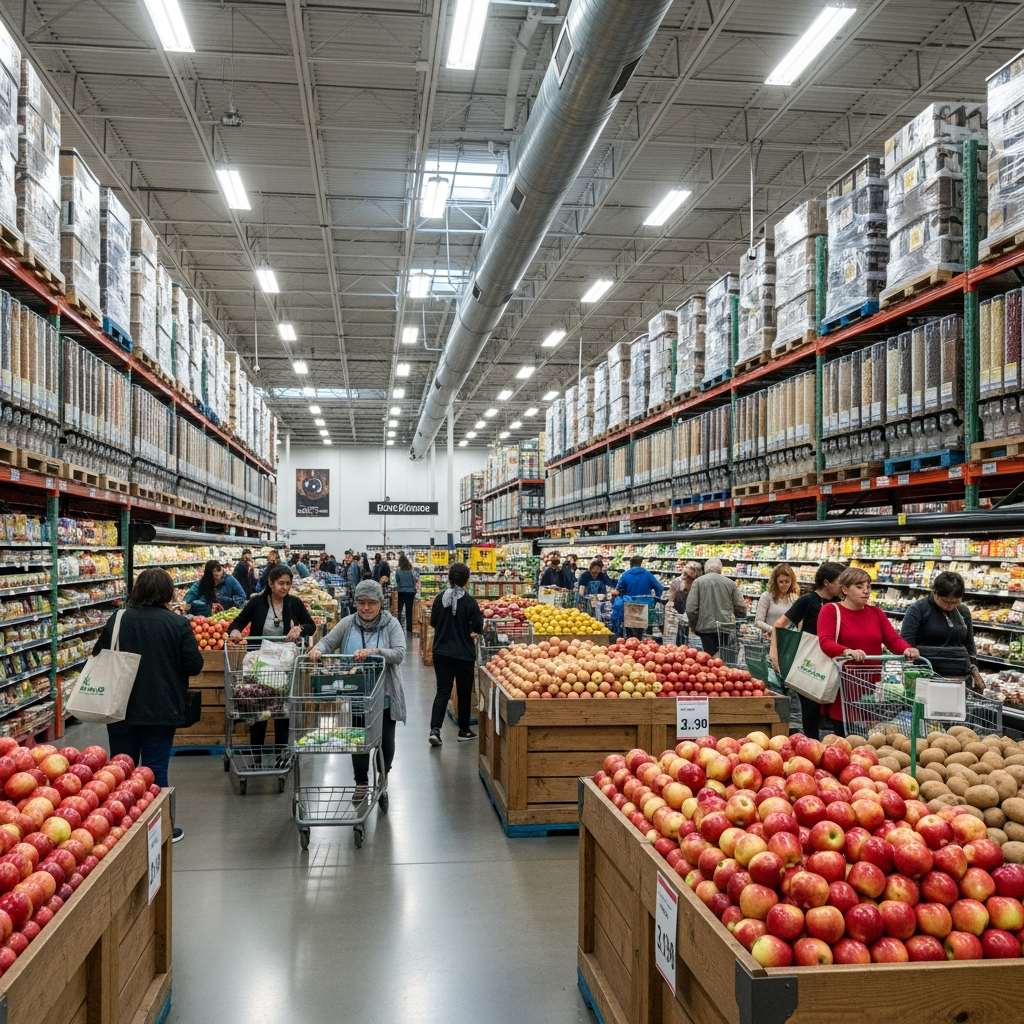
Shopping a wholesale supermarket in Naperville is as much about strategy as it is about size. Bulk options can simplify busy family weeks, stock a home freezer for changing seasons, and make neighborhood gatherings feel effortless. The secret is matching the abundance of a warehouse-style experience with the details of everyday life: where you will store that second carton, how fast your household moves through greens, which pantry staples actually belong in a case, and how to plan meals so quality holds from first serving to last. As a local who has navigated bulk aisles from Ogden Avenue to 95th Street, I have learned that success begins with a list, a clean trunk, and a glance at timely weekly deals that often point to the freshest, most practical buys to build around.
The beauty of bulk is predictability. When your calendar tightens—late practices, visiting grandparents, impromptu potlucks—you have ingredients on hand that stretch and flex. But bulk also tests your judgment. A great wholesale trip is one where produce remains vibrant through the week, breads freeze and thaw without losing soul, and pantry goods are used before they drift to the back and gather dust. The right Naperville store helps by maintaining strong rotation, moving heavy cases with care, and training teams to answer quick questions like whether the latest shipment of grapefruit is especially juicy or if those green beans prefer a trim and quick blanch before storing.
Choosing the right bulk items for your household
Not everything belongs in a case. Start with staples you know you use at a steady clip—oats, rice, canned tomatoes, broths, and baking basics. For perishable items, think in stages. Greens and berries shine early in the week, while apples, cabbage, and carrots can anchor meals a few days later. For bread, consider buying two loaves: one for now and one to slice and freeze. If you love yogurt, large tubs paired with reusable containers for lunchboxes balance economy with freshness.
Produce in bulk should be judged by both price per unit and the store’s ability to keep it in top shape. Look for shallow bins for delicate fruit, sturdy crates for citrus, and active restocking that suggests steady turnover. Ask a team member when a pallet hit the floor; a recent arrival gives you more days of peak flavor at home.
Planning storage before you shop
Bulk savings disappear if food spoils. Before heading to a wholesale supermarket, clear fridge space, organize your pantry, and label containers. A shelf reserved for this week’s produce prevents delicate items from being buried. Freezer bags or reusable containers help you portion meats and breads. A simple system—date on top, item on the side—makes it easy to see what to use first. If you share a household, text a quick list of what is coming in so everyone understands the plan and avoids duplicate buys elsewhere.
Naperville’s seasons affect storage, too. Summer heat rewards a cooler and a couple of ice packs in the car so your cold chain stays intact on the drive home. Winter invites you to stage non-perishables in the garage while you triage fridge items inside. The aim is to protect texture and taste during that critical hour between checkout and shelf.
Building meals around bulk produce
Wholesale markets can flood your kitchen with ingredients begging to be used. Turn that flood into a friendly stream by mapping a few anchor meals. A sheet pan roast of mixed vegetables handles variation within a case of peppers or a big bag of onions. A pot of beans, a tray of baked sweet potatoes, and a bright slaw carry lunches for days. If your cart includes a hefty box of greens, plan two quick dinners that use them generously—pasta tossed with garlic and spinach, or grain bowls heaped with kale, lemon, and olive oil.
Think about ripeness. With a case of avocados, take a moment to sort by feel—ripe today, ripening tomorrow, and firmer for day three. Store accordingly, shifting ripening ones to the fridge as they hit your sweet spot. Handle tomatoes similarly, letting them reach flavor on the counter, then chilling briefly to hold. A wholesale purchase succeeds when the last item tastes as good as the first.
Sharing and splitting: bulk buying as a team sport
One of the best tactics in Naperville is to split cases with a neighbor or a friend. It preserves savings while preventing waste. Coordinate before you shop or meet in the parking lot to divide a flat of berries or a sack of onions. If you are hosting together—a block party on Brookdale Road, a school event off 87th—assign categories so each household handles a piece of the abundance. Many wholesale-minded stores will help you split at the register, providing extra boxes and a quick hand with re-packing.
When splitting produce, keep handling gentle and storage tools ready. Bring a spare cooler in the trunk and a stack of reusable bags or containers. Label your halves on the spot. The smoother the handoff, the more likely everything arrives home in peak condition.
Navigating the wholesale floor like a pro
Warehouse layouts can feel daunting, but there is a rhythm. Start with the coldest sections first—produce, dairy—then move to shelf-stable. This keeps delicate items at the right temperature as long as possible. Pass the sample stations after you finish gathering chilled goods; a short line is easier to navigate without melting ice cream in the cart. Ask for help with heavy cases rather than stacking them on fragile produce; staff are trained to manage weight properly.
Take a quick moment to compare sizes. A twin-pack of broth might suit a smaller household better than a case, and a mixed variety box of fruit sometimes protects against flavor fatigue. When you see a featured display near the entrance, treat it as a suggestion, not a command; the best buys for your week may be in the quieter corners where turnover is steady and quality speaks for itself.
Reading cues: turnover, rotation, and freshness
In bulk environments, freshness depends on both volume and vigilance. Look at the bottoms of berry flats for staining, watch for misting schedules that keep greens perky without soaking them, and notice whether staff are culling tired items in real time. A team that trims kale stems, removes soft potatoes promptly, and keeps herb tubs refreshed is a team you can trust with a case of anything.
Ask about delivery frequency. Many wholesale-style stores in Naperville receive multiple trucks a week, sometimes daily for high-demand items. When you know the schedule, you can plan a trip to coincide with newly arrived produce and a full complement of staff, making it easier to ask for a partial case or a ripeness check.
Bulk meats, bakery, and beyond
While produce often anchors a wholesale run, the bakery and protein sections round it out. Look for breads with clear bake dates and simple ingredients, then slice and freeze what you cannot finish within two days. For meats, portion at home the hour you return, labeling each packet for the meal it supports. Pair with the produce you bought in quantity—peppers and onions for fajitas, carrots and celery for soups, cabbage for quick sautés that make a pound of protein feed more people well.
Pantry items deserve the same care. A case of tomatoes or beans turns into a dozen dinners when you plan. Keep a small notebook or a note on your phone with a running list of ideas. The satisfaction of checking off meals built from a well-chosen case will keep you confident to repeat the strategy.
Middle-of-the-month refresh and timing
In Naperville, midweek and mid-month trips can be golden. Crowds thin, staff have time to help, and displays tend to be freshly built. Use featured promotions and current weekly deals as clues to what is moving fastest and tasting best. If a store is showcasing a mountain of citrus in January, it is often more than marketing; it is timing that aligns perfectly with flavor. Lean into it, then build the rest of your meals around that star.
When shopping late in the day, watch for a second restock wave. A team wheeling out fresh greens or topping off apples at 5 p.m. signals that you can grab dinner ingredients without compromising quality. If you do not see that activity, steer your cart toward sturdier produce for now and plan a return for delicate items.
Keeping quality alive at home
Bulk success ends where home habits begin. Stage your kitchen for a quick unload: a clean sink for rinsing, towels for drying greens, containers lined up for portioning. Move through perishables first, then pantry and freezer. Label everything with dates and a short note—“taco night peppers,” “lunchbox grapes”—so the plan translates to easy weeknights. If your household loves snacks, pre-portion fruit into grab-friendly containers that live at eye level in the fridge.
Protect the last servings as carefully as the first. For lettuce, refresh tired leaves with a cold-water soak, then spin dry. For herbs, trim stems and change water like you would for flowers. For bread, thaw slices at room temperature or toast lightly; avoid microwaving, which toughens the crumb. These small rituals extend pleasure across the entire bulk buy.
FAQ: Wholesale supermarkets and bulk buying in Naperville
How do I know if a bulk produce purchase is a good fit? Ask yourself whether you can use the quantity within a week for delicate items and two to three weeks for sturdier produce. Consider who will eat it, how it fits into your meal plan, and whether you have storage space. A case is worth it when you have a clear path from cart to plate.
What are the best days to shop wholesale in Naperville? Midweek mornings often balance fresh deliveries with lighter crowds. Some stores add a late-afternoon restock; if you see staff topping off displays then, you can safely shop after work. Ask about delivery schedules so you can time delicate purchases like berries to land right after a truck arrives.
How should I store bulk greens and herbs? Wash and dry greens thoroughly, then store in breathable containers with a towel to wick moisture. Keep herbs like parsley and cilantro in a jar with a splash of water and a loose cover, changing the water every day or two. Avoid cramming drawers; airflow preserves texture and flavor.
Can I split a case with a friend at the store? Many stores are happy to help. Ask at the register or the service desk for extra boxes and a space to divide items. Plan ahead by bringing labels or containers, and agree on the split before you shop to make checkout smooth for everyone.
What bulk items keep quality the longest? Sturdy produce like apples, cabbage, carrots, onions, potatoes, and citrus hold well with proper storage. Pantry staples—grains, beans, tomatoes—are easy wins if you cook from them regularly. Delicate items like berries and tender greens are best when you plan to eat them in the first few days or share the load.
How do I prevent waste when buying in bulk? Build meals around your largest purchases first, prep a few items immediately, and label everything with dates. Share with neighbors when you overbuy, and turn lightly tired produce into cooked dishes—soups, sautés, or roasted sides—where texture matters less.
Is buying meat in bulk practical? It can be if you portion and freeze right away. Choose cuts you use often, divide into meal-ready packs, and label with both date and intended recipe. Pair with the produce you bought in quantity to keep meal planning simple.
What should I do the hour I return from a wholesale trip? Triage. Chill perishables, rinse and dry greens, portion meats, and stage pantry items where you can see them. A single focused hour locks in freshness and turns abundance into an organized week rather than a chaotic fridge.
When you are ready to turn wholesale abundance into weeknight ease, sketch a plan, clear some space, and head out with purpose. For a quick read on what ingredients are shining right now, scan current weekly deals, then let Naperville’s bulk-friendly aisles power your most satisfying meals of the season.