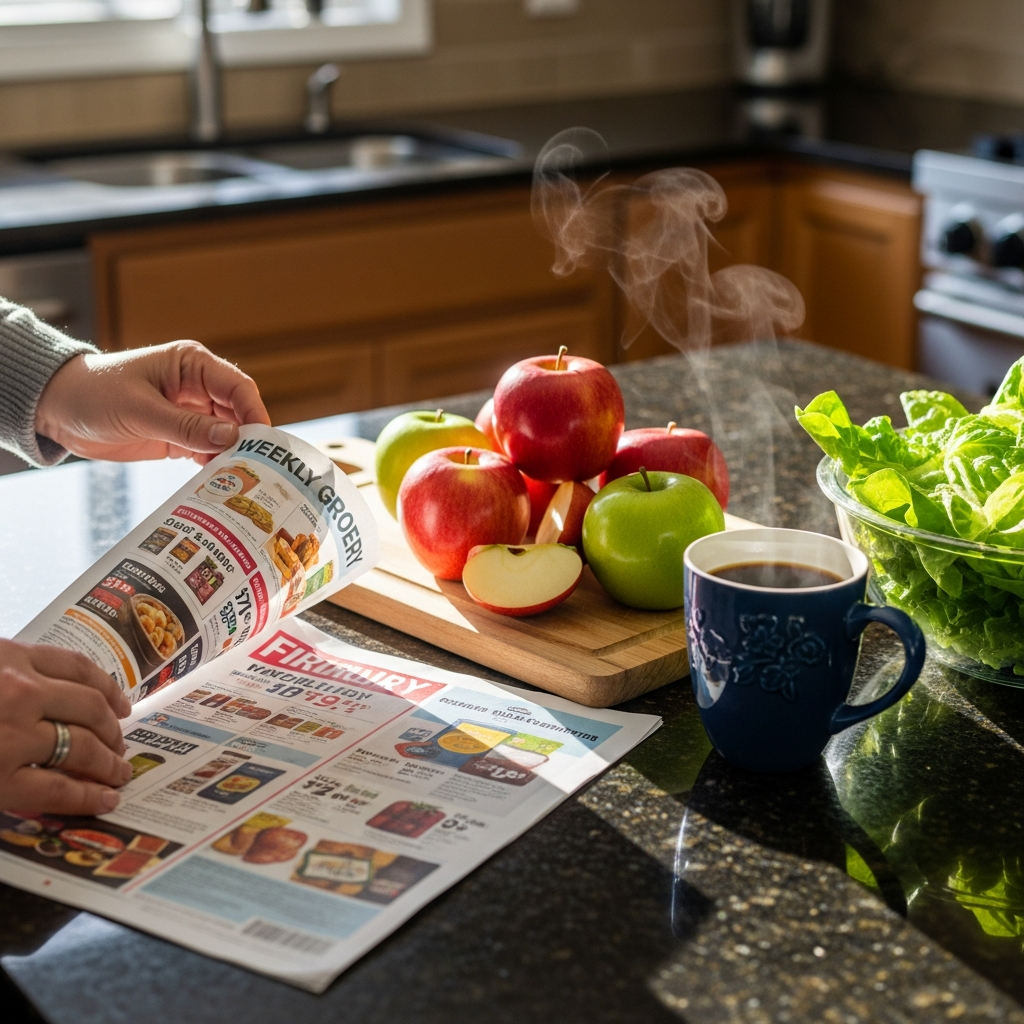
In Naperville, the smartest grocery trips start before you grab the keys. They start at your kitchen table, coffee nearby, skimming the day’s promotions and the week’s highlights so your cart reflects what is tastiest and most abundant now. Supermarket deals today and weekly ads are more than a path to savings; they are a map to flavor. When you learn to read them like a local—matching store cycles with the Midwest growing season and your household’s rhythm—you turn simple errands into wins for both palate and pantry. And yes, a quick glance at updated weekly deals can tip you off to which fruits and vegetables are peaking, which pantry staples belong in your basket, and which items make a dinner plan fall into place without effort.
Naperville has a unique tempo. Families head from the Riverwalk to soccer fields, schedules gather steam midweek, and weekends fill with gatherings that ask for quick, confident shopping. Deals and ads sit right in that current, signaling when berries just landed, when sweet corn is in tidal supply, or when hearty winter citrus deserves center stage. The trick is not merely to chase a discount but to follow the clues about freshness, turnover, and timing. An item featured prominently is usually well-stocked; a produce display near the entrance is often aligned with top flavor that day.
How to read a weekly ad like a local
A great ad tells a story. The front page introduces stars—seasonal produce, bakery highlights, and a few pantry anchors. Inside pages expand the theme with supporting players: herbs, grains, and simple sauces that help those headliners become meals. In Naperville, ads often reflect delivery rhythms, so a midweek start can coincide with new shipments that make delicate greens and berries especially worthwhile. If you see a cluster of similar items featured—multiple apple varieties, a trio of lettuces—it signals a window of abundance rather than a one-off bargain.
The phrasing in ads matters. Words like “freshly picked,” “new crop,” or “in season” are more than marketing. They imply a flow of product that allows stores to be choosy. Use those cues to sketch your menu, then confirm in person by touching, smelling, and asking a quick question at the produce table. A staff member who lights up when you mention a featured item is telling you everything you need to know.
Daily deals vs. weekly rhythm
Daily promotions reward the nimble shopper—those with an open evening or a flexible lunch hour. Weekly ads favor planners who can design a handful of meals around a few excellent ingredients. The sweet spot is blending both. If tomatoes are today’s hero and basil is part of an ongoing promotion, that is pasta night. If berries are the day’s headliner, add yogurt or granola from the weekly ad and call breakfast handled.
Because Naperville’s stores often schedule restocking to match ad cycles, freshness can be at its best in the first half of a promotion window. That said, many markets build a second wave midweek, ensuring the Thursday crowd gets the same quality as Monday’s early birds. The most successful shoppers learn their store’s cadence and time visits accordingly.
Seasonality and the Midwest palate
Deals are most powerful when you see them through the lens of season. Late spring and early summer deserves tender greens and the first strawberries that smell like sunshine. July and August revolve around tomatoes, cucumbers, and sweet corn so fresh you can taste the field. Fall leans into apples, squash, and beets—ingredients that welcome roasting and carry beautifully into lunches. Winter finds brightness in citrus and root vegetables with staying power. Weekly ads mirror this arc, and when you read them for flavor cues, you plan meals that cook themselves.
Consider how weather influences promotions, too. A rainy week might highlight comforting pantry items or a sudden glut of mushrooms; a cold snap favors hearty greens and citrus. Naperville shoppers who connect these dots waste less food and enjoy more satisfying meals because the timing is on their side.
Turning ads into a practical meal plan
Start with the produce that headlines the week’s ad, then fill in with pantry and dairy that support it. If lettuce and cucumbers look especially tempting, plan two salad nights and buy once. If apples are in the spotlight, think snacks, baking, and a savory slaw. Keep dinner templates handy—roast-and-toss, soup-and-salad, pasta-plus-vegetable—so you can plug ad stars into familiar frameworks. A plan built from ads feels abundant but focused, using every ingredient at its peak rather than pushing it to a slow decline in the crisper.
One more Naperville-specific tip: shop when staff can help. Mid-morning on weekdays often secures not just fresher displays but also the chance to ask whether a promoted item just arrived. A quick chat can confirm that an eye-catching bin is as good as it looks, or steer you to a backroom case that will be on the floor within the hour.
Store signals beyond the paper
Weekly ads are the starting line, not the finish. In-store signage, case placement, and the energy of the produce team are equally telling. A misting schedule that keeps greens dewy but not drenched, culling that happens in real time, and shallow bins for fragile fruits—all of these say the team expects high volume and plans to keep quality sharp. When you see a store sampling a featured item, take a taste; it means they believe in it.
Digital updates have become part of the experience as well. Look for quick app notes or chalkboard callouts that announce a fresh delivery or a sudden abundance. Pair those with the week’s promotions and you have a live map of what is most delicious now.
Stocking the pantry the smart way
Use the ad to restock high-frequency pantry items while your mind is on meals. Tomato products, broths, beans, and grains turn promoted produce into easy dinners. Choose sizes that match your cooking style; a twin-pack can be smarter than a case for smaller households. Keep a running note on your phone with staples you are low on so the week’s deals can fill gaps efficiently without a second trip.
Watch for honest labels on center-aisle items. The best stores in Naperville make clean-ingredient products easy to find and often feature them within the weekly rhythm. Short ingredient lists usually translate to better flavor, and your meals will show it.
Freshness first: how ads reflect quality
It is tempting to think of weekly ads as purely promotional, but in well-run stores they are also a promise of availability and care. Featuring berries means the team is prepared to sort cartons and cull aggressively; highlighting lettuces suggests a confident misting schedule and quick turnover. When you choose ad stars, you capitalize on that readiness. Your fridge ends up with ingredients that staff will touch and tend to all week, because the store expects them to move quickly.
Ask questions as you shop. A clerk who can tell you when the next shipment lands, which bin hides the sweetest mandarins, or how to keep herbs perky demonstrates a culture where deals are backed by knowledge. That is as important as any graphic in the ad.
The midweek edge and neighborhood rhythms
For many of us, the midweek window is best. Crowds thin, the second wave of restocking often hits, and staff have bandwidth to share quick suggestions. If an ad launched on Wednesday, consider shopping Thursday morning; if the ad turns over on Sunday, aim for Monday mid-morning. These patterns are not rules, but they align with the way Naperville stores move goods from truck to table.
Neighborhoods matter, too. Downtown foot traffic creates different turnover than southside shopping centers. If your store serves many lunch-hour customers, produce might be at its best by early afternoon. If it leans into family dinner runs, a 5 p.m. refresh can be your sweet spot. Learn the local cadence once, and you will ride it all year.
Ad stars that cook themselves
Some promoted items are meal-makers. When you spot cherry tomatoes and basil in the same ad, add mozzarella and you are set. When apples and hearty greens share the page, think salad with toasted seeds. When squash and citrus appear together, plan a roasted side brightened with zest and juice. The point is not to memorize recipes, but to see patterns; ads quietly pair ingredients that play well together because stores want you to succeed.
If you prefer light prep, look for ready-to-eat helpers tucked near promoted produce. A ripe melon the staff will cut on request, pre-trimmed vegetables for roasting, herbs bundled tidily—all lean into the week’s theme while trimming your time at the cutting board.
FAQ: Making the most of supermarket deals and weekly ads
When do weekly ads usually update? Many Naperville stores refresh midweek, though some turn over on the weekend. The first day of a new ad can bring the best of a fresh shipment, and a mid-ad restock often revitalizes delicate items. Ask your store about their cycle so you can plan your visit when quality peaks.
How do I tell if a promoted produce item is truly fresh? Trust your senses and the store’s behavior. Look for vibrant color, pleasant fragrance, and firm but not hard texture where appropriate. Watch for frequent culling and tidy displays. If staff are sampling or spotlighting an item near the entrance, it is a strong sign it tastes as good as it looks.
Should I chase every deal? No. Build your meals around two or three headliners from the ad, then let pantry staples fill the rest. Overbuying leads to waste and dulls the joy of cooking. A focused cart built from what is shining now will serve you better than a scattershot approach.
How can I use ads to plan healthier meals? Let seasonality drive your choices. Ads generally celebrate what is naturally abundant, which often coincides with produce at its best. Choose a colorful range, keep ingredients simple, and anchor meals with vegetables and fruits. Store teams can suggest easy pairings that make a promoted item the star of your plate.
What if an ad item is out when I arrive? Ask when the next delivery lands or whether there is a comparable alternative in stock. Stores expect a surge on featured products and plan frequent replenishment. A clerk can often pull a case from the back or steer you to a similar variety with equal flavor.
How do I avoid food waste when shopping deals? Buy with a plan. Eat delicate items first, cook what softens into soups or roasts, and store thoughtfully. Label produce drawers with days of the week if it helps. The best deal is the one you enjoy fully, not the one that lingers untouched.
Can weekly ads help with entertaining? Absolutely. Use the ad to assemble a themed spread—seasonal fruit platter, roasted vegetables with a simple dip, or a salad bar built from promoted greens and toppings. Ask staff to help you choose showpiece items that photograph beautifully and taste even better.
If you are ready to shop with confidence, start by scanning what is featured today, jot a quick plan, and head in when your store is freshly stocked. For a swift read on what is peaking now, glance at current weekly deals, then let Naperville’s best aisles turn those highlights into effortless meals all week.