When people in Naperville search “organic supermarket near me,” they are not just looking for a store—they are looking for a partner in how they want to live and eat. Clean eating, at its heart, is about clarity: clear labels, clear sourcing, and the clear flavors that come from food grown and handled with care. In our city, where the Riverwalk hums and neighborhood gardens come alive each spring, an organic-focused shop is an extension of that everyday mindfulness. The best place for you is one that not only stocks the staples, but also helps you understand what is in your basket. And while the journey starts with organics, it is often guided by simple signals like timely weekly deals that highlight what is freshest, in season, and especially worth your attention right now.
Clean eating is personal. For some neighbors, it is about reducing synthetic pesticide exposure and choosing organic strawberries or spinach when they are in peak supply. For others, it is about reading ingredients and skipping additives, even when the item is not labeled organic. Many of us land somewhere in the middle, using the store’s curation as a compass while staying open to beautiful produce, whether it is certified organic or a local greenhouse gem that is simply impeccable. A great organic supermarket in Naperville meets you exactly there—ready with knowledge but never preachy, generous with tastings, and quick with practical advice like how to store cilantro so it lasts, or which apples hold their snap for lunchboxes.
What organic means and why it matters
Organic certification focuses on how ingredients are grown and handled, emphasizing soil health, biodiversity, and the avoidance of most synthetic fertilizers and pesticides. In the produce aisle, that means fruit and vegetables raised under standards designed to protect ecological balance and reduce residues. Labels on packaged goods also tell a story, from “100% Organic” to “Made with Organic Ingredients,” and staff at the best stores can decode those nuances without making you feel like you have to pass a quiz.
What matters for taste is often freshness and handling as much as certification. Organic greens can be sublime if they are crisp, dry, and newly stocked. An organic avocado chosen with care sings when it meets lime and salt. The right store reminds you that organic is a pathway to better flavor, not just a badge on the tag.
Seasonal organics in the Midwest
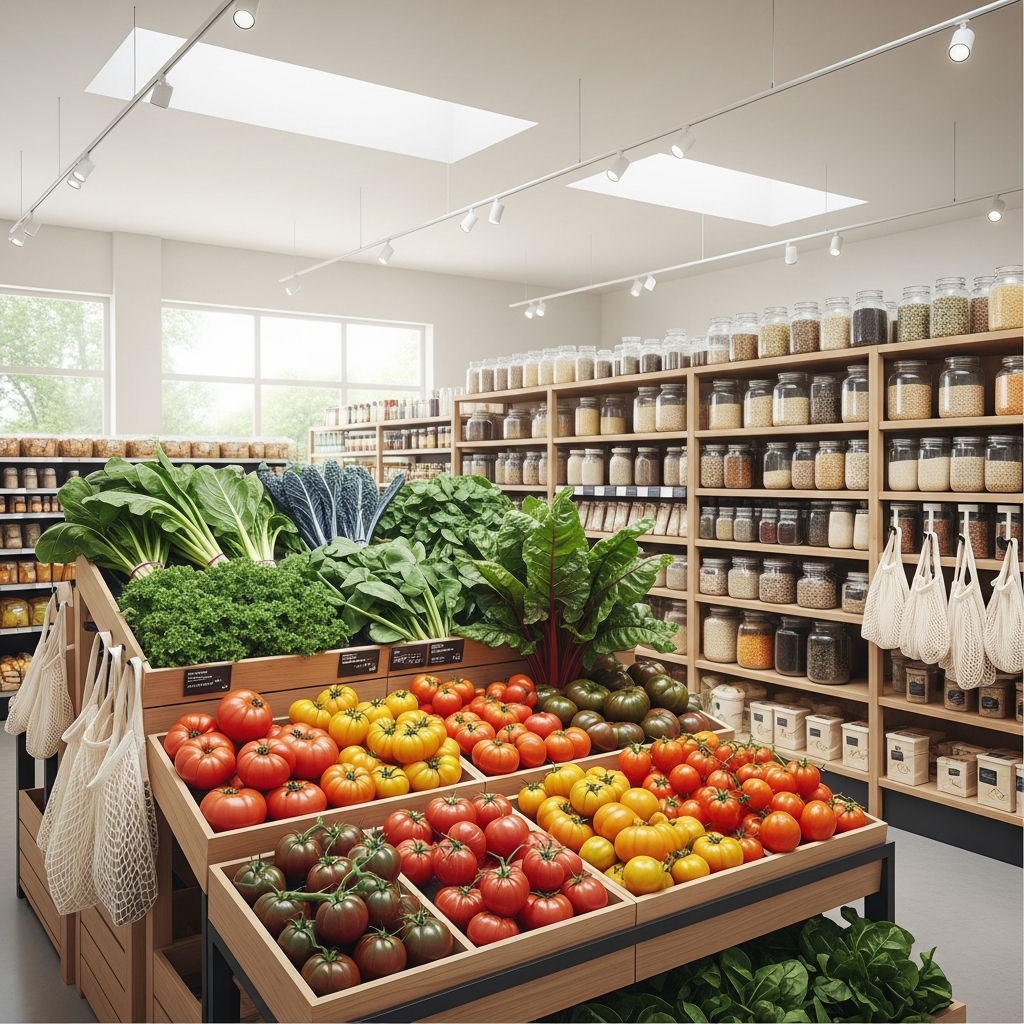
Our seasons shape what shines in Naperville. Spring brings tender spinach, baby lettuces, and herbs that perk up every meal after winter’s comfort dishes. Summer rewards patience with blushing tomatoes, cucumbers that snap, and berries that need little more than a rinse. Fall turns the palette to squash, apples, and hearty greens; winter leans on citrus, roots, and clever greenhouse growers who keep salads lively when the Fox Valley chills the air. An organic-forward supermarket will curate with these cycles in mind, guiding you toward the best choices rather than scattering organics without intention.
Watch for local and regional labels during peak months. You might see organic kale from Illinois farms or greenhouse-grown tomatoes from within a morning’s drive. The value is freshness and connection; the produce spends less time in transit and more time doing what it does best—being delicious.
Beyond produce: the clean-eating pantry
An organic supermarket’s center aisles should feel as honest as the produce. Look for short ingredient lists on staples like oats, nut butters, broth, and tomato products. Whole grains—quinoa, farro, brown rice—should be easy to find in both bagged and bulk formats, and labels should clearly note organic status where offered. Sauces and condiments deserve the same scrutiny; an organic marinara with tomatoes you can trace back to a region you trust tastes different, and you will notice. A helpful store groups these items thoughtfully, making it simple to build a week’s worth of meals that support your goals without wild detours for a single ingredient.
Dairy and alternatives get the same care. If you prefer grass-fed milk, organic yogurt, or plant-based milks without gums you do not want, ask which labels have the cleanest formulations. Eggs should be fresh with readable pack dates. A well-run organic-forward shop will be transparent about sourcing and refresh stock frequently so you are never guessing at age or origin.
Simple strategies to shop organics well
Start with a plan, but stay open to inspiration. In the produce aisle, pick a few anchors you know you will eat in the first two days—spring greens, berries, or ripe stone fruit—then balance the cart with sturdier options for later in the week like apples, cabbage, or squash. Ask what looks best today. A clerk who lights up at the mention of a specific variety is offering you reliable insider intel. Do not hesitate to request a ripe avocado for dinner tonight and a firmer one for the weekend; good stores will split the difference eagerly.
Use signage and promotions as quality signals rather than just savings alerts. When an organic item is featured in current weekly deals, it often reflects strong supply and top-tier flavor. Build two or three meals around that ingredient, then let pantry staples carry you the rest of the week. Your cart will feel abundant without bloat, and your fridge will thank you.
Clean labels and honest transparency
In an organic supermarket that values clean eating, transparency flows easily. Ingredient panels are readable, allergen information is clear, and shelf talkers share practical notes like “no added sugar” or “BPA-free lining” where relevant. When you ask about a brand’s sourcing, staff should provide straightforward answers or point you to someone who can. This culture of openness keeps your choices aligned with your values without turning every trip into a research project.
Look for house-made items that honor these same principles. A simple salsa with a few organic ingredients, a broth that tastes like roasted vegetables and herbs rather than a chemistry set, a bakery loaf fermented slowly and listed with just flour, water, salt, and yeast—these are signs you are in the right place. Clean eating should be delicious first and foremost, because that is what makes the habit stick.
Prepared foods that fit a clean lifestyle
When the plan slips or time runs tight, a store’s prepared foods can keep you aligned with your goals. Seek options made from whole ingredients, listed clearly, and refreshed frequently throughout the day. Grilled vegetables, simply dressed salads, roasted chicken with herbs, and grain bowls that let you add the protein you prefer—these give you a dinner that feels home-cooked without the scramble. Ask which items are made in-house and which are delivered pre-prepped; the answer helps you prioritize the freshest choices.
Do not overlook small touches that elevate a quick meal: a ripe organic avocado topped with salt and lemon, herbs snipped over a bowl, or citrus segments tossed into greens. These are easy add-ins that your store can help you choose at the right ripeness, turning convenience food into something you look forward to.
Community, education, and the organic mindset
What makes Naperville special is how readily we share food wisdom. The right organic supermarket treats education as hospitality rather than a chore. You might find a clerk explaining the difference between “USDA Organic” and a brand that sources from a regenerative farm working toward certification, or a simple tasting that highlights two apple varieties picked in the same week. A community board with recipes and storage tips is more than decoration; it keeps your groceries vibrant after you leave the store.
This mindset reduces waste. When you learn to store greens dry and crisp, to keep mushrooms in paper, and to move tomatoes to the counter, you eat more of what you buy and toss less. Clean eating is not only about what enters your basket; it is also about honoring the food once it is home.
Balancing organic with budget and practicality
Even the most committed organic shopper balances ideals with real life. One strategy is to prioritize organic for items you eat raw or delicate crops that tend to hold residues, then mix in pristine conventional options where the store’s quality truly excels. Another is to cook more from base ingredients—beans, grains, and vegetables—reserving packaged organic treats for moments when they will truly be savored. The aim is sustainability, not perfection; a routine you can live with beats a fleeting burst of enthusiasm.
Shop at times when staff can help you most. Mid-morning on weekdays often catches a fresh restock and gives you time to ask questions. Evenings can be excellent if your store schedules a second stocking wave. If you wonder whether a particular item just arrived, ask; a quick trip to the back or a glance at a manifest can save you from a limp bunch or an under-ripe melon.
The organic experience in practice
Imagine a week built around what your store does best right now. Monday, crisp organic butter lettuce with cucumbers and a bright dressing. Tuesday, a simple tomato-basil pasta capped with a cloud of grated cheese from a producer whose practices make you feel good. Wednesday, sheet-pan vegetables that turn sweet in the oven alongside herbs. Thursday, a grain bowl with roasted squash, dressed with lemon and tahini. Friday, a no-cook platter of berries, melon, and mint. It is not a strict plan; it is a sketch that celebrates the moment, flexing when an unexpected organic treasure catches your eye.
By Saturday, you might wander back in not because you must, but because the store feels like a friendly kitchen. The produce manager waves hello and points to pears that just arrived. You add a couple, knowing exactly how you will serve them. That is the organic supermarket experience at its best: a place where eating clean feels like an invitation, not a rule.
FAQ: Organic supermarkets and clean eating in Naperville
What does “USDA Organic” really guarantee? It indicates that the product meets federal standards for organic production, which emphasize soil health, biodiversity, and limits on synthetic pesticides and fertilizers. For packaged goods, it also covers how ingredients are processed. While certification does not measure flavor directly, stores that value organics often work with growers who harvest thoughtfully, so taste and texture tend to benefit.
Is everything in an organic supermarket certified organic? Not necessarily. Many stores blend certified items with thoughtfully sourced conventional or transitional products. Look for clear labeling so you can choose. If you wonder about a particular farm or brand, ask—good staff will explain what is organic, what is not, and why they carry it.
How can I prioritize organic without overcomplicating shopping? Focus on the items you eat raw or that are delicate, like salad greens, berries, and herbs. Build meals around a few in-season stars rather than chasing everything at once. When an organic item is abundant and featured in weekly deals, it is a smart time to lean in, as supply and flavor often peak together.
Do organic items taste better? Often, yes—especially when freshness is high. But taste also depends on variety, ripeness, and handling. A store that rotates stock diligently and helps you choose by feel and fragrance will elevate flavor whether the item is organic or not. Use staff guidance and your senses to find the best pick on any given day.
How do I store organic produce to make it last? Keep greens dry and cold, mushrooms in paper, herbs in a jar of water with a loose cover, and tomatoes on the counter until ripe. Move avocados to the fridge once they show a gentle give. Avoid cramming drawers; airflow preserves texture. If you are unsure, ask in-store—they will share storage tips specific to the item you are buying.
What if I am new to clean eating? Start small. Choose one or two organic swaps each week—maybe lettuce and milk—then expand to pantry staples and snacks you frequently enjoy. Keep your meals simple: a salad, a roasted vegetable tray, a grain bowl. As your routine settles, you will find a rhythm that feels easy and satisfying.
Can I rely on greenhouse-grown produce in winter? Yes, especially for tender greens and herbs. Greenhouse operations close to Naperville shorten travel time and preserve freshness. While winter cannot mimic July’s tomato magic, a good store balances greenhouse picks with robust seasonal options like citrus and roots to keep meals lively.
How do I verify claims on packaged goods? Read both the front and the ingredient list. Look for certifications like USDA Organic where relevant, but also scan for short, recognizable ingredients. If a claim sounds vague, ask a staff member to clarify. Stores that prioritize clean eating invite those questions and provide straightforward answers.
Ready to make clean eating feel natural in your week? Stop by when the produce is freshly stocked, ask which organic items are shining, and build a simple plan from there. For quick inspiration about what is peaking now, browse current weekly deals, then let Naperville’s best organic-focused aisles guide tonight’s dinner.