
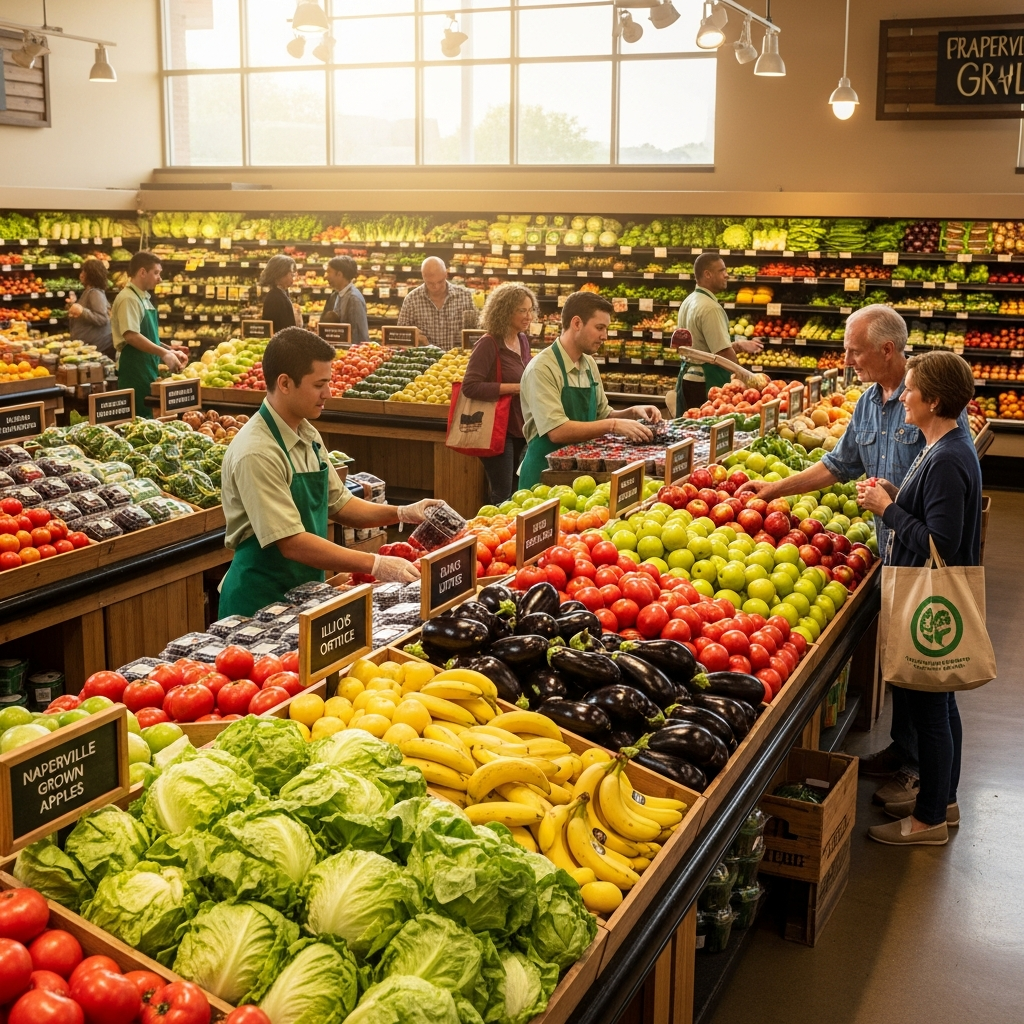
On any given morning in Naperville, the air has its own personality—cool off the Riverwalk in early spring, warm and fragrant after a summer storm, brisk as pumpkins arrive and leaves tumble through fall. Those of us who shop produce here know the rhythm well, and we follow it aisle by aisle, season by season, hunting what is truly at its peak. When locals ask where to find the best supermarket in Naperville, Illinois for fresh produce, the answer is never just a name; it is a way of reading the signs of freshness, understanding when deliveries land, watching how staff handle tender herbs or stone fruit, and yes, keeping an eye on timely weekly deals that often signal what is shining brightest right now. The best market is the one that respects the life of fruits and vegetables from farm to cart, then to your table without losing a beat.
In a town as food-savvy as ours, the produce section is a community commons. You will see neighbors comparing notes on which greens held up longer in the crisper, a parent teaching a child to choose a cantaloupe by fragrance rather than color, and a clerk restocking berries with the kind of gentleness that only comes from pride in the job. The difference between a merely good produce department and a great one sits in the small moments: bins that are never overfilled, the sheen of a properly hydrated lettuce leaf, the quick routine of culling tired items so the whole section looks like a morning market whenever you arrive.
What “best” really means for fresh produce
Let’s define the word that causes so many arguments. Best doesn’t mean fanciest or biggest. It means reliable, consistent, and tuned to Naperville’s preferences. It means a produce team that can tell you which apple variety is crunchiest for lunchboxes this week, and who notices when a batch of zucchini arrives with a nicked skin and quietly sends it back. It means signage that tells you where and when, not just what—like “Michigan blueberries harvested this week,” or “shipped yesterday from a greenhouse in Rochelle.” It means misters on a thoughtful timer instead of constant spray, and it means tongs and bags placed where you need them so you touch only what you buy.
A truly top-tier produce department also acts like a curator. They rotate displays to move the best-of-the-best to eye level. They highlight heirloom tomatoes during late July and early August, then make room for sturdy winter squash when the first cold snap whispers across Knock Knolls. They sample a seasonal pear to let you taste the difference between aromatic and mealy. And they keep ripe avocados aside for those who ask, understanding that ripeness is personal and dinner plans can’t wait.
Seasonality in the Midwest: how Naperville shops smartest
We live in a region with defined seasons, and stores that embrace this truth reward their shoppers with better flavor. In May and June, you will spot tender asparagus, fragile and grassy, that begs to be cooked the day you buy it. July brings sweet corn, and our savvy markets often time displays so fresh deliveries land just before the after-work rush. By late summer, peaches and plums take center stage; a great store will haul out shallow bins so fruit can rest without pressure points. When autumn arrives, the aisles turn jewel-toned with apples, beets, cabbage, and squash—the kind of produce that stores well but still demands respectful handling.
Winter is where the best supermarkets prove their mettle. Without local fields brimming, a dependable produce team leans on greenhouse greens, carefully shipped citrus, and sturdy roots that can ride out a cold week. They adjust storage temperatures and backroom rotation to protect delicate items from drafts near loading docks. They know which lots of Brussels sprouts roast to sweetness and which need an extra trim. They stay in conversation with distributors so there are fewer surprises and more days when your cart looks like summer in January.
How to read a produce department
When you walk in, scan from the edges inward. Are leafy greens crisp without torn edges? Are herbs displayed with stems in water or tucked into breathable sleeves? Are soft fruits like apricots stacked no more than two layers deep? These cues tell you how a store treats perishables. Check misting practices. Good teams set a cadence that keeps greens lively without pooling water, because soaked leaves decay quickly at home. Look at how frequently staff visit each zone; constant, brief tidying beats a massive cleanup at the end of the day.
Then ask a question. The response will reveal a lot. A confident answer about what just came off the truck, which bin hides the sweetest mandarins, or how to store cilantro so it does not wilt tells you you’ve found the right place. If the team volunteers to bring a case forward, trim a pineapple, or slice a melon for you to check ripeness, you are in skilled hands.
Local and regional sourcing
Naperville shoppers care about where produce comes from, and the best departments translate that curiosity into action. During the Midwest growing season, you should see chalkboard notes or tidy tags naming farms from Illinois, Michigan, Wisconsin, and Indiana. Berries from Southwest Michigan, greenhouse cucumbers from Rochelle, sweet corn from farms outside DeKalb—these taste fresher because they traveled fewer miles. Outside of peak months, a strong program still balances distant sources with quality control, choosing growers and packers that prioritize careful picking and cooling, even for items that cross long distances.
Expect stores to partner with smaller vendors for specialty items like microgreens, local mushrooms, or heritage apples. These relationships often happen quietly; the sign might read “local mushrooms” rather than a specific brand. What matters is the result: a more nuanced, more interesting basket for your weeknight cooking, and a sense that the department buys with flavor in mind.
Organic, conventional, and everything between
In Naperville, demand for organic options sits alongside loyalty to classic conventional standbys. The best produce departments do not force a choice; they simply give you both, clearly labeled, side by side where it makes sense. Organic salad mixes should be crisp and dry, not soggy. Conventional bell peppers should be glossy and firm, not waxy. If a store treats both categories with equal care—rotated, freshened, and sized appropriately—you will never feel like quality is limited to one aisle stripe.
What also sets great departments apart is how they bridge categories. They might tuck an organic herb next to a conventional tomato if it helps you imagine dinner. They might offer a quick recipe card near eggplant for those who have never tried roasting it into a silky weeknight side. And they will gently guide you to what is genuinely best today, rather than forcing a trend where it does not fit.
Specialty and global produce that feels at home
Our town is diverse, and your produce aisle should reflect that. Watch for tomatillos, Thai basil, fresh turmeric, yuca, and a range of chilies from jalapeño to habanero to Scotch bonnet. The presence of these ingredients, kept vibrant and replenished, shows a department that understands the rhythm of local cooks. A great market doesn’t relegate these to a forgotten corner; it weaves them into the flow so you can reach for cilantro and serranos as easily as parsley and carrots. When the team keeps these items as pristine as the romaine and the sweet potatoes, you know they value all of Naperville’s tables.
Sampling also matters here. If you’re curious about a dragon fruit, ask. If the store has a thoughtful approach to tasting—clean knives, careful handling, small wedges offered with a smile—you can trust that they care not only about moving product but about expanding your cooking world. Many of us learned to love persimmons this way, one perfect slice at a time.
Smart timing and the midweek edge
One of the most consistent advantages you can give yourself is to shop when restocking is fresh and crowds are manageable. In Naperville, late mornings on weekdays often bring out the best of the produce department: staff are present, displays are full, and there is time to ask questions. Midweek also tends to dovetail with updated promotions, and the savviest among us keep an eye on weekly deals not just for savings but as a signal of what is abundant and flavorful. If an item is featured, chances are the store has the volume to pick through and present only the best.
Evenings can be excellent too when the team schedules a second round of restocking just before the dinner rush. If your favorite store shows signs of a late-day refresh—crates in the wings, staff rotating berries, trimmed greens coming back out—consider it a green light to shop after work and still find pristine produce.
Handling at home: extending that market-day shine
The best supermarket can deliver exquisite produce, but your home habits seal the deal. Think of your fridge as an extension of the produce department: cold zones for berries and greens, slightly warmer drawers for apples and pears, and a countertop window for quick-ripening tomatoes and peaches. Give herbs a fresh cut and tuck them in a jar of water with a loose bag over the top. Store carrots and radishes without their greens, which pull moisture from the root. Keep mushrooms in breathable paper, not plastic. Avoid washing delicate items until right before you use them. Good markets will happily walk you through these practices if you ask; they want what you buy to taste great tomorrow and the day after.
Meal planning helps too. Choose a balance of sturdy items for the end of the week and delicate ones for the first two nights. Roast a tray of mixed vegetables to anchor lunches, then layer in quick-fix salads with crunchy cucumbers and butter lettuce. When you align your menu with what is at peak ripeness right now, you cook with less effort and more confidence.
Service that makes fresh feel easy
Often, the clincher for calling a produce department the best is service. A team that offers to split a case, to hold the last bunch of dill for you until you can swing by, or to trim a pineapple just so, is worth its weight in gold. Naperville stores that shine brightest train their teams to notice what you might want before you ask. If you mention a weekend cookout, they might suggest the watermelon pallet just unloaded. If you say you are new to roasting squash, they might pick a smaller kabocha and share a foolproof method. This is hospitality in a produce apron, and it breeds loyalty.
Service also means accountability. When something is off—berries mushy inside, citrus dry despite a bright skin—a great department is quick to make it right and to adjust ordering so it does not happen again. You feel heard, and your next visit proves it.
The quiet details you can trust
There are subtle signals seasoned Naperville shoppers use: trimmed green tops on carrots to reduce moisture loss, celery stored upright so it stays crisp, potatoes kept out of bright lights to prevent greening. When you see these details handled with care, you have found a produce department that respects the science of freshness. Watch how they build displays—broad, shallow arrangements for fragile fruit; deeper bins for hearty squash and citrus. Notice the scent of ripe fruit only where it belongs, and nowhere that suggests over-ripeness.
Another small sign: the presence of compost bins or backroom composting to handle unavoidable trimmings. While you may not see the bins themselves, you will notice a tidy back corner where greens are gently stripped and repacked. Clean work areas and patient hands make for better produce, plain and simple.
Bringing it all together for Naperville kitchens
In the end, the best supermarket for fresh produce here is the one that recognizes how we actually cook. We make bright salads on Tuesday nights after soccer. We cut fruit for lunchboxes at 6 a.m. We roast squash for Sunday prep and toss radishes with butter and salt when the weather first hints at spring. A great produce department supports these rhythms without fuss, puts ripeness within reach, and turns variety into confidence. If you can walk in unsure of dinner and walk out with a plan inspired by what looked alive and inviting, then you have found your place.
Naperville has grown into a community where freshness is a shared value. The best markets feed that value every day—quietly, steadily, and with the kind of craftsmanship you taste before you even take a bite. The next time you push a cart past a gleaming wall of greens, take a breath and look for the signs. Your senses, and your supper, will tell you what you need to know.
FAQ: Fresh produce in Naperville supermarkets
What time of day offers the freshest selection? Mid-morning on weekdays often brings a perfect blend of recently stocked displays and attentive staff, but some stores schedule a late-afternoon refresh right before the evening rush. Ask your produce team about their rhythm, because a second stocking wave can mean crisp lettuces and newly culled berries even after work. Saturdays can be great if you arrive early, while Sundays might feel picked-over by evening. The key is to match your visit to the store’s restocking cadence rather than guessing blindly.
How do stores source locally when winter hits? During the cold months, quality relies on a mix of greenhouse-grown greens, carefully shipped citrus, and sturdy roots that handle travel well. Strong departments maintain relationships with regional growers who extend the season under glass, and they coordinate tightly with distributors for quick turnaround from dock to shelf. You should still see thoughtful signage about origin, even if fields are frozen. The best markets pivot gracefully without dropping standards for flavor or texture.
What signs tell me produce is truly fresh? Look for vibrant color, natural fragrance that is pleasant but not overpowering, and firmness without hardness in items like stone fruit. Leafy greens should feel cool and lively, not limp or wet. Berries should be dry, with no stains at the bottom of the carton. Citrus should feel heavy for its size. If a department keeps fragile items in shallow bins, rotates frequently, and trims wilting leaves quickly, you are likely in the right place.
Is organic produce widely available in Naperville? Yes, and the best departments integrate it seamlessly. You should find organic greens, berries, apples, and herbs as staples year-round, with seasonal organics joining as harvests allow. What matters most is parity of care: organic items should look as pristine as their conventional neighbors. Clear labeling and helpful staff make it easy to mix and match based on your priorities and cooking plans.
Can I ask for special handling or requests? Absolutely. A great produce team welcomes requests, whether it is holding a ripe avocado for same-day salsa, trimming a pineapple, or pulling a case from the back so you can choose carefully for an event. If you need a specific herb or a box of apples for a classroom, ask. Stores that value service will find a way to help or suggest a smart alternative that arrives in the next delivery.
How do I keep greens crisp at home? Treat them like living things. Give tender lettuces a quick rinse, spin dry thoroughly, and store in a breathable container with a clean towel to wick moisture. Keep them in the coldest part of your fridge that does not freeze. Herbs do well in a jar with a splash of water and a loose cover. Avoid cramming too many items into one drawer; airflow matters. If you bought them at their peak, good habits at home will stretch that freshness an extra few days.
What about avocados and tomatoes—counter or fridge? Tomatoes prefer the counter until they reach the ripeness you like, then a short chill can hold them for a day without dulling flavor too much. Avocados should ripen at room temperature, then move to the refrigerator once they yield gently to palm pressure. If you need a quick ripening nudge, keep avocados near bananas on the counter and check twice daily so you do not miss the sweet spot.
Do delivery days matter? They can, but only if paired with thoughtful rotation. Many stores receive multiple deliveries a week, sometimes daily for high-demand items. Ask your produce team which mornings tend to be heaviest for fresh arrivals. Even with frequent deliveries, the best departments are constantly culling and refreshing, so freshness does not hinge on a single truck.
Are there good options for global ingredients? Yes, and a great produce section keeps global staples vibrant and easy to find. Look for chilies, tomatillos, plantains, fresh ginger and turmeric, and herbs beyond the usual suspects. If you do not see what you need, ask—often, items are in the back waiting for space on the floor, or the team can order them for your next visit.
What should I do if something disappoints? Speak up kindly and directly. A conscientious department wants to know if a batch underperformed so they can correct course. Most will offer a simple solution and adjust future orders. Your feedback helps them protect quality for the entire community, and you build a relationship that pays off the next time you need guidance.
Ready to make your next produce run the best one yet? Visit during a fresh restock, ask for the ripest picks, and let the season guide your cart. For inspiration on what is peaking right now, check the latest weekly deals, then bring those market-bright flavors home tonight.