
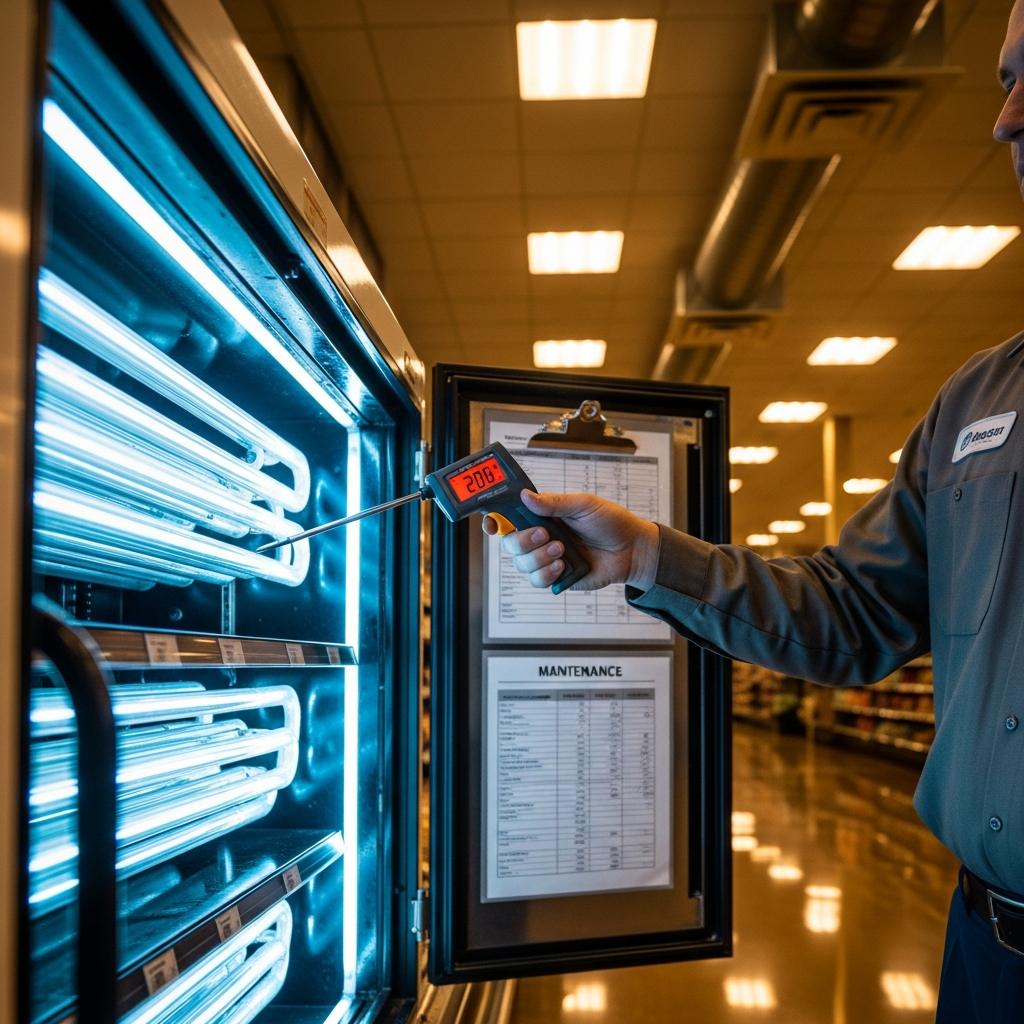
Behind every calm, clean, and well-stocked grocery trip in Naperville is a web of careful maintenance that most shoppers never see. Doors glide, lights glow warmly on a January afternoon, coolers hum at steady temperatures during a July heat wave, and parking lots stay safe after a snow burst—all because teams plan months ahead and solve problems before they reach the front of the store. Smart maintenance isn’t glamorous, but it’s the backbone of a great shopping experience. From the first glance into a well-presented grocery department to the final bag loaded into the trunk, operational care shapes how residents feel about every visit.
In a city with active households, strong schools, and a deeply engaged civic culture, reliability matters. Shoppers count on their local market to function flawlessly whether it’s a slow Tuesday morning or a Saturday rush before a community event. That reliability is built on systems: preventive maintenance schedules, quick-response playbooks, and a culture that treats every aisle and entrance as a place where comfort and safety must be protected.
Refrigeration: the cornerstone of freshness
Nothing influences quality more than stable cold temperatures. Smart maintenance begins with routine case checks, calibrated thermometers, and documented temperature logs. Teams inspect door gaskets for a tight seal, verify fans are running quietly, and clear condenser coils so systems don’t overwork during summer highs. If a case shows a hot spot, staff relocate product quickly, flag the unit, and bring in support while protecting food safety and customer trust.
Backup plans matter too. Portable refrigeration and clear communication prevent gaps on the floor when repairs are underway. A quick sign that explains a temporary closure and nearby alternatives shows customers that standards come first. Shoppers may not see every fix, but they feel the result at home when lettuce stays crisp and dairy keeps reliably cold.
HVAC and comfort across Midwest seasons
Naperville winters demand warm, draft-free entrances; summers call for steady cooling without cold blasts. Maintenance teams schedule seasonal tune-ups, replace filters on time, and test airflow by walking the store to feel for hot or cold pockets. Vestibule blowers and door seals are checked ahead of winter so heat stays inside during steady foot traffic. During humidity spikes, dehumidification keeps aisles comfortable and prevents condensation near refrigerated cases.
Customer comfort is not cosmetic. When temperature and airflow feel right, shoppers move at a more natural pace, make better decisions, and stay focused on meal planning. Good maintenance literally creates better shopping.
Lighting that guides rather than glares
LED retrofits reduce energy use and enhance visibility, but the real impact is consistency. Even lighting reveals freshness in produce, helps shoppers read labels without strain, and shapes a calm ambiance. Maintenance involves cleaning lenses, replacing aging drivers before flicker appears, and checking emergency lights so exits remain safe during outages. Thoughtful lighting around entrance mats and curbside pickup areas keeps trips secure during short winter days.
In bakery and deli areas, color accuracy matters. Teams evaluate lighting temperature so breads look golden rather than washed out and salads look as crisp as they taste. Subtle adjustments add up to a sense of care that customers feel immediately.
Floors, mats, and the art of safe footing
Floors bear the brunt of Midwest weather. Effective maintenance pairs durable surfaces with a cleaning cadence that adjusts to conditions. During rain or snow, extra mat coverage captures moisture, while quick-rotation schedules prevent saturation. Staff patrol for spills, using signage and swift cleanup to keep aisles safe. Backrooms and receiving docks get similar attention, preventing debris from traveling to the sales floor on cart wheels.
Slip prevention is part procedure, part culture. When every team member sees a puddle as their responsibility, hazards vanish quickly. Customers may never notice the near-misses that don’t happen—and that’s exactly the point.
Restrooms and touchpoints that inspire confidence
Clean restrooms set the tone for the whole store. Maintenance means frequent checks, stocked supplies, and fast fixes for leaky fixtures or finicky sensors. On the floor, high-touch areas like freezer handles and cart grips get regular sanitizing passes, with extra attention during cold and flu seasons. The goal is quiet consistency: customers simply feel that the space is cared for.
When maintenance logs are kept diligently—documenting checks and showing accountability—teams can spot patterns early and correct them before customers ever notice.
Receiving docks and the cold chain
Freshness can be won or lost at the back door. Well-maintained docks have functioning seals, levelers that sit flush, and clear traffic rules that prevent delays. Thermometers and infrared checks verify that perishable loads arrive within spec. If temperatures drift, product moves to backup cold storage quickly while teams investigate. These routines protect quality and reinforce trust in every refrigerated case and produce bin.
Organization is integral. Labeled zones and uncluttered pathways minimize dwell time and make rotation simple. When the backroom flows smoothly, shelves stay full and fresh out front.
Equipment that never becomes an obstacle
From slicers and mixers to rotisserie ovens and espresso machines, department equipment demands scheduled attention. Preventive maintenance includes lubrication, blade checks, and calibration to ensure consistent results. Downtime plans—like loaner equipment or flexible production schedules—keep service uninterrupted when repairs are needed. Customers don’t have to think about any of this; they just see bakery loaves with reliable crumb and deli cuts sliced cleanly to order.
On the floor, carts and baskets are inspected for wobbly wheels or rough edges. Smooth, quiet carts are more than a nicety—they make trips feel easier and reduce wear on floors.
Signage, wayfinding, and communication
Maintenance extends to the information layer. Shelf tags must match what’s on hand, directional signs should be legible and current, and seasonal displays need secure fixtures that won’t tip when browsed. If an item moves, updated signage and staff briefings prevent scavenger hunts. When the environment communicates clearly, customers can shop confidently without second-guessing.
Emergency communication is part of the same system. Tested intercoms, backup power for registers, and trained staff ensure that even rare events are handled with calm professionalism.
Exterior care: first impressions and lasting safety
Parking lots, sidewalks, and entrances are maintenance touchpoints every customer sees. Seasonal crack sealing, clear striping, and trimmed landscaping improve sight lines and reduce trip hazards. Before winter, teams stage salt, check snow equipment, and plan plow routes that preserve accessible spaces and main walking paths. After storms, quick attention to slush piles and refreezing spots prevents slips.
Lighting around entrances, pickup zones, and cart corrals is tested regularly. When nights arrive early, a bright, even glow says “you’re safe and welcome here.”
Waste, recycling, and back-of-house cleanliness
Smart maintenance recognizes that clutter is the enemy of efficiency. Regular waste pulls, organized recycling stations, and clean compactors keep pests at bay and reduce odors. Floor drains are flushed, grease traps maintained, and mop sinks kept tidy so sanitation supports rather than interrupts the flow of work.
Pest prevention blends blocking entry points with steady sanitation. When docks, cardboard storage, and break areas stay clean and sealed, issues are rare—and quickly addressed when detected.
Power reliability and backup systems
Naperville storms can test any building. Generators and battery backups require routine testing under load, not just idle runs. Surge protection and monitored panels guard sensitive equipment. When an outage occurs, teams follow a practiced script: protect product, communicate with customers, and restore normal operations swiftly once power returns.
These rehearsed responses transform unpredictable events into manageable operations. Customers see calm rather than chaos, and trust deepens.
Training that turns routines into reflexes
The best maintenance program is only as strong as the people who run it. Cross-training ensures coverage when departments get busy, while clear checklists keep daily, weekly, and seasonal tasks on track. Brief huddles help teams share what they’re seeing on the floor so small issues don’t grow into big ones.
Culture matters most. When every employee feels ownership over cleanliness, comfort, and safety, maintenance stops being a job description and becomes a shared habit customers can feel.
Data, sensors, and quiet innovation
Modern tools—temperature sensors, remote case monitoring, and task-tracking apps—give teams early warnings and accountability. The smartest uses stay in the background, prompting timely checks rather than replacing human judgment. Data confirms what sharp-eyed employees already notice and frees them to focus on customers.
In practice, that might mean an alert about a case running warm or a reminder to rotate entrance mats during a rainstorm. Each nudge keeps the experience smooth and problem-free.
Aligning maintenance with Naperville’s calendar
Seasonal life here is predictable in its variety. Before summer farmers markets hit their stride, produce cases get extra attention; ahead of winter, entrance heaters and snow plans are finalized. When back-to-school season ramps up, cart fleets and checkout scanners are checked to handle surges. Tying maintenance tasks to local rhythms makes the store feel ready for whatever the calendar brings.
That readiness shows. Residents notice when stores feel tuned to shared routines—less scrambling, more smooth sailing.
Measuring success where it matters
In grocery operations, the most meaningful metrics are the ones customers feel: consistent temperatures, clean restrooms, clear signage, steady comfort, and shelves full of fresh options. Maintenance excellence is the invisible hand that makes all of this possible. When the store feels predictable in the best way, shoppers relax, explore, and head home ready to cook.
In the middle of this calm, a well-organized grocery department becomes the proof point customers actually see—produce that looks crisp, aisles that flow, and cases that showcase freshness without distraction.
FAQ: Smart maintenance, simple benefits
Why does maintenance matter to shoppers? Because it turns errands into easy routines. Stable temperatures, clean spaces, and smooth equipment reduce friction so you can focus on planning meals, not navigating obstacles.
How do stores prepare for winter in Naperville?
They stage salt and shovels, service snow equipment, test entrance heaters, and expand mat coverage. Teams also plan staffing to keep carts moving and floors dry during peak slush times.
What’s the sign of a well-maintained refrigeration case?
Consistent cold, clear glass without fogging, quiet fans, and neatly rotated product. If a case is temporarily down, look for prompt signage and nearby alternatives while repairs are handled.
How do stores keep restrooms reliably clean?
With frequent checks, stocked supplies, and quick response to issues. Maintenance logs help teams track patterns and fix root causes instead of treating symptoms.
Do sensors replace human oversight?
No—sensors provide early alerts and documentation, but attentive staff remain essential. Technology supports judgment; it doesn’t replace it.
How can customers help?
Share feedback when you spot a concern, from a wobbly cart to an icy patch outside. Quick notes help teams fix small issues before they affect more shoppers.
Ready to feel the difference maintenance makes?
Plan your next visit with fresh eyes. Notice the steady temperatures, clear signs, and easy movement from entrance to checkout. When the environment supports your routine, grocery trips become quicker and more enjoyable. Start with a pass through a clean, inviting grocery department, gather what inspires you, and head home to a week of meals that come together with less effort and more confidence.