Naperville’s appetite for fresh, responsibly grown food has reshaped how many of us shop, cook, and share meals. We want crisp lettuces that taste like spring, tomatoes that carry sunshine into a salad, and pantry staples made with short, readable ingredient lists. An organic-forward approach is not only about certification; it is also about relationships—between stores and local growers, between seasonality and your meal plan, and between your day-to-day routine and the food that fuels it. Around town, the best experiences come from markets that center transparency and freshness while making it easy to eat well on a Tuesday just as much as on a special weekend. If you are building your cart with intention, start where ethics and flavor meet: the heart of a thoughtful grocery department that treats produce as the star and everything else as its supporting cast.
What “organic” really means in your cart
Certified organic produce follows standards that restrict synthetic pesticides and fertilizers and emphasize soil health and biodiversity. You will often spot a PLU sticker beginning with the number 9 for organically grown fruits and vegetables. But Naperville shoppers also recognize that organic is a spectrum of practice. Some small regional farms farm organically without certification due to cost, yet still follow the same principles: crop rotation, composting, beneficial insects, and careful water use. A good store will label clearly and, when asked, share farm names or growing methods so you can decide with confidence.
Eating the season, savoring the difference
Seasonality is the friend of flavor. In spring, think tender greens, radishes, and the first herbs. Summer brings berries, tomatoes, cucumbers, and sweet corn. Fall loads the tables with apples, winter squash, and hearty greens, while winter leans on sturdy roots and greenhouse-grown lettuces that still shine in a salad. When you buy in-season organic produce, you often get more taste for your effort because the supply chain is shorter and the fields are closer. In practical terms, you will find that a tomato in July needs little more than salt and olive oil, while an apple in October carries its own perfume.
Partnering with local growers
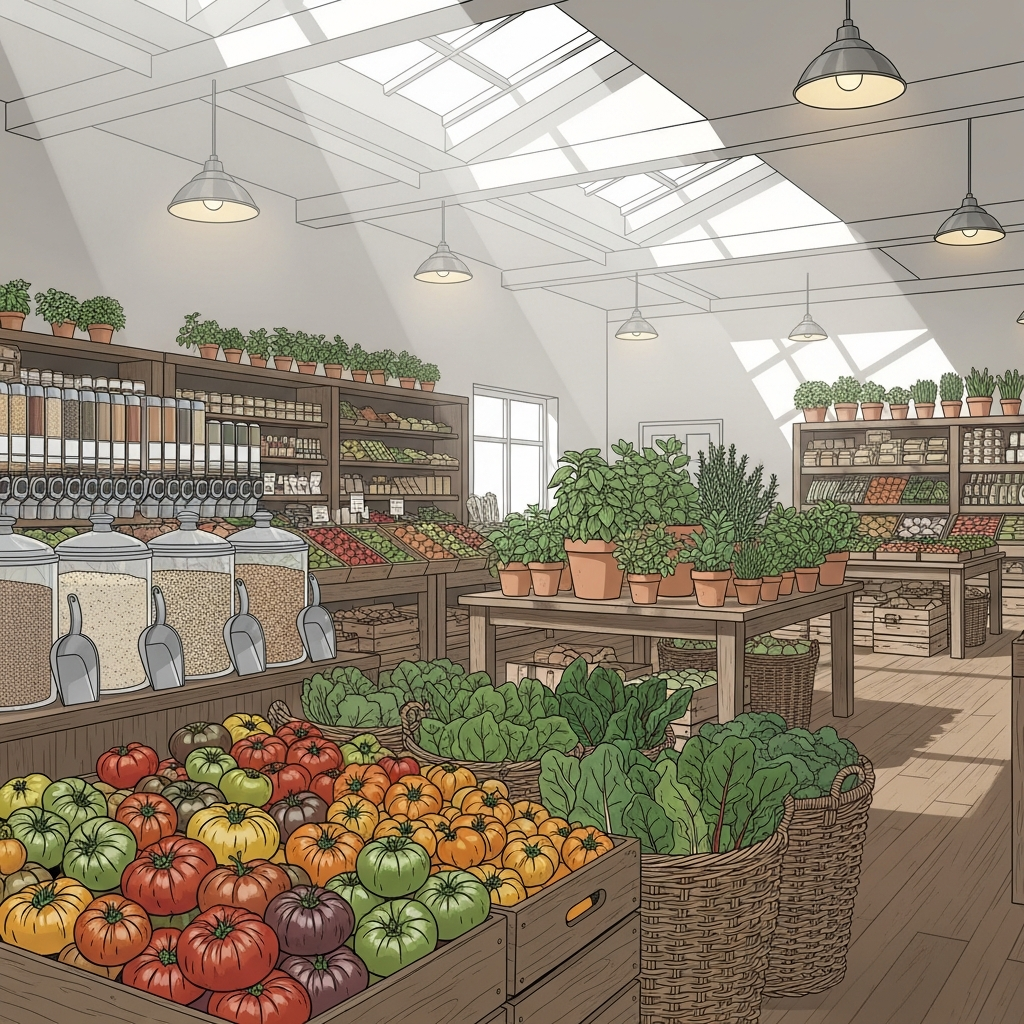
Stores that highlight local organic or organic-leaning farms do more than decorate their displays; they bring you into the story of regional food. Look for signage naming farms, ask staff about which greens arrived that morning, and pay attention to how often specific items rotate. Local relationships show up in little ways, like a bin of imperfect, delicious tomatoes priced as “sauce-ready” or a chalkboard noting that a favorite salad mix sold out and will be back tomorrow. This human scale keeps quality high and waste low while inviting you to cook what the fields are ready to give.
How to shop organic produce like a pro
Start with your meals in mind. Choose a leafy anchor (kale, spinach, or romaine), a couple of colorful additions (peppers, carrots, or tomatoes), and a fresh herb to lift everything. Then select a fruit for snacks and lunchboxes. As you pick, inspect stems and leaves for perky structure, choose fruits with their natural bloom intact, and avoid packages with condensation, which can shorten shelf life. Ask staff about ripeness if you are unsure; a team that knows its produce will guide you toward what tastes best today and what will peak in a few days.
Bulk bins, pantry bridges, and everyday organics
An organic-forward shop is not only the produce wall. Bulk sections with grains, legumes, and seeds let you buy exactly what you need while keeping packaging low. Organic pantry bridges—broths, tomatoes, oils, and spices—help your fresh produce sing. When these sections are curated with care, you can plan a week that marries convenience with conscience: a pot of lentils with roasted carrots and tahini one night, a bright tomato-cucumber salad the next, and a simple pasta with basil, garlic, and good olive oil when time is tight.
Storage that protects your investment
Handle organic produce gently and store it to extend its life. Greens appreciate a quick wash, a thorough spin, and a breathable wrap in the crisper. Herbs last longer with their stems trimmed and placed in a jar of water under a loose bag, while carrots and beets prefer their greens removed. Tomatoes want the counter; cucumbers fare well slightly cool but not icy; apples like the crisper. Learning these rhythms helps you buy with confidence and waste less, making organic choices practical as well as principled.
Prepared foods with an organic mindset
Many Naperville markets now extend organic sourcing into their kitchens. You will find salads made with seasonal greens, soups built on organic stocks, and deli entrées that honor produce at its peak. These offerings save weeknights when you want a wholesome meal without starting from scratch. Ask about ingredients, look for labels that call out organic components, and enjoy the reassurance that your quick dinner still aligns with your values.
Building a week of meals from one basket
Think of your cart as a story that unfolds across seven days. If Saturday brings a market haul of greens, tomatoes, and peaches, plan a Sunday salad with toasted nuts, a Monday pasta with sautéed greens and garlic, a Tuesday taco night with peppery slaw, and a midweek grain bowl topped with roasted vegetables. Reserve fruit for snacks and dessert, and keep a couple of pantry-friendly soups ready for nights when energy runs low. This approach balances fresh delight with sensible structure and makes organic shopping feel naturally sustainable.
Midweek, revisit the aisles that anchor your routine and notice how the store curates staples around the season. If tomatoes are at their peak, you might find basil near the front and mozzarella close by; if hearty greens dominate, look for lemon, garlic, and olive oil displays that encourage simple sautés. A store that invests in a cohesive grocery department reflects this thinking in subtle but constant ways, helping you cook what is best now rather than chasing what is not ready yet.
Community, transparency, and trust
Organic shopping grows easier when relationships are clear. If a store keeps a blackboard of arriving items, posts photos from partner farms, or invites growers for seasonal tastings, you have found a place that values shared knowledge. Ask questions—about soil practices, crop rotations, or why a favorite herb is scarce this week. Staff who answer with specificity signal a supply chain rooted in care. That care reaches your table in flavor and texture you can taste.
Kids, schools, and getting everyone on board
Bringing children into organic shopping can be surprisingly fun. Let them choose a new fruit each week, pick the crunchiest carrots, or sniff bunches of mint and basil to decide which one comes home. Pack lunches with bright colors and a small note about where the apple grew or which farm harvested the cucumbers. This gives food a story and turns snacks into small adventures, fostering habits that feel joyful rather than restrictive.
Winter strategies for local flavor
Cold months need not end your local focus. Root vegetables hold up beautifully to roasting, soups, and stews. Greenhouse lettuces and stored apples keep salads lively. Freezer sections with thoughtfully sourced organic berries let you blend flavor into oatmeal and yogurt, and canned tomatoes keep sauces vibrant. This is the season to lean on pantry bridges while still seeking local names on labels. The dinner table remains connected to nearby fields even as snow softens the sidewalks outside.
FAQ: Organic and local in Naperville
How do I know produce is truly organic?
Look for certified organic labels or PLU codes starting with 9. If certification is not present, ask staff about the farm’s practices. Good stores share details so you can make an informed choice.
Is local always better than organic from farther away?
It depends on the item and season. Local can be fresher and more flavorful when in season, while certified organic from a distance may be the right call in winter. Balance taste, values, and practicality.
What are the best starter items to switch to organic?
Begin with produce you eat often—leafy greens, berries, and apples—then expand to pantry basics like tomatoes and broth. You will notice flavor and feel good about your choices.
How can I reduce waste when buying organic?
Plan meals around perishables first, store items correctly, and repurpose leftovers into soups, grain bowls, or frittatas. Buying from bulk bins also helps you right-size portions.
Can I eat organic on busy weeknights?
Absolutely. Combine a few high-quality organic staples with prepared items like soups or salads from the deli. Keep your pantry stocked so fresh produce becomes dinner with minimal effort.
Do kids actually taste the difference?
Often, yes—especially with in-season fruit and tomatoes. Invite them to compare and decide; their preferences can guide smart, satisfying choices for the whole family.
Bring it home in Naperville
Organic and local do not have to be special-occasion choices. They can anchor your everyday cooking with flavor, transparency, and ease. Start with a few in-season picks, add pantry bridges that support them, and ask your market for guidance when you have questions. When you are ready to make a dependable habit of better food, shop a store that places produce at the center and builds everything else around it—beginning with a well-curated grocery department that turns your best intentions into dinner tonight.