Finding a grocery store close to home in Naperville is about more than dropping a pin on a map. It is about reading the rhythm of your neighborhood, noticing which intersections move quickly at rush hour and which side streets save you ten minutes on a weeknight, and choosing a place where the aisles, staff, and selection feel like an extension of your own pantry. As someone who has zigzagged Naperville from the Riverwalk to Route 59 and from Ogden Avenue to 95th Street, I have learned that proximity is emotional as much as it is geographic. The store that fits your routine becomes the one that feels closest, even if another sits a mile nearer on paper. Early in your search, explore a few options, pay attention to what feels easy, and give yourself permission to let convenience include friendliness, parking flow, and freshness. As you compare, keep an eye on the basics and the best of the grocery department offerings that make quick stops feel effortless.
Start with a mental map of Naperville’s distinct pockets. Downtown and the surrounding historic streets cater to walkers and short-hop drivers who want a quick in-and-out for dinner ingredients after a stroll along the Riverwalk. On the north side, neighborhoods near Ogden Avenue often balance a mix of commuting convenience and locally familiar stores tucked just off the main drag. South of 75th Street, especially near 95th, you will notice larger shopping centers with generous parking, multiple entries, and straightforward left-turn exits—small details that matter when you are juggling errands, school pickups, or late practices at the fields.
What “close to home” really feels like
For some, close to home means walkable—five to ten minutes on foot with a sidewalk the whole way and a crosswalk that actually gives you time to get across. If that is your priority, look for stores that sit near path connections or local cut-throughs; you will use them more often and build a routine that makes mid-recipe dashes a non-issue. For others, close to home translates to a pleasant five-minute drive: few stoplights, a protected left onto the lot, and a right turn out that returns you to your neighborhood without looping around. Pay attention to which store lots have two or three entrances, whether there is a back exit to avoid a busy intersection, and how quickly carts are gathered—these operational touches shave minutes off every visit.
Parking, timing, and the unsung efficiencies
Naperville lots vary widely, and that influences the feeling of closeness. A lot that places cart returns at every other row, has clear pedestrian walkways, and keeps snow neatly plowed in winter makes a store feel more accessible. Inside, you can spot a time-saving layout by how produce flows into bakery and dairy without awkward dead-ends. If you only need greens, bread, and milk, a store that orients those departments up front turns a 30-minute errand into a 10-minute glide. Watch when staff restock; many places replenish at mid-morning and late afternoon. If you catch those windows, the shelves feel fuller and fresher, and your “quick stop” is more satisfying.
Freshness and the everyday test
A close-to-home store earns its title across a month of real life. Notice whether herbs stay perky late in the day, if bananas are sensibly staged from green to ready, and whether the bakery keeps a small rack set aside for evening shoppers who need a last-minute loaf. The meat counter should welcome a quick question about cuts without sending you on a scavenger hunt for help. Deli lines that move crisply while staff double-check orders save you time without sacrificing accuracy. Over time, these everyday wins accumulate into trust, and trust is what makes a store feel like it is right down the block.
Local character and hidden gems
Naperville has its share of large-format shopping centers, but the city also hides smaller markets that punch above their weight. A tucked-away produce-forward shop near a residential area might stock exceptional seasonal greens or herbs favored by home cooks. Another place could excel with international staples you lean on for weekday dinners. When scouting, do a quick lap beyond your usual staples. If you notice thoughtfully curated sauces, a bakery case with items that look made that day, or a produce section where the team actively culls and mists, you have found a store that treats freshness as a craft. That often means returns are simple, special orders are welcomed, and the team recognizes regulars—details that make your quick trip genuinely quick.
When weekend and weekday feel different
The closeness of a store changes with the day and hour. Weekday mid-mornings between school drop-off and lunch often give you the smoothest aisles and fastest checkout. Late afternoons can be efficient if your store staffs more registers and has a clear queue. Saturday late mornings may buzz as families tackle big lists, while Sunday late afternoons can be an ideal time for a targeted top-up shop if you avoid the rush. Pay attention to those patterns and assign your errands accordingly: a big weekly shop when the store runs at full staffing and a midweek micro-shop when the bakery sets out fresh rolls and the salad greens are newly stocked.
Walking, biking, and quick transit hops
If you prefer to leave the car at home, look for stores with secure, visible bike racks and well-marked walkways from the sidewalk. Many Naperville neighborhoods connect via quiet side streets that keep you off main roads until the last block. For those near train stations or bus routes, a store within a short walk of a stop can make grocery runs feel effortless. In winter, check whether the store keeps sidewalks clear and salted quickly after snow; in summer, shade along your route can make a walk to the store pleasant rather than a sweaty chore. All of this adds up to an ease factor that earns a store your loyalty.
There is also a deeper kind of closeness rooted in familiarity. Over time, you will learn where your favorite salsa sits, which end cap holds the olive oils, and where the store hides seasonal treasures. This “mental map” reduces the steps between you and dinner. It also helps when you are sending someone else from your household, since you can describe the layout easily. If midweek you need to upgrade that dinner plan, a single detour past the produce table and over to the pasta aisle can save the day. That is why it is worth paying attention to how your local place lays out the heart of its grocery department and refreshes displays for the seasons.
Seasonal shifts that change your route
Naperville winters reward warm parking lots with minimal snow piles at the corners and clear cart corrals. In heavy snow, a store with a covered entrance and mats that keep the entry dry shortens each visit by sparing you from dodging puddles. Spring brings delicate lettuces and herbs that are best bought early in the day; summer explodes with stone fruit and sweet corn; and fall loads the bins with apples and squash. A store that mirrors the seasons with rotating front-of-house displays and knowledgeable staff makes even a quick trip feel like a curated experience, and that can convert a slightly longer drive into a place that feels closer because it delivers more of what you want, right when you want it.
Family-friendly shortcuts
Families experience closeness through predictability. Wide aisles that allow a side-by-side stroller pass, small carts for kids, and clear signage cut down on stress. If your go-to place offers ready-to-eat soups, rotisserie meats, and washed salad kits near the front, that arrangement matters on nights when soccer ran long and homework awaits. Some stores keep a microwave or utensil station near the café seats—another underappreciated convenience when you need a fast bite between errands. Accessibility features like lower self-checkout stations or staff who readily assist with loading make a difference, especially for grandparents or caregivers who shop often.
Quality cues at a glance
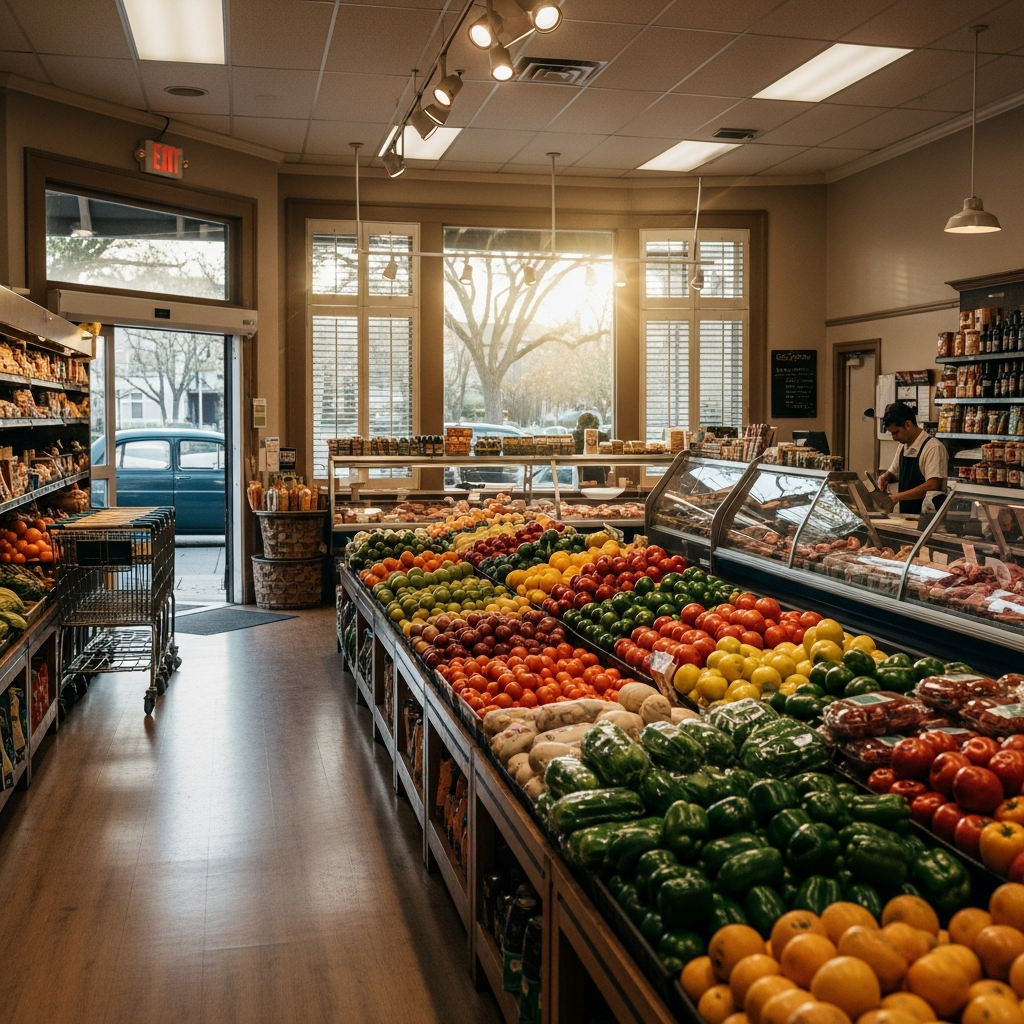
As you compare close-by options, keep a few visual checks in mind. In produce, look for rotation: if ripe avocados sit next to firm ones, the team is thinking ahead for your week. In dairy, tidy shelves without overstocked front rows suggest good temperature control and quicker turnover. In the bakery, ask when items were last baked; a confident answer is a strong sign of pride. With pantry goods, scan for useful local brands alongside familiar staples—stores that blend both tend to appeal to the weeknight cook who likes a small adventure without changing the whole menu.
Putting it all together
To select your close-to-home anchor, give yourself two weeks to test candidates during real errands. Do one bigger trip and two quick stops at each place. Note drive time in and out, checkout pace, and how you feel carrying bags to the car or along the sidewalk. Notice staff presence and whether you effortlessly found what you needed. The right choice often reveals itself when you catch yourself saying, “Let’s just go there; it’s easier.” That is your answer.
FAQ: Finding your closest-fit store in Naperville
How do I judge whether a store is truly close to home?
Time the full loop from your front door to your kitchen counter, including parking and checkout. If it consistently feels smooth at the hours you actually shop, it is close enough—even if another store sits a few blocks nearer.
What time of day is best for a quick trip?
Mid-morning on weekdays is often the lightest, while late afternoon works if your store boosts staff. If you need evening top-ups, look for places that restock produce late in the day so you are not choosing from picked-over bins.
Is walking to the store practical year-round?
Yes, if you pick a route with clear sidewalks and a store that maintains its frontage in winter. A rolling cart or backpack helps. In summer, try shaded streets and early-morning trips to avoid heat.
What signs indicate a fresh, well-run produce section?
Look for active culling, visible misting that is not excessive, a range of ripeness for popular items, and staff who can answer questions without leaving the floor for long.
How can I make quick shops even faster?
Stick to a mental loop that hits your staple departments first, shop at your store’s off-peak hours, and keep a standing pantry list on your phone so you are not doubling back. Knowing the layout of the core departments speeds everything.
Are smaller markets worth considering?
Absolutely. Many smaller places excel with specific categories, from herbs and seasonal produce to specialty pantry goods. If one of these sits along your daily route, the time you save inside can outweigh a slightly longer drive.
Final thoughts and your next step
You do not need to overhaul your routine to feel closer to great food. Pick one candidate, run your real-life errands there this week, and see how it fits. If the entrance, aisles, and staff flow with your day, you have found your place. When you are ready to explore what a well-run grocery department can do for your weeknight sanity and weekend inspiration, make your next shop the one that moves you from “I need to go” to “I like to go.” Naperville rewards those small decisions with fresher meals, shorter errands, and a routine that gives you time back.