If you manage a restaurant, catering company, or community kitchen in Naperville, you already know that reliable wholesale sourcing is the backbone of consistent service. Diners feel it in the tenderness of a grilled skewer and the depth of a slow stew; clients sense it in the calm that follows a well-orchestrated banquet. For kitchens committed to Zabiha standards, the stakes rise further. You are not only chasing flavor and freshness but also safeguarding an ethical process that guests trust. When peers ask me how to approach wholesale halal procurement around Naperville, I point to three pillars: clarity on specifications, resilience in logistics, and relationships that grow with your menu. And because it helps to understand the range of products available locally, I recommend browsing representative assortments of halal meat to calibrate cuts and volumes before you engage a supplier.
Naperville’s position near the I-88 corridor and the Route 59 artery gives wholesale buyers a quiet advantage. Trucks move efficiently across the western suburbs, and suppliers can schedule drop-offs to avoid peak traffic. For operations near Ogden Avenue or south of 95th Street, coordinated timing keeps kitchens flush with inventory without crowding walk-ins. The best partners will discuss your menu cadence—when you prep skewers, build stocks, or portion roasts—and align deliveries so staff handle meat at its freshest moments. This is how you transform procurement from a scramble into an extension of mise en place.
Specification Is Strategy
Wholesale success begins with a spec sheet that reads like a recipe. Define the exact cuts by name and trim level, indicate bone-in or boneless, and include target weights or thickness. If you rely on a particular grind ratio for kofta or burgers, document it. Add packaging preferences—vacuum-sealed in two-pound increments, for example—and note any allergen controls required in your facility. A good supplier appreciates precision; it lets their team configure production efficiently and reduces back-and-forth during rush periods. In Naperville’s competitive dining scene, that clarity shows up later when your line cooks find every box labeled in a language they understand.
Equally important is Zabiha documentation. Ask suppliers which certifying bodies they follow, how often audits occur, and what records accompany each shipment. Keep a digital folder with current certificates and delivery logs so front-of-house teams can answer guest questions confidently. For community events hosted through local centers, this transparency supports organizers who may need to report standards to a wider group. When everyone can trace the process from slaughter to service, trust is not just implied—it is proven.
Logistics That Work With Naperville’s Clock
Every kitchen has a rhythm, and logistics should flow with it. I encourage scheduling two types of deliveries: a weekly anchor that replenishes staples and a flexible slot you can pull forward when a private booking appears or patio weather bumps weekend covers. Drivers familiar with Naperville’s school traffic and rush-hour patterns become silent partners in your success. A midmorning drop at a Route 59 storefront might dodge the morning crush, while a post-lunch delivery near the Riverwalk can keep sidewalks clear and guests undisturbed.
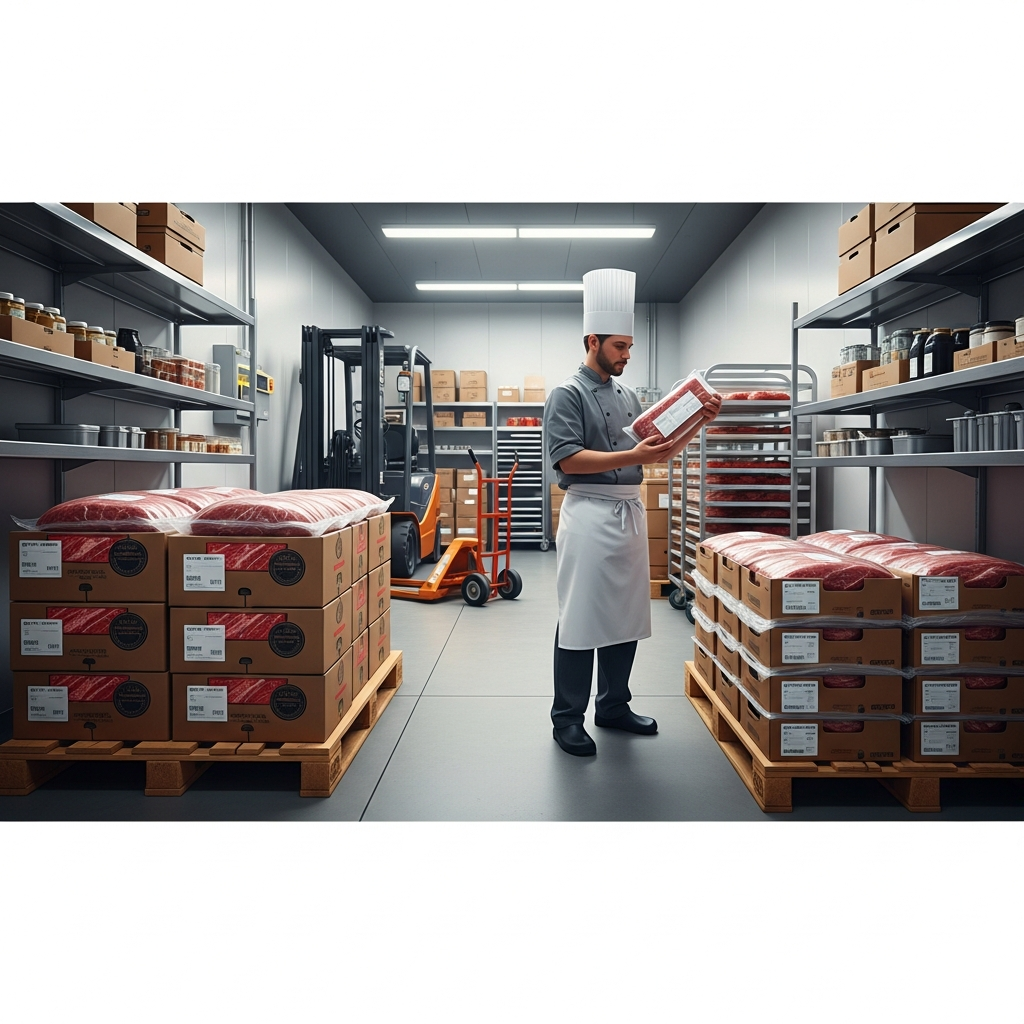
Packaging is part of logistics. For wholesale, vacuum sealing in manageable increments reduces waste and prevents the dreaded partial-open box that dries a corner of product before you reach it. Clear, water-resistant labels survive the walk-in humidity and the occasional spill. If you batch-prep marinades, ask for cuts sized to your hotel pans or cambros so line cooks move seamlessly from box to station. These small alignments add up to a service that feels unhurried even when the dining room is full.
Managing Risk and Building Resilience
Seasonality, holidays, and weather can nudge demand unexpectedly. During Ramadan, volumes jump; on the first real warm Saturday of spring, grills across Naperville ignite, and ground products vanish citywide. Resilient procurement plans include secondary options you have already tested. If lamb shoulder is tight, can you pivot to shank for a special that honors both texture and tradition? If ground beef runs leaner than usual, are you ready with a fat blend that keeps kofta juicy without changing flavor?
Inventory discipline turns risk into routine. Keep par levels that reflect actual covers, not wishful thinking, and review them weekly. Encourage line cooks to record yields so you know how many portions emerge from each wholesale box. When you can predict with confidence, you reduce last-minute calls and secure better delivery slots. Over time, suppliers learn your patterns and pre-allocate stock, which is when the relationship truly pays dividends.
Communication: The Hidden Ingredient
I rank communication as highly as flavor. A supplier who answers the phone, texts a heads-up from the truck, and flags a variance before you discover it in the walk-in is a keeper. Establish a single point of contact for routine orders and a backup you can reach during weekends. Share your event calendar a month out, annotating dates that may stretch the kitchen. When a vendor knows you have a 200-guest fundraiser near 95th Street on a Thursday, they can stage product midweek and prevent a crunch that would otherwise ripple into Friday service.
Feedback should be specific and timely. If a batch of short ribs arrived with more connective tissue than expected, note the box lot and describe the cooking impact. If a new trim standard saved you thirty minutes on prep, celebrate it; positive reinforcement locks good habits in place. Relationships deepen when both sides feel seen for the details that make hard work easier.
Menu Design With Procurement in Mind
Wholesale partners shine when your menu plays to their strengths. Consider anchor dishes that use the same primal cut in different ways: a braise on weekdays, a grilled special on weekends, and a lunch sandwich that repurposes trimmings. These choices stabilize your order book, which in turn stabilizes pricing and availability upstream. Cross-utilization keeps your walk-in lean and your food quality high, because nothing lingers past its prime.
When you test new items, involve your supplier early. If you are piloting a lamb feature, request two trim levels on a small run and compare labor time against flavor payoff. For ground products, try adjacent ratios and note the effect in service. Document what wins. A shared vocabulary emerges, and future orders become shorthand: the cut, the trim, the pack size, the intended station. In a city where guests expect both tradition and polish, that precision shows on the plate.
Local Context: Why Being Here Matters
Naperville’s culinary map extends into Aurora, Lisle, and Warrenville, creating a tight ecosystem for product movement. Many operations benefit from quick cross-town transfers when a Saturday lunch rush depletes a particular cut. Proximity to distribution routes keeps lead times short, especially for teams that plan a consistent weekly cadence. I often suggest that chefs new to the area shadow a delivery or spend an hour at receiving; seeing how boxes move clarifies which packaging styles truly serve your line during a fast turn.
Community events add another layer. From neighborhood block parties to fundraisers hosted by cultural centers, bulk orders spike periodically. A strong supplier anticipates these cycles and offers guidance on portioning, holding temperatures, and reheating paths that maintain texture without compromising Zabiha principles. These conversations create institutional knowledge you can rely on each time the calendar repeats.
Documentation and Staff Training
Beyond the certificates and invoices, build a short training guide that lives with your prep lists. Include photos of correct cuts, notes on ideal fat cap or marbling, and a quick refresher on labeling. If your staff rotates seasonally, this guide protects standards during transitions. Walk new employees through receiving: how to verify seals, where to stage boxes, how to log temperatures, and whom to contact if something looks off. When training is tight, issues surface early, and solutions are gentle course corrections rather than late-night crises.
Since many guests ask thoughtful questions about sourcing, give front-of-house teams a simple script. Confidence at the table begins with clarity in the back. When servers can explain that your kitchen follows Zabiha standards end to end and partners with trusted local suppliers, guests relax into the meal and focus on flavor.
FAQ: Wholesale Halal Sourcing in Naperville
How do I start a wholesale relationship? Draft a clear spec sheet, gather your projected volumes, and request sample cuts. Evaluate quality, trim, and packaging, then set a trial schedule to test logistics before committing.
What documentation should I request? Ask for current Zabiha/halal certificates, audit frequency details, and batch or lot tracking on invoices. Keep digital copies accessible to kitchen and management.
How can I protect consistency during busy seasons? Establish par levels based on actual covers, pre-book deliveries around peak dates, and keep tested alternates ready for menu pivots.
Can suppliers help with portioning? Many will portion to spec or pack in station-ready sizes. Align pack weights with your pans and storage to reduce prep time.
What if a shipment varies from the spec? Record the lot, photograph the variance, and contact your rep immediately with a concise description of impact. Good partners correct quickly and note preferences for future boxes.
Is it useful to browse retail assortments? Yes. Reviewing a curated selection of halal meat helps you calibrate cut names and think through applications before you scale the order with your wholesale partner.
Strengthen Your Supply Chain
If your kitchen is ready to refine procurement, begin by clarifying specs, previewing the range of halal meat you intend to feature, and scheduling a trial delivery that matches your prep rhythm. With the right partnerships and habits, Naperville operations can serve meals that honor tradition, delight guests, and run on a supply chain as dependable as your best line cook.