
Home Cooking With Confidence in Naperville
Cooking halal meat at home in Naperville is one of those practices that quietly improves your whole week. With a little planning and a few reliable techniques, your kitchen turns into a place where dinner comes together smoothly, tastes vibrant, and reflects the care you put into selecting ingredients. I have come to love the ritual of stopping by the butcher, choosing cuts that look particularly fresh, and imagining how they will transform once the heat hits the pan. That habit makes even busy evenings feel manageable and weekend gatherings more joyful.
The first step is sourcing wisely. Freshness and trust are the foundation of a good meal, and it pays to ask questions at the counter. Look for clear certification, tidy displays, and staff who talk knowledgeably about cuts and delivery schedules. When you find a place that handles halal standards with precision and warmth, shopping becomes an extension of your cooking practice. Starting your meal plan with well-chosen halal meat sets a tone of confidence for everything that follows.
Setting Up a Smart Kitchen Workflow
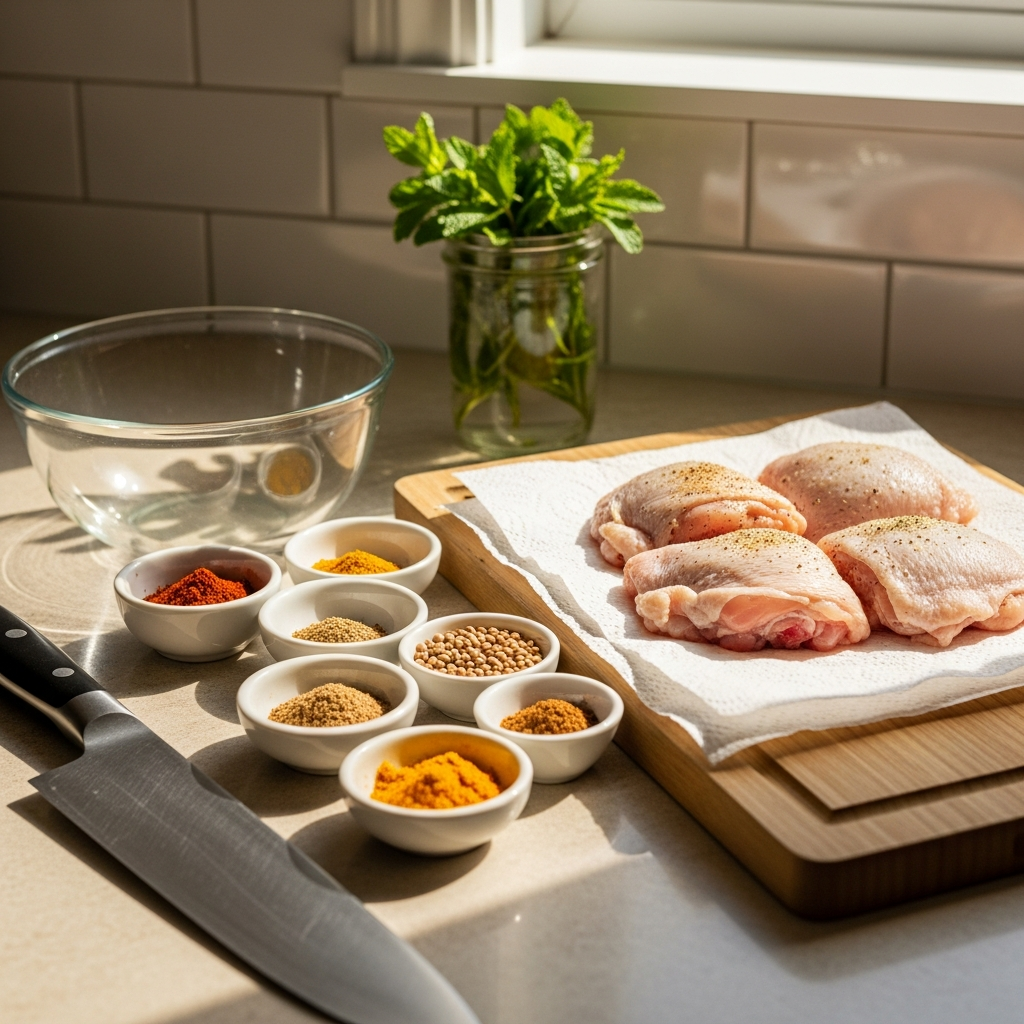
A smooth dinner begins before the pan is even warm. I like to prepare a clean workspace with a dedicated cutting board for raw meat, a sharp knife, paper towels for drying, and small bowls for measured spices. Keeping tools within reach means you can move calmly from trimming to seasoning to cooking without losing time or focus. A tidy kitchen also makes it easier to maintain the separation and cleanliness that honor halal principles at home, reducing the risk of cross-contact and helping flavors stay bright.
Think ahead about sides and sauces. If you plan to serve grilled chicken with a yogurt dip and a cucumber salad, make the sauce and chop the vegetables first. Many side dishes improve with a little time to mingle, and you will appreciate having them ready when the meat is resting. With this order of operations, you will serve dinner hot without any last-minute scramble.
Marinating for Flavor and Tenderness
Marinades are the home cook’s superpower. Yogurt tenderizes chicken gently while carrying spices like cumin, coriander, and paprika. For lamb, I like olive oil with garlic, rosemary, and lemon zest, which preserves the meat’s natural sweetness while softening edges. Beef benefits from a blend that includes a modest acidic component—think a splash of vinegar or lemon—balanced by salt and aromatics. The trick is to build a marinade that seasons without overpowering. Let poultry rest for at least an hour and up to overnight; lamb and beef can handle longer, though a few hours often suffice for thinner cuts.
When you remove meat from a marinade, patting it dry ensures better browning. Reserve a spoonful of the marinade to whisk into a finishing sauce only if it was kept separate from raw meat; otherwise, build a fresh sauce with similar flavors. These small steps reward you with deeper color, a crisper exterior, and a cleaner-tasting result.
Mastering Heat: Sear, Roast, Grill, and Braise
Good cooking is a conversation with heat. For a perfect sear on the stovetop, preheat your pan until a drop of water skitters, add a thin sheen of oil, and lay the meat down without crowding. Let it sit long enough to develop a fond—the delicious browned bits—before turning. In the oven, high heat helps chicken skin crisp while moderate heat gently cooks thicker cuts through the center. If you grill, allow time for the grates to get truly hot, then manage flare-ups by leaving a cooler zone to move items as needed.
Braises belong in every Naperville kitchen, especially during our cooler months. Brown meat to build a base layer of flavor, then add onions, garlic, spices, and liquid—stock, tomatoes, or even a splash of apple cider for autumn warmth. Simmer gently until tender. Rest before serving so the juices relax back into the fibers. These techniques create meals that feel generous and comforting with relatively little hands-on time.
Seasoning With Intention
Salt is the first flavor decision and often the most important. Season early and evenly so it can distribute throughout the meat. From there, layer in spices that suit your plan. For chicken, ginger and garlic pair beautifully with turmeric and coriander. Lamb loves cumin, cinnamon, and mint. Beef responds to black pepper, paprika, and oregano. Bloom ground spices briefly in oil or butter to unlock their aroma before they touch the meat. Finish with acidity—a squeeze of lemon, a spoon of vinegar, or chopped tomatoes—to keep the palate alert, and add fresh herbs at the end for lift.
Do not be afraid to keep things simple. A well-salted steak with cracked pepper and olive oil, seared properly and rested, needs nothing more than a salad and potatoes to feel complete. Simplicity shines when your ingredients are fresh and well cared for.
Food Safety and Respecting Halal at Home
Clean habits anchor great cooking. Keep raw and cooked areas separate, wash hands frequently, and use a thermometer to check doneness, especially when cooking for guests. Store meats in the coldest part of your fridge and thaw slowly when possible. These practices mirror the standards you expect from your butcher and make your kitchen a place where quality and safety go hand in hand.
Respecting halal at home extends to how you store tools and ingredients. I keep clearly labeled containers and a dedicated tray for raw prep so nothing wanders where it does not belong. The more you build these routines, the more natural they feel, and the more confident you become in serving a table that aligns with your principles.
Weeknight Strategies That Actually Work
Time is the ingredient we never have enough of. I like to batch-prep spice blends on Sundays and portion meats for two meals at a time. If I grill a few extra chicken thighs, I know I can shred them into a lemony pasta or fold them into a salad the next day. Ground beef becomes kebabs on Monday and a quick chili on Wednesday. When components are ready, weeknight dinners become an assembly game rather than a sprint.
Sheet-pan cooking helps too. Toss chicken legs or sliced beef with onions and peppers, season boldly, and roast at high heat until everything is tender and caramelized. While the pan works its magic, you can set the table, warm bread, or help with homework. By the time the timer rings, dinner is ready and the kitchen is calm.
Entertaining Friends and Family
Naperville has a way of turning small plans into memorable evenings. When guests are coming, I choose a centerpiece that can rest happily while I greet people at the door. A butterflied leg of lamb, rubbed with garlic and herbs, roasts evenly and slices beautifully for a buffet. Whole roasted chicken with lemon and thyme looks impressive yet requires minimal babysitting. Pair with bowls of herbed rice, a bright salad, and a yogurt sauce you made earlier, and you have a table that invites everyone to linger.
Set yourself up to enjoy the evening by doing as much as you can earlier in the day. Chop vegetables, measure spices, and lay out platters. After the main comes out of the oven, let it rest while you warm bread and light the candles. The rhythm becomes unhurried, and the food tastes all the better for it.
Learning From Your Butcher
The people behind the counter are your best teachers. Ask about the week’s freshest deliveries, the cuts that are giving especially good results, and any cooking tips they recommend. Over time, these conversations shape your instincts. You will start to recognize the difference between a cut that wants quick, hot cooking and one that blossoms with a slow braise. You will discover new favorites, like flanken-cut short ribs for fast grills or lamb shoulder for cozy Sunday suppers.
If you have a particular dish in mind, share your plan. A good butcher might suggest a subtle change—thicker chops for a juicier result, or a different grind to help kebabs hold—saving you from a common pitfall. This kind of teamwork turns routine shopping into a culinary apprenticeship.
Adapting to the Seasons
Cooking in Naperville is seasonal by nature. Summer begs for backyard grills, bright salads, and quick sautés. Fall leans into roasts, braises, and root vegetables. Winter welcomes slow-simmered stews and oven-warmed kitchens, while spring brings herbs and tender greens back to the plate. Aligning your halal cooking with this cycle keeps meals exciting and practical because the market’s best offerings guide your choices.
Let the produce aisle steer the side dishes and finishing touches. Tomatoes and cucumbers love grilled chicken; roasted squash flatters spiced lamb; crisp slaws cut through rich beef. When you let the season lead, even simple preparations feel intentional and satisfying.
Frequently Asked Questions
How do I know which cooking method to use for a cut? Ask your butcher whether the cut is best for quick heat or slow cooking. Generally, tender cuts like chops and steaks prefer faster methods, while tougher, more marbled cuts benefit from braising or low-and-slow roasting.
What is the secret to juicy chicken?
Dry the skin thoroughly, season generously, and let the meat rest after cooking. A yogurt-based marinade also helps retain moisture and builds gentle tang.
How can I add flavor without making dishes heavy?
Bloom spices briefly in a little oil, use citrus or vinegar to brighten at the end, and finish with fresh herbs. These steps deliver depth without relying on rich sauces.
What should I keep on hand for quick halal dinners?
Stock a few pantry staples—onions, garlic, ginger, tomato paste, and a core set of spices—plus rice or flatbreads. With these basics and well-chosen meat, you can pivot to many meals on short notice.
Can I prep components in advance?
Yes. Mix spice blends, marinate proteins, and chop vegetables earlier in the day. Store components separately so you can combine them into fresh-tasting meals throughout the week.
From Market to Table
Cooking halal at home in Naperville is ultimately about clarity and care. When you plan a little, respect technique, and shop with intention, dinner becomes the most reliable pleasure of the day. If you are ready to make that shift, begin by choosing a trusted local source for halal meat, then let your senses and the season guide every step from the counter to the table.