
Cooking Halal in Naperville With a Local Twist
One of my favorite things about cooking in Naperville is the way the city nudges you toward fresh ideas. You can walk through a market on a Saturday morning, see fragrant bunches of herbs and crates of late-summer tomatoes, and immediately start planning what to make for dinner. When you add halal meat to that canvas, you open up a world of possibility that blends tradition with the easygoing Midwestern spirit. Recipes evolve as you linger over the butcher counter, ask what looks good today, and build a menu to match what is freshest and most inspiring. This approach makes every weeknight dinner and every weekend feast feel nuanced and alive.
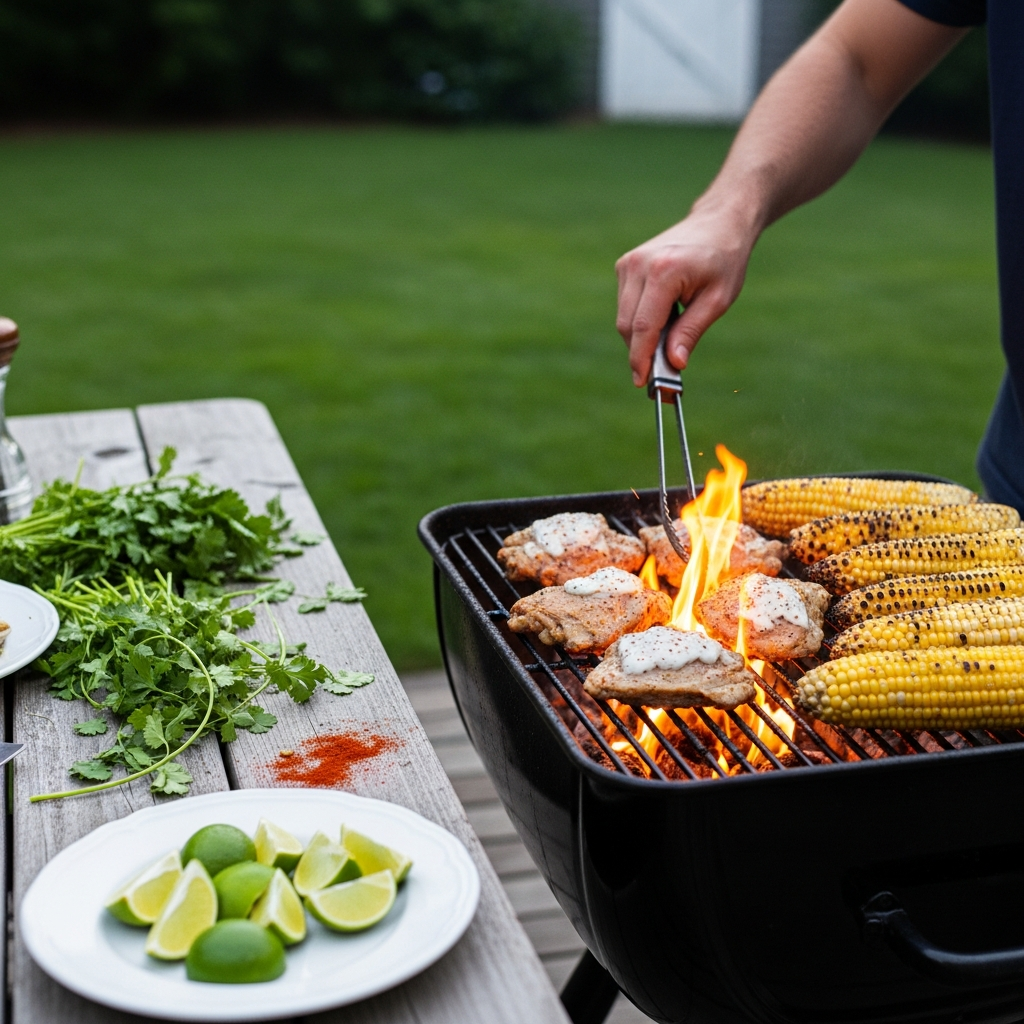
I like to begin with flavors that are familiar and then introduce a local accent. Imagine marinating chicken thighs in yogurt, garlic, ginger, and a touch of honey, then tossing them on the grill alongside sweet Naperville corn rubbed with paprika and lime. Or think about a leg of lamb, butterflied for an even roast, and finished with a bright chimichurri made from garden parsley and backyard mint. When you shop for halal meat with that kind of flexibility, your kitchen becomes a creative space that reflects the seasons as much as your family’s tastes.
Weeknight Dinners That Taste Like the Weekend
We all know how busy evenings get in Naperville. After work and activities, you want meals that deliver comfort without stealing your whole night. Ground beef and ground lamb are the quiet heroes here. I often make a stovetop keema with warm spices and a handful of peas, then spoon it over rice or tuck it into flatbreads with crunchy lettuce and cucumber. The leftovers are easy to repurpose; a soft scramble with keema the next morning makes for a hearty breakfast that carries everyone through the day. For chicken, a quick marinade of lemon, black pepper, and olive oil can make even a simple pan-sear feel special when you finish with a squeeze of citrus.
If you enjoy a little heat, let locally loved condiments inspire your recipes. A spoonful of tangy giardiniera brightens beef roast sandwiches, and a pinch of smoked paprika can add warmth to lamb skewers without overwhelming their natural sweetness. I find that these small, regional touches make weekday meals feel emotionally connected to the place we live, which is half the joy of cooking at home.
Grilling Season, Naperville Style
When the weather cooperates, Naperville cooks head outside. Halal meat shines on the grill, and the key is to balance marinade time with high-heat control. For chicken, I use yogurt as a tenderizing base, then layer in garlic, cumin, coriander, and a hint of chili. For lamb, I go simpler: olive oil, rosemary, lemon zest, and crushed pepper. Even beef benefits from restraint; a good chuck steak or sirloin takes well to just salt, pepper, and a brush of oil before it meets the grates. Let your grill preheat thoroughly and resist the urge to flip too often. A clean, hot grate and a patient cook are the best tools you have.
To channel that backyard energy into something uniquely local, I love pairing grilled meats with sides that celebrate Midwestern produce. Think tomato-cucumber salads when the farmers markets are bursting, or roasted squash in the fall. If you plan ahead, you can reserve a few skewers of lamb to serve over a bed of herbed bulgur or quinoa the next day, crowned with a dollop of garlicky yogurt. That kind of built-in leftover planning keeps the week running smoothly and rewards you for a little forethought.
Slow-Braised Comfort for Cool Evenings
When the leaves start to turn and the air goes crisp, Naperville kitchens turn to slow heat and generous aromas. Beef short ribs cooked low and slow until they give with a spoon, or lamb shoulder braised with onions, cinnamon, and dried fruit, have a way of gathering people around the table. I like to brown generously in a heavy pot, then build layers of flavor with tomato paste, garlic, and stock. A splash of apple cider in the fall deepens the sweetness without making the dish sugary. Serve with mashed potatoes, buttery rice, or a crusty loaf, and you have a dinner that makes the whole house feel warm.
These dishes also teach patience, which is perhaps the most important ingredient in braising. Let the pot simmer quietly rather than boil. Check liquid levels occasionally and tuck aromatics into the pot so the meat bathes in fragrance as it tenderizes. When done, rest the meat in its juices and skim the fat before serving. The result is a meal that tastes like a long weekend even on a Tuesday.
Respecting Halal Principles in the Kitchen
Great recipes taste better when preparation respects halal principles at home. Separate cutting boards for raw and cooked foods, careful handling to avoid cross-contact, and clean, well-seasoned cookware do more than keep you safe; they preserve the spirit of what you are making. I keep a small tray dedicated to raw meat prep and set it near the sink so I can rinse and reset the station quickly. A tidy setup encourages mindful cooking, which shows in the final dish.
It helps, too, to consider the broader idea of tayyib—wholesome quality—when you season and serve. Choose ingredients that are fresh, vibrant, and respectful of the seasons. A winter stew with sturdy root vegetables makes more sense than pretending July never ended, and a bright herb salad in spring lifts grilled meats with almost no effort. The more you tune in to the pace of the year, the more your halal recipes will feel like they belong on your table and in your town.
Building Flavor Without Complexity
There is a misconception that deep flavor must come from complicated steps. In fact, the best halal meals I cook in Naperville are built from a few well-chosen elements and careful technique. Salt early and evenly. Brown meat patiently without crowding the pan. Use aromatics like onion, garlic, and ginger to create a base, then layer in ground spices that have been gently bloomed in oil or butter. Finish with something bright—lemon, vinegar, or herbs—to wake up the palate. These fundamentals travel well across recipes, whether you are making chicken curry, lamb kofta, or a beef stew with a Chicago-style twist.
When I teach friends a simple approach to weeknight halal cooking, I suggest picking one technique and one anchor flavor each night. Maybe a quick sauté with ginger and scallions today, a sheet-pan roast with paprika and oregano tomorrow, and a stovetop simmer with cumin and coriander the next day. With good meat and a few pantry staples, you can cook across a surprising range without ever feeling stuck.
Entertaining With Ease
Hosting in Naperville tends to be relaxed, neighborly, and abundant. If you are planning a weekend dinner, consider building the menu around one impressive centerpiece and a few make-ahead sides. A roasted leg of lamb or whole spatchcocked chicken can anchor the table while you offer bowls of herbed rice, cucumber salad, and warm flatbreads. The trick is to choose dishes that hold well so you can step away from the stove and enjoy your guests. I prep sauces earlier in the day and keep them in the fridge, then bring them to room temperature before serving so flavors bloom.
For dessert, I like to stay simple: sliced fruit, a square of halva, or a make-ahead custard. After a savory meal, a light, clean finish helps everyone leave the table feeling satisfied but not overwhelmed. And in true Naperville fashion, you will probably send your guests home with a small container of leftovers for the next day’s lunch.
Where Ingredients and Inspiration Meet
Good cooking always starts at the counter. Talk to your butcher about what looks best and let that shape your menu. If lamb ribs are tasting particularly good this week, change your plan and make them the star. If a delivery of fresh chicken has just arrived, take that as a sign to try a new marinade. I find that being open to the moment—rather than sticking rigidly to a prewritten recipe—leads to better meals. In the middle of your planning, remember that Naperville has reliable markets that pride themselves on halal selections and can guide you toward the best cuts of the day. When you want a straightforward place to begin, I often suggest browsing for fresh halal meat and letting the counter inspire tonight’s dinner.
Making the Most of Leftovers
Leftovers are a cook’s secret weapon. If you grill extra chicken on Sunday, you can shred it for wraps on Monday or slide it into a pot of tomato-basil pasta for a quick dinner. Braised beef turns into stuffed peppers with rice and herbs, and lamb kofta crumbles beautifully into a lemony couscous with chickpeas. Store components separately when you can—sauces in one container, meats in another—so you can recombine them into something fresh rather than reheating the same dish. This strategy is gentle on your schedule and generous to your palate.
Frequently Asked Questions
What is the easiest halal dinner to start with on a busy weeknight? Begin with ground beef or chicken thighs. A quick marinade or a stovetop sauté with onions and spices can deliver dinner in under thirty minutes without sacrificing flavor.
How do I keep grilled meats juicy?
Preheat the grill thoroughly, oil the grates, and avoid constant flipping. For chicken, a yogurt-based marinade helps retain moisture. Rest meats off heat for a few minutes before serving to let juices redistribute.
What sides pair well with spiced halal dishes?
Bright, crisp salads and herb-forward sauces balance warm spices. Think cucumber-tomato salads, lemony slaws, and yogurt dips. Seasonal vegetables from local markets round out the plate.
Can I prepare halal meals ahead for the week?
Absolutely. Marinate proteins the night before, cook grains in batches, and make sauces that keep well in the fridge. With a little planning, you can mix and match components into new meals each day.
How do I adapt traditional recipes to local ingredients?
Lean into what is abundant. Swap in seasonal produce, use local herbs, and embrace subtle regional condiments to accent—not overshadow—classic flavors. Small adjustments keep dishes vibrant and rooted in place.
Bringing Your Menu to Life
Cooking halal in Naperville is a joyful conversation between tradition and the everyday life we share here. When you let the butcher counter and the season guide you, dinner becomes easier, warmer, and more delicious. If you are planning this week’s meals or getting ready to host friends, start by choosing a trusted local source for halal meat, then let your senses lead the way from the market to your table.