
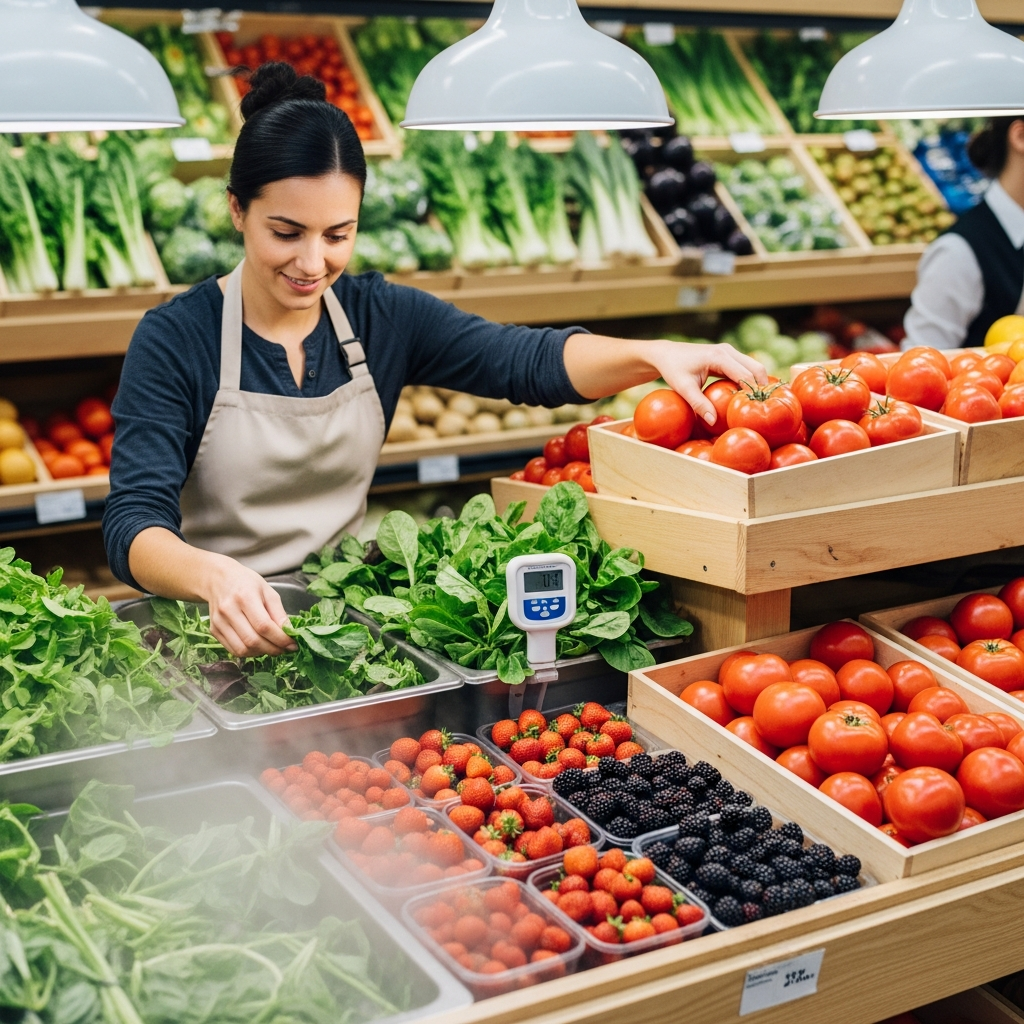
Freshness is not an accident; it is the result of dozens of small decisions that begin long before you reach for a tomato or a head of lettuce. In Naperville, where our seasons can swing from humid summers to crisp, dry winters, the path from field to cart requires vigilance. When people ask why their berries sometimes fade too quickly or why greens lose their snap overnight, the answer usually lies in handling, temperature, and timing. Understanding those factors turns you into a more confident shopper and a better steward of what you bring home. That is the quiet value of a well-run fresh market: it minimizes those risks so your meals come together with less guesswork.
Think of produce as a living thing that keeps breathing even after harvest. It respires, releasing moisture and ethylene gas, and the wrong conditions can speed that process in ways you can taste. Knowing the common pitfalls helps you spot and avoid them, whether you are in the store or unpacking at your counter.
Temperature Swings and Their Consequences
One of the biggest threats to freshness is inconsistent temperature. Leafy greens prefer it cool and consistent, while tomatoes and certain stone fruits lose flavor if chilled too deeply. Berries are happiest cold and dry, but even a brief warm stint can trigger condensation inside containers that accelerates mold. Good markets manage these variables with careful storage zones and frequent checks. When you see crisp lettuce and firm berries on a hot day, that is evidence of steady temperature control, not luck.
At home, small habits protect your investment. Do not leave groceries in a warm car longer than necessary, and give delicate items a quick check for moisture before they go into the fridge. A towel or breathable container can prevent the trapped humidity that turns crisp into limp.
Moisture Management and Airflow
Water is friend and foe. Misting keeps greens perky, but standing moisture on leaves or at the bottom of containers can lead to rapid spoilage. The same goes for cut herbs, which love humidity but deteriorate when sealed wet. Markets address this with gentle misters, careful rotation, and quick removal of damaged leaves that can seed decay. The goal is always to balance hydration with airflow so produce stays alive without suffocating.
At home, patting items dry and storing them with a bit of airflow works wonders. If you wash ahead, let everything dry completely before packing. If you prefer not to wash until use, keep a towel-lined container ready to absorb excess moisture once you do rinse.
Ethylene and Cross-Exposure
Ethylene is a natural plant hormone that speeds ripening, and some fruits release more than others. Apples, bananas, and avocados are common examples. Place them in a closed space with ethylene-sensitive vegetables—like leafy greens or broccoli—and you may unintentionally shorten the window of peak freshness. Markets mitigate this by separating storage and refreshing displays throughout the day. In your kitchen, a little awareness goes a long way: keep high emitters apart from delicate items, and use ripening fruit to your advantage when you actually want to soften something quickly.
That same principle applies during transport. A crowded bag where an avocado presses into tomatoes can cause bruising that shows up as dark spots a day later. Gentle packing makes tomorrow’s salad look and taste better.
Mechanical Damage and Handling
Bruising is not always visible right away. A box bumped on the way to the display or a heavy item placed on top of soft fruit can set in motion a chain of damage. Good markets train staff to move produce with respect—never throwing, never stacking beyond what the item can bear, and rotating frequently so the top layer is not the only one that looks good. You can sense that culture when you see tidy displays and prompt pulls of anything that looks compromised.
As a shopper, treat your cart like a mobile pantry. Keep delicate berries or herbs at the top, and place heavy items on the bottom. When you unload at home, handle soft fruit and greens first so they are not left sweating in a bag while you put away shelf-stable goods.
Seasonal Gaps and Expectations
In the Midwest, true seasonality shapes everything. Expecting July flavors in January often leads to disappointment. Quality markets help manage expectations by presenting the best available options for a given month and by offering complementary choices when a favorite is between peaks. That might mean steering from tomatoes to roasted peppers in late fall, or spotlighting greenhouse greens when outdoor fields are resting.
Understanding this rhythm makes you a happier cook. Lean into what is abundant, and your meals will reflect the moment without forcing it. The satisfaction of eating with the season is both sensory and emotional: it simply feels right.
Display Practices and Turnover
Displays are not just for looks. The angle of a bin, the depth of berries in a clamshell, and the way greens are stacked all influence airflow and pressure. A shallow layer preserves fruit integrity, while overfilling invites bruising. Turnover rate matters, too. If staff replenish smaller amounts more frequently, the produce you choose has spent less time on the floor and more time in optimal storage.
As a regular shopper, you learn to read these signals quickly. Tidy edges, crisp greens, and dry berry containers are all green lights. Sticky rims, wet leaves at the bottom of a pile, or a heavy scent of overripeness are signs to pause and choose carefully—or ask for a fresh tray from the back.
Home Storage: Last Mile, Big Impact
Even perfect produce can falter if stored poorly. Lettuce appreciates a dry towel and a breathable box. Carrots keep better if you remove the tops and store them cold. Tomatoes belong at room temperature until they are ripe enough to eat, then a brief chill is fine if you need to hold them a day or two. Herbs each have preferences: hardy ones like rosemary tolerate cold and dryness; tender ones such as basil prefer room temperature away from drafts. A few minutes of sorting when you get home prevents a week of frustration.
In practice, make a simple rule for yourself: store things how they grew. If it grew underground, it often prefers cool darkness. If it grew as a soft leaf, it wants gentle moisture and air. If it is a fruit that softens with time, give it space and check daily so you catch the peak rather than miss it by a day.
When to Ask for Help
One of the best protections against freshness issues is conversation. Ask staff when a particular item arrived, how they recommend storing it, or whether a new shipment is due later in the day. You will get candid answers because a good market wants you to have a successful meal. That exchange is part of the service you are paying for, and it quickly becomes the difference between guessing and knowing.
Midway through your shop, step back and reassess what is in your cart. If you picked up peaches that smell promising but feel firm, consider adding something ready-to-eat for tonight. That simple adjustment keeps your plans realistic while giving fruit time to reach its moment. This is where the fresh market excels: it offers choices that fit different timelines so nothing goes to waste.
Frequently Asked Questions
Why do my berries spoil quickly even when they look perfect in the store?
Berries are delicate and sensitive to warmth and moisture. A warm car, condensation inside the container, or crowding in your bag can accelerate spoilage. Keep them cool and dry, and transfer to a shallow, breathable container at home.
Should tomatoes go straight into the fridge?
Not if they are still ripening. Room temperature preserves flavor and texture as they finish. Once ripe, a brief chill is fine if needed, but let them come back to room temperature before serving for the best taste.
How can I keep greens crisp for more than a day or two?
Spin or pat them dry, layer with a towel in a ventilated container, and keep them away from ethylene-heavy fruits. Handle only what you need at a time to avoid bruising.
What is the quickest sign that produce has been mishandled?
Look for dented or weeping spots on fruit, wet leaves compressed under heavy items, or containers with excessive juice. Those cues often mean the clock is already ticking faster toward spoilage.
When is the best time to shop for peak freshness?
Early day visits offer fully refreshed displays. If you cannot shop early, ask staff when a specific item is typically restocked and plan accordingly so you catch the newest arrival.
Turn Good Intentions into Great Meals
Freshness is a partnership between the store and your kitchen. Choose with your eyes and nose, ask questions, and give foods the storage they prefer. The payoff is tangible: brighter flavors, less waste, and dinners that feel easy to say yes to. For ideas on what to bring home next, browse the fresh market and picture how this week’s meals can come together more beautifully.