Trends in food do not arrive all at once; they trickle into daily life, showing up first as a new variety of greens, a spice blend that turns up in more home kitchens, or a different kind of packaging that feels better in your hands. Here in Naperville, those signals tend to appear at the fresh market before they become mainstream. Spend a few months paying attention and you will notice how quickly the latest ideas in nutrition, sustainability, and convenience are translated into practical options for weeknight dinners and weekend gatherings.
What is distinctive about our local scene is how smoothly trends are filtered for everyday use. A concept might start as a chef-driven idea or a buzzword on social media, but once it lands in the produce section or at the fish counter, it needs to make sense for real families. That translation step—turning innovation into dinner—happens here with a kind of quiet expertise that respects both flavor and time.
Seasonality with Smarter Logistics
One clear trend is the refinement of seasonal planning. Shoppers are more aware of when asparagus, berries, and stone fruit should taste extraordinary, and markets respond by fine-tuning deliveries to match those peaks. That means tighter windows for moving fragile items from truck to bin, better temperature control during the day, and more nimble scheduling behind the scenes. You are not just getting a tomato; you are getting a tomato that hit its stride within the last day or two, and you can taste that attention.
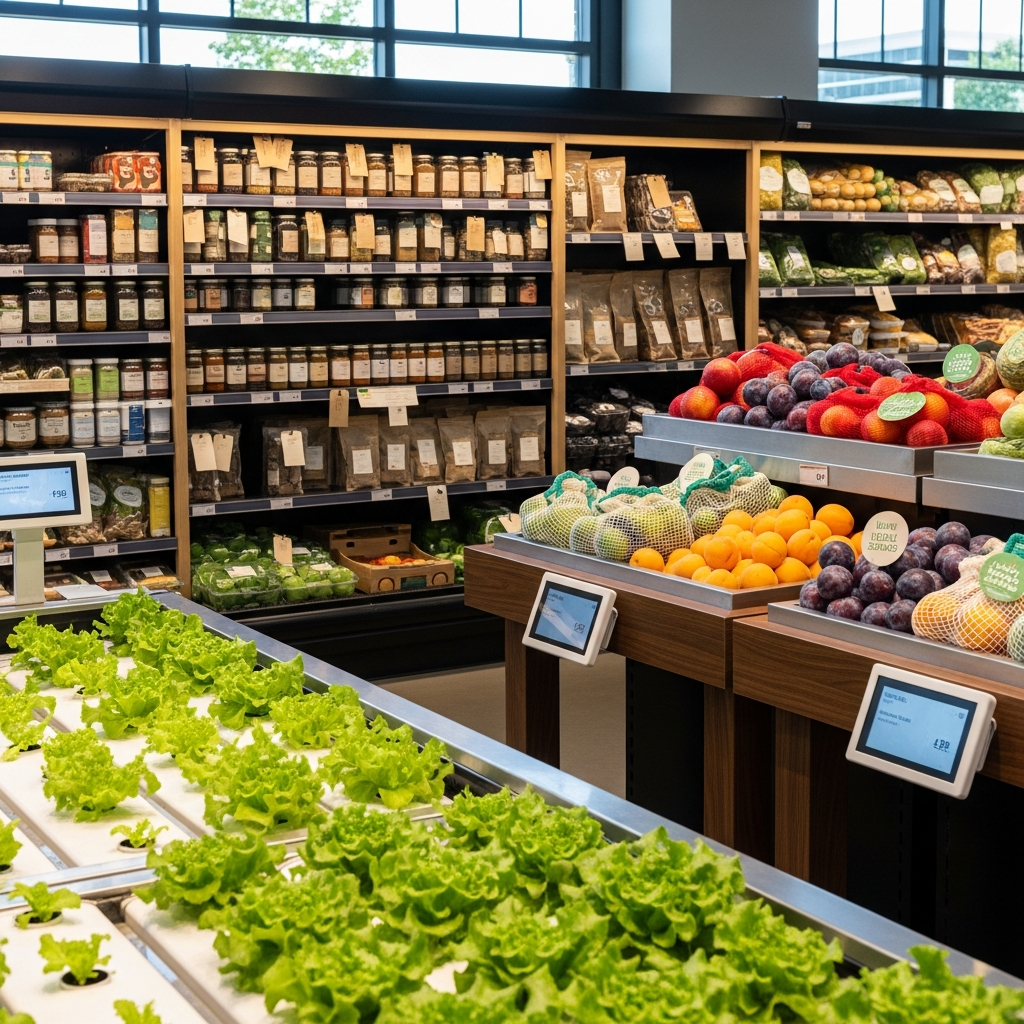
Another part of seasonality is the rise of local indoor growing methods that buffer the extremes of Midwestern weather. Greens with exceptional crispness are easier to find in colder months, and delicate herbs arrive with their perfume intact. For home cooks, this means fewer compromises in February and more consistent salad bowls year-round without losing the connection to nearby producers.
Sustainability You Can See
Packaging is changing, and shoppers notice. Lighter materials, clearer labeling, and smarter portion sizes all aim to reduce waste while protecting quality. Many markets are also investing in better back-of-house practices: swift rotation, targeted donations of safe surplus, and training that prevents damage during stocking. These steps matter because they add up across thousands of small decisions, and the result shows up in your cart as food that lasts and tastes the way it should.
You can also see sustainability in the way seafood and meats are sourced. Certifications and traceable supply chains are becoming more transparent, but the day-to-day signal is simpler: knowledgeable staff who can answer where an item came from and what handling practices keep it at its best. That clarity builds trust, which allows shoppers to be adventurous without anxiety.
Global Flavors at Weeknight Speed
Naperville kitchens have become fluent in a broader vocabulary of flavor. You might find a citrusy spice mix next to the olive oil you always buy, or chilies with just the right balance of smoke and heat near the tomatoes. The trend is not toward novelty for its own sake; it is about offering building blocks that bring big taste with minimal effort. With one or two smart additions, a simple stir-fry, roast, or salad can feel completely new.
Prepared components are getting better, too. Cleanly cooked grains, lively sauces, and washed-and-trimmed vegetables help reduce prep time without compromising on freshness. The test is always whether the product tastes like something you would make yourself if you had the time. Increasingly, the answer is yes.
Technology That Respects the Ritual
Digital conveniences—curbside pickup, thoughtful substitutions, and reliable time windows—have matured to a point where they complement rather than replace the in-store ritual. Many of us still enjoy the tactile pleasure of choosing produce, but on days when that is not possible, accurate picking and good communication ensure that the quality you expect is the quality you receive. The trend here is not toward total automation but toward human expertise supported by data.
In practice, that means better notes on ripeness preferences, photos of daily highlights, and quick texts when a shipment arrives that you have been waiting on. Technology becomes a bridge between the moment you plan a meal and the moment you shop, keeping the experience grounded in real taste and texture.
Nutrition with Nuance
Nutrition trends have moved beyond simple binaries. Shoppers are less interested in strict labels and more focused on balance, variety, and whole ingredients that naturally taste good. You will see this reflected in the prominence of leafy greens, beans and lentils, high-quality proteins, and a rainbow of vegetables that rotate through the seasons. The underlying idea is to make it easier for families to assemble nutrient-dense meals without fuss.
Education plays a role here as well. Staff can talk about fiber-rich options, foods that hold up well for lunch the next day, and substitutions that help you adapt recipes to dietary needs without losing pleasure. The trend, in a word, is kindness—meeting people where they are and helping them take the next step toward feeling good about what they eat.
Local Storytelling
Another quiet movement is the way markets tell the stories of nearby producers. A small card noting a farm’s location, a staff member who remembers when that orchard first began supplying apples, or a display that explains the flavor notes of a new variety—these are not marketing tricks as much as they are invitations to care. When you can picture the field your carrots came from, the carrots taste different. That connection keeps dollars close to home and aligns our habits with our values.
Midway through the year, when schedules feel crowded and it is tempting to fall into a rut, these stories and displays can be the nudge you need. A new pepper or herb, a different kind of grain, a citrus you have not tried before—the market gently expands your repertoire. It is also where you will see the early adopters gravitate, testing the next wave of options and sharing quick takes in line. That is how momentum builds, one enthusiastic recommendation at a time, and it is why the fresh market remains the leading indicator of what kitchens across town will be cooking next.
Comfort, Reliability, and the Joy of Small Upgrades
Not every trend needs to be dramatic. Some of the most helpful changes are small upgrades to reliability: greens that stay crisp longer, strawberries that are sorted more carefully, bread that maintains its crumb a day past purchase. These seemingly minor improvements reduce stress and keep home cooking appealing on nights when you might otherwise give up. The reward is a long string of better meals, easier lunches, and breakfasts that feel like a small victory before the day begins.
As these trends accumulate, the market becomes an ally in a more intentional life. You do not need to overhaul your pantry to benefit; you just need to say yes to the right ideas at the right time. That could be a spice blend that makes vegetables sing, a container that protects delicate herbs, or a routine that puts fruit at eye level so it is eaten at peak ripeness. Small steps add up.
Frequently Asked Questions
What seasonal trends should I watch for first?
In spring, look for tender greens and the first local asparagus. Summer brings peak berries, tomatoes, and herbs. Fall emphasizes apples and squash, and winter leans on sturdy roots with a growing presence of greenhouse greens that bridge the cold months.
How do I try a new ingredient without complicating dinner?
Pair one unfamiliar element with a dish you already know well. Add a new pepper to your usual stir-fry, or finish roasted vegetables with a different citrus. Small experiments keep dinner relaxed while nudging your palate forward.
Are sustainability changes noticeable to shoppers?
Yes. You will see lighter packaging, clearer labels, and staff who can explain sourcing decisions. You will also notice better longevity at home, which is a practical sign that quality and waste reduction are working together.
How does technology improve the experience?
Thoughtful notes on ripeness, accurate substitutions, and reliable pickup windows save time without compromising the tactile pleasures of in-store selection. Technology smooths logistics so you can focus on flavor.
What if my household has mixed dietary needs?
Markets increasingly stock versatile building blocks—grains, beans, vegetables, and simple proteins—that can be assembled into different plates from the same base. Staff can suggest swaps so everyone eats well without extra work.
Bring the Trends Home
If you are curious to see these shifts in action, walk the aisles, ask questions, and let the season lead. The best way to embrace a trend is to taste it. For a quick spark of inspiration before you shop, browse the fresh market and picture the small upgrades that will make this week’s meals shine.