When you live in Naperville long enough, you start to recognize the places that quietly hold the community together. Schools and parks do their part, of course, but so do the food spaces where neighbors swap recipes, greet staff by name, and find the ingredients that anchor their family traditions. In that everyday choreography, the fresh market plays a role that stretches well beyond shopping. It is a stage for local culture, a connective thread between growers and households, and a place where generosity is measured in ripe peaches, good bread, and friendly advice about what to cook this week.
Markets matter because they keep our daily lives human-scaled. You see the same produce clerk who remembered your preference for firm plums, the baker who sets aside a loaf because your kid has a tournament early, and the manager who will nudge you toward the herbs that just arrived. Those tiny acts of noticing weave us together, and week by week, a routine run becomes a reliable source of connection.
A Commons Where Food Traditions Meet
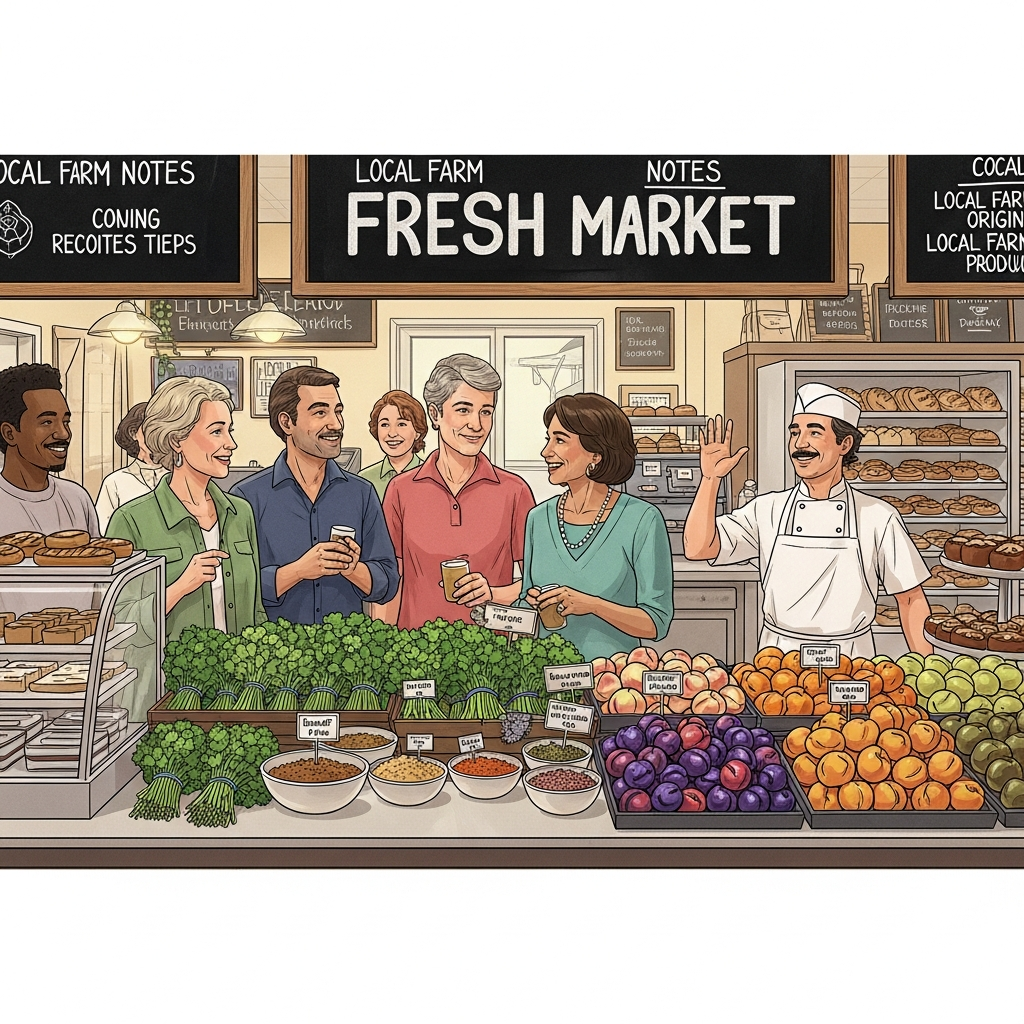
Walk the aisles on a Saturday and you will hear a dozen languages of food. Cilantro and parsley, ripe mango and tart apples, sumac and cinnamon—Naperville kitchens borrow and blend in a way that reflects our city’s diversity. The market does not just stock for that variety; it celebrates it. A grandmother shares a technique for making dumplings while someone nearby debates which pepper will lend heat without overpowering. Staff ask real questions about how you plan to cook, then tailor suggestions that fit. That is how traditions continue and evolve, plate by plate.
In this sense, the market becomes a commons, a public square with produce bins in place of benches. You can pause for a quick hello, glean a tip about handling tender herbs, and leave with the makings of a meal that will almost certainly spark conversation at home. The result is more than dinner; it is a living archive of what Naperville families are eating and sharing right now.
Strengthening the Local Food Chain
Community resilience shows up in the food chain. Reliable markets support growers during good seasons and challenging ones, smoothing out the bumps that weather and logistics can bring. When a shipment is delayed, the relationships built over years help the team pivot to comparable items without sacrificing quality. When a neighboring farm hits peak harvest, the market can move quickly to showcase that abundance and get it into your kitchen while the flavor is unrivaled.
Those connections mean that your dollar does more than fill a pantry; it sustains the network that keeps Naperville cooking well. You will notice this most in the shoulder seasons when the selection remains thoughtful even as fields transition. It is a quiet kind of service that never makes a fuss, but you feel it every time dinner comes together easily because the right ingredients were exactly where you expected them to be.
Education That Travels Home
Another reason the market matters is the informal education it offers. Ask about the difference between curly and flat-leaf parsley, or how to tell whether a melon is ready, and you will get a clear, kind answer. Those conversations travel home and turn into better storage, smarter prep, and less waste. Children especially take to this style of learning. Give a kid the task of choosing the crispest cucumbers or the brightest bunch of carrots, and suddenly vegetables feel like a treasure hunt instead of a chore.
That education is not limited to produce. Interested in a new grain, a spice blend, or a fish you have never cooked before? The best markets in town share simple preparation ideas that help a busy weeknight feel possible. The goal is never to overwhelm; it is to meet you at your skill level and make a small step forward feel like an everyday success.
Gathering Without a Reservation
We often talk about food as the heart of hospitality, and in practice, the market makes spontaneous hosting easier. A neighbor stops by after a game, and within minutes you can put out a plate of fresh fruit, sliced bread, and a quick dip; the quality of the ingredients carries the moment. Weeknights benefit, too. With dependable options for salads, simple proteins, and ready-to-cook vegetables, you can say yes to that late-afternoon invite without wondering if you have the right ingredients at home.
Even small celebrations begin at the market. A seasonal cake, a few sprigs of herbs to garnish the table, and a flat of berries that taste like summer can transform a backyard evening into something that feels special. In this way, markets become co-hosts to our lives, anticipating the ways we gather and making the details easy.
Invisible Work, Lasting Impact
Behind the scenes, there is a choreography you rarely notice: temperature checks, careful rotation, quick pulls of anything that looks tired, and constant communication about what is arriving next. That diligence keeps the experience smooth for shoppers, and it prevents waste that would otherwise ripple outward. When staff are empowered to make decisions based on quality and safety, you get consistent excellence and a sense of trust that deepens with each visit.
Midweek, when time is short and to-do lists run long, the calm predictability of a well-run market becomes a kind of service in itself. You can depend on familiar sections, friendly faces, and a display that highlights what is truly at its best. That is the moment when the fresh market feels like a partner in your day, taking the mental load out of meal planning so you can focus on the people at your table.
Welcoming New Neighbors
Naperville grows by welcoming. New families arrive, test out bus routes, find their favorite coffee, and start building their own patterns of home. Markets accelerate that settling-in process by offering a place where small talk becomes shared knowledge. You learn where to find the mint your mother-in-law prefers, or the exact apple that bakes well without going mushy. The next week, someone else overhears your tip and carries it forward. That is how belonging happens—through simple, generous exchanges in the produce aisle.
Over time, the market’s memory becomes the community’s memory. Staff recall the first spring when local asparagus was abundant, or the late summer when peaches were extraordinary, and those memories turn into traditions families anticipate year after year. Food seasons become community seasons.
Frequently Asked Questions
How does a fresh market support local growers?
By building long-term relationships, planning for seasonal peaks, and adjusting quickly when weather or logistics shift. Those practices help ensure steady demand for farms and steady selection for shoppers, reinforcing the local food chain that benefits everyone.
What makes the experience feel personal?
Consistency of staff, attention to detail, and a layout that encourages conversation all contribute. When someone remembers what you like or offers a suggestion based on your dinner plan, you feel seen—and that turns routine shopping into genuine hospitality.
Can markets help reduce food waste at home?
Yes. Guidance on ripeness and storage, plus right-sized packaging and clear labeling, helps households buy what they need and keep it at its best. Small tips, like separating high-ethylene fruit from sensitive vegetables, pay off quickly.
How does the market reflect Naperville’s diversity?
By stocking staples for many cuisines, offering knowledgeable help, and celebrating seasonal items that show up in different cultural dishes. The result is an aisle-by-aisle invitation to cook the foods that matter most to your family.
What if I am short on time?
Lean on the predictability of the layout and ask for quick recommendations. Highlighted displays and prepared essentials make it easy to assemble a meal that still tastes thoughtfully made, even on your busiest days.
Plan Your Next Visit and Share a Meal
If you are ready to experience how a neighborhood market can simplify your week and strengthen your ties to Naperville, stop in, talk with the team, and let the season guide your cart. Explore the possibilities, gather what speaks to you, and bring it home to the people you care about. For a spark of inspiration before you arrive, browse the fresh market and imagine the conversations your next meal will start.