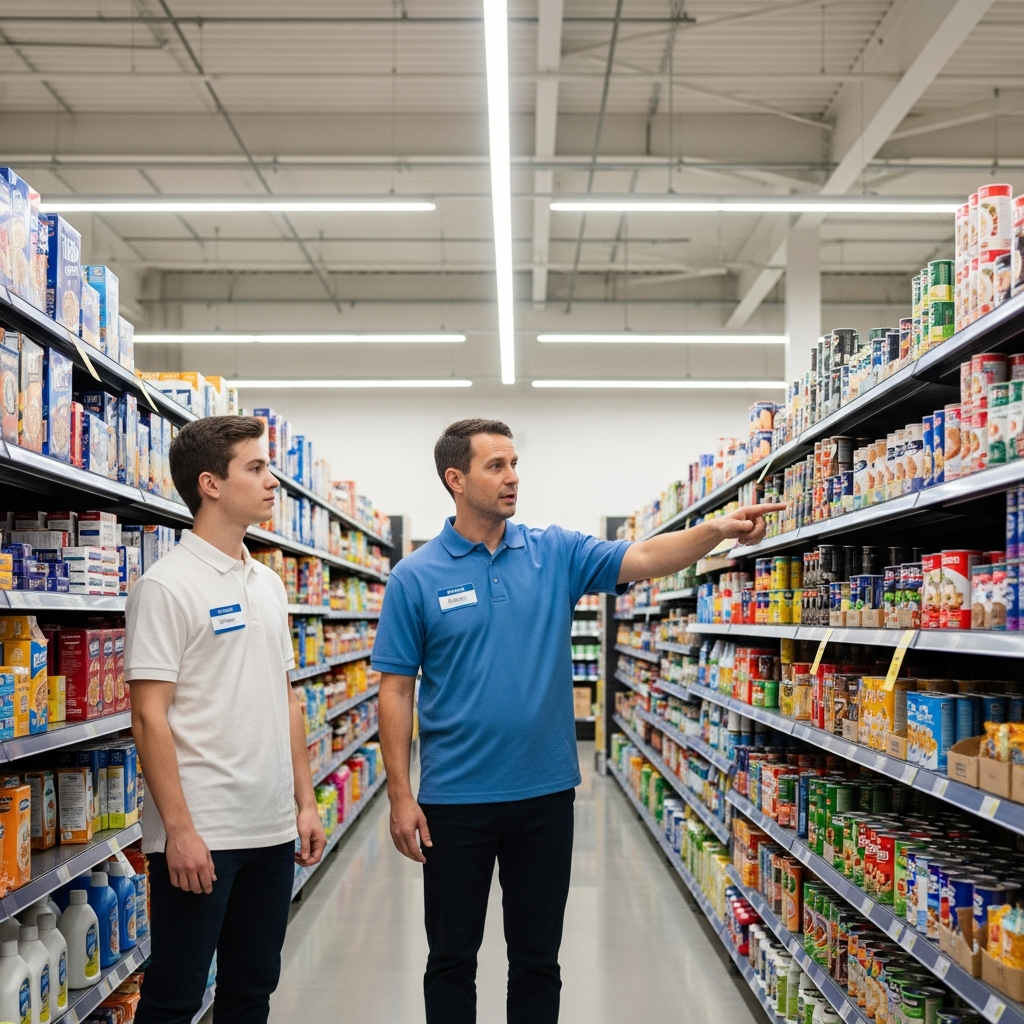
If you’ve ever walked through a Naperville grocery store just before dinner, you’ve seen an entire backstage crew in motion—front-end cashiers keeping lines moving, stockers resetting endcaps, deli associates managing a dozen requests with calm precision, and department managers orchestrating it all so the evening rush feels effortless. For job seekers, that energy translates into opportunities across schedules, departments, and experience levels. I’ve talked with store managers from the Ogden Avenue corridor to the 95th Street area, and the message is consistent: if you bring reliability, a customer-first mindset, and curiosity to learn, you can build a path here, whether you’re a student, a career-changer, or someone returning to the workforce. As you explore openings, study the store’s grocery department to understand the core of daily operations—the better you grasp where the action happens, the stronger your application and interviews will be.
Roles that power a modern store
Grocery employment in Naperville covers a wide spectrum. Front-end roles include cashiers, self-checkout attendants, and service desk associates who solve problems and keep the experience friendly. In the aisles, stocking and inventory associates ensure products are faced, rotated, and easy to find. Department roles span deli, bakery, meat, seafood, produce, floral, and grocery, each with its own craft and rhythm. Behind the scenes, receiving teams coordinate deliveries, while sanitation and maintenance staff keep the building safe and spotless. Supervisory paths include department leads, assistant managers, and store managers. For those with technical interests, roles in refrigeration, food safety, and equipment maintenance sometimes open up, especially in larger locations.
What hiring managers look for
Across departments, the same qualities surface: punctuality, clear communication, teamwork, and situational awareness. If you’re applying for a people-facing role, hiring teams want to see that you can balance speed with warmth, handle small conflicts with grace, and keep your cool during peak times. For stocking and overnight teams, managers value consistency, safe lifting practices, and attention to detail when rotating products. In service departments like deli and bakery, cleanliness, food safety knowledge, and an eye for presentation matter. The shared thread is reliability; in retail, showing up ready to work is the foundation of a strong reputation.
Translating past experience
Many candidates underestimate how well their previous experience maps onto grocery work. If you’ve worked in restaurants, highlight your ability to multitask under pressure, handle food safely, and communicate with a fast-moving team. If you come from an office background, emphasize customer service, problem-solving, and learning new systems quickly. Student athletes can talk about discipline and teamwork; parents returning to work can spotlight scheduling agility and conflict resolution. Hiring managers appreciate candidates who connect the dots and show how their skills will ease a store’s day-to-day friction.
Scheduling realities in Naperville
Unlike a nine-to-five office, a grocery store lives in waves: early morning stocking, steady midday shoppers, and evening rushes that crest after work and school. Weekends are busy, and holiday eves can feel like controlled chaos. Flexibility is prized, especially if you can cover early mornings, late evenings, or weekends. Students often build schedules around classes, while parents may cluster hours during school days. Be up front about availability; managers would rather schedule you consistently than guess your limits. If you’re seeking full-time hours, express openness to cross-training in multiple departments to smooth out weekly fluctuations.
Interview preparation that stands out
Do a short store walk before your interview. Note the state of the produce case, the tempo at the service counters, and how the front-end team handles lines. Arrive with one observation and one compliment—hiring managers notice candidates who are paying attention. Be ready with examples: a time you resolved a customer issue, handled a mistake, or supported a teammate under pressure. For service departments, basic food safety knowledge helps; understanding cross-contamination, temperature zones, and clean-as-you-go practices shows maturity. If technology is part of the role—inventory scanners, POS systems—mention any experience with similar tools, even if it’s from another industry.
Training and growth
Most Naperville stores offer structured onboarding that covers safety, service standards, and department-specific skills. Early days pair you with experienced staff who demonstrate routines and coach you through tasks. From there, growth often follows curiosity. Ask to learn adjacent skills—produce rotation if you’re in dairy, basic cake finishing if you’re in bakery, or order staging if you’re on stocking. Cross-training not only broadens your resume but also makes you a go-to problem solver when schedules shift or unexpected demand hits. Over time, leads and supervisory roles open up to those who pair competence with steady communication.
Customer service as a daily craft
In Naperville, you’ll serve longtime residents, first-time visitors, and families in a wonderful mix of languages and backgrounds. The craft is meeting each person where they are. A quick greeting, a confident aisle direction, a calm response when something’s out of stock—these small moments define a store’s reputation. Service also means reading the room: during a rush, keep answers brief and moving; on a quiet morning, take an extra minute to help a shopper compare options. Know when to loop in a supervisor, especially for returns, special orders, or sensitive situations at the service desk.
Safety and professionalism
Grocery work has a physical side, and safety is non-negotiable. Lift with your legs, ask for help with heavy cases, and use provided tools. Keep floors dry and aisles clear, especially during winter when snow and slush find their way inside. In departments that handle food, sanitation cycles and temperature logs aren’t paperwork—they’re protection for you and your customers. Professionalism shows in consistent uniforms, name badges, and patience under pressure. These habits earn trust with managers and make teamwork smoother for everyone on the floor.
Technology on the sales floor
Modern stores are powered by systems you’ll learn quickly: handheld scanners for inventory, apps for scheduling and communication, and order-picking tools for curbside and delivery programs. Comfort with smartphones and basic software is a plus. If you’ve used scheduling apps, inventory databases, or mobile point-of-sale in past roles, say so. Tech doesn’t replace the human side of service, but it does streamline tasks and help you work smarter when the store gets busy.
Choosing the right department
Your temperament and interests can guide you. If you love fast, clear wins and people-first interactions, the front end is your stage. If you enjoy order, pattern, and physical activity, stocking might be a fit. Creative types gravitate toward bakery or floral; detail-oriented candidates often thrive in deli or meat, where precision and food knowledge matter. Produce rewards those who like working with color and freshness, while grocery offers the steady cadence of keeping the entire store in balance. Ask yourself where you’ll feel energized at the end of a shift—that’s usually your lane.
Networking the Naperville way
Local hiring benefits from local connections. Attend community events, talk with staff when you shop, and ask for informational interviews. Managers remember friendly, curious candidates who introduce themselves before a position posts. If you’re a student, check in with school counselors and job boards; stores often share openings through those channels. A short, polite follow-up after submitting an application keeps your name fresh without feeling pushy.
Resumes and applications that resonate
Keep your resume clean and targeted. Lead with a short summary that highlights reliability, customer focus, and any food or retail experience. List roles that demonstrate stamina and teamwork, even if they weren’t in grocery. Add bullet-sized accomplishments—reduced wait times by reorganizing a queue, maintained a spotless station through lunch rush, trained two new team members. When you apply online, tailor your responses to the specific department. Hiring teams move quickly; a concise, relevant application outperforms a generic one every time.
Balancing work with school or family
Naperville stores are used to complex schedules. Be direct about your hard stops and ideal windows, and keep that information updated as semesters or childcare arrangements change. If your availability expands temporarily—summer breaks, school holidays—let your manager know early. Flexibility during peak periods earns goodwill that often translates into preferred shifts later.
Handling peak days and special events
The day before a holiday or a major weather event can feel like a sprint and a marathon all at once. The secret is preparation. Stock water, snacks, and a plan for your station. Communicate with your team regularly—who covers breaks, who monitors high-demand items, who liaises with the front end. Keep your demeanor steady; customers take their cues from you. When the rush breaks, reset your area so the next wave starts from order, not chaos.
Advancement and long-term paths
Many store leaders in Naperville started at entry-level and grew by pairing strong performance with curiosity. If you’re interested in leadership, volunteer for small responsibilities—opening a department, maintaining temperature logs, or coaching a new hire. Ask for feedback, then act on it. Formal opportunities arise for those who prove they can steward safety, service, and sales simultaneously. Whether you aim for department lead or a cross-functional role that touches receiving, merchandising, or e-commerce, the ladder is real for people who show up and learn fast.
Frequently asked questions about grocery jobs in Naperville
These are the questions I hear most from neighbors exploring entry-level roles or career pivots into grocery here in town.
Do I need prior grocery experience to get hired?
No. Many roles are designed for teachable candidates. Demonstrate reliability, a service mindset, and willingness to learn, and you’ll receive training tailored to your department.
Which shifts are hardest to fill?
Early mornings, late evenings, weekends, and holidays are consistently in demand. If you can cover even one of those windows, you’ll increase your chances of landing an offer and building hours quickly.
How can I stand out in an interview?
Arrive on time, dress neatly, and bring concrete examples of teamwork, problem-solving, and service under pressure. Share an observation from a recent store visit to show you understand how the location operates.
What skills translate best from other industries?
Restaurant, hospitality, and retail experience map directly. From other fields, emphasize customer service, technology comfort, organization, and the ability to stay calm and productive in busy environments.
What does training typically cover?
Safety, sanitation, customer service standards, store systems, and department-specific tasks. Early shifts often pair you with a mentor who demonstrates routines and checks your progress.
Is there room to move up?
Yes. Consistent performers who communicate well and seek cross-training often move into lead roles, then assistant manager or specialized positions that support store operations.
If you’re ready to apply, start by learning how the store runs at its core. Review the grocery department, walk the aisles with a curious eye, and picture where your strengths would shine. Then introduce yourself, submit a focused application, and step into a role that keeps Naperville’s daily life running—one cart, one conversation, and one well-timed assist at a time.