
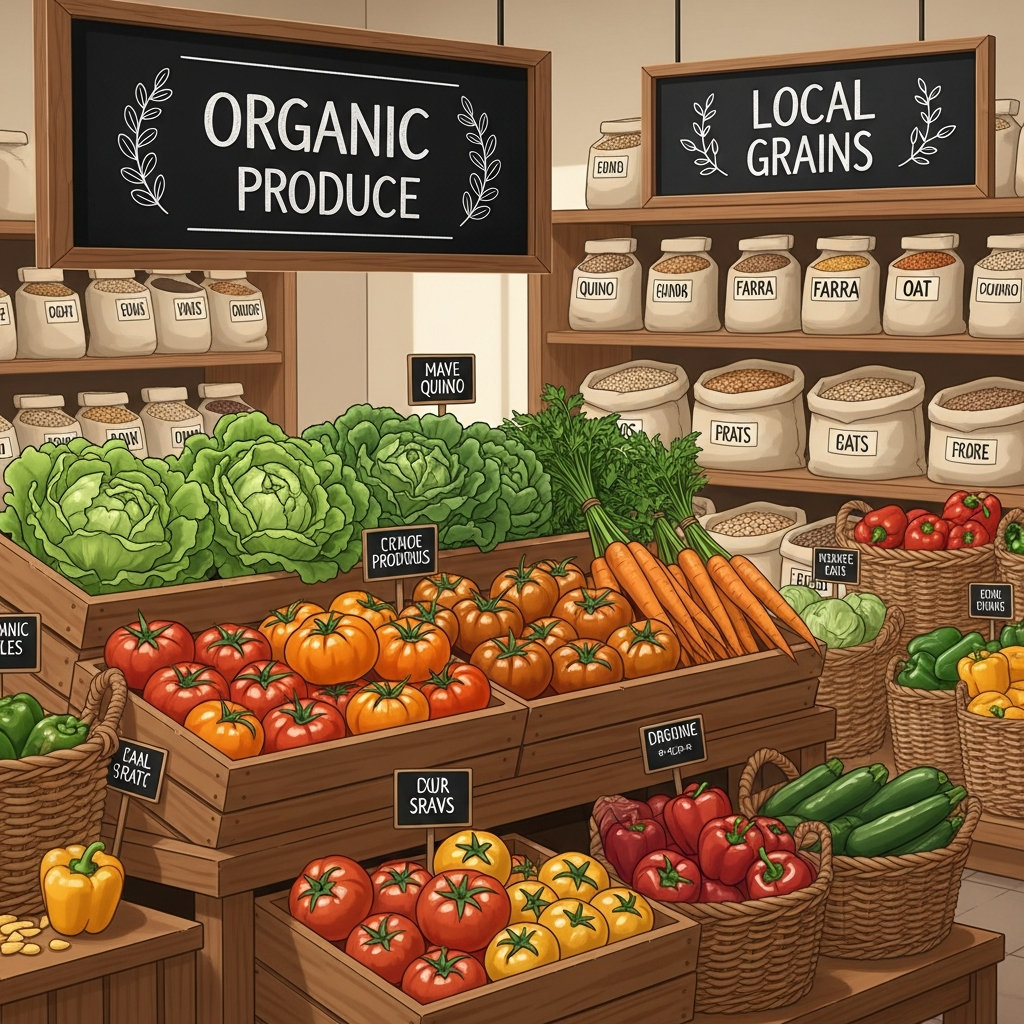
Naperville is the kind of place where a Saturday morning can start with a run along the Riverwalk, slide into a farm-fresh breakfast, and end with a grocery basket full of organic greens, pasture-inspired dairy, and pantry staples that make weeknight cooking feel clean and easy. Over time, our local markets have broadened their organic selections well beyond the basics, so you’ll find everything from carrots and spinach to sprouted breads, fair-trade coffee, and thoughtfully sourced snacks right in town. Choosing where to shop matters, not only for what you bring home but for how simple the experience feels. Before you begin, glance at your preferred store’s grocery department overview; it’s the fastest way to gauge how deep the organic bench runs in produce, dairy, and center aisles—and how well the store supports special diets like gluten-free or plant-based eating.
Reading Naperville’s organic map
Across the city—north of Ogden Avenue, through the 75th Street corridor, and down to the south side—organic-focused shopping is easier than ever. Traditional supermarkets have carved out robust organic sections, while specialty markets and international grocers round out your options with unique greens, grains, and condiments. The key is understanding each store’s philosophy. Some lead with big, national organic brands that make rebuilding a pantry simple. Others emphasize seasonal produce, local growers when practical, and short ingredient lists. If you’re new to organic shopping, start with your essentials—greens, berries, eggs, yogurt, oatmeal, beans, and tomatoes—then widen the circle to sauces, snacks, and baking items as you discover your favorites.
When to shop for the best organic produce
Timing can be everything. Early mornings usually bring the crispest leaves and berries that still carry a whisper of the cooler. If you want maximum choice—particularly for greens and herbs—shop soon after a store’s typical restocking windows, which often follow a predictable weekly cadence. Late evenings can still be lovely for root vegetables and sturdy items, but tender herbs and berries tend to shine earlier in the day. If you’re hosting a meal, consider a two-step approach: buy shelf-stable organic pantry items midweek and return on the morning of your event for delicate produce that benefits from less time in your fridge.
Understanding labels without getting lost
Shopping organic gets easier when you decode labels quickly. USDA Organic remains the baseline for products grown and processed without most synthetic fertilizers or pesticides, with standards that include soil and animal welfare considerations. Beyond that, you’ll see notes like “made with organic ingredients” or claims about non-GMO sourcing. For dairy and eggs, look for certifications and language that match your priorities, such as pasture access during the grazing season. In the produce aisle, some growers practice organic methods even if certification is in process; knowledgeable staff can sometimes share helpful context about sourcing and seasonality when you ask.
Center-aisle organics that earn their space
While fresh produce often anchors an organic shop, the center aisles carry the quiet heroes of weeknight cooking. Organic beans and tomatoes turn into quick soups and stews. Whole grain pastas and rices make one-pan dinners feel nourishing without extra effort. Organic broths, oils, and vinegars set a clean foundation for sauces and dressings. Stocking these staples simplifies meal planning, and Naperville stores increasingly group them so you can scan labels without trekking back and forth. When evaluating snacks and cereals, glance at the ingredient list first; a short list of recognizable items is usually a good sign, even among organic products.
Plant-based and allergen-aware choices
Whether you’re plant-curious or fully vegan, Naperville’s shelves now offer organic alternatives that don’t feel like compromises. Look for plant-based yogurts with minimal added sugar, nut and seed butters without hydrogenated oils, and non-dairy milks fortified thoughtfully. For families managing allergies, the organic aisle can be a friendly place to discover seed-based crackers, gluten-free flours, and simple-ingredient snacks that keep lunchboxes interesting. If you’re experimenting with baking, consider organic flours and sugars; they can bring a subtle difference in flavor and texture, especially in simple cakes and cookies where ingredients have nothing to hide.
Organic meats, dairy, and eggs
Protein choices often raise the most questions. In Naperville, you’ll find organic eggs with labeling that clarifies feed and outdoor access, organic dairy from producers that prioritize animal welfare, and a growing selection of organic or grass-fed beef and poultry. When you’re at the counter, ask for guidance on cuts that suit your recipe. Butchers and knowledgeable staff can point you to options that balance flavor, cooking time, and sourcing values. If you’re stocking up, buy what you can cook within a few days and freeze the rest in labeled portions. With organic items, proper storage preserves the premium you paid in care rather than crowding your freezer with guesswork.
International organics and flavor-building
Some of the most exciting organic choices hide in the spice and international aisles. Look for organic spice blends that let you skip half a dozen jars, organic coconut milk for curries, and vinegars that brighten vegetables without overpowering them. Organic tahini, miso, and tamari can transform vegetables and grains into deeply satisfying meals with minimal fuss. When you find a blend you love, add it to a standing list so you can rebuild flavor fast on a busy weeknight. Naperville’s diverse markets make it possible to keep your organic pantry global without chasing every ingredient to another town.
Batch-cooking and waste reduction
Organic ingredients reward planning. A weekly pot of beans becomes tacos, salads, and soups. Roast two trays of organic vegetables on Sunday and you’ll have building blocks for grain bowls and sides. Freeze a few portions of cooked grains in flat bags for quick defrosting. Buying organic doesn’t mean buying fragile; it means using the full potential of food that was grown with care. In produce, trim and store greens in breathable containers, and revive herbs by re-trimming stems and tucking them in a small jar of water in the fridge. When waste drops, the satisfaction of organic shopping rises.
Kids, snacks, and the cart conversation
Parents often ask how to keep snacks both fun and aligned with organic choices. The trick is balance. Let kids help choose one or two new organic snacks to try each week, then anchor the rest of the cart with fruit, yogurt, nuts, and whole-grain crackers. Involving them in the produce section—smelling herbs, weighing apples—turns shopping into curiosity instead of negotiation. Over time, routines form that make the conversation easier: a favorite granola, a go-to applesauce, a cracker that always disappears first, all anchored by fresh fruit and vegetables they helped choose.
Seasonal organics and local ties
Even in a city the size of Naperville, the seasons whisper through the aisles. Spring brings tender greens and strawberries; summer crowds your cart with tomatoes, peppers, and cucumbers; fall leans into squash, apples, and hearty greens; winter invites beans, grains, and roots to take the stage. When a favorite fruit hits its peak, buy just enough to enjoy it at its best and plan recipes around it for a few days. Ask staff if they’re seeing regional produce come through; you’ll often discover which items have the shortest trip from farm to shelf, even within an organic supply chain that spans broader regions.
Reading the store for signals
Stores telegraph their strengths through organization and signage. A well-marked organic section that’s tidy and fully faced hints at disciplined back-room practices and steady turnover. Endcaps that feature seasonal organics suggest an engaged team. If a staff member lights up when you ask about a new product, you’ve found a place that invests in knowledge. Use those signals to decide where to shop for big hauls versus quick refresh trips. The more a store communicates, the easier it is to trust what you’re putting in your cart.
Meal planning with organic anchors
Build your week around organic anchors that flex into multiple meals. Think a big salad with sturdy greens on Monday that becomes a grain bowl on Wednesday and a wrap on Friday. Cook a pot of lentils that appears as soup, then a side, then a topping for roasted vegetables. Buy a loaf of organic sourdough, slice and freeze half, and revive it in the toaster for breakfast and dinner alike. With a few dependable anchors, you’ll have the variety you crave without reinventing your list every time you shop.
Evaluating value without chasing every deal
Value in organic shopping shows up as flavor, reliability, and less waste. Rather than sprinting across town for each item, pick a primary store that delivers on your must-haves and supplement as needed. Consistency reduces stress and keeps your pantry in sync with your cooking goals. When you do try a new store, pick a calm time so you can read labels and ask questions without a clock ticking. After a few weeks, your cart will stabilize around brands and items that earn their place.
Frequently asked questions about organic shopping in Naperville
Here are the questions I hear most from neighbors and friends navigating the shift toward organics. Use them as a springboard for your own routine.
When is the best time to buy organic produce?
Early in the day, especially soon after restocking windows, gives you the firmest greens and the widest choice of delicate fruit and herbs. For sturdier produce, late afternoon can be fine, but plan delicate items closer to when you’ll eat them.
Do center-aisle organic items really make a difference?
They do when you cook often. Organic broths, tomatoes, beans, and grains set the tone for sauces and soups, and consistent ingredient quality translates to cleaner, more dependable flavors, night after night.
How can I keep organic produce fresh longer?
Store greens dry and in breathable containers, revive tender herbs by trimming stems and placing them in a small jar of water in the fridge, and keep ethylene-sensitive items away from fruit that ripens aggressively. A little prep on shopping day stretches freshness through the week.
What should I prioritize if I’m new to organics?
Start with the items you eat most and those that anchor recipes—greens, berries, eggs, milk or plant milks, beans, tomatoes, and oils. As you build confidence, expand into snacks, sauces, and baking staples that support your favorite meals.
Are organic meats and dairy easy to find locally?
Yes. Many Naperville stores carry organic eggs, dairy, and a growing selection of organic or grass-fed meats. If you have questions about cuts or sourcing, ask the counter staff; they’re used to guiding shoppers to options that fit both flavor and cooking time.
Can I shop organic on a tight schedule?
Absolutely. Choose a primary store with reliable organic sections, shop early or late to avoid crowds, and keep a standing list of staples. When life gets hectic, consider curbside pickup or delivery windows that align with your day to protect freshness.
If you’re ready to make organics a calm, rewarding part of your week, start with a store that communicates clearly and keeps its grocery department well organized. Build your cart around a few flexible anchors, then add seasonal produce and global flavors that make dinner feel fresh without extra effort. When it’s time to restock or explore something new, swing by and let the aisles guide you toward the ingredients that make you feel good about every meal.