European Cheese Platter Ideas for Naperville Hosts
According to specialty food market data, European cheeses account for over half of all specialty cheese imports in the United States, reflecting a growing appreciation for regional heritage and traditional aging methods. In Naperville, where home entertaining and sophisticated gathering styles are a key part of the local lifestyle, serving a standard cheese plate is no longer enough to impress guests. Homeowners across communities like Windridge, Saybrook, and Ashwood Creek frequently host gatherings where food is the central experience. Creating a truly memorable spread requires moving beyond basic supermarket blocks and embracing the distinct flavor profiles of traditional European dairy regions.
Why should you build your platter around regional European families?
Building a platter around specific European regions tells a cohesive sensory story that elevates your gathering. In European cheesemaking, terroir, the unique combination of soil, climate, grass varieties, and livestock breeds, dictates the exact flavor profile of the final product. When you group cheeses by their geographical origins, you allow guests to experience how these environmental factors influence taste. A regional focus also simplifies the pairing process, as local foods that grew up together naturally taste excellent together. For example, a robust mountain cheese from the Alps pairs beautifully with rustic rye crackers, while a delicate coastal soft cheese matches perfectly with light fruit preserves. This structured approach transforms a simple platter into an interactive tasting tour for your guests.
Which French cheeses are essential for a classic Parisian board?
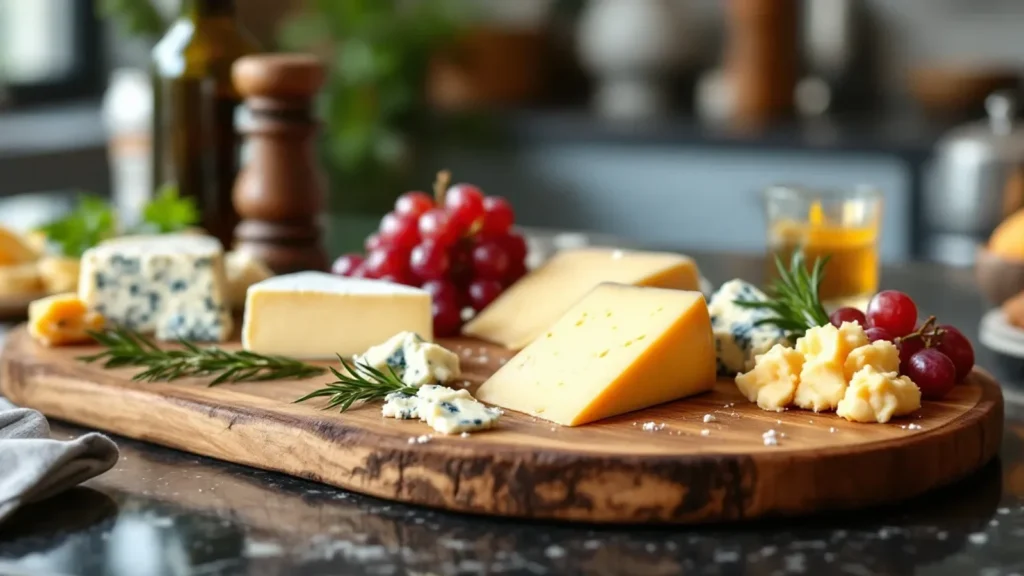
A classic French board relies on a balance of textures, moving from ultra-creamy to firm and earthy. To capture the essence of a Parisian bistro, start with a double or triple cream soft-ripened cheese, such as a traditional Brie de Meaux or Camembert. These cheeses feature a snowy, edible bloomy rind and a buttery, luxurious interior that spreads smoothly. Next, introduce a semi-hard Alpine style like Comté, which is aged in stone cellars to develop notes of toasted hazelnuts and brown butter. To complete the French trio, add a distinct blue cheese like Roquefort, made from sheep’s milk and aged in natural caves, offering a moist, crumbly texture and a bold, sharp finish. Pair these French selections with a crisp baguette, fresh grapes, and cornichons to balance the rich fats.
How do you curate a rustic Italian board beyond standard mozzarella?
If you want it handled correctly the first time, consider professional service areas in Naperville.
While fresh mozzarella is a staple of summer salads, a cured Italian platter demands cheeses with deep, complex flavors that can stand up to cured meats. Begin with a premium Parmigiano-Reggiano aged for at least twenty-four months, which features a crumbly texture studded with crunchy tyrosine crystals. Instead of slicing it, use a tear-shaped knife to break it into rustic, bite-sized chunks. Contrast this hardness with a creamy, young Pecorino Toscano, a sheep’s milk cheese that offers a grassy, mild, and slightly sweet flavor profile. For a soft element, include Taleggio, a washed-rind cow’s milk cheese from Lombardy with a robust aroma but an unexpectedly mild, fruity, and tangy flavor. For those seeking authentic ingredients, sourcing high-quality international cheese naperville options ensures your board captures the genuine regional variations of Italy.
What makes Spanish cheeses so distinct for a tapas-style spread?
Spanish cheesemaking is deeply tied to the rugged, arid landscapes of the Iberian Peninsula, resulting in cheeses that are incredibly robust and deeply savory. The undisputed king of the Spanish board is Manchego, crafted from the milk of Manchega sheep in the La Mancha region. Look for an aged Manchego curado or anejo, which showcases a firm, dry texture and a rich, slightly herbaceous, and nutty flavor. To build a diverse tapas-style spread, pair the Manchego with Murcia al Vino, a semi-soft goat’s milk cheese washed in red wine, giving it a striking purple rind and a creamy, fruity finish. Add a touch of smokiness with Idiazabal, a Basque sheep’s milk cheese that is lightly smoked over beechwood. Serve these with Spanish almonds, quince paste (membrillo), and green olives to create a balanced tapas experience.
How does Naperville’s climate and seasonal entertaining affect cheese selection?
Many Naperville homeowners rely on expert service areas in Naperville for exactly this.
In Northern Illinois, our dramatic seasonal shifts directly influence how we entertain and how we should select cheese. During our humid, hot suburban summers, heavy, dense cheeses can feel overwhelming and sweat quickly on outdoor patios. Summer gatherings in Naperville call for fresh, lactic goat cheeses, light feta, and creamy bries paired with fresh berries and crisp, chilled white wines. Conversely, our long, freezing Midwestern winters demand cozy, rich, comforting food. A winter platter should feature dense, long-aged goudas, hearty mountain cheeses, and pungent blues that pair beautifully with robust red wines, dark beers, and dried fruits. Furthermore, the climate-controlled indoor spaces of our local historic homes and newer builds require careful monitoring of humidity levels so your platter does not dry out before the guests arrive.
What are the best European blue cheeses for adventurous palates?
For guests who appreciate bold, complex flavors, a dedicated blue cheese section is a must. The world of European blues goes far beyond standard salad crumbles, offering rich histories and distinct flavor profiles. English Stilton is a classic choice, known for its beautiful blue veins, crumbly yet creamy texture, and deep, mellow, almost cocoa-like finish. From Italy, Gorgonzola Dolce offers a moist, spreadable texture with a mild, sweet, and buttery blue flavor, while Gorgonzola Piccante provides a firmer, much sharper bite. France’s Roquefort brings an intense, salty, and tangy profile that pairs spectacularly with sweet elements like raw honey or dark chocolate. Introducing these varieties adds sophisticated depth to your spread and sparks engaging conversation among your guests.
How do you prepare and slice different cheese shapes like a professional?
Presentation is key to a professional-looking platter, and the way you slice each cheese determines how its flavors are distributed. As a general rule, every guest should get a portion of the rind and the center, as the flavor profile changes from the outer edge to the core. For round cheeses like Camembert, cut them into pie-like wedges. For wedge-shaped cheeses like Manchego or Comté, slice them into thin, elegant triangles by cutting parallel to the rind, then cutting diagonally. Firm cheeses like Parmigiano-Reggiano should not be sliced at all; instead, use a cheese spade to chunk them into natural, rustic nuggets. For a cohesive look, learn more about organizing your board layout by reading our guide on charcuterie board prep in Naperville before your next event.
Ready for the next step? Learn how service areas services in Naperville can help and reach out to the team.
What specialty accompaniments elevate a European platter from good to unforgettable?
The right accompaniments act as flavor bridges, highlighting the subtle tasting notes of your . Instead of generic crackers, offer a rustic, artisanal sourdough baguette and thin, neutral crisps that do not compete with the cheese’s flavor profile. Sweet elements are essential for balancing salty and pungent cheeses; try pairing fresh figs, dried apricots, or a jar of premium honeycomb with your blues and goat cheeses. For a savory contrast, include pickled cornichons, marinated artichoke hearts, and a variety of cured meats. Olives are another indispensable addition to any European board, providing a bright, briny acidity. To choose the perfect varieties for your spread, explore our detailed guide on how to choose specialty olives in Naperville to complete your shopping list.
Where can Naperville entertainers find authentic, high-quality imported cheeses?
Creating an exceptional European cheese platter requires sourcing authentic, high-quality ingredients that have been imported and stored under the correct conditions. Finding these specialty products is simple when you visit a dedicated specialty grocery store naperville that prioritizes international culinary traditions. Shopping at a local naperville international market gives you access to a curated selection of cheeses from France, Italy, Spain, and beyond, alongside the perfect cured meats, crackers, and specialty condiments. Look for markets that maintain a high turnover of specialty dairy products, ensuring that the soft cheeses are perfectly ripe and the hard cheeses retain their optimal texture and moisture. With the right local source, you can confidently build a world-class platter that brings the rich flavors of Europe straight to your Naperville table.