
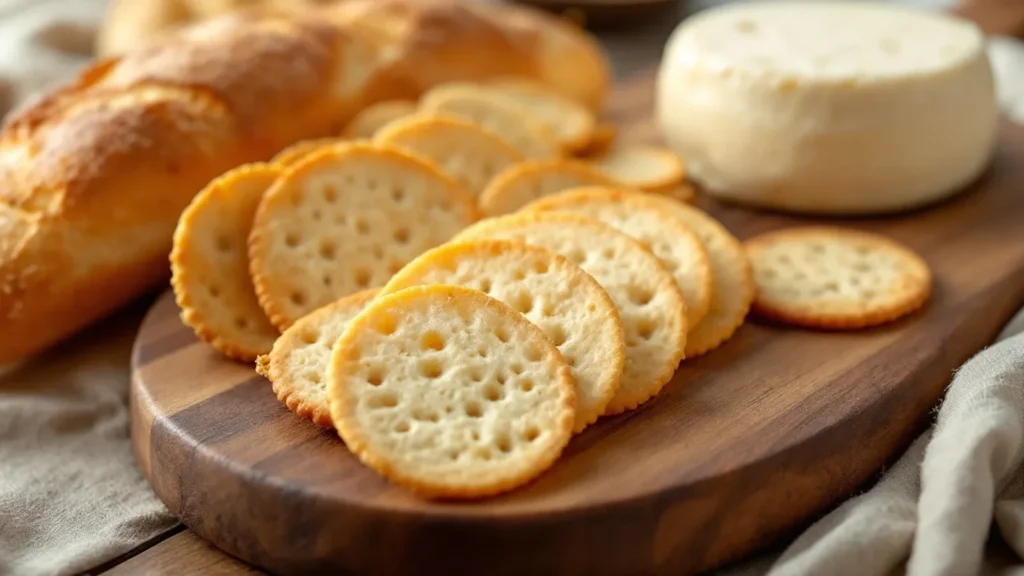
How to Pair Artisanal Breads and Crackers with European Cheeses in Naperville
Serving an exceptional cheese board is about more than just selecting high-quality dairy. When you pair a world-class French Brie or a sharp English Cheddar with a generic, overly salted cracker, you mask the complex flavor profiles you paid to enjoy. The wrong choice of grain can dry out your palate, clash with the natural acidity of the cheese, or crumble under the weight of a firm slice. For local hosts preparing a spread, sourcing authentic baked goods from a dedicated naperville international market is the key to creating a balanced, memorable tasting experience.
Each European cheese family possesses unique moisture levels, fat contents, and flavor intensities. Soft, bloomy rinds require a vessel that offers structural support without competing with their delicate creaminess, while robust blue cheeses demand a hint of sweetness or a hearty grain to balance their intense salt profile. Selecting the right foundation ensures that every bite delivers the perfect ratio of texture and taste.
The Importance of Grain and Texture in Cheese Pairings
In the culinary world, bread and crackers are not merely delivery vehicles; they are active pairing partners. The yeast, malt, and flour profiles of artisanal loaves can highlight subtle undertones in imported cheeses, such as the nutty notes in an aged Gruyère or the grassy brightness of a young goat cheese. Conversely, choosing a cracker loaded with artificial butter flavorings or heavy garlic powder will instantly overwhelm the nuanced characteristics of aged European varieties.
When planning your next gathering, consider how the physical structure of your baked goods interacts with your cheese. A brittle, thin cracker will shatter under a hard cheese, while a soft, doughy bread will turn gummy when paired with a rich, triple-cream cheese. Balancing these textures is an art that elevates a simple snack into a sophisticated tasting journey.
What You Will Need
Before assembling your pairing board, gather these essential components to ensure a professional presentation and diverse flavor experience:
- A Selection of European Cheeses: Aim for a variety of textures, such as a soft cheese (Brie or Camembert), a semi-firm cheese (Gouda or Manchego), a hard cheese (Parmigiano-Reggiano or aged Cheddar), and a blue cheese.
- Artisanal Breads: A fresh crusty baguette, a dense sourdough loaf, and a fruit-and-nut style bread.
- Specialty Crackers: Water crackers, sea salt flatbreads, oatcakes, and fruit-infused crisps.
- Board Accompaniments: Fresh grapes, dried figs, raw honey, cornichons, and unsalted nuts to cleanse the palate between pairings.
- Proper Cutting Tools: Separate knives for soft, hard, and blue cheeses to prevent mixing flavors and textures.
Step 1: Pair Crusty Baguettes with Bloomy Rinds
Begin your pairing journey by matching classic French baguettes with soft, bloomy rind cheeses like Brie de Meaux, Camembert, or Triple-Crème. The ideal baguette should feature a deeply caramelized, shattering crust and a light, airy interior with large air pockets. Slice the baguette into thin, diagonal rounds just before serving to keep the interior soft and moist.
The crust provides a necessary textural contrast to the buttery, yielding texture of the cheese, while the mild, yeasty crumb of the bread does not compete with the delicate, earthy, and mushroom-like flavors of the rind. Avoid flavored breads here; simple wheat flour, water, yeast, and salt are all that is required to let these luxurious cheeses shine.
If you want it handled correctly the first time, consider professional service areas in Naperville.
Step 2: Match Hearty Sourdough with Semi-Firm Mountain Cheeses
Pair robust, semi-firm European cheeses such as Alpine Gruyère, Comte, or Fontina with a classic, naturally leavened sourdough bread. The slight lactic acidity of a traditional sourdough cuts through the dense, nutty fat of mountain-style cheeses beautifully. For the best presentation, slice the sourdough into thin, rustic half-moons, or toast them lightly to add a warm, smoky dimension to the pairing.
The chewy crumb of an artisanal sourdough stands up well to the dense texture of these cheeses. As you chew, the sourdough’s complex fermentation profile coaxes out the subtle herbal and hazelnut notes embedded in the cheese, creating a harmonious finish that lingers pleasantly on the palate.
Step 3: Select Neutral Water Crackers for Delicate Goat Cheeses
For fresh, tangy European goat cheeses like French Chèvre or Spanish Ibores, opt for ultra-thin, neutral water crackers. These crackers are baked using only flour and water, resulting in an incredibly light, crisp texture and virtually no competing flavor. They provide the ultimate neutral canvas, allowing the bright, citrusy, and lactic notes of the goat cheese to remain the star of the show.
Because fresh goat cheese is highly spreadable, the structural integrity of the cracker is key. Look for high-quality, cold-water crackers that offer a clean snap without leaving a dusty, floury residue on your tongue, ensuring each bite feels clean and refreshed.
Step 4: Combine Rye Flatbreads and Crispbreads with Sharp, Aged Cheeses
When serving sharp, crystalline hard cheeses like aged English Cheddar, mature Gouda, or Pecorino Romano, reach for traditional Scandinavian rye crispbreads or stone-ground wheat flatbreads. These baked goods offer a dense, coarse crumb and a robust, earthy grain profile that can easily support the intense salt and umami characteristics of long-aged cheeses.
The deep, slightly bitter undertones of rye flour complement the sweet, caramelly notes found in aged Goudas and the sharp bite of historic cheddars. Additionally, the sturdy nature of flatbreads ensures they will not buckle when you apply a firm slice of aged cheese directly to their surface.
Step 5: Partner Sweet Fruit and Nut Crisps with Blue Cheeses
Many Naperville homeowners rely on expert service areas in Naperville for exactly this.
Create a stunning contrast by pairing intense, peppery blue cheeses such as English Stilton, French Roquefort, or Italian Gorgonzola with thin, twice-baked crisps containing dried fruits and nuts, such as fig and thyme or cranberry and hazelnut crackers. The natural sweetness of the dried fruit acts as a perfect counterpoint to the sharp, salty, and metallic bite of the blue mold cultures.
This sweet-and-savory combination is a classic culinary technique. The crunch of the hazelnuts or almonds in the crackers mimics the crumbly texture of the blue cheese, while the sweet fruit notes soften the alcohol-like intensity of a highly ripe blue, making it highly approachable for all your guests.
Step 6: Integrate Traditional Oatcakes with Creamy British Varieties
For a rustic touch, pair semi-hard British cheeses like Wensleydale, Cheshire, or Double Gloucester with traditional Scottish oatcakes. Made primarily from medium-ground oats, these thick, round cakes offer a crumbly, melt-in-the-mouth texture and a distinctly wholesome, slightly sweet, and nutty flavor profile.
The earthy simplicity of oats pairs naturally with the crumbly, lactic, and slightly fruity nature of historic territorial cheeses. Oatcakes also absorb the moisture from these moderately dry cheeses beautifully, creating a rich, cohesive texture as you enjoy them together.
Selecting Bakery Goods in the Naperville Climate and Market
The local climate in Naperville, Illinois, plays a surprisingly large role in how you should store and serve your artisanal breads and crackers. During our humid Midwestern summers, crusty European baguettes can lose their crispness and become rubbery within hours of purchase if left exposed to the air. To combat this, local entertainers should purchase their baguettes on the day of the event, keeping them stored in a paper bag until thirty minutes before serving. Never store high-quality bread in plastic bags, as this traps moisture and ruins the crust.
Conversely, our cold, dry winters can quickly sap the moisture out of sliced artisanal loaves, turning a beautiful sourdough dry and stale. If you are prepping your boards ahead of time during the winter months, keep your sliced bread tightly wrapped in a clean, dry kitchen towel or stored in a wooden breadbox. For crackers, always store any leftovers in airtight glass jars or sealed containers to maintain that essential, satisfying snap that defines a great pairing.
When to Consult a Specialist in Naperville
Ready for the next step? Learn how service areas services in Naperville can help and reach out to the team.
While compiling a standard cheese board is simple, preparing a spread for a major milestone, a formal cocktail party, or a large holiday gathering in Naperville can quickly become overwhelming. If you are unsure of how much bread and cheese to purchase per guest, or how to accommodate specific dietary needs like gluten-free requirements without sacrificing texture, consulting with a local specialist is highly recommended.
A knowledgeable specialty grocer can help you calculate the exact quantities needed, recommend seasonal arrivals from Europe, and suggest pre-packaged cracker flights designed specifically to match your cheese choices. They can also guide you on how to properly prep your board ahead of time, which you can learn more about in our guide on preparing your board safely, ensuring your ingredients remain fresh and appetizing throughout your entire event.
Frequently Asked Questions
Can I use pre-sliced sandwich bread for a European cheese board?
It is best to avoid standard pre-sliced sandwich bread. These loaves often contain sugar, preservatives, and a highly uniform, soft texture that lacks the structural integrity, crust, and complex grain flavors needed to balance authentic European cheeses.
How do I keep my crackers from getting soggy on the platter?
To prevent crackers from absorbing moisture from soft cheeses, fresh fruits, or cured meats, always serve them in a separate basket or bowl alongside your main board, rather than placing them in direct contact with wet ingredients.
Should I serve crackers warm?
While crackers are typically served at room temperature, warming rustic flatbreads or oatcakes in a low oven for five minutes just before serving can release their natural grain oils, enhancing both their aroma and flavor.
What is the best way to slice a fresh baguette for cheese?
Use a long, serrated bread knife and slice the baguette at a sharp 45-degree angle. This diagonal cut creates a wider surface area, providing more space for spreading soft cheeses and making the bread easier to hold.
How can I accommodate gluten-free guests without ruining the pairing?
Look for high-quality gluten-free nut-thins, seed crackers, or toasted artisan gluten-free bread. Ensure these are served on a separate dish with dedicated knives to avoid cross-contamination with wheat-based crumbs.
Elevate Your Next Gathering with Authentic Pairings
Creating a memorable cheese and charcuterie experience is all about respect for the ingredients. By matching the right physical textures and flavor profiles of artisanal breads and crackers to your imported cheeses, you honor the centuries-old European traditions that went into crafting them. To ensure your selection remains fresh, learn about proper cheese storage methods to preserve their quality before your guests arrive. Gather your favorite varieties, assemble your boards with care, and enjoy the rich, sophisticated flavors of Europe right here in Naperville.