
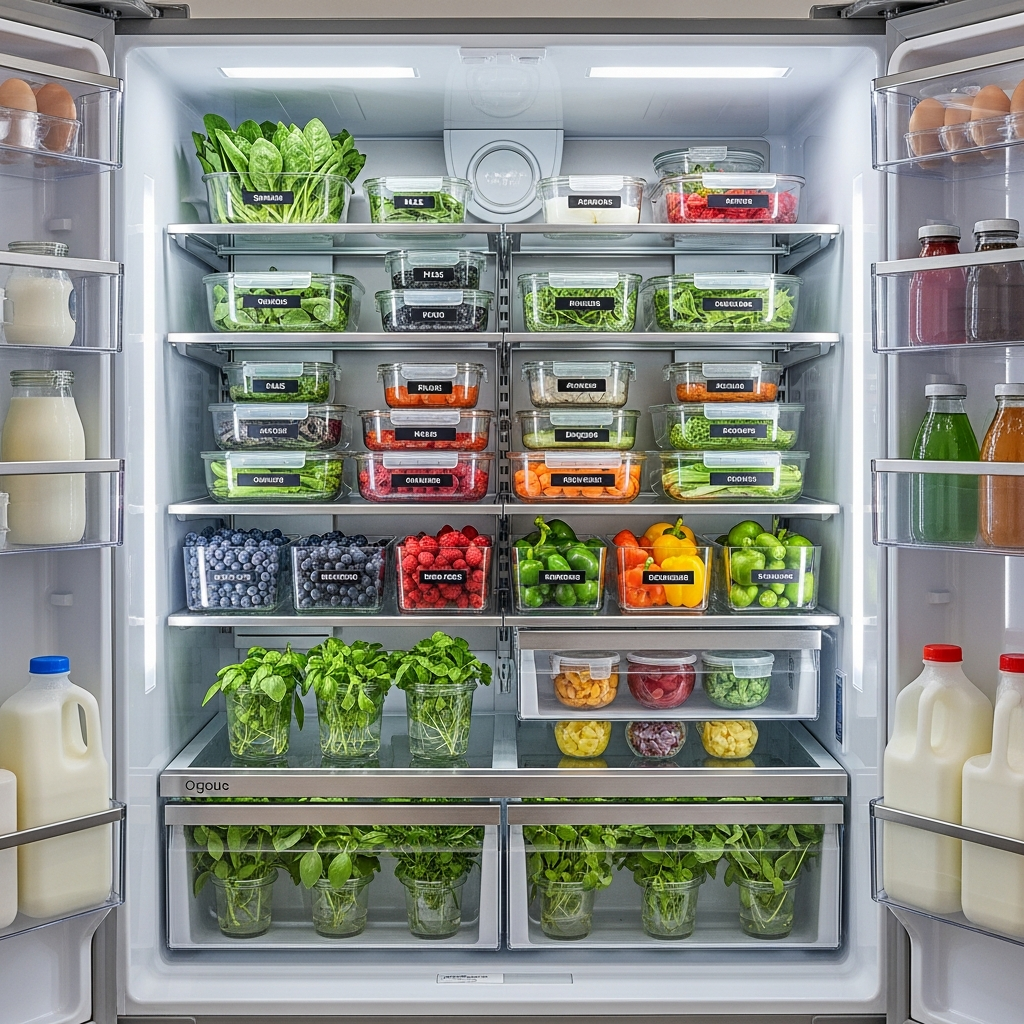
In Naperville, our weeks move fast: school drop-offs on 75th Street, after-practice pickups near Frontier Park, and impromptu Riverwalk strolls when the weather is kind. With that pace, nothing feels worse than opening the fridge to limp greens or discovering berries gone soft a day too soon. Storing organic food well is a quiet superpower—it saves time, preserves flavor, and stretches your budget without adding effort. With a few local-friendly habits and a short list of best practices, you can keep ingredients vibrant from Saturday shopping through Friday dinner, making the most of each season’s bounty and the city’s excellent selection of organic foods.
Think of storage as the last step of shopping. You’ve already invested care in choosing good produce and pantry staples; now you’re simply protecting that investment. The goal isn’t to turn your kitchen into a lab. It’s to set up a gentle system that nudges you toward using ingredients at their peak and gives you a clear path for odds and ends when life gets hectic.
Start with a five-minute triage
When you return from the store, set a timer for five minutes. Unpack quickly, separating delicate items from sturdy ones. Berries, herbs, tender greens, and mushrooms go in a “use first” group; carrots, cabbage, apples, and squash move to a “use later” group. This tiny ceremony shapes your week without a spreadsheet. It also gives you a cue for midweek dinners: fragile items headline early, sturdy ones anchor the weekend.
During triage, do small prep you’ll be grateful for later. Rinse and spin greens, wrap them in a dry towel, and tuck them into a breathable container. Trim herb stems, place them in a jar with water, and cover loosely. Wipe mushrooms with a dry cloth and keep them in a paper bag. These steps extend life and make weeknights easier.
Know your fridge zones
Every refrigerator runs a little differently, but certain principles hold. The back of the lower shelves stays coldest; the door is warmest. Use crispers as designed: the high-humidity drawer suits leafy greens and herbs, while the low-humidity drawer better houses fruits that prefer airflow. If your fridge allows, label drawers “greens and herbs” and “fruit” to steer the family toward good habits.
Store cut produce in airtight containers to prevent drying and odor transfer. If you prep onions or garlic, seal them well and keep them away from berries and greens. Likewise, keep ethylene-producing fruits—apples, bananas, pears—separate from ethylene-sensitive items like greens and broccoli. A simple divider or separate bin can save days of freshness.
Handle berries with extra care
Organic berries are precious and perishable. Keep them dry and cool. Sort gently and remove any crushed or moldy ones immediately. If you must rinse, do it right before eating to avoid added moisture that speeds decay. For busy mornings, portion berries into small, breathable containers so kids can grab-and-go without rummaging and bruising the rest.
Frozen berries are your safety net. When fresh is fragile or the season shifts, keep a bag of organic frozen blueberries or strawberries on hand. They transform yogurt, oatmeal, or pancakes without the pressure of a use-it-now clock.
Leafy greens: wash, dry, and breathe
Most wilted-salad sadness traces back to moisture mismanagement. Wash greens promptly, spin them dry, and place in a container lined with a clean towel. Leave the lid slightly ajar or use a breathable container to prevent trapped humidity. If you see condensation, swap towels midweek. Treat sturdy greens—kale, chard—a little more boldly; they can handle washing and storing for several days without complaint.
To revive limp greens, soak them in ice water for ten minutes, pat dry, and use them that night. They often crisp back beautifully when given fresh water and a second chance.
Herbs are living plants—treat them that way
Soft herbs like parsley, cilantro, and dill last longer in a jar with an inch of water, loosely covered with a bag. Change the water every other day. Hard herbs like rosemary and thyme prefer a damp towel wrap in a container. Label each herb with the purchase date so you can prioritize without guessing. When in doubt, make a quick herb oil or pesto and freeze in small cubes for instant flavor bombs.
Don’t toss stems. Cilantro stems add crunch to salsas; parsley stems fortify soups and stocks. Stems can be stored in a separate “flavor bag” in the freezer, ready to enrich broths whenever you simmer something simple on a weeknight.
Root vegetables and squash: cool, dark, and patient
Carrots, beets, and parsnips prefer a cool, dark drawer in the fridge, ideally wrapped to prevent drying. If carrots arrive with tops, remove the greens to keep the roots from losing moisture. Winter squash and sweet potatoes are happier at room temperature in a dark corner, away from heat sources. These sturdy staples buy you time in busy weeks, so let them carry late-week dinners when the fridge looks sparse.
If you roast a big batch on Sunday, store cooked pieces in airtight containers for easy bowls, tacos, or pasta add-ins. Cooked vegetables often last longer than raw cut ones because they’ve already crossed the threshold where enzymes trigger rapid changes.
Tomatoes, stone fruit, and the counter-fridge dance
Tomatoes belong on the counter until fully ripe. Once they reach peak aroma, you can refrigerate briefly to extend life by a day or two, bringing them back to room temperature before eating. Peaches, plums, and nectarines benefit from the same dance: counter for ripening, fridge for holding, table for enjoyment.
To avoid fruit bruising, use shallow bowls instead of deep piles, and keep fruit away from direct sunlight. A soft cloth lining in a fruit bowl cushions delicate skins and slows damage from enthusiastic snackers.
Bread, grains, and the freezer advantage
Good bread goes stale faster than its ultra-processed cousins—another reason to love your freezer. Slice loaves, freeze portions, and toast from frozen. Cooked grains like rice, quinoa, or farro store well for four days in sealed containers. Freeze extra portions flat in bags; they thaw quickly and become the base for last-minute bowls when schedules change.
Label with both date and quantity. Future-you will thank present-you when you can grab exactly what you need without thawing a mystery block.
Dairy and eggs: steady temperature, smart containers
Keep milk and yogurt on interior shelves where temperatures are most consistent. Close lids tightly after each use to prevent flavor transfer. Eggs prefer the original carton, which protects them from odors and reduces moisture exchange. If your fridge door has an egg tray, consider using it for condiments instead; the door’s temperature swings can shorten egg life.
For cheese, wrap firm varieties in breathable paper or a loose towel inside a container, and store fresh cheeses in their brine or whey if provided. A quick re-wrap after opening prevents both drying and excessive moisture—cheese wants a middle path.
Proteins and safe thawing
Freeze meats and seafood in flat, well-sealed packages so they thaw evenly. Thaw in the fridge on a tray to catch condensation, never on the counter. Cooked proteins last several days and often taste better after resting overnight. If you cook a double batch on Sunday, you’ll shield yourself from Wednesday fatigue and keep meals on track without resorting to last-minute decisions.
Plant proteins deserve equal care. Store cooked beans with enough cooking liquid to keep them tender, and freeze extra portions in small containers. They reheat beautifully and slip into salads, soups, or tacos without fuss.
Oils, nuts, and seeds
Delicate oils like flaxseed and some nut oils prefer the fridge, while olive oil is comfortable in a cool, dark cupboard. Nuts and seeds stay fresh longest when refrigerated or frozen, especially in summer. Stale nuts undermine otherwise great cooking; a cool storage spot preserves their snap and fragrance.
When you decant bulk items into jars, label them with purchase date and source. You’ll spot what needs using first and avoid keeping a jar long past its flavorful window.
Leftovers you’ll actually want
The difference between leftovers that languish and leftovers that vanish is visibility and intention. Store in clear, shallow containers so you can see what’s inside. Group by day—Monday, Tuesday—so priority is obvious. Pair each container with an idea: tacos, omelets, grain bowls. When a label tells you both date and plan, you’re far more likely to use it.
A quick “family shelf” in the fridge keeps lunch-ready containers within easy reach. Kids grab a container, add fruit or a handful of nuts, and their meal assembles itself.
Emergency reserves that still taste great
Busy weeks happen. Build a small reserve that feels like a gift to your future self: a bag of frozen vegetables, a can of good tomatoes, a jar of beans, and a box of pasta. Add one bold condiment—pesto, harissa, or chili crisp—and you can make dinner in under twenty minutes. Because these items store well, they stand ready when plans shift unexpectedly.
Keep this reserve in a single bin so you can see stock at a glance. Restock it on weekends during your triage, and you’ll never stare into the pantry wondering what happened to dinner.
Cleaning and maintenance rituals
Storage works best when the environment is clean. Wipe shelves weekly, especially after juicy items spill. Rotate older items forward during your five-minute triage. Every month, do a deeper clean: remove drawers, check gaskets, and vacuum fridge coils if accessible. A tidy fridge is a daily nudge toward cooking; it invites you to open the door and assemble something colorful.
These rituals don’t need to be perfect. Even an imperfect system beats improvisation under pressure. As you practice, the routine becomes muscle memory, and food waste drops without heroic effort.
Frequently asked questions
Note: These storage questions come up again and again in Naperville kitchens.
Should I wash produce right away or just before using?
Wash sturdy greens and herbs right away—drying well is key. For delicate berries and mushrooms, wait until just before eating to avoid excess moisture. The goal is clean, dry, and visible produce that invites you to cook.
How do I keep cut fruit from browning?
Toss slices with a little lemon juice, store in airtight containers, and keep cold. For apples in lunchboxes, a quick lemon-water dip maintains color without overpowering flavor.
What’s the best way to store fresh bread?
For short-term use, keep it at room temperature in a paper bag and cut from the middle to expose less surface area. For longer storage, slice and freeze. Toasting from frozen restores texture better than leaving bread in the fridge, which can accelerate staling.
How long will cooked grains last?
Most cooked grains keep well for three to four days in sealed containers. Freeze extra portions flat for fast thawing. Label by date and portion size to streamline weekday meals.
How do I prevent herbs from collapsing in a day?
Trim stems, place in a jar with water, and cover loosely. Change water every other day. For woody herbs, wrap in a damp towel and refrigerate in a container. When herbs approach their limit, blitz them into sauces and freeze for later.
With these habits, your kitchen becomes a calm, capable space where fresh ingredients keep their promise. Set a timer for five minutes when you unload, use the fridge zones to your advantage, and plan a midweek check-in to shuffle what needs attention. For ingredients that inspire better cooking and store beautifully with these methods, shop Naperville’s most reliable selection of seasonal and pantry-ready organic foods and let simple routines carry you through the week.
If you’re ready to put this into practice tonight, choose one tender item to use first—perhaps greens or berries—and one sturdy ingredient to prep for later in the week. Pair them with a favorite grain, and dinner is halfway done. When it’s time to restock and keep momentum, swing by the local aisle with the widest variety of fresh and freezer-friendly organic foods and enjoy a week where everything you bought gets eaten with pleasure.