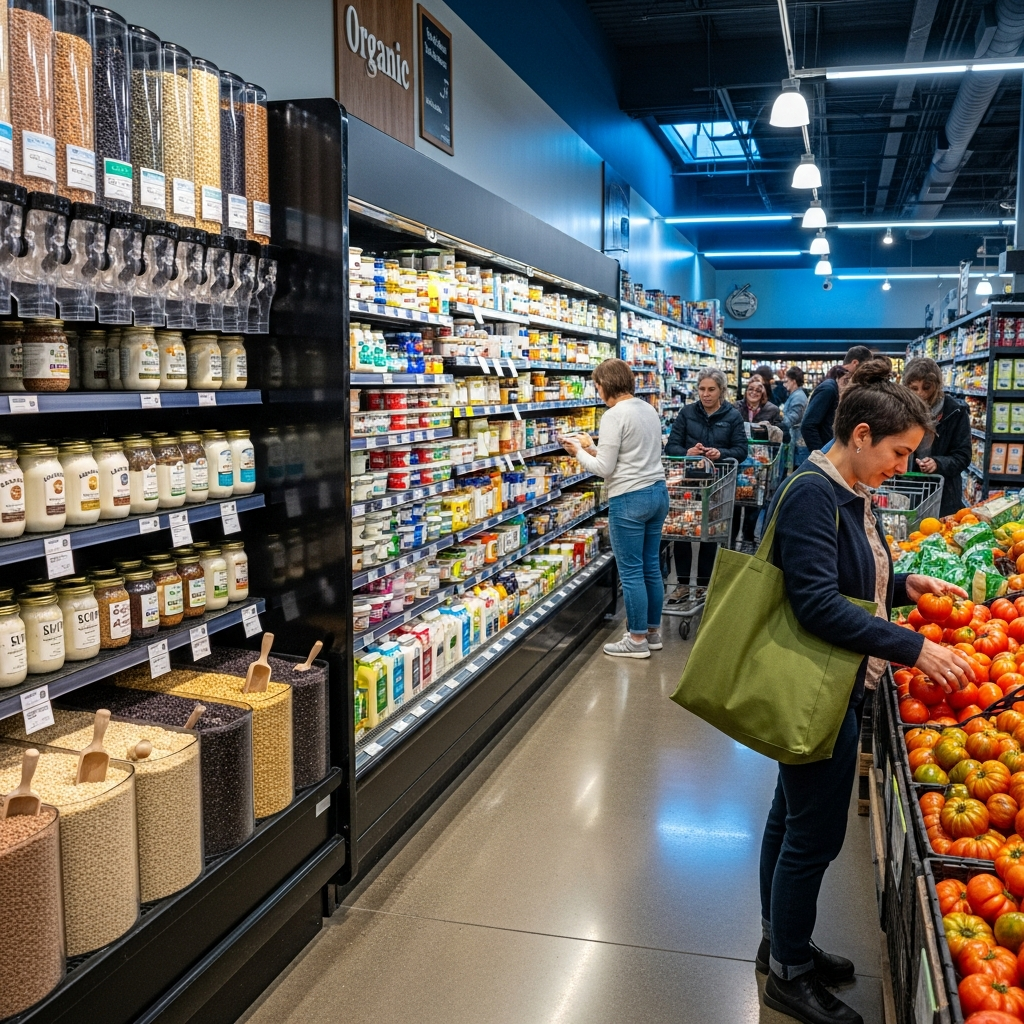
Walk any Naperville grocery aisle on a Saturday morning and you can feel it: our city’s tastes are evolving. From bulk bins filled with heritage grains to refrigerators stocked with cultured dairy, the landscape is shifting in ways that reflect both national momentum and local personality. These changes aren’t just about labels; they are about the kinds of foods we crave, the stories behind them, and how we cook during packed weeks of practices, lessons, and long commutes. The result is a market ecosystem that rewards flavor, transparency, and everyday practicality—qualities that naturally elevate the role of well-sourced produce and a thoughtful mix of organic foods.
As a local observer who spends too much time comparing tomatoes and talking to shoppers, I see a clear throughline: Naperville wants real food that tastes great, supports wellness, and fits weeknight realities. Below are the trends making that happen—from the rise of regenerative practices to the home-cooking renaissance sparked by flexible staples and small-batch condiments. These patterns have unique expressions in our city because our parks, schools, and family schedules shape how we shop and cook.
Seasonality is back in the driver’s seat
After years of “summer strawberries in January,” many households are rediscovering how satisfying it is to let the season lead. In late summer, the produce section tilts toward tomatoes you can smell from an aisle away; as fall sets in, the color palette shifts to squashes, sweet potatoes, and hearty greens. This embrace of seasonality dovetails with organic production because farmers working with healthy soil coax vivid flavors from crops harvested at their peak. For families, this means simpler recipes and fewer ingredients—roasted vegetables with olive oil and herbs, brothy soups with crusty bread, and salads that taste like the weather outside.
Seasonality also changes how we plan. Instead of rigid weekly menus, more shoppers build “frameworks” and plug in what looks best today. That flexibility keeps food waste down and culinary curiosity up. When pears are perfect, dessert writes itself; when kale is vibrant, a warm grain salad appears without fuss.
Regenerative and soil-first stories resonate
Organic certification remains a strong signal, but shoppers increasingly ask what happens beneath the surface: cover crops, compost use, and biodiversity. These regenerative practices are rising because they deliver results you can taste and values you can endorse. Retailers in Naperville have responded with better signage, staff training, and sourcing conversations that give shoppers more insight into how food was grown. That transparency matters in a community that loves education and expects details.
The regenerative lens also affects category growth. Whole grains, legumes, and rotational crops are having a moment as people appreciate their agronomic role and culinary versatility. From farro bowls to chickpea stews, these staples anchor meals and adapt across cuisines, earning repeat appearances on busy weeknights.
Private-label organics find their stride
Another notable trend is the maturation of private-label organic lines. Early iterations sometimes trailed national brands on flavor or texture, but today many house brands hold their own. For Naperville families, that means more points of entry into organic staples—oats, beans, canned tomatoes, and frozen vegetables that deliver quality with minimal decision fatigue. The rising consistency of these products underpins a broader shift toward pantry-based cooking, where dinner emerges from familiar building blocks rather than elaborate recipes.
With reliability established, shoppers feel confident planning two or three nights around these anchors, then adding fresh produce as the week unfolds. It’s a rhythm that keeps stress low while still leaving room for creativity on weekends.
The home fermentation and cultured dairy revival
Yogurt has always been a staple, but cultured dairy has broadened to include kefir, skyr, and labneh, each finding a niche in local kitchens. Meanwhile, adventurous cooks are dabbling in quick pickles, sauerkraut, and sourdough starters. These trends thrive alongside organic produce because they showcase raw ingredients with minimal interference. A jar of pickled red onions can brighten tacos, rice bowls, and salads all week; a spoonful of labneh transforms roasted vegetables into a complete meal.
This revival fits Naperville’s personality: curious, education-forward, and eager to turn learning into practice. Kids enjoy watching fermentation magic happen on the counter, and adults appreciate the depth of flavor with almost no added effort once the basics are mastered.
Plant-forward doesn’t mean meatless; it means versatile
Plant-forward eating is often misunderstood as a total shift away from animal products. In Naperville, the trend looks more like flexible plates anchored by vegetables, beans, and grains, with meat or cheese playing a supporting role. Organic produce shines in this context because vegetables carry the melody. Think sheet-pan suppers where carrots, onions, and squash caramelize into sweetness; bowls layered with quinoa, kale, and a jammy egg; or pasta tossed with garlicky greens and lemon zest.
Versatility is the superpower. The same roasted tray can become tacos, bowls, or frittatas over two days. That efficiency makes plant-forward cooking not just a health choice but a time-management strategy for families juggling packed calendars.
Frozen is fashionable again—when quality leads
Freezer aisles used to be an afterthought. Now they’re treasure maps for high-quality organic vegetables, berries, and even grains cooked al dente and flash-frozen at peak. For Naperville commuters, this is liberation: nutrient-dense dinners without a last-minute scramble. Frozen organic spinach marries with eggs for a fast breakfast-for-dinner; mixed berries turn into a quick compote; pre-cooked brown rice forms the base of a satisfying bowl. The trend reframes “convenience” from compromise to capability.
Importantly, frozen doesn’t mean flavorless. With better sourcing and gentler processing, these products taste like the harvest, not like storage. That sensory payoff is why they command space in more carts each month.
Smarter packaging and waste-aware shopping
Another quiet shift is how people in Naperville manage waste. Reusable produce bags, right-sized packages, and clear storage cues help households buy what they’ll actually eat. Retailers are responding with smaller units for specialty items and larger sizes for pantry staples, matching real household patterns. Clearer date labels and staff guidance also reduce confusion and keep good food from being tossed too early.
Waste-aware shopping pairs naturally with organics because it honors the effort invested in growing high-quality ingredients. When shoppers plan to use every stem, leaf, and leftover, they cook more confidently and stretch meals further.
Global flavors meet local produce
Naperville’s cultural mix means our kitchens blend techniques and seasonings from around the world. The trend now is to apply those flavors to local, seasonal, often organic produce. A sheet pan of root vegetables becomes a Moroccan-inspired side with cumin and coriander; cabbage turns Korean with gochugaru and scallions; tomatoes lean Italian with basil and good olive oil. Pairing global flavors with regional seasonality keeps meals exciting without chasing hard-to-find ingredients.
This fusion mindset also helps families accommodate different preferences at one table. A pot of rice, a tray of roasted vegetables, and a few condiments let everyone compose a plate that fits their taste and appetite.
Transparency and story-driven shopping
Shoppers increasingly want to know where and how food is grown. Labels that highlight farm practices, variety names, and harvest windows stand out. Staff who can explain the difference between two similar items become trusted guides. This is particularly true for organic categories where certifications, regenerative claims, and local partnerships intersect. In a city that values education, clarity converts curious browsers into confident cooks.
That trust-building also occurs online, where product pages and store newsletters share sourcing notes, quick recipes, and storage tips. When shoppers feel informed, they plan better and waste less—a win for budgets, taste, and sustainability.
Prepared foods grow up
Prepared foods once meant predictable salads and sandwiches. Today, more counters offer vegetables roasted with intention, grains cooked to proper texture, and sauces that taste homemade. Organic inputs are common, not as a marketing flourish but because they deliver better flavor. For Naperville families, these options bridge the gap on nights when cooking from scratch isn’t realistic, allowing households to maintain a plant-forward, whole-food baseline even during crunch time.
Quality prepared foods also inspire home cooking. Once you’ve tasted a stellar roasted cauliflower salad, it’s natural to recreate it on Sunday and stretch it through the week. Prepared food becomes a classroom as much as a convenience.
Middle-of-the-cart anchors
There’s a new habit I see everywhere: shoppers drop two or three simple anchors into the middle of the cart—say, a bag of organic greens, a carton of eggs, and a can of chickpeas. Those choices cue the rest of the plan: frittata tonight, grain bowls tomorrow, soup on Wednesday. It’s a mental model that transforms the shopping trip into a storyboard for the week. Because these anchors are organic and versatile, they lower stress without lowering standards.
Once anchored, it’s easy to add color and texture—radishes, herbs, citrus, nuts—turning baseline meals into something memorable with almost no extra time. This approach is the opposite of overcomplication, and it’s catching on fast because it works.
Frequently asked questions
Note: Here are the Naperville-specific questions that come up most when I talk about shifting market trends.
Are shoppers really cooking more, or just buying different products?
Both. People are buying better staples—grains, beans, eggs, and seasonal vegetables—and actually cooking with them, often in simple, repeatable ways. The result is fewer ultra-processed items and more meals built from recognizable ingredients.
How do I keep up with trends without chasing fads?
Adopt techniques, not products. Learn to roast vegetables well, cook grains to the right texture, and make a few sauces. Those skills let you use what’s best today rather than hunting for novelty items that won’t become habits.
Is frozen organic produce as good as fresh?
When picked at peak and flash-frozen, it’s excellent—especially for berries, spinach, and peas. Use frozen to backstop busy nights and to cut waste; use fresh when you want textural contrast or when the season is at its best.
What role do kids play in these trends?
Kids set demand at home. When they learn to make a smoothie, assemble a bowl, or scramble eggs with spinach, they influence shopping lists and encourage parents to keep quality staples on hand. Their curiosity accelerates positive change.
How are retailers in Naperville adapting?
By expanding organic assortments, clarifying labels, training staff, and spotlighting seasonality. Many also share quick recipes and storage tips that help shoppers turn good intentions into meals.
Do these trends cost more time?
Not if you focus on versatile anchors and repeatable techniques. A tray of roasted vegetables, a pot of grains, and a simple sauce can power multiple meals with minimal hands-on cooking. The payoff is better flavor and steadier energy during the week.
As you explore these shifts on your next shopping trip, let your senses steer. Choose what smells vivid, feels firm, and looks lively. Build your week around a few anchors and add color as you go. If you want a sure starting point that reflects where Naperville’s taste is heading, spend an extra minute in the section devoted to thoughtfully sourced organic foods and pick two items you’re excited to cook tonight.
Then, trust the process. Roast, simmer, and season with curiosity. Share what works with neighbors, trade a jar of something delicious, and keep the momentum going. When you’re ready for new ideas or simply need to restock the essentials, revisit Naperville’s most dependable selection of fresh and pantry-ready organic foods and let the season do the heavy lifting.