
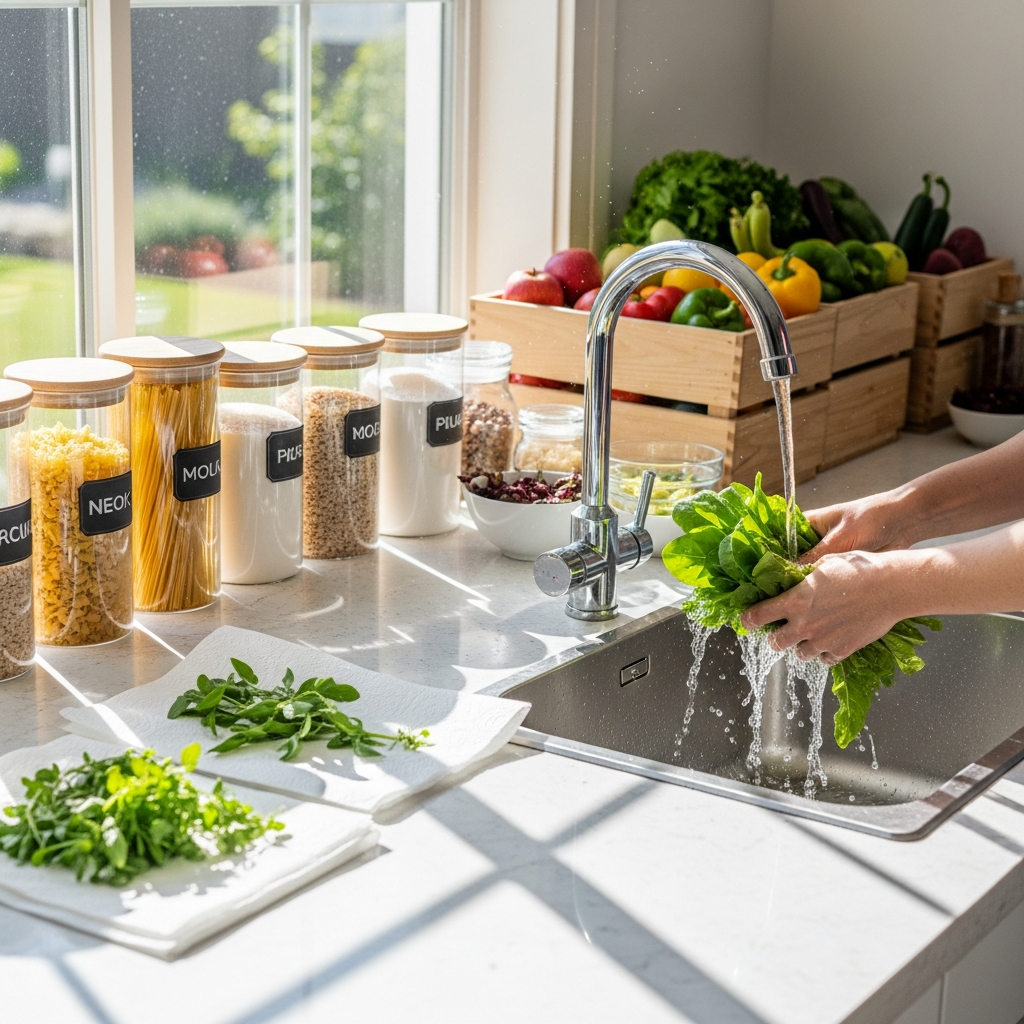
Keep Produce Fresher, Longer in Your Naperville Kitchen
Naperville kitchens do a lot of heavy lifting. They host early breakfasts before the school run, pack sturdy lunches that survive a morning at the 95th Street Library or a science lab at school, and bring the family back together after a late practice at Frontier Park. With so much riding on your fridge, you want the produce you buy to last and taste great. The good news is that a handful of maintenance habits can stretch freshness by days, sometimes a full week, turning your cart into consistently delicious meals. Many households start by choosing lively, well-handled items—think of the carefully curated Fresh Market products—and then following simple storage steps that keep that quality intact.
Good maintenance is less about gadgets and more about rhythm. Wash and dry intentionally, control moisture, organize for visibility, and give delicate items a kinder environment. These steps are not fussy; they are gentle guardrails that free you from midweek frustration. Once you build the habits, your fridge stops being a graveyard of good intentions and becomes a reliable source of quick, colorful meals.
Start at the Store: Inspect, Then Plan
Maintenance begins before you get home. Inspect produce with your senses. Look for vibrant color, firm but not hard textures, and gentle fragrance in ripe fruit. Avoid damage or bruising, which shortens shelf life. Choose a mix of quick-use items like tender greens and slower-use items like carrots or cabbage to spread freshness across the week. Plan a rough order of operations: delicate items early, sturdy items later. That simple mental map lowers stress when Wednesday arrives faster than expected.
As you build your cart, think in pairs. If you grab spinach for salads, also grab a grain that turns leftovers into lunch. If you choose berries, also add yogurt or oats to turn them into breakfasts. This pairing strategy increases the odds that everything gets used at its peak. When your cart aligns with your week, food moves through the kitchen smoothly.
Washing and Drying: The Hidden Superpower
Water is both friend and foe. Clean produce is safer and more appetizing, but lingering moisture speeds up spoilage. The solution is to wash, then dry completely. For greens, submerge in cool water, swish gently to release grit, and lift into a spinner. Spin until dry and finish on a clean towel if needed. For herbs, a quick rinse and a gentle shake are enough, followed by careful drying. For sturdy vegetables and fruit, wash just before use unless you plan to prep them for grab-and-go snacking.
Once dry, store sensitive items with moisture control in mind. A paper towel in the container absorbs condensation. Ventilation helps too; if your containers have a vented option, use it for items that release moisture. The goal is a barely humid environment that keeps leaves springy but not wet.
Containers and Zones: Design Your Fridge Like a Pro
Treat your refrigerator like a little city with neighborhoods. Greens live together in a sealed bin with a paper towel. Herbs stand in a jar with an inch of water, loosely covered, and placed where you will see them. Berries sit on a paper towel in a shallow container, un-stacked, so they do not bruise. Root vegetables find a cool, dry drawer. Citrus likes a drawer where it will not roll around. When you give produce a home, everyone in the family knows where to look, and items are less likely to be forgotten.
Visibility is crucial. Clear containers prevent surprises and encourage use, especially on busy nights. Labeling with purchase or wash dates helps you rotate. It may feel extra the first week, but by the third, you will wonder how you managed without it. Children can help with labeling, which also teaches them about storage and time management in the kitchen.
Herbs: The Fragrant Test of Your System
Fresh herbs signal both success and struggle in produce maintenance. They wilt quickly when neglected and burst with life when treated well. Think of herbs like flowers. Trim the ends, stand them in a jar of cold water, and lightly tent with a produce bag. Cilantro and parsley thrive this way in the fridge door. Basil is different; it prefers room temperature. Keep it on the counter in water away from direct sun, changing the water daily. Dill and mint love the water-jar treatment, too, and reward you with days of fragrance and flavor.
If you have more herbs than you can use, chop them and freeze in olive oil in small containers. Pop out a cube to finish soups, pastas, and roasted vegetables with a burst of brightness. This habit reduces waste and ensures flavor is close at hand on any weeknight.
Leafy Greens: From Fragile to Reliable
Leafy greens often disappoint when stored poorly. The fix is a gentle process: wash, dry very thoroughly, and store in a sealed container with a paper towel. If the towel becomes damp, swap it for a dry one midweek. Pack loosely so leaves are not crushed. Hardy greens like kale and chard are more forgiving, but they still benefit from dryness and a sealed environment. When you treat greens well, salads taste like a treat, and sautés cook quickly with minimal fuss.
For ultra-fast meals, pre-wash and portion greens into containers sized for single dinners. On busy nights, you can dump and dress without thinking. This is especially helpful during sports seasons when evenings are short and appetites are high.
Fruit: Staggered Ripeness Keeps the Week Balanced
Naperville households thrive on grab-and-go fruit. Keep apples and pears cold to stay crunchy, but let peaches and plums ripen on the counter until fragrant and just soft at the shoulder. Then move them to the fridge to pause ripening and extend peak enjoyment. Bananas do their own thing and should stay on the counter, away from delicate produce. Berries appreciate gentle handling—do not wash until you are ready to eat, unless you wash and thoroughly dry before storing on a towel-lined tray.
For lunch boxes, pre-portion washed grapes, sliced melon, or citrus segments in clear containers at the eye level of the fridge. When snacks are visible and ready, they get eaten. This small step saves time during the morning rush and keeps fruit from languishing in a drawer.
Vegetables: Roast, Then Reuse
If there is one maintenance habit that pays back all week, it is roasting a tray or two of vegetables right after your main shop. Toss broccoli, carrots, peppers, or zucchini with oil and salt, then roast at high heat until tender and caramelized. Store in containers for quick grain bowls, omelets, wraps, or sides. Because roasting concentrates flavor and drives off excess moisture, the vegetables hold texture for days. They reheat beautifully and make second-night dinners feel like first-night dinners.
Root vegetables and squash are your allies in the second half of the week. They store well and deliver comfort. When you cube and roast them in advance, you are thirty seconds from adding color and substance to a meal. Keep a lemon nearby; a final squeeze lifts roasted vegetables and keeps flavors bright.
Ethylene 101: Keep the Peace in the Produce Drawer
Some fruits release ethylene gas, which speeds ripening and, if unmanaged, spoilage in neighbors. Apples, bananas, and avocados are common producers. Keep them away from delicate greens and berries. Use separate drawers or containers to prevent accidental ripening cascades. This is one of those small science facts that changes your whole fridge once you pay attention. Label one drawer as the ripening zone and one as the preserve zone so the household follows the same logic.
If you want to ripen something faster on purpose—say, an avocado for taco night—pair it with a banana in a paper bag at room temperature. Check daily, and move it to the fridge at peak. Controlled ripening is the secret to having the right texture on the right day.
Pantry Partners: Extend Freshness With the Right Staples
Fresh produce shines when paired with stable pantry items that make quick meals effortless. Keep grains like rice or farro, a favorite pasta, beans, olive oil, vinegars, and a bright mustard within easy reach. A lemon, an herb, and a grain can become dinner in minutes. When the pantry is ready, you are less likely to let produce languish for want of a companion ingredient.
Dressings and sauces turn maintenance into meals. A simple vinaigrette made with citrus, vinegar, and olive oil holds for several days. A yogurt-herb sauce lives happily in the fridge and loves everything from roasted carrots to grilled chicken. These building blocks invite improvisation, which is the heart of confident, low-waste cooking.
Midweek Refresh: The Naperville Secret Weapon
Even with excellent maintenance, a week can sag by Wednesday. A tiny shop breathes life into your plan. Pick up greens, a fresh herb, and a fruit that is at peak. Add one flexible protein. Suddenly, leftovers are exciting again. Pasta gets tomatoes and basil. Rice gets scallions, a squeeze of lime, and a fried egg. Soups welcome a handful of spinach. In a town where calendars run full, the midweek refresh is as essential as any storage tip, and it pairs well with reliable shelves that feature consistent Fresh Market products built to slide into whatever you already have.
This habit also prevents that Thursday-night drift toward takeout. With a few fresh touches waiting in the fridge, you can assemble a meal in the time it takes to set the table. The food tastes alive again, and the week finds its second wind.
Teaching Kids to Help: Maintenance as Family Routine
When children participate in produce care, freshness lasts longer and snacks disappear at the right pace. Give kids age-appropriate jobs: spinning greens, sorting berries, or labeling containers. They learn where food lives in the fridge and why it matters. This small education pays off in fewer forgotten items and more enthusiastic eating. Teens who master a couple of storage habits and simple dressings become kitchen assets on busy nights.
Maintenance chores also create an easy weekend rhythm. After a Saturday shop, everyone takes a station—washing, drying, labeling, roasting. With music on and windows open, it feels less like work and more like setting the stage for a good week. The payoff arrives every time you open the fridge and see order instead of mystery.
Common Mistakes and How to Fix Them
Washing berries and storing them wet is a fast track to waste. If you prefer to wash in advance, dry thoroughly on a towel-lined tray before moving to a shallow container. Packing greens too tightly compresses leaves and encourages moisture; give them space. Ignoring the paper towel swap midweek means a soggy container by Thursday; set a reminder until the habit sticks. Finally, hiding produce in opaque bags ensures you will forget it. Clear bins and eye-level placement are your allies.
Another frequent misstep is prepping too far ahead. Chopped onions and peppers are convenient but lose vigor if they sit too long. Prep what you will use within two to three days, and give yourself permission to do the rest later. Your future self will thank you when the second half of the week tastes as bright as the first.
FAQs: Produce Maintenance in Naperville Homes
Should I wash everything as soon as I get home? Wash leafy greens and herbs right away so they are ready to use, but dry them thoroughly before storing. For sturdy vegetables and most fruits, washing just before use is fine unless you are prepping ready-to-eat snacks. If you wash berries in advance, dry them completely and store them on a towel-lined tray in a shallow container.
How do I keep greens crisp for more than a couple of days? Dry them thoroughly after washing, store in a sealed container with a paper towel to capture moisture, and avoid overpacking. Swap the towel if it becomes damp. Use the most delicate greens first and save heartier ones for later in the week.
What is the best way to store herbs? Treat tender herbs like parsley and cilantro as you would flowers—trim, place in a jar of water, tent loosely, and refrigerate. Keep basil at room temperature in water, out of direct sun. Change the water daily. For surplus herbs, chop and freeze in olive oil for easy flavor boosts.
How can I reduce waste when my schedule changes suddenly? Rely on flexible components: roasted vegetables, cooked grains, and a bright dressing. These pieces adapt to many dinners. A short midweek shop for greens and an herb can transform leftovers. Store ripening fruit in the fridge to extend its peak, and label containers so you can prioritize what to use first.
Any tips for lunch boxes that come home empty? Pre-portion visible, ready-to-eat fruit at eye level in the fridge. Include a crunchy vegetable with a favorite dip. Rotate options so lunch feels fresh without being complicated. Good maintenance makes these choices easy during the morning rush.
Make Fresh Last From Shop to Supper
When your produce care matches the pace of Naperville life, you save time, reduce waste, and eat better. Start with well-chosen, lively ingredients, build a few simple storage rituals, and refresh midweek to keep momentum. If you are ready to upgrade how your fridge performs, explore the dependable range of Fresh Market products and bring home ingredients that stay vibrant from the first rinse to the last bite.