How Today’s Fresh Market Trends Are Changing Naperville Carts
Take a stroll through any well-loved grocery in Naperville and you will notice something different from five years ago. The produce section is not just abundant—it is curated with intention, the bakery feels both global and local, and the labels speak a new language of transparency. Shoppers are choosing with their eyes, their values, and their calendars. These shifts are not abstract; they are showing up in the everyday carts of families from Carillon Club to Tall Grass. What once felt like specialty habits are becoming everyday norms. Many households begin their weekly plan by checking a dependable assortment of Fresh Market products that deliver on flavor while fitting busy lives.
Trends can be fleeting, but what is happening in Naperville’s fresh aisles feels more like an evolution. It is a blend of renewed interest in seasonal eating, increased curiosity about global flavors, a deeper respect for ingredient transparency, and a practical push for kitchen efficiency. Shoppers want food that tastes as good as it looks, tells a story they can trust, and fits a week that oscillates between school pickups and late-evening walks along the Riverwalk.
Trend 1: Seasonality as Strategy
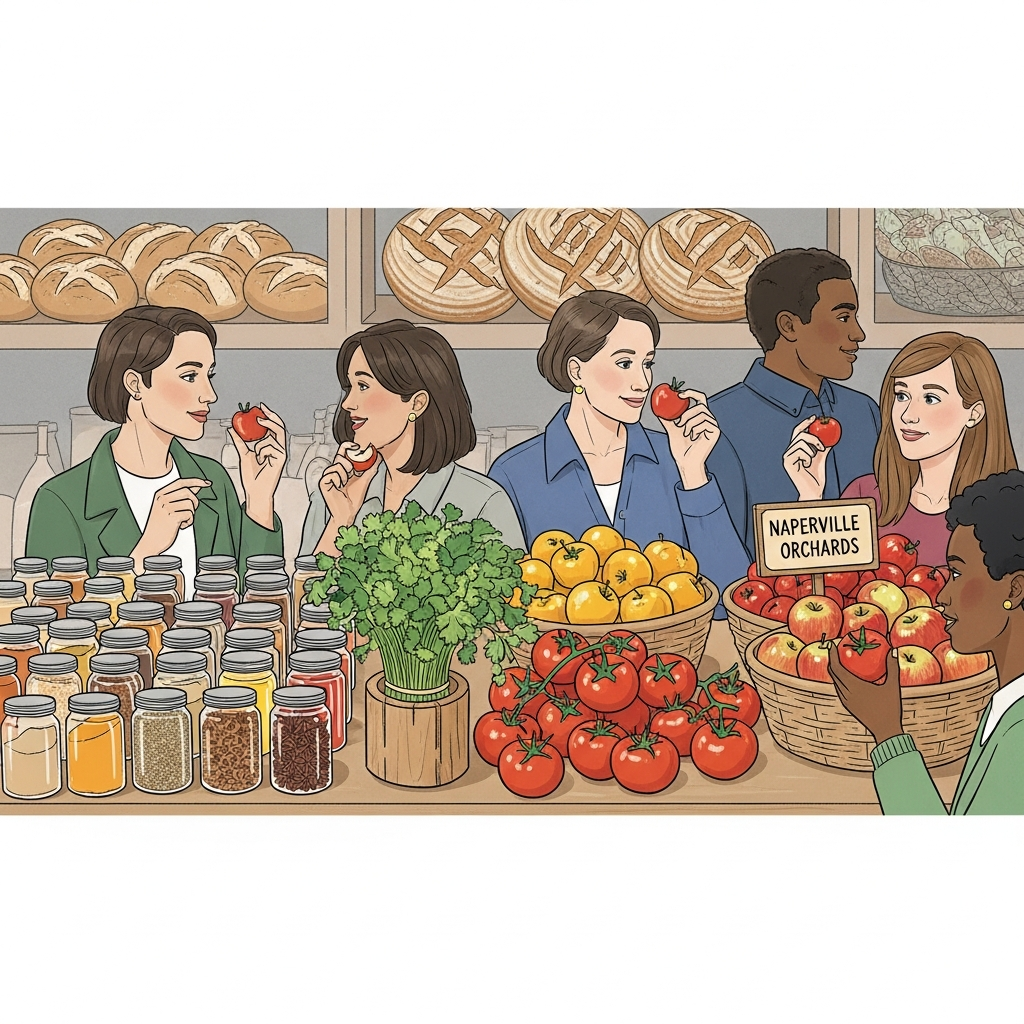
Seasonal eating is no longer a romantic ideal; it is a strategy for better meals and easier planning. When peaches smell like sunshine and tomatoes are visibly brimming with juice, shoppers do not need to be convinced—they reach instinctively. In Naperville, families are syncing menus to months. Spring leans into crisp salads, summer features no-cook dinners, fall turns to roasting pans, and winter embraces simmered soups and citrus. The benefit is immediate: peak-season produce keeps better, tastes better, and often simplifies the number of steps required to turn it into dinner.
Seasonality changes how people shop across the week. Instead of one massive cart, many choose a main shop with a short midweek visit for greens, herbs, and fruit. This pattern keeps the fridge feeling alive and reduces waste. It also elevates home cooking from a chore to a series of small pleasures. The smell of basil on a Wednesday can reset a tired routine. A pint of berries can bring back the energy to finish the week strong.
Trend 2: Global Pantry, Local Plate
Naperville’s diversity shows up in what shoppers reach for. Harissa and gochujang live next to family jars of marinara. Tahini snuggles in beside peanut butter. Fresh herbs like cilantro, dill, and mint move briskly because they have become part of the weekly plan, not a rare treat. The result is a pantry that supports quick, flavorful meals without a stack of complicated recipes. Sheet-pan chicken gleams with za’atar one night and nestles next to a tangy slaw the next. Rice bowls rotate toppings inspired by different corners of the world while still anchored in the local produce that feels right for the season.
What makes this trend durable is the way it respects comfort. No one is abandoning family favorites; they are upgrading them with brighter, cleaner flavors. A simple pasta wears lemon zest and herbs in spring, sweet corn and cherry tomatoes in late summer, and roasted squash with sage in fall. The result is both familiar and new, anchored by ingredients that taste like themselves.
Trend 3: Transparency and Trust
Shoppers want to know where their food comes from and how it was handled. Clear, useful labeling matters because it takes guesswork out of the cart. Naperville families appreciate when a product communicates its story without jargon. That trust shows up in repeated purchases and in the willingness to try something new from a brand or grower that has earned credibility. It also shows up in conversations across the table as children learn to read labels and understand the basics of sourcing.
Transparency is not only about sourcing; it is also about function. A well-labeled broth that tells you how to use it in soups, sauces, or grains invites creativity. A salad blend that calls out which dressings flatter it helps you make a quick decision. These small touches fit busy lives, and they reflect an emerging standard: food should be as informative as it is delicious.
Trend 4: Smart Convenience, Not Compromise
The last few years taught Naperville shoppers to value convenience, but not at the expense of quality. The trend now is toward elements that speed up cooking while preserving freshness: pre-washed greens that truly stay crisp, cut fruit that tastes like it was sliced at home, prepared sauces built from recognizable ingredients. When convenience items meet fresh standards, they become weeknight heroes rather than guilty secrets.
Consider the midweek pivot. A container of bright salsa perks up grilled chicken, a lively slaw makes fish tacos quick and satisfying, and a jar of pesto brings an herbaceous lift to vegetables and grains. The key is integrity—if it tastes clean and true, it belongs in the basket. Shoppers are voting with their forks for smart shortcuts that keep flavor first.
Trend 5: Waste Less, Enjoy More
Reducing waste has moved from an aspiration to a habit. Naperville households are storing greens properly, giving herbs a little water, and moving ripened fruit into the fridge to stretch peak flavor. They are cooking in ways that anticipate leftovers: roasting extra vegetables to tuck into omelets and salads, making a pot of grains that can flex across lunches, and planning a simple soup that welcomes bits of produce left at week’s end. When the ingredients are fresh, leftovers do not feel like compromises—they feel like bonuses.
This trend is emotional as well as practical. A tidy, inviting fridge makes dinner feel possible even on hectic nights. It also teaches kids to see food as something valuable rather than disposable. Those lessons stick, and they start with the way families shop.
Trend 6: Home Cooks as Confident Improvisers
Recipe-heavy weeks are giving way to technique-driven weeks. Naperville cooks rely on a handful of methods—roast, sauté, simmer, grill—and use the freshest ingredients to improvise. This shift owes a lot to better market curation. When the herbs are vibrant and the produce sings, you do not need twelve steps. A lemon and a bunch of parsley can transform an otherwise humble dinner. The trend elevates the cook’s senses and encourages tasting as you go, a habit that makes every meal more personal and satisfying.
Improvisation also keeps dinner social. You can chat while you toss vegetables with oil and salt, stir a pot, or dress a salad. The kitchen becomes a comfortable spot rather than a production line. That may be the most underappreciated trend of all: cooking that restores rather than depletes.
Trend 7: Kids and Teens as Co-Shoppers
Another shift is happening cart-side. Parents are inviting kids and teens to choose a fruit, pick a vegetable, or suggest a sauce. This small shift has big ripple effects. Children try more, complain less, and feel proud when their pick becomes the star of dinner. Teens gain skills and autonomy, which matter the moment they move into a dorm or first apartment. A market that presents produce beautifully and labels it clearly makes these learning moments easy and fun.
In Naperville, where schools and community programs emphasize hands-on learning, this trend slots neatly into family life. The dinner table becomes an extension of that education—a place where curiosity pays off in bites and stories.
Trend 8: Weekends With Low-Lift Feasts
Weekends now celebrate ease. Naperville families are building feasts that feel generous without hours in the kitchen. A crusty loaf, ripe tomatoes, a good olive oil, and a handful of basil turn into sandwiches that taste like a holiday. A big bowl of fruit anchors a backyard pause between errands. A tray of roasted vegetables and simply seared fish makes a satisfying dinner that welcomes neighbors who drop by. These low-lift feasts rely on ingredients that shine with minimal handling, and a fresh market is the place to find them.
Because weekends invite gathering, there is also a trend toward shareable dishes that adapt to who is at the table. Grain salads that are sturdy enough to travel, salsas that flatter multiple proteins, and slaws that stay crisp become staples in a town where social calendars fill quickly once the weather warms.
Midweek Refresh: The Small Shop With Big Impact
All these trends converge in the midweek refresh. Shoppers swing by for greens, herbs, fruit, and perhaps one protein. They look for items that will breathe life into what is already at home. Cherry tomatoes and dill for a grain bowl, lemons for a bright dressing, or a handful of spinach to bolster pasta. This small habit rescues many weeks from the takeout cliff, and it pairs perfectly with curated shelves featuring consistent, quality-forward Fresh Market products that integrate seamlessly with seasonal picks.
The refresh also supports social spontaneity. If friends invite you for a backyard hang, you can pull together a salad, a fruit platter, or a quick side without scrambling. Naperville life is full of these joyful interruptions, and a market that anticipates them becomes a genuine ally.
What These Trends Mean for Your Kitchen
When you put these threads together—seasonal strategy, global flavors, transparency, smart convenience, waste reduction, improvisational cooking, and family participation—you get a kitchen that feels lighter and more capable. Dinners do not hinge on complicated plans; they arise from what looks best today. The result is food that tastes alive, costs you less effort, and deepens your connection to the community that surrounds you.
Just as important, your kitchen becomes a place of learning for kids and a place of restoration for adults. Mealtime is not only about nutrients; it is about the brief pause in an otherwise full day when everyone meets in the same room, shares a plate, and remembers why home is the center of it all.
FAQs: Fresh Market Trends in Naperville
How do I start shopping more seasonally without overhauling everything? Begin with one or two items each week that are clearly in season—berries in summer, squash in fall, citrus in winter. Build meals around those choices using techniques you already know. As you gain confidence, expand the seasonal core of your cart and watch planning get simpler.
What are smart convenience items that still feel fresh? Look for pre-washed greens that stay crisp, cut fruit that tastes like it was sliced moments ago, lively salsas, herby pestos, and high-quality broths. The ingredient list should be recognizable. These items should amplify, not replace, the fresh produce and proteins you cook with.
How can I reduce waste while trying new ingredients? Pair novelty with familiarity. If you try an herb you have not used, plan two uses for it—sprinkled on roasted potatoes and folded into a yogurt sauce. Store produce thoughtfully and set a midweek check-in to prioritize what is ripening fastest. Small habits prevent big toss-outs.
How do I get the family involved without slowing dinner? Assign simple, satisfying tasks: washing greens, spinning lettuce, picking herbs, or stirring a dressing. Keep knives and heat to appropriate ages. The small help speeds you up and creates buy-in, which leads to better eating at the table.
What is the best way to handle a midweek slump? Plan for it. Keep a lemon, an herb, and a container of greens on hand. Add one flexible protein and a fresh sauce or salsa, and you can revive leftovers or throw together a bright, five-ingredient dinner that changes the tone of the week.
Bring Naperville’s Best Trends Home Tonight
Trends become habits when they make life easier and meals better. Choose the season, trust your senses, and keep your pantry supportive rather than crowded. If you are ready to give your cart a fresh direction, start by exploring the consistent, flavor-forward range of Fresh Market products and bring home the ingredients that make this week’s dinners the ones your family remembers.