
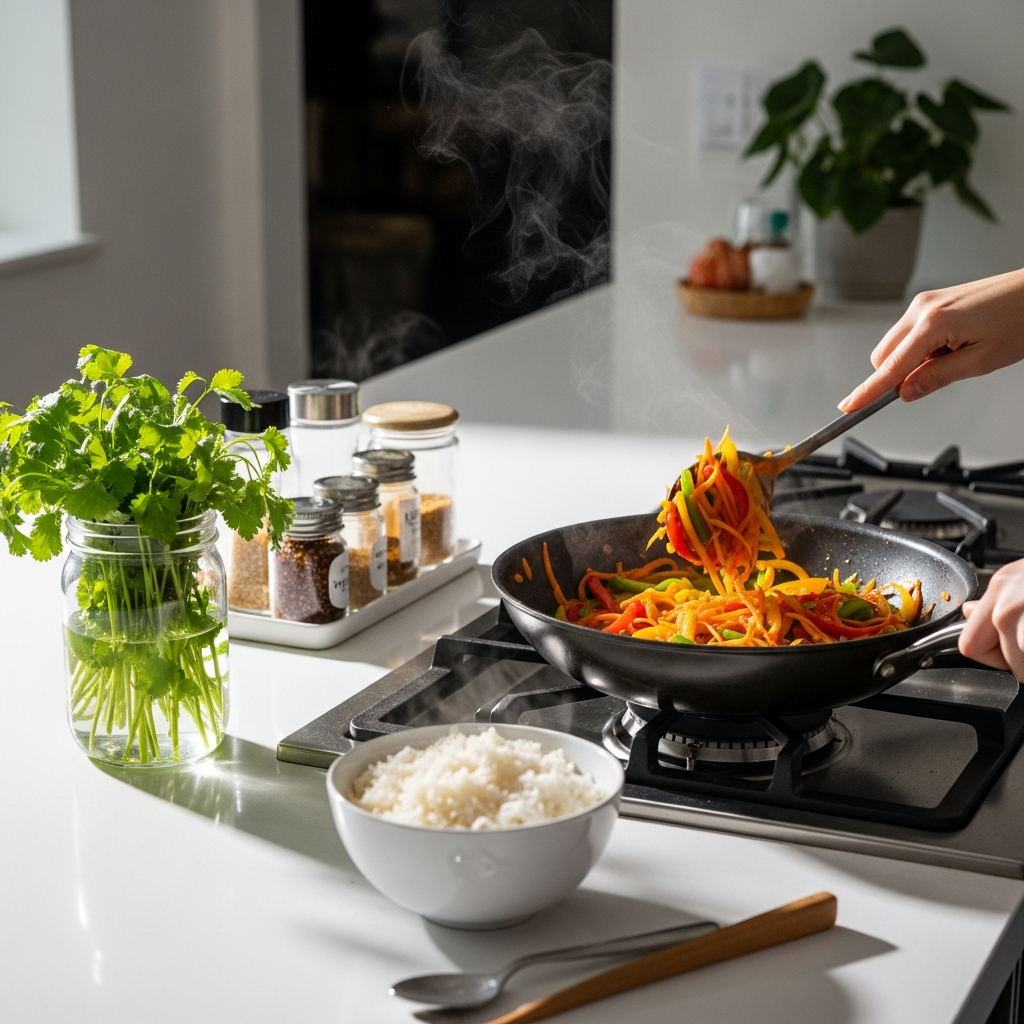
Cooking internationally in Naperville is a joyful contradiction: you can honor the roots of a beloved dish while letting local produce and Midwestern rhythms shape the plate. The result is not fusion for novelty’s sake, but a conversation in your kitchen between tradition and place. When neighbors ask me how to start, I suggest beginning with the markets that feel familiar and then adding one new ingredient each week that nudges your cooking in a different direction. Before you shop, a quick glance at the local weekly deals helps you anchor your plan around what is fresh and abundant, especially when you are balancing herbs, spices, and seasonal vegetables that do best when handled within a day or two of coming home.
Our city’s cooking style rewards curiosity. You can make a week of dinners that walk across continents without leaving your stovetop—Moroccan-leaning vegetables on Monday, a Thai-spirited stir-fry on Tuesday, a Mexican-inspired skillet by midweek, and a comforting Italian pot meal heading into the weekend. What keeps it grounded is the Naperville pantry: onions that keep well, carrots sweetened by cool nights, handfuls of local greens, and eggs with sturdy yolks that enrich everything they touch. Once you learn to flex between these anchors and the imported spices or sauces you bring home, your recipe box starts to feel like a passport stamped with many kitchens.
Mediterranean Evenings, Fox River Afternoons
Let us begin with a dinner that echoes the region around the Mediterranean but feels right at home in a Naperville kitchen. Picture a pan of roasted vegetables—eggplant, zucchini, bell peppers—tossed with olive oil, oregano, and a whisper of smoked paprika. The key, as ever, is patience: let the edges caramelize so the sweetness deepens. While the vegetables roast, rinse a cup or two of local greens—spinach or arugula work well—and crumble a briny cheese to scatter on top when the tray comes out of the oven. If you have a lemon, zest a bit before slicing it for the final squeeze; the zest perfumes the dish without extra effort.
This tray becomes a base for several paths. Spoon the vegetables over a bed of warm grains—couscous if you lean North African, bulgur if you prefer a Levantine feel, or even barley if you want to keep one foot in the Midwest. A swirl of yogurt whisked with garlic and a pinch of salt brings everything together. If you keep a jar of olives or a roasted red pepper spread in the fridge, now is its moment. The dinner is rustic and satisfying, and any leftovers will power tomorrow’s lunch.
Stir-Fry Nights With Prairie Brio
Stir-fries have earned their reputation as weeknight saviors, but the ones that sing rely on a few simple disciplines. Prep everything before heat touches the wok or skillet. Slice onions thinly, cut carrots on a bias so they cook quickly, and stack your greens so stems go in a minute before leaves. When the pan is hot enough to shimmer, lay down a neutral oil and begin with aromatics—ginger, garlic, scallion whites—then move to protein and crisp vegetables, ending with tender greens. Keep the flame lively so nothing steams too long. Naperville’s groceries carry a wide range of sauces and pastes; choose one and let it be your guide for the night. A spoonful of chili-garlic sauce or a dollop of fermented bean paste can transform a simple pan of vegetables and tofu into something worthy of a second bowl.
If you prefer noodles to rice, cook them just shy of done and add to the pan with a splash of the starchy cooking water. That helps the sauce cling and turn glossy without being heavy. Finish by tossing in fresh herbs—cilantro for brightness, Thai basil for peppery lift—and a squeeze of lime. The joy here is speed plus clarity: each ingredient has a job, and nothing lingers in the pan long enough to grow dull.
A Mexican-Inspired Skillet For Midweek Energy
Midweek cooking in Naperville often involves a skillet that can handle both searing heat and a gentle simmer. Start by softening onions with a pinch of salt, then stir in ground spices—cumin, coriander, and a touch of chili powder—so they toast against the heat. Add diced zucchini or bell peppers, corn cut from the cob when in season, and a can of beans rinsed until the water runs clear. If you have a jarred salsa you admire, fold in a ladleful and let the mixture thicken. Taste and adjust salt as needed. Spoon the skillet over warm tortillas or rice, top with a quick salad of chopped tomatoes and cilantro, and offer lime wedges alongside. None of this asks you to compromise on tradition; it simply invites local vegetables to share the spotlight.
For a companion dish, halve an avocado and fan the slices over the plate, dusting with a little salt and a few drops of lime. If you want a sharper note, crumble a tangy cheese or sprinkle toasted pepitas for crunch. What makes this skillet feel international is not the novelty of the ingredients but the way they balance: heat, brightness, creaminess, and a backbone of earthy beans and grains.
Cozy Italian Bowls When The Weather Turns
There is a comforting gravity to Italian-inspired cooking that works beautifully when Naperville evenings turn cool. Start a pot with onions, celery, and carrots—the classic trio—then add garlic, tomatoes, and broth. Simmer patiently, tasting along the way, and add a short pasta shape for the final stretch. A rind of aged cheese, if you have one tucked in your freezer, lends depth without much work. To finish, stir in chopped kale or spinach until wilted and vivid, then scatter fresh herbs over the top. Bowls like this invite a drizzle of good olive oil at the table and a thick slice of bread to swipe the last spoonful. Any leftover soup tastes better the next day, making it a wise choice for busy weeks.
If you prefer a faster route, warm a pan of gnocchi with butter until the edges turn golden and toss with a quick tomato sauce brightened by a splash of the pasta water. A handful of torn basil or oregano and a dusting of grated cheese complete the picture. Dinner can be ready in the time it takes to set the table.
North African Hints For Weekend Gatherings
When friends gather on a Saturday evening, I love building a meal around spices that smell like celebration. Toast cumin and coriander seeds until fragrant, then grind them with a pinch of cinnamon and chili. Rub this mixture onto chicken or cauliflower, and roast until the edges char slightly and the kitchen smells irresistible. While the oven works, cook couscous or a heartier grain and fluff with a fork, folding in chopped parsley, mint, and finely diced cucumber. A drizzle of lemony tahini sauce—simply whisk tahini with warm water, lemon juice, salt, and a shred of garlic—ties everything together. The platter looks abundant without being fussy, the sort of meal that gives you more time at the table than at the stove.
A smart move here is to set out a small bowl of marinated olives and another of nuts tossed with paprika and a hint of sugar. These keep guests happily nibbling while the main dish finishes, and they echo flavors in a way that makes the menu feel intentional.
Borrowing From The Balkans And Eastern Europe
Naperville’s shelves also carry the tastes of the Balkans and Eastern Europe, and they make exceptional partners for local produce. Think of a cabbage salad sharpened with vinegar and dill, or roasted peppers dressed with garlic and a touch of oil. If you spot ajvar—a roasted red pepper and eggplant spread—bring it home. It works as a dip with bread, a lively condiment for grilled meats or vegetables, and a companion to soft cheese. In cooler months, build a pot of bean soup with smoked paprika, a bay leaf, and sturdy carrots; let it simmer until the flavors settle into each other. Serve with a slice of rye or a simple loaf warmed in the oven so the crust crisps again.
Dessert can be simple: slices of seasonal fruit, a spoonful of tart jam stirred into yogurt, or a tray of flaky pastries picked up earlier in the day. These small gestures end the meal without asking for hours of prep.
Let Seasonal Produce Lead
The reason these recipes behave so nicely together is that they are grounded in what is fresh. In spring, let peas, asparagus, and tender greens star in salads and sautéed dishes. In summer, lean on tomatoes, peppers, cucumbers, and stone fruit. As the air cools, welcome squashes, sturdy greens, and root vegetables that love a slow roast or a long simmer. By letting the season set the theme, you give your imported spices and sauces the best stage possible. The flavors pop because their supporting cast is alive and ready.
On weeks when time is thin, you do not need to forfeit variety. Keep a few building blocks on hand: a versatile jarred curry paste, a bottle of soy sauce with clean ingredients, a can of coconut milk, and a tube of tomato paste. With these, you can take the same basket of vegetables down multiple paths. Carrots, onions, and greens fold into coconut curry one night, then become a tomato-rich stew the next, then a quick stir-fry to finish the week. The creativity comes not from buying more but from listening to what your pantry can already do.
Cooking For Families, Cooking For One
International recipes scale easily if you think in terms of components. For families, cook extra grains and roast a larger tray of vegetables so you can remix them into new meals. For solo cooks, embrace half-batches and freezer-friendly sauces. Freeze curry bases and broths in small containers, then add fresh vegetables when reheating. This keeps textures bright and avoids the monotony that makes leftovers feel like a chore. Many of Naperville’s grocers sell small herb bundles; choose these when cooking for one so flavors stay sprightly.
Spice tolerance varies across households. Keep a finishing chili oil or hot sauce at the table so each person can customize heat. When building a dish with a new spice, start modestly, taste, and add more toward the end. The goal is a harmonized plate rather than a single note shouting above the rest.
Mid-Cook Adjustments And The Art Of Tasting
One of the kindest habits you can develop is tasting early and often. Salt is a mover of flavors; acidity is a lifter; sweetness is a softener. When a dish feels flat, a squeeze of citrus or a splash of vinegar often wakes it up. If a soup tastes thin, let it simmer longer uncovered so it reduces slightly, or swirl in a spoon of yogurt to add body. When a stir-fry looks dull, a quick drizzle of toasted sesame oil at the end brings shine and aroma. These micro-adjustments separate good weeknight food from meals that feel restaurant-sharp.
There is also grace in stepping away from the recipe once you know what it is trying to say. If you lack the exact green called for, use the one you have. If the sauce is thicker than you like, loosen it with broth or water. Cooks in Naperville get good at this because our stores present both abundance and variation; you learn to substitute with confidence.
In the middle of a busy week, when you are deciding whether to braise or stir-fry, take 60 seconds to peek at current weekly deals and let that nudge your plan. A bargain on herbs might point you toward a salad-forward dinner; a special on grains or legumes could inspire a stew that carries into lunches. That tiny ritual connects your meals to the pulse of the market and keeps cooking joyful rather than mechanical.
Frequently Asked Questions For Naperville Home Cooks
How do I keep herbs and leafy greens fresh long enough to cook multiple international dishes?
Wash gently, spin or pat dry, and store in breathable containers lined with towels. Tender herbs do best loosely wrapped, while sturdier greens can be tucked into lidded bins. Refresh by rehydrating stems in cold water if they droop. Plan to use delicate herbs first and hardier greens later in the week.
What are smart pantry staples when cooking across cuisines?
Keep a neutral oil for high heat, an olive oil for finishing, vinegars in at least two styles, soy sauce, tomato paste, a mild chili element, coconut milk, a favorite grain, and at least three whole spices you use often. With these on hand, you can translate local produce into many traditions without extra shopping trips.
How can I experiment without wasting ingredients?
Change one variable at a time. Keep the base technique familiar—like roasting vegetables or simmering a broth—then add a new spice, sauce, or herb. Taste as you go and note what you like. Small-batch sauces are your friend; they let you course-correct without committing the entire pan.
What is the best way to introduce kids to new flavors?
Offer a “safe plate” with one known favorite and add a tiny portion of the new dish beside it. Invite kids to sprinkle herbs, stir a sauce, or assemble wraps at the table. Ownership breeds curiosity, and a single positive taste can open doors to a dozen meals later.
How can I plan a week of international meals without overspending time in the kitchen?
Cook components once and recombine. Roast vegetables and cook grains on Sunday, then pivot them into a curry, a stir-fry, and a salad across the week. Sauces and dressings add variety without extra chopping. Write a quick plan on a note card and tape it to the fridge so you can cook on autopilot after long days.
Bring Global Flavor To Your Table This Week
Naperville is a generous pantry if you know how to listen to it. Start modestly, choose a cuisine that excites you, and let local ingredients carry the melody while imported spices add harmony. Gather your shopping list, peek at the current weekly deals, and give yourself an evening to cook something that makes the house smell like possibility. The world is closer than you think, and dinner is the easiest way to welcome it home.