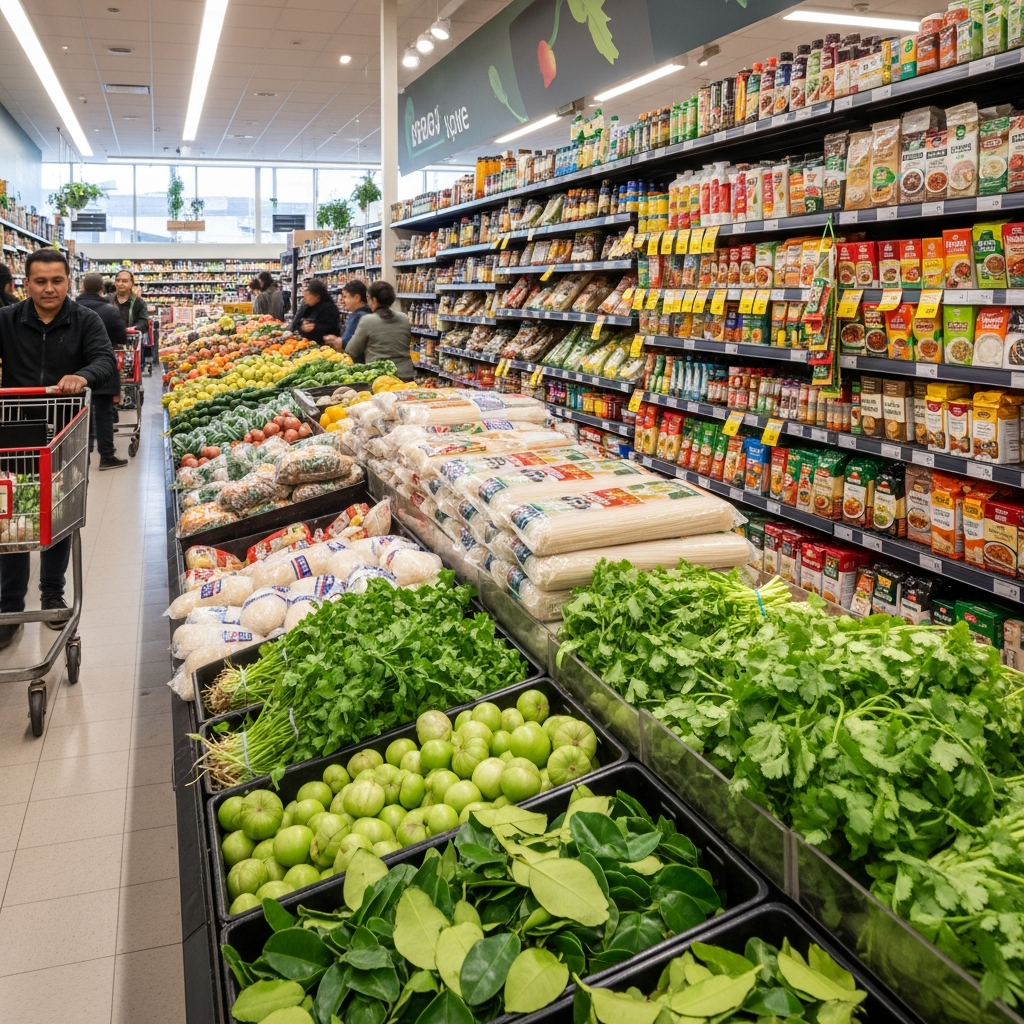
Ask anyone who has spent a few seasons in Naperville where they shop for international groceries, and you will quickly discover that our town’s food landscape is more nuanced than a set of pins on a map. It is a rhythm. It is a set of weekend habits shaped by family traditions, busy commutes, and the comforting sight of familiar spices stacked next to new discoveries. On a typical Saturday morning, you might see a parent pushing a cart with cilantro and tomatillos at one store, then hopping across town for rice noodles and kaffir lime leaves, before finishing the day with a jar of ajvar or marinated olives that tastes like a trip abroad in a single spoonful. In Naperville, the experience of finding international grocery stores is as much about the journey as it is about the pantry you build at home.
When neighbors ask where to begin, I usually suggest pairing your route planning with a quick scan of the local weekly deals so you have a sense of which staples are at their seasonal best. That small bit of pre-trip planning can shape the rest of your day: you will know whether to bring a cooler for delicate herbs, whether to leave extra trunk space for a sack of rice, and how to prioritize the places you want to explore. From there, the hunt for flavors becomes a low-stress adventure rather than a race against the clock.
Starting Your Search Along Naperville’s Familiar Corridors
If you were to sketch the shopping patterns of longtime locals, you would notice a few natural corridors. The first is the east-west spine that runs along Ogden Avenue, a strip that has welcomed grocers serving a host of traditions from Eastern European to Middle Eastern to Latin American. Spend an unhurried afternoon cruising this route and you will see signs for fresh pita, deli counters that slice smoked fish and imported cold cuts, and produce sections where the greens feel especially lively because turnover is constant. On a good day, you can hear three or four languages at checkout and watch recipes come together in the mind of the person ahead of you in line as they add a last-minute wedge of cheese or a handful of chilies to their basket.
South of downtown, the axis shifts along 75th Street and the crossroads that braid into Route 59. This is where many households gravitate when they want a wide sweep of Asian ingredients, Indian staples like atta and toor dal, and fresh vegetables that arrive in waves throughout the week. Walk the aisles and you will find telltale markers of specialization: a spice aisle that seems to have a fingerprint of every subcontinent region; a freezer case with flaky parathas and dumplings; a refrigerated section where tofu sits next to pickled greens and miso. The stores here are welcoming to cooks at every level. If you are new to a cuisine, start with step-by-step sauces and rice blends; if you are practiced, scoop bulk spices and fresh herbs with the confidence that your pantry will thank you later.
On the northern arc near Diehl Road and the business parks, you will intermittently encounter smaller markets—sometimes tucked in modest plazas, sometimes co-located with bakeries or delis—that carry a tight, well-curated range of imports. These are gems for weeknight rescues: a jar of harissa for the roast vegetables you planned, a slab of feta in brine that turns a simple salad into a feast, or a loaf of bread so fresh it is still warm through the paper. Because many of these shops are family-run, the owners’ recommendations can be as useful as a cookbook. Ask which brand of tahini beats the rest today; ask whether the lemons look right for preserved lemon; ask where the chile flakes stay fragrant the longest. The answers shape how you cook for months.
What You Will Find Inside: Sections And Signposts
One useful way to think about international grocery shopping in Naperville is to follow the store layout the way you might read a menu: from freshness to foundation. Most grocers begin with produce. Here, the signposts shift by season. In late spring, you spot bundles of herbs that tease of cookouts and celebratory meals—mint, cilantro, dill, and basil piled high. In summer, crates of stone fruit mingle with the peppers, zucchini, and crisp cucumbers that anchor so many dishes across cultures. As weather cools, you start seeing roots and hardy greens, yams next to daikon, cabbages that promise pickles, kimchi, or slow braises. If a store’s produce section is bustling and well-tended, it is a reliable omen for the rest of the experience.
Turn into the spice aisles and you are entering the memory palace of the store. A good spice aisle in Naperville is not simply long; it is layered. Whole spices in small packets sit beside bulk bags for families who cook big. Some stores group by cuisine—South Asian spices together, then Middle Eastern, then Latin—but more often you will see a blend, because plenty of ingredients cross borders. Cooks here learn quickly that cumin wears many hats and that coriander goes everywhere. Labels sometimes alternate languages; do not hesitate to cross-reference with your phone or, better, chat with a staff member. They will steer you toward the freshest stock and share a trick or two for blooming spices in oil or toasting them whole.
Beyond the spices, you will meet the starches that hold a week’s meals together. Rice in a dozen varieties, short and long grain; noodles straight and curled, wheat and rice and buckwheat; flours for breads, dumplings, and sweets. The choice can overwhelm until you connect each staple to your plan: basmati for a layered biryani, jasmine for a bright stir-fry, sticky rice for mango and coconut desserts. Many stores in Naperville write small shelf cards to guide you, or display the grains in transparent bins so you can see the texture. If you run your fingers along the bag and feel even granules without too much dust, you are likely holding a fresher batch.
Meat and seafood sections demand a bit of patience, not because they are difficult, but because they are rich with options. A halal butcher counter might offer custom cuts for stews and grills, while a seafood case displays whole fish on ice, cleaned to order. It is common to hear quick bilingual conversations at these counters—customers translating a grandmother’s request into a modern cut, or discussing how finely to grind meat for kebabs. These are Naperville moments at their best: expertise on both sides of the counter, with time to get the details right.
Finding Your Groove On Busy Weekends
On Saturdays and early evenings, the parking lots can feel like community gatherings. It helps to time your arrival toward the start of a stocking cycle. Many grocers restock produce by late morning and sometimes again toward mid-afternoon; bakery items land earlier. If the store posts an update on fresh arrivals, pay attention on those days when the herbs and greens are particularly vibrant. As your rhythm settles, you will learn which places you can trust for delicate items that wilt fast, and which counters are best when you need something marinated and ready to cook in under an hour.
There is a quiet joy in letting one store show you what to cook next. A pile of shinier-than-usual eggplants leads you to smoky dips and grilled salads. A bin of green limes nudges you toward ceviche or a bright finishing squeeze for grilled fish. Naperville cooks get used to this improvisation. It keeps dinner lively and helps you explore cuisines respectfully, because you are starting from what is at its best.
In the middle of a longer day of store-hopping, I find it helpful to re-check the local weekly deals to refine the second half of the route. Maybe you front-loaded with Indian staples in the morning; now you know to swing by for Mediterranean olives and a round of flatbread, or to pause for a detour to pick up a dessert that travels well. This small recalibration prevents overbuying while creating a different kind of abundance: a table set with foods that speak to each other rather than compete.
Reading Labels, Asking Questions, And Shopping With Respect
Even seasoned shoppers run into labels that raise questions. Ingredients list alternate names; preservatives appear where you do not expect them; a favorite brand changes packaging. The most useful tool is conversation. Staff in Naperville’s international grocers are collaborative by nature. They do not mind clarifying a spice blend or recommending a different brand when the one you seek is out of stock. If you are trying something for the first time—say, tamarind paste or preserved lemon—ask how to store it and how long the flavor stays bright after opening. These quick exchanges save money, but more importantly, they preserve the integrity of your dishes.
Shopping with respect is not just etiquette; it is efficiency. Give space at the butcher or fish counter so the line can move; return items you change your mind about to a staff member rather than dropping them in a random aisle; and handle delicate produce mindfully. Many of these shops are family investments that serve extended communities. Your care as a shopper is part of what keeps them healthy—and in turn, what keeps your cooking life abundant.
When Traditions Meet New Tastes
One of my favorite Naperville rituals is watching families translate recipes across generations. A grandparent chooses familiar beans, and a teenager adds a bottle of chili crisp or a packet of seaweed snacks; an uncle reaches for the same tea his father favored, while a niece tucks in a new herbal blend for studying. International grocery stores are where those small experiments begin. The city’s variety means you can build a dinner that nods to two or three traditions without diluting any of them: chapatis with a roasted vegetable spread, a salad that layers Mediterranean cucumbers and feta with a dressing perfumed by Southeast Asian lime leaves, or a Sunday stew that borrows a spice or two from North Africa while remaining firmly Midwestern in its comfort.
As these tastes mingle, cooking becomes collaborative. Neighbors trade tips in line about where to find the tenderest okra, which brand of rice cooks the fluffiest, or which frozen dumplings crisp best when pan-fried. You begin to overhear not just ingredients, but techniques—spices bloomed in ghee before a simmer, chiles toasted briefly to scent a sauce, herbs torn by hand at the last second. Naperville’s international grocers are not just warehouses of goods; they are classrooms without walls.
Seasonality, Storage, And The Pleasant Surprise Of Small Batches
Because many imported products arrive in small batches, the selection this week might not mirror what you saw last month. That is part of the charm. If you find a jam or a spice blend that speaks to you, it can be worth bringing home an extra jar. But do not worry if a favorite goes missing for a time; there is always something new to nudge your cooking forward. When in doubt, build a core pantry that carries you between discoveries: a favorite oil, vinegars in a few styles, shelf-stable beans and grains, and a rotation of dried herbs and whole spices you refresh often. Then let the produce, meat, and bakery sections set the weekly theme.
Storage matters when you shop this way. Glass jars keep your spices lively longer than flimsy packets, and airtight bins keep rice and flours protected. Herbs last longer when gently washed, rolled in a towel, and tucked into containers where they can breathe. If you bring home a marinated cheese or a delicate pastry, plan your meals so those treasures do not wait too long. The best way to honor the work of a grocer is to cook what you bought while it is still singing.
Frequently Asked Questions: Local Wisdom For First-Time Shoppers
Below are answers to the questions I hear most often from neighbors who are just starting to explore Naperville’s international grocery scene.
What is the best time of day to find the freshest produce?
Late morning is reliable in many stores, with a second bump in freshness mid-afternoon after restocking. Bakeries tend to peak earlier. If your schedule is flexible, aim for those windows and you will often find crisper herbs, brighter greens, and fruit that feels just picked.
How do I avoid buying more than I can use?
Begin with a meal plan that highlights three anchor dishes for the week, then shop produce and proteins around them. Keep your pantry modest but strong—spices, oils, and grains you know you will use—and let the weekly specials suggest one or two extra flavors rather than an entire cart of experiments.
I cannot read some labels. What should I do?
Ask a staff member to help you match the product to your recipe goal. Many are happy to translate key details or point to a trusted brand. If the store allows, take a quick photo of the ingredient list and compare with your recipe notes so you are certain it will perform as expected.
Are there tips for navigating the meat and fish counters?
Go in with a sense of how you intend to cook—grill, stew, roast, or pan-sear—and share that plan. Butchers and fishmongers can then suggest the right cut, thickness, or level of trimming. If you are preparing a dish from a specific region, mention it; the counter staff will often suggest a cut or marinade that suits the tradition.
How can I store spices so they stay fresh?
Buy in quantities you will use within a few months and keep them in airtight glass jars away from heat and light. Whole spices generally outlast ground; you can toast and grind small amounts as needed to keep flavors lively.
What if I am shopping with kids?
Turn the trip into a tasting adventure. Let each child choose a new fruit or snack to try at home, and invite them to help with one part of dinner—washing herbs, trimming beans, or stirring a spice into yogurt. When kids are engaged, the store becomes a place of curiosity instead of a chore.
Plan Your Next International Grocery Run
Naperville makes it easy to travel the world without leaving town, and your next meal can begin with a simple, well-planned loop through our grocers. Map a route that follows your appetite, pack a cooler if you need one, and give yourself time to ask questions and taste something new. If you want a gentle nudge for what to cook this week, start by browsing the local weekly deals, then head out confident that your table will be richer for the journey.