
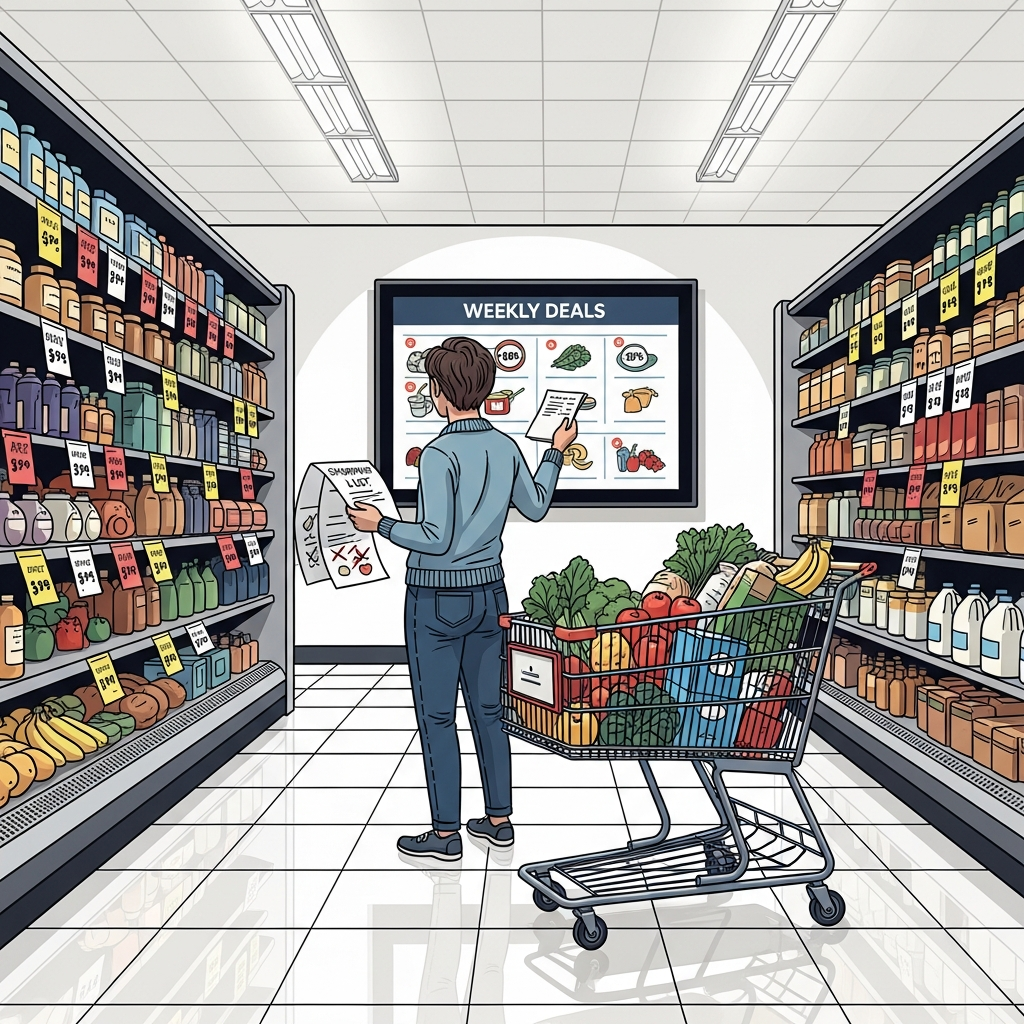
Naperville is a town that loves a good plan, and nowhere is that more obvious than in the way locals chase value at the supermarket. We don’t mean racing down aisles or filling carts with things that sound like a bargain but won’t get used. The Naperville approach is calmer and smarter: match what’s on your list to what’s most appealing that week, buy enough to carry you through, and let the store’s rhythm guide your menus. Every Sunday evening, I sit with a cup of tea, scan the latest weekly deals, and sketch out meals that borrow ingredients from one another so nothing wilts in the crisper. What begins as a few highlighted items becomes a week of dinners that feel cohesive, seasonal, and satisfying.
Hunting for value in Naperville isn’t only about specials—it’s about strategy. Families build habits that turn shopping into a rhythm. They buy produce that supports two different meals, choose pantry staples that stretch, and commit to one new ingredient each week to keep cooking interesting. It’s the difference between coming home with a cart that looks exciting but chaotic and one that practically assembles dinner on its own. The best savings come not from grabbing every featured item but from choosing a focused set that you’ll truly use, then cooking in a way that celebrates what you brought home.
Planning Around Highlights
The weekly cycle is a guidepost. If greens are spotlighted, plan a grain bowl early in the week and a stir-fry later on, using the same base of vegetables in different ways. If a certain fish or plant-based protein is featured, design two dinners that share sauces or sides, like a lemony tahini you can drizzle on both roasted vegetables and a quick wrap. Naperville’s supermarkets are good at building displays that signal what’s fresh and fun; let those clues influence your choices without dictating them. If berries look exceptional, dessert is easy: sliced fruit with a little yogurt or a quick compote spooned over pancakes on Saturday morning.
Think of the week in overlapping layers. A pot of grains cooked on Sunday becomes the base for Monday’s bowls and Wednesday’s soup. A tray of roasted vegetables returns as taco filling, sandwich add-ons, and a quick pasta toss. When an item is highlighted, treat it like a featured guest who shows up at two or three meals, not a one-hit wonder you forget about by Thursday.
Smart Cart Building
Naperville shoppers often divide carts into anchors and accents. Anchors are the ingredients that show up in multiple meals: greens, onions, carrots, potatoes, beans, rice, and an all-purpose protein or two. Accents are the fun touches—fresh herbs, a new sauce, a specialty cheese—that turn simple food into a dinner you talk about. This division helps you make sense of the week’s specials. If a featured item can serve as an anchor, it goes in the cart. If it’s purely an accent, buy just enough to make one or two meals pop.
Keep an eye on items that store well. When pantry goods appear in the weekly spotlight, top up to a comfortable level that you’ll actually use. Flour, canned tomatoes, vinegars, olive oil, and dried beans are the heartbeat of easy weeknight cooking. Having them within arm’s reach makes it far simpler to pivot when the day doesn’t go as planned.
Seasonality and Naperville’s Rhythm
Seasons are the secret weapon in any savings plan. In spring, asparagus and tender greens lead the way, so plan meals that put them front and center. Summer brings corn, tomatoes, stone fruits, and a looser cooking style that leans on the grill and fresh salads. Fall invites roasting pans and cozy soups starring squash, mushrooms, and hearty greens. Winter delivers citrus, roots, and the sturdy textures that make braises and bakes satisfying. When you align your cart with the season, you benefit from better flavor and a natural nudge toward variety without working hard for it.
Naperville’s energy also changes across the week. Midweek trips are calmer, and you’ll often find refreshed displays that reveal additional highlights. Use that lull to pick up delicate items you didn’t want to grab on a busy Sunday, or to experiment with a new ingredient while the aisles are quiet. These small adjustments keep your meals lively and your spending thoughtful.
Cooking Once, Eating Twice (or More)
One beloved local habit is to cook big and eat smart. Roast a tray of vegetables and a simple protein on Sunday, then split them across multiple dishes: tossed with greens and a mustardy dressing one night, tucked into tacos midweek, then folded into a frittata or fried rice as the week winds down. Soups and stews follow the same pattern, gaining depth on day two and giving you a head start for packed lunches. This approach is not about eating the same thing over and over; it’s about remixing components so each meal feels fresh.
Sauces are the currency of variety. A jar of pesto stretches from pasta to sandwiches; a chili crisp wakes up eggs, grains, and roasted vegetables; tahini turns into dressing with lemon and garlic. When you see these pantry stars highlighted, it’s an invitation to simplify. Build your dinners around what those sauces do best, and you’ll spend less time cooking while eating more interesting food.
Snacks, Breakfasts, and the Spaces Between
Weekly savings aren’t limited to dinner. Breakfast and snacks can quietly consume a budget if they’re all impulse buys. Plan a simple morning rotation—oatmeal, yogurt with fruit, eggs and toast—and use the spotlight items to keep it interesting. If apples or berries are front and center this week, that’s a cue to replenish breakfast toppers and after-school snacks. For midday bites, keep a mix of nuts, hummus, crackers, and cut vegetables ready; the habit will steer you away from last-minute runs that don’t respect your plan.
For families, a small snack station in the fridge or pantry makes a big difference. Group items at kid height and rotate a few choices each week so it feels new without throwing your plan off course. Involving kids in choosing a couple of highlighted items adds buy-in and reduces the chance that good food sits untouched.
Reading the Aisles for Clues
Naperville stores are adept at storytelling through displays. A pyramid of citrus near the entrance means zest in your salad, segments in lunchboxes, and wedges for sparkling water. A feature of grains and legumes suggests soups and grain bowls; a stand of salsas and tortillas hints at taco night. Train yourself to scan these signals. They aren’t random; they reflect what’s tasting great and what the store can keep in strong supply. Following those cues doesn’t limit you—it gives you a reliable starting point.
Meanwhile, end caps often hide treasures: a new spice blend, a small-batch hot sauce, or a limited-time bakery item. Let yourself be tempted within reason. One or two accents a week can make your meals sparkle and keep you excited about cooking. The key is to choose on purpose, not because you’re hungry and wandering.
Staying Flexible Without Losing Focus
The most effective savings strategy is nimble. If the herb you wanted looks tired, pivot to another. If the fish counter doesn’t have what you planned, build dinner around a hearty vegetable and a pantry sauce instead. Keep one or two backup meals in your head that rely on staples: a quick pasta, a rice bowl with eggs and greens, or a simple soup with beans and tomatoes. These fallbacks protect your week from last-minute takeout and keep momentum on your side.
It also helps to plan one “choose your own adventure” night, where everyone assembles a plate from prepared components—roasted vegetables, a cooked grain, a simple protein, and a couple of condiments. It’s efficient, reduces waste, and lets each person tailor dinner to their mood without extra work in the kitchen.
Local Wisdom and Community
Ask around and you’ll find that Naperville neighbors are generous with tips. Someone will point you toward a bakery loaf that stays tender for days, another to a house-made salsa with the right balance of heat and acid, and someone else to a brand of yogurt that doesn’t separate in lunchboxes. Over time, these shared notes become your personal playbook. If you have a great find, pass it along; the conversation is part of what makes shopping here feel communal rather than transactional.
When you discover a product that nails flavor and versatility, buy it again the next week and build two meals around it. Repetition isn’t boring when the food is good and you switch up the format. A great marinade can be a dressing; a bold spice blend can season roasted chickpeas and also star in a sheet-pan dinner. This habit enhances savings by turning one highlighted item into a weeklong theme.
Frequently Asked Questions
How do I know which specials are worth building meals around?
Choose items that serve as anchors across multiple dishes—greens, grains, proteins, and versatile sauces. If a featured product can show up in two or three meals, it’s a strong candidate for your plan.
What’s the best day to shop for savings in Naperville?
Many shoppers review store highlights at the start of the week, then make a quick midweek stop to refresh produce or grab a newly featured item. The combination balances selection with calmer aisles.
How can I avoid buying deals that go unused?
Write a modest menu before you shop and commit to overlapping ingredients. If you can’t picture how you’ll use a highlighted item at least twice, skip it or buy a smaller amount.
Do I need to visit multiple stores to save?
Not necessarily. One well-planned trip to a store with a thoughtful selection can cover most needs. If you enjoy variety, pair your main run with a quick stop at a specialty market for a couple of accent items.
How do I keep weekday dinners fast without sacrificing flavor?
Prep a few components—grains, roasted vegetables, a sauce—then build plates in minutes. Flavor boosters like chili crisp, pesto, or tahini make simple food exciting with little effort.
What’s a smart way to use leftovers so they don’t feel repetitive?
Change the format. Turn roasted vegetables into tacos, tuck cooked grains into soup, or fold last night’s protein into a frittata. A different sauce or garnish refreshes familiar ingredients.
Ready to turn highlights into real-world wins? Start your plan by browsing current weekly deals, choose a handful of ingredients you truly love, and build a flexible menu that keeps dinner simple, flavorful, and satisfying all week long.