
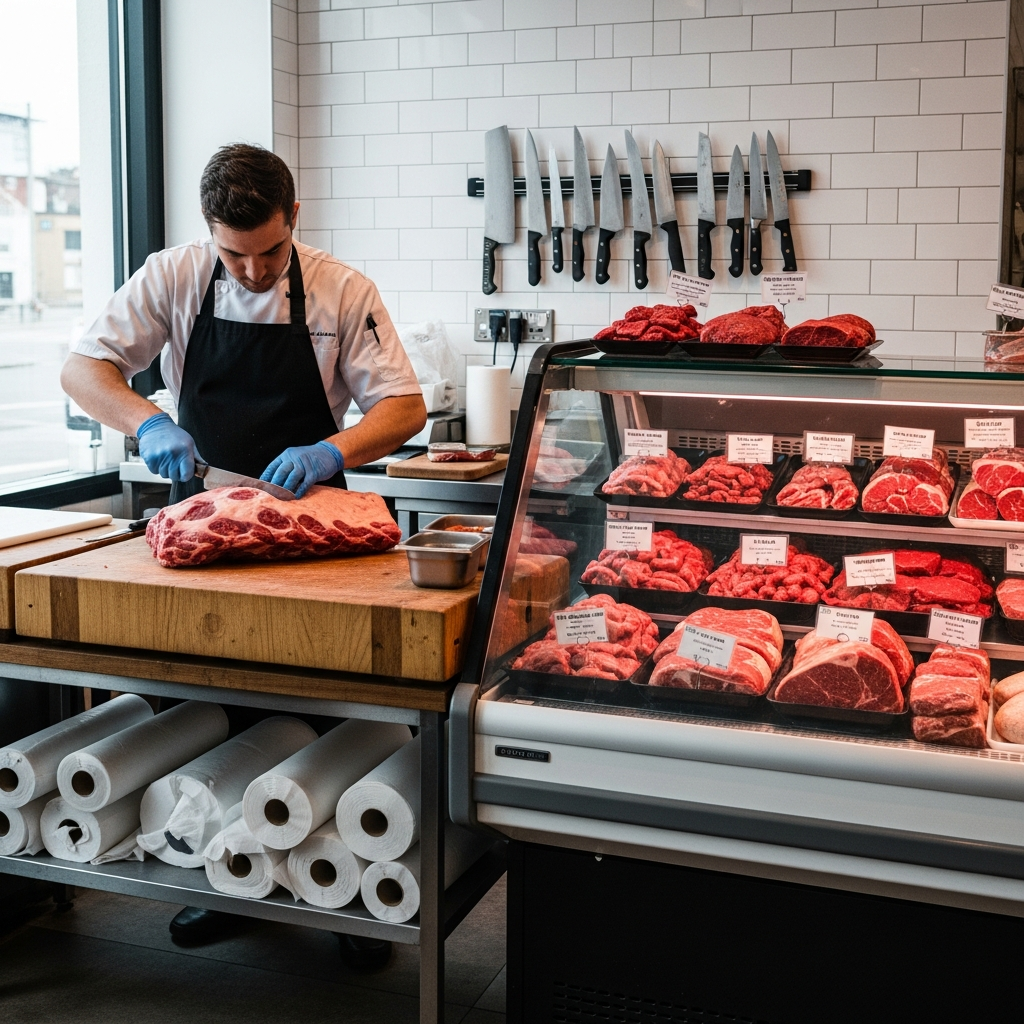
Walk into a good butcher shop in Naperville and you can feel the pulse of the city in the rhythm of the knives and the hum of conversation. There is a comfort in seeing familiar faces behind the counter, a reassurance in the way paper is folded tight around a custom cut, and a sense of pride when you carry home something that was handled with respect from start to finish. For families who want freshness and Zabiha integrity without driving far, the search is very local. It starts with knowing which corridors turn over product quickly, which counters welcome questions, and which displays tell you more than the labels. If you prefer to sketch your list before you head out, it helps to browse a dependable selection of fresh halal meat so you can target the exact cuts you will request in person.
Freshness comes through in small signs. When beef is bright without gloss, when lamb carries a clean, slightly sweet aroma, when chicken skin is taut and pale rather than slick—these are the tells butchers learn to read at a glance. And in Naperville, where the pace of life is brisk and groceries often dovetail with school pickups and after-work errands, consistency matters. Neighborhoods near Ogden Avenue appreciate a quick in-and-out, while residents around 95th Street want a one-stop loop that handles produce, spices, and the butcher case in a single run. The best counters anticipate this, setting out cuts that match common cooking plans while offering to custom slice when you need something precise.
Why Local Butchers Excel at Freshness
A local butcher thrives on turnover. The faster product moves, the fresher the case remains, and the more often you will find just-cut options. In practice, that means Naperville’s busiest counters feel most alive late morning and early afternoon, after deliveries have been broken down and before the evening rush scoops up grilling favorites. Staff energy is high, knife work is steady, and requests like “thin for pan-frying” or “cubes for skewers” fit neatly into the workflow. I have watched expert teams break down whole birds with an economy of motion that reveals years of repetition; that proficiency translates directly into the experience you bring home.
Butchery is also about listening. Mention that you are planning a biryani, and the butcher might suggest a different mix of bone-in and boneless to build structure and texture. Say you want a quick weeknight stir-fry, and you will likely hear, “How thin do you want the slices?” Naperville’s butchers live in the same seasonal reality we do—cold snaps that call for slow braises, heat waves that beg for skewers and fast grills—and they shape their counters accordingly. The relationship you cultivate is what unlocks the freshest results, because a team that knows your style will tap you on the shoulder (figuratively or literally) when the perfect cut arrives.
Reading the Case Like a Pro
There is an art to interpreting what the case is telling you. Look for tight wrapping and neat seals; this signals attention to temperature and moisture control. Note whether similar cuts are grouped consistently and labeled in a way that helps you compare quickly. Ask to see the color of a roast beyond its surface by having a small slice exposed for a second—most butchers are happy to oblige. When a shop is proud of its freshness, it welcomes thoughtful scrutiny. If you are uncertain between two options, describe your cooking plan and let the butcher propose a solution. That back-and-forth is where you find the hidden gems.
Texture becomes the deciding factor for many Naperville cooks. For kebabs, evenly sized cubes make the magic happen; for slow stews, connective tissue is a gift, not a flaw. Do not shy from fat where it serves the dish. A delicate line of marbling in beef can carry flavor through a pan sauce, while a modest fat cap on lamb maintains moisture through a long roast. With chicken, you might prioritize skin integrity for crisping under high heat or choose skinless to invite marinades deep into the meat. Every decision is easier with a butcher who enjoys the conversation.
Neighborhoods and Timing
North Naperville’s older blocks near the Riverwalk invite quick stops between errands; parking is easy, and counters tend to be lively around lunch. Along Route 59 and the 75th Street corridor, the pace quickens in the late afternoon as commuters stack grocery runs after work and before dinner. South of 95th Street, school activities define the clock, and late morning often opens a calm window with full display cases and unhurried staff. If you shop during Ramadan or before a long weekend, arrive earlier and ask whether a fresh batch is due that day; timing your visit to the processing schedule yields remarkable results.
For those who split errands across town, consider a two-stop approach. Pick produce and pantry items first, keeping an eye on the time, and save the butcher for last so your selection spends minimal time in the car. In summer, tuck a cooler in the trunk. On frigid winter days, the car becomes a mobile fridge, but you should still head home without diversions. Freshness rewards focus.
From Counter to Kitchen
Once you have the cut, the kitchen choices begin. I like to treat fresh Zabiha chicken with a brief rest in the fridge after a sprinkle of salt; the muscle relaxes, and the meat browns more evenly in the pan. For lamb, I often toast whole spices—coriander, cumin, and black pepper—before grinding and folding them into a yogurt marinade with garlic and lemon zest. Beef benefits from patience: bring it close to room temperature before searing, dry the surface thoroughly for an aggressive crust, and let it rest on a rack so juices redistribute without steaming the exterior.
Local butchers can steer you toward success by matching cut to method. Planning a curry? Ask for cubes that are uniform and not too small, so they hold together in a simmer. Grilling on a backyard deck in Brookdale? Request slightly larger kebab pieces to stay juicy over open flame. When you are thinking in these terms, you will find that freshness expresses itself not only in flavor but in texture that holds up under heat.
Trust and Zabiha Integrity
Freshness is inseparable from trust. Naperville’s best counters keep documentation close, maintain clean zones for different tasks, and take pride in steady turnover. Do not hesitate to ask what day a cut arrived or when the next batch is due. A shop that welcomes your curiosity is usually a shop that will go the extra mile when you need a special order for a holiday or a family gathering. Over time, you become part of the routine, and the routine—your familiar face, your usual cuts—becomes part of what keeps the case so fresh.
If you are planning ahead for the week or comparing options before you head out, it is useful to browse a clear presentation of fresh halal meat to refine your list. Even if you intend to ask for custom work at the counter, knowing the names of cuts and the cooking paths they prefer will help you communicate efficiently and get exactly what you want without waiting through the dinner rush.
Small Habits That Protect Freshness at Home
Nothing ruins a beautifully chosen cut like sloppy handling after you leave the shop. Keep raw and cooked items separate, set your fridge a touch colder in summer, and do not crowd hot food into closed containers—steam is the enemy of crisp textures. I label packages with date and plan (“Friday grill,” “Sunday stew”) so that I am never guessing at six p.m. If you bring home a large order, portion immediately with gloved hands or very clean tongs, and freeze what you will not cook in the next couple of days. Simple habits preserve the joy you felt when the butcher set your parcel on the counter with confidence.
Another local tip: ask your butcher for bones when you want broth. The flavor payoff is enormous, and the process turns kitchen scraps into a cornerstone for soups and sauces. In a town where winter likes to linger and summers invite long evenings on the patio, a well-made stock anchors both comfort food and light, bright meals.
FAQ: Fresh Halal Meat Near You
How do I know if the meat is freshly cut? Look for vibrant color, a clean smell, and tidy wrapping. Ask the butcher when the batch was processed and whether more is coming later that day.
What should I request for kebabs? Ask for even cubes cut to a size appropriate for your grill heat. Slightly larger pieces stay juicy over higher flames; smaller cubes cook quickly over moderate heat.
Is goat easy to find? Goat is available, though timing matters. Check on delivery days and arrive shortly after processing for the best selection.
Can I ask for custom thickness? Absolutely. Naperville butchers are used to slicing thin for pan-fries or leaving steaks thicker for reverse-searing. Describe your cooking plan for best results.
How do I store large purchases? Portion immediately, label clearly, and freeze what you won’t cook within two days. Keep a cooler in the car during summer to protect freshness on the ride home.
What if I am new to Zabiha terms? Share the dish you plan to cook. A good butcher will translate your goal into the right cut and confirm that Zabiha standards are met.
Bring Home Freshness Today
Naperville is a city that cooks with heart, and our local butchers make that possible day after day. If you are planning your next visit, start by exploring a thoughtfully organized selection of fresh halal meat, then head to the counter ready to request exactly what you need. With a clear plan and a trusted team behind the glass, you will carry home ingredients that taste of care, tradition, and the best of our community.