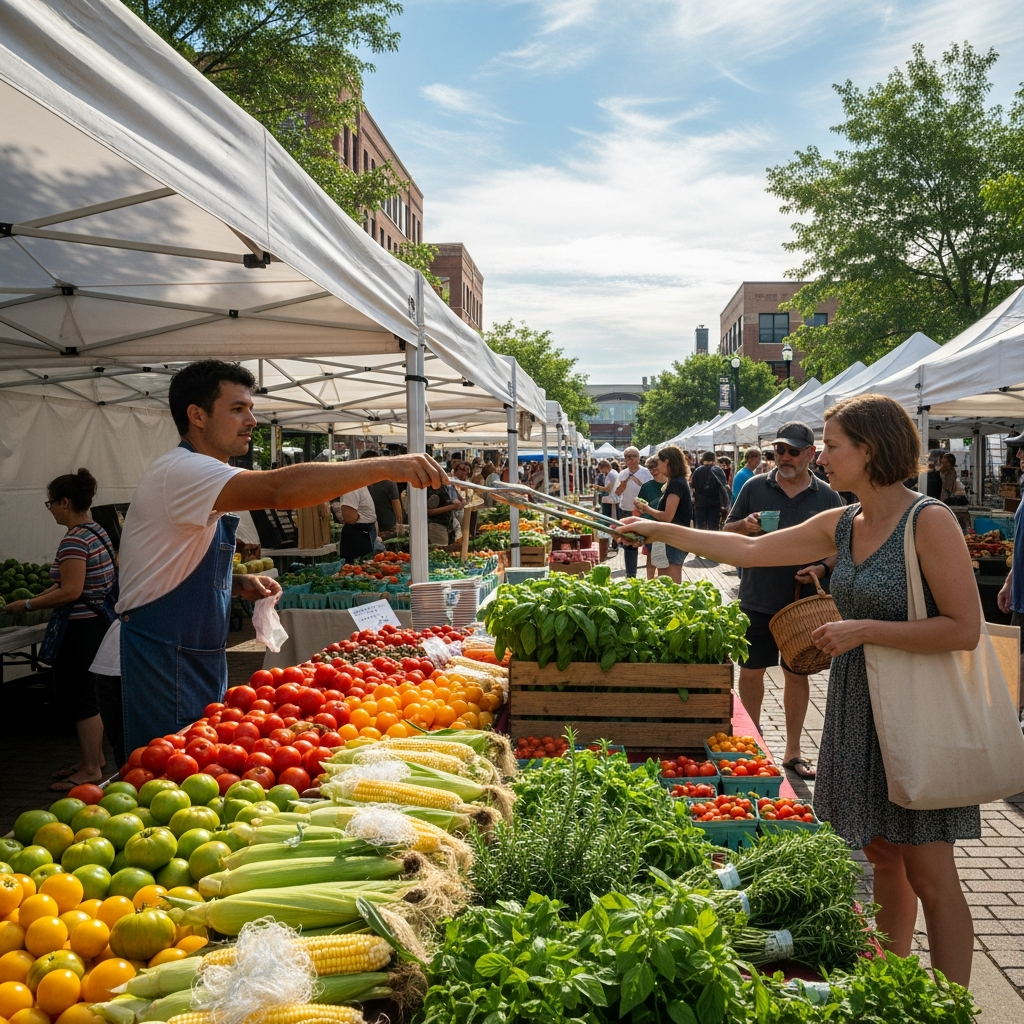
One of the best parts of living in Naperville is how close we are to Midwestern farmland that still shapes our seasons and our tables. You can feel it on early Saturday mornings when market tents pop up and the air smells faintly of herbs and kettle corn, or in late summer when you carry a heavy tote of tomatoes and sweet corn back to your car along a sun-warmed sidewalk. Choosing organic food from nearby farms and markets is more than a shopping decision here—it is a rhythm that keeps us connected to our surroundings, from the DuPage River to open fields just beyond the city limits.
For many Naperville families, the path to local organics begins at farmers markets. Markets around town and in neighboring communities are where you meet the growers who picked your produce that morning, ask how the romaine held up in last week’s heat, and learn which variety of heirloom tomato will make the best sandwich. These conversations are invaluable; farmers will often tell you how to store a tender bunch of kale, or which squash will keep through the month in a cool pantry. Over time, a favorite farm stand becomes part of your weekend routine, as familiar as a walk along the Riverwalk or a coffee stop in Downtown.
Community Supported Agriculture (CSA) programs are the next level of connection. With a CSA, you subscribe to a share of a farm’s harvest for a season, receiving a weekly or biweekly box. In Naperville, many households arrange for pickup at neighborhood hubs or choose doorstep delivery. The contents mirror the season’s arc: spring greens that love a quick vinaigrette, summer’s avalanche of cucumbers and peppers, and fall’s sturdy roots. Not every CSA is certified organic, but many follow organic practices; it is always worth asking about methods, from soil amendments to pest management. What you get is not just produce but a story that acquires meaning each week as your box evolves.
You can also find organic dairy, eggs, and meats raised on nearby land. Talk to vendors about pasture rotation, feed, and certifications, and you will learn quickly which producers prioritize animal welfare and soil health. Buying directly means you often discover cuts or products you would never have tried otherwise—fresh ricotta that turns a simple pasta into a weekend-worthy meal, or pastured eggs with yolks so bright they transform a breakfast at home in Cress Creek into something special.
Cooking with local organic ingredients invites a certain kind of creativity. Instead of chasing a fixed recipe, you let the market tell you what is in its prime. This approach is easier than it sounds once you build a few templates. A sheet pan supper handles most vegetables with olive oil and herbs. A grain bowl becomes a landing pad for roasted squash, sautéed greens, and a drizzle of tahini. A simple frittata turns leftover bits into a lunch that packs well for a picnic along the DuPage River Trail. The idea is to keep a steady pantry—beans, broths, grains—so your market finds slide effortlessly into dinner.
Storage is where many home cooks level up. Local produce can be incredibly fresh, but it still needs a little care. Wash greens promptly, spin them dry, and layer them with towels in airtight containers. Store herbs like a bouquet in a jar of water with a loose bag over the top. Keep tomatoes on the counter, not in the fridge, and refrigerate berries only after a gentle rinse. These small steps preserve the vitality you tasted at the stand and stretch your market haul through the week.
Farm markets are also community hubs. You hear live music, run into neighbors from White Eagle or Tall Grass, and watch kids choose apples with the same seriousness they bring to a school art project. Many vendors will remember you, set aside your favorites, and offer tips the moment you appear—a perk that makes early mornings wholly worthwhile. Volunteers and market managers curate vendors with care, often highlighting growers who align with organic and sustainable practices, which helps shoppers navigate with confidence.
For those who split time between stores and markets, online browsing complements market shopping. A strong, clearly labeled department for organic foods helps you fill gaps your CSA does not cover—say, grains, beans, or specialty spices—so your week stays balanced. Naperville’s proximity to multiple markets means you can aim for a big seasonal shop on the weekend and a small midweek refresh without crisscrossing half the suburbs.
Another advantage of buying organic from nearby farms is transparency. When you can ask a grower how they handled a pest outbreak or which cover crops they planted over winter, you gain insight into food quality that no label alone can provide. That trust extends to flavor. Anyone who has compared a just-picked strawberry to one that spent days in transit knows the difference; the sweetness and aroma are their own reward.
Bringing kids into the experience is powerful. Let them choose a new vegetable each week, hand the cash to the farmer, or help carry the tote to the car. Cooking becomes a collaborative act rather than a chore, and children make connections—weather, soil, taste—that stick. Families across Naperville often find that picky eaters turn curious when they have met the person who grew their carrots or when they help tear the lettuce for dinner.
As summer turns to fall, markets take on a cozier tone. Bakers bring hearty loaves, and growers display piles of squash and apples that set the stage for roasts and soups. In winter, many farms still offer storage crops or partner with indoor markets, keeping local organic options available even when the first snow covers the Riverwalk. Staying connected through the colder months keeps your cooking grounded and prevents that “what do we make now?” lull.
How can I tell if a farm vendor follows organic practices?
Ask direct questions about certifications, sprays, fertilizers, and soil health. Many small farms use organic methods even if they are not certified; they will be transparent about what they do and why. Look for signage, talk to multiple vendors, and trust the clarity of their answers.
What is the best time to arrive at a farmers market?
Arrive near opening for peak selection and the freshest greens, or come later for a more relaxed pace. Popular items—berries, eggs, specialty greens—tend to sell out early, so plan accordingly if those matter most to you.
How should I plan meals around a CSA box?
Adopt flexible templates: a stir-fry, a sheet-pan roast, a grain bowl, a soup. Start with what needs to be used first—tender greens and berries—then schedule sturdy items like squash and roots for later in the week. Keep pantry staples on hand to complement the box.
Can I find organic dairy and meat at local markets?
Yes. Many nearby producers offer pasture-raised eggs, organic dairy, and grass-fed or organic meats. Ask about feed, pasture rotation, and certification details; direct relationships give you the clarity you want when choosing animal products.
What if I cannot make weekend markets?
Consider a CSA with weekday pickup or delivery. Supplement with a well-stocked online section for organic foods to cover pantry items and staples you miss. With that combination, you can maintain a local-first approach without rearranging your schedule.
If you are ready to bring the flavor of nearby fields to your Naperville kitchen, start exploring markets, chat with growers, and lean on a trusted source for core organic foods to round out your basket. A season of small, local choices adds up to meals that taste unmistakably of home.