Ask around at a Little League game in Naperville, and you will hear a familiar refrain: families here are trying to eat a little better without overcomplicating life. That is where organic food can fit beautifully. For households spread across neighborhoods from Huntington Estates to Ashbury, the health benefits of organic choices are not just theoretical—they show up in everyday routines, in the way food tastes, and in the habits that stick with kids long after a meal ends.
Start with the basics. Organically grown fruits and vegetables are produced without synthetic pesticides or fertilizers, and organic animal products come from systems that avoid routine antibiotics and emphasize better living conditions. For a Naperville parent packing lunches before the morning car line, the practical upside is simpler: fewer inputs to worry about and a plate anchored by ingredients that are as straightforward as their labels. The move to organic becomes a series of small decisions—a carton of pasture-raised eggs for weekend breakfasts, apples and berries that keep their fragrance, greens that remain perky even after a day in the crisper.
Many families first notice the difference in flavor. A tomato that tastes like August, a strawberry that perfumes the kitchen, or lettuce that snaps cleanly can change how much produce actually gets eaten. Food that tastes alive invites second helpings, which means the nutrients you intended to serve are more likely to make it to the table and get enjoyed. That is a practical health benefit, not just a culinary one.
On the nutrition front, research continues to explore differences between organic and conventional foods, and while not every study aligns, patterns do emerge. Some organic produce shows higher concentrations of certain antioxidants, and organic dairy may carry a more favorable fat profile. Even if the margins vary, the bigger idea holds: when your cart leans heavily toward fruits, vegetables, whole grains, and thoughtfully raised proteins, your meals tend to be higher in fiber, vitamins, and minerals and lower in unnecessary additives. In Naperville, where active lifestyles mean soccer practices on Nike Park fields and weekend bike rides along the DuPage River Trail, nutrient-dense meals support energy and recovery.
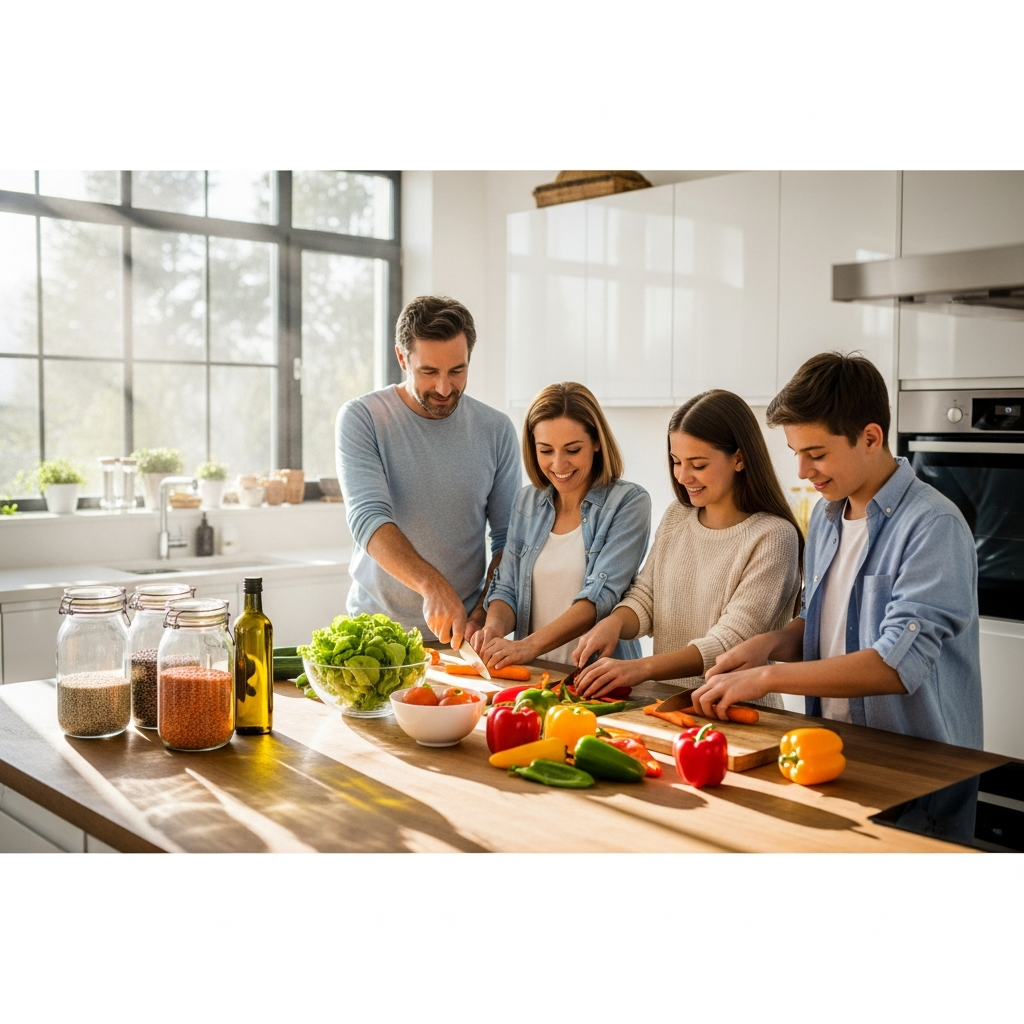
Another benefit is habit formation. Buying organic often nudges households toward home cooking, because raw ingredients beg to be used. A bag of organic carrots practically writes its own side dish; a clutch of kale suggests a quick sauté. Over weeks and months, that cooking habit compounds into better dietary patterns. Families tell me they start with one or two organic anchors—greens and dairy, for example—and then expand as routines settle. Kids see parents valuing simple, whole ingredients, and that modeling carries real weight.
Food safety and transparency also matter. With organic items, you have a clearer view into how something was produced. Clear labeling and a strong, well-organized store department focused on organic foods make it easier to shop with confidence. For those navigating allergies or sensitivities, shorter ingredient lists help avoid unwanted surprises, and the ability to recognize every word on a label reduces anxiety during busy grocery runs.
For households trying to balance convenience with quality, Naperville’s mix of grocers and markets makes the shift manageable. Many families start by identifying the top “high-impact” items they buy most—berries, salad greens, apples, milk, yogurt—and swap those first. Then they tackle proteins and pantry items. Over time, they might add a CSA share or make weekend farmers market visits part of a family ritual. The goal is not perfection; it is a sustainable pattern that fits between school pickups, Riverwalk strolls, and evenings on neighborhood patios.
Environmental health often shows up in these conversations, too, and while it might feel abstract, it becomes tangible when you talk to local growers about soil. Farms that protect soil structure, rotate crops, and build biodiversity support cleaner waterways and resilient harvests. That stewardship has downstream benefits for communities like ours, which treasure parks, forest preserves, and open spaces. When you choose organic, you are often supporting practices that align with the landscapes Naperville families enjoy.
Cooking techniques can help you capture the full benefit of organic ingredients. Store herbs like a bouquet, keep greens crisp with a quick wash-and-dry, and use high-heat methods like roasting to coax sweetness from roots and brassicas. Keep seasonings simple—olive oil, salt, pepper, lemon—and let good produce speak. These approaches suit busy schedules, too: a sheet pan of vegetables and chicken, a pot of beans simmering while homework happens, or a salad built from prepped components can carry the week.
For budget-conscious families, planning reduces waste, which is the hidden cost in most kitchens. Build meals around what needs to be used first—tender lettuces and berries—then schedule sturdier items for later. If you overbought, a quick soup or blended sauce turns odds and ends into something new. With a little practice, your fridge becomes a calm, organized space rather than a source of stress when you open the door at 6 p.m.
Lastly, consider the social dimension. Sharing a meal made from carefully chosen ingredients is a subtle form of care. Whether you are hosting neighbors after a Naper Settlement event or packing picnic boxes for a Central Park concert, the food itself becomes part of the memory. Organic choices help those moments feel a notch more special without fuss.
Which organic items should my family prioritize first?
Begin with what you eat most often and items that are typically eaten raw: salad greens, berries, apples, milk or milk alternatives, and yogurt. Next, consider eggs and frequently used pantry staples. Building from your highest-use items creates the biggest day-to-day impact.
Do organic foods really taste better?
Taste is subjective, but many families report brighter, cleaner flavors, especially in seasonal produce and dairy. Fresher supply chains and careful handling often contribute to that difference. When food tastes great, everyone eats more of the good stuff you hoped to serve.
How can we make organic eating easier on busy school nights?
Rely on simple frameworks: a sheet-pan dinner, a grain bowl, a soup and salad combo, or tacos with roasted vegetables and beans. Prep once for multiple meals—wash greens, roast a tray of vegetables, cook a pot of grains—so assembling dinner takes minutes.
What about picky eaters?
Invite kids into small choices: let them pick a new fruit at the store, help wash greens, or stir a pot. Familiar formats—pasta, tacos, smoothies—make it easier to fold in new flavors. Over time, exposure and participation often soften picky habits.
Is it possible to shop organic without visiting multiple stores?
Yes. Many Naperville grocers offer a comprehensive selection in one place. Browsing a single, well-organized department for organic foods streamlines the trip and keeps your list focused, so you can get in and out without zigzagging around town.
If your family is ready to enjoy food that is vibrant, simple, and nourishing, start small and build momentum. Explore a trusted selection of organic foods, plan a week of doable meals, and see how quickly better habits take root around your Naperville table.