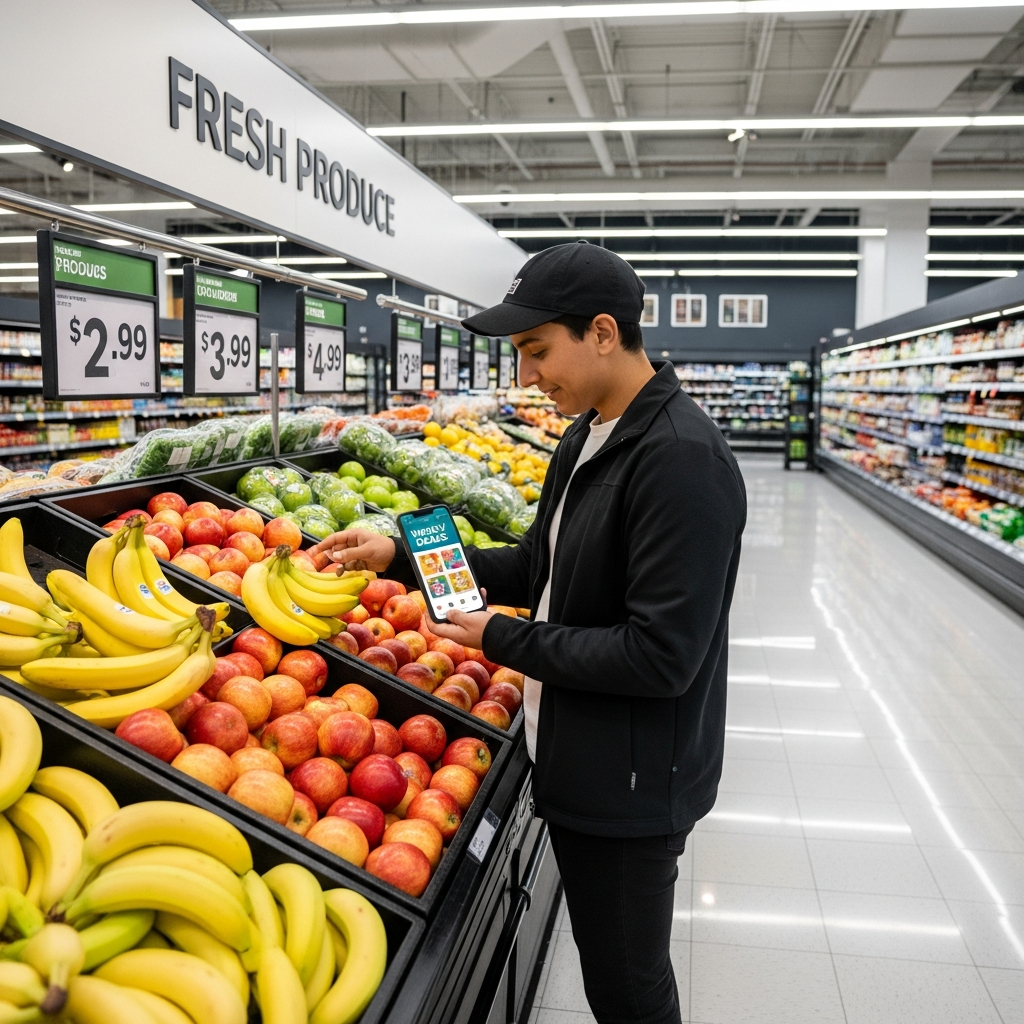
Conversations about supermarkets in Naperville often drift toward value, and that makes sense. We cook for busy families, entertain friends on the weekends, and keep pantries ready for midweek pivots. Understanding what to expect from local supermarket pricing—without getting lost in the weeds—helps you shop with confidence and build satisfying meals from what is shining on the shelves. The most grounded way to begin is simple: before you plan, take a minute to scan the store’s current weekly deals so you can align your menu with items that are being highlighted and are likely arriving in peak condition.
Value in Naperville does not hinge on a single store or a single strategy. It is a blend of seasonality, selection, and smart habits. When produce is in its natural peak, it tastes better and tends to be featured more prominently. When a store curates an international aisle with care, you can build bold flavors from modest ingredients, stretching your creativity without complicating your list. And when you plan loosely—two solid meals and one flexible, ingredient-sharing dish—you conserve both time and attention. The result is not just a gentler receipt; it is a week of food that feels more enjoyable.
What shapes supermarket pricing here
Although we will not fixate on numbers, it helps to understand the drivers that shape the value you experience. Seasonality is the first and friendliest factor. As regional harvests roll in, stores highlight items that travel shorter distances or are in generous supply. That abundance often brings better quality and a wider variety of choices on the shelf. Supply dynamics also matter. Weather in growing regions, transportation, and shifts in demand can change what is plentiful from week to week. Well-run Naperville supermarkets respond by adjusting displays, promoting items that are tasting great right now, and suggesting flexible swaps when a particular product is tight.
Store format influences expectations too. Larger-format markets can offer breadth and one-stop convenience, while smaller neighborhood spots sometimes win on speed, curated selection, and a friendlier feel. Private labels can be strong value players when quality is consistent; many locals mix them seamlessly with national brands. Finally, service and execution matter. Clean, well-run stores that rotate stock diligently, keep counters staffed, and maintain comfortable, organized aisles protect the quality of what you bring home, which has a direct impact on how far your cart carries you through the week.
Seasonal cycles and the flavor-value connection
Naperville’s seasons map neatly onto how we cook. In late spring and summer, you will notice vibrant displays of herbs, berries, and grill-ready vegetables. As fall takes hold, squash, apples, and hearty greens become the palette for cozy meals. Winter leans on sturdy produce and citrus for brightness. Aligning your menu with these cycles is the single best way to enjoy great flavor while shopping thoughtfully. When you let the season lead, you naturally choose ingredients that want to be eaten now, which reduces waste and streamlines decisions.
Lean into the idea of a “seasonal star” each week. If stone fruit is singing, let it guide your desserts and snacks. If a particular green looks crisp and abundant, let it appear twice—in a salad early in the week and sautéed into a pasta or grain later on. This is how locals cook with confidence: by letting the store’s best-looking items do the heavy lifting.
Planning that respects both palate and budget
A nimble plan beats a rigid one. Sketch two anchor dinners with overlapping ingredients and one flexible meal that can absorb a featured item if it calls to you. Build around pantry stalwarts you keep on hand—grains, legumes, oils, vinegars, and spices—so you can focus your cart on fresh items. If you like variety, think about sauces and herbs as your main variables; they transform the same base into entirely different meals without asking you to overhaul the list.
Before you finalize, revisit the store’s weekly deals and check whether any featured produce or proteins fit the plan. If they do, fantastic—swap them in. If not, ignore the noise and stick to your blueprint. The point is to let highlights help, not hijack your style.
Smart swaps and flexible favorites
Adaptability is a quiet superpower in the grocery aisle. If a specific lettuce looks tired, choose a different leafy green that pairs with the same dressing. If your go-to fish is not sparkling behind the glass, pivot to a similar, fresher option. When a featured item looks irresistible but you are unsure how it fits, buy just enough for a test run and build from there next time. These small, confident swaps keep your meals lively while honoring your plan.
Another local habit is to keep a short list of “always good” items that play multiple roles: a dependable bread, a sturdy green, and a protein that works both hot and cold. Those become your safety net when the week runs long. With them in the cart, you can transform leftovers into lunch bowls, wraps, or quick sautés without feeling like you are eating the same thing twice.
Reading the store for value signals
You can tell a lot about value by how a supermarket moves. Are produce displays refreshed throughout the day? Do service counters offer confident guidance and sensible portioning? Are bakery cases full early and still appealing later? Are aisles tidy with clear signage so you do not waste time searching? These cues are not price tags, but they influence how smoothly you shop and how well your ingredients perform once they are home. A store that runs clean and attentive protects your food through every step, which stretches the usefulness of each item you buy.
Pantry strategy that multiplies options
A modest but intentional pantry turns featured items into meals. Keep a couple of grains, a mix of legumes, quality oils, vinegars, and spices that you genuinely enjoy. The international aisles in Naperville are a treasure here: a new sauce or spice blend can send your cooking in a refreshing direction without adding complexity. With the pantry acting as scaffolding, you can respond to what looks great in produce and at the service counters, building complete menus with fewer items.
Waste less, enjoy more
Nothing undermines value like food that goes unloved. The antidote is simple structure. Prep a few items when you get home—wash greens, chop hardy vegetables, and portion proteins into meal-ready sizes. Label leftovers and store them in clear containers so you see them. Give every fragile item a plan within the first couple of days, and let sturdier produce carry you to the weekend. This rhythm ensures your cart becomes dinners, not guilt. It also teaches you, week by week, how much your household truly uses—knowledge that trims excess from future trips.
Entertaining and feeding a crowd
Hosting asks you to balance ambition with calm. Order special cuts or bakery items ahead, pick them up early in the day, and design a centerpiece dish that scales easily. Choose sides that hold well at room temperature so you can mingle instead of mind the stove. In Naperville, stores are adept at supporting hosts, whether that means a quick conversation at the deli about portioning or a bakery hold for a particular loaf or dessert. With a clear plan, you can feed a group generously without turning the kitchen into a stress test.
How seasons and weather affect availability
Weather here and in growing regions plays a visible role in what the store features. After a stretch of sunny days in regional farms, you will often see a bump in quality and variety. If conditions tighten supply elsewhere, managers usually pivot to highlight alternatives that are tasting great right now. Following those signals—the endcaps, the in-aisle signage, and a quick chat with staff—helps you assemble a list that flows with the moment rather than against it.
Frequently asked questions about value in Naperville supermarkets
Q: How can I balance quality and value without overthinking every choice? A: Pick two or three priorities—fresh produce, a dependable protein, and a good bread, for example—and let the rest of the cart flex. Build around pantry staples so you can slot in featured items without starting from scratch each time.
Q: What day is best for a well-stocked, low-stress trip? A: Midweek late mornings and early weekday evenings often combine refreshed displays with calmer aisles. Early weekend hours can also be great if you arrive right at open.
Q: Do private labels make sense? A: Many do, especially when the store treats them as first-class products rather than placeholders. Mix and match with national brands based on taste and reliability, and ask staff for recommendations in categories you care about.
Q: How do I avoid waste when chasing seasonal highlights? A: Share ingredients across meals, prep a few components on day one, and assign leftovers a second life—wraps, salads, or a quick skillet—so they do not languish.
Q: What is the smartest way to approach the international aisle? A: Pick one sauce or spice blend at a time and learn to use it well. That single addition can refresh several meals and keep your rotation exciting without cluttering your pantry.
Q: Any advice for shopping when schedules are unpredictable? A: Keep a short list of flexible favorites that can stretch across meals, and choose delivery or a quick midweek top-up to keep fresh items lively without overcommitting.
Naperville makes thoughtful shopping easier than it might seem. Let the season lead, keep your pantry nimble, and read the store for the quiet signals that point to quality. If you are ready to put these ideas into motion, begin with a glance at the latest weekly deals, then head to the store with a simple, flexible plan. The goal is not to chase every promotion, but to cook with what is vibrant and plentiful—so dinner tastes great and your week feels under control.