
Supermarket delivery in Naperville has grown from a convenience into a weekly lifeline for many households. Between school schedules, commutes, and weather curveballs, having groceries arrive at your door can be the difference between a chaotic evening and a calm one. The trick is making delivery work smarter for you—protecting freshness, reducing waste, and building routines that keep your kitchen ready for whatever the week brings. To start strong, check the current weekly deals and plan your order around what is featured and seasonal; that alignment often translates into better flavor and smoother substitutions.
Saving time with delivery starts before you add a single item to your cart. Think about how you actually cook and eat during the week, then outline two or three anchor meals and a handful of flexible components. That kind of planning helps you order with focus and avoid fridge clutter. You will also want to consider delivery windows in relation to your routine. If your afternoons are busy, a morning drop lets you prep a few items right away. If evenings are calmer, a late-day window can set you up for dinner and the next day’s lunches with minimal stress. The goal is to receive groceries when you have a sliver of time to put them away thoughtfully.
Building a delivery-friendly list
Ordering for delivery asks slightly different questions than shopping in person. Because you will not be there to choose each item, become specific in the notes. For produce, you can request ripeness levels—bananas with a hint of green for later in the week, avocados with gentle give for tacos tonight. For herbs and greens, ask for crisp, vibrant bunches and note that you are happy with substitutions within the same family if the quality is better. At the service counters, request even portioning and clear labeling so you do not have to guess what is what when you unpack. These small details prevent midweek surprises.
Think in zones as you build the cart: pantry staples, produce, proteins, dairy, frozen, and household items. Grouping by zone makes it easier to spot redundancies and gaps. It also helps your shopper choose and bag items in a way that protects delicate produce and keeps cold foods cold. If you rely on specific brands for dietary reasons, mark those as “no substitution,” and then offer flexible alternatives elsewhere in the order to give your shopper options. That balance makes life easier for everyone and tends to yield better results.
Choosing delivery windows wisely
Naperville’s delivery landscape hums along with local routines. Early morning slots are calm and often coincide with the day’s first wave of restocking, which is great for produce and bakery. Midday windows work if you are home to put things away and want a head start on dinner prep. Early evening slots are popular; if you choose them, add clear delivery instructions so the handoff is smooth even if you are juggling other tasks. Around holidays, reserve your window early and keep your list focused on what truly matters for the meal; simplicity is your ally when availability tightens.
Substitutions without stress
Substitutions are the place where delivery either becomes a headache or shines. Set smart rules in your notes. For example, “If this lettuce looks tired, substitute with romaine or butter lettuce depending on what is crispest today.” For a featured fish, you might add, “If unavailable, choose the freshest similar white fish and note thickness for even cooking.” Flexibility, framed by quality cues, leads to better outcomes than strict brand-only rules for every item. Encourage your shopper to message if something looks off; a quick confirmation keeps you in control without hovering over the process.
Protecting freshness at the doorstep
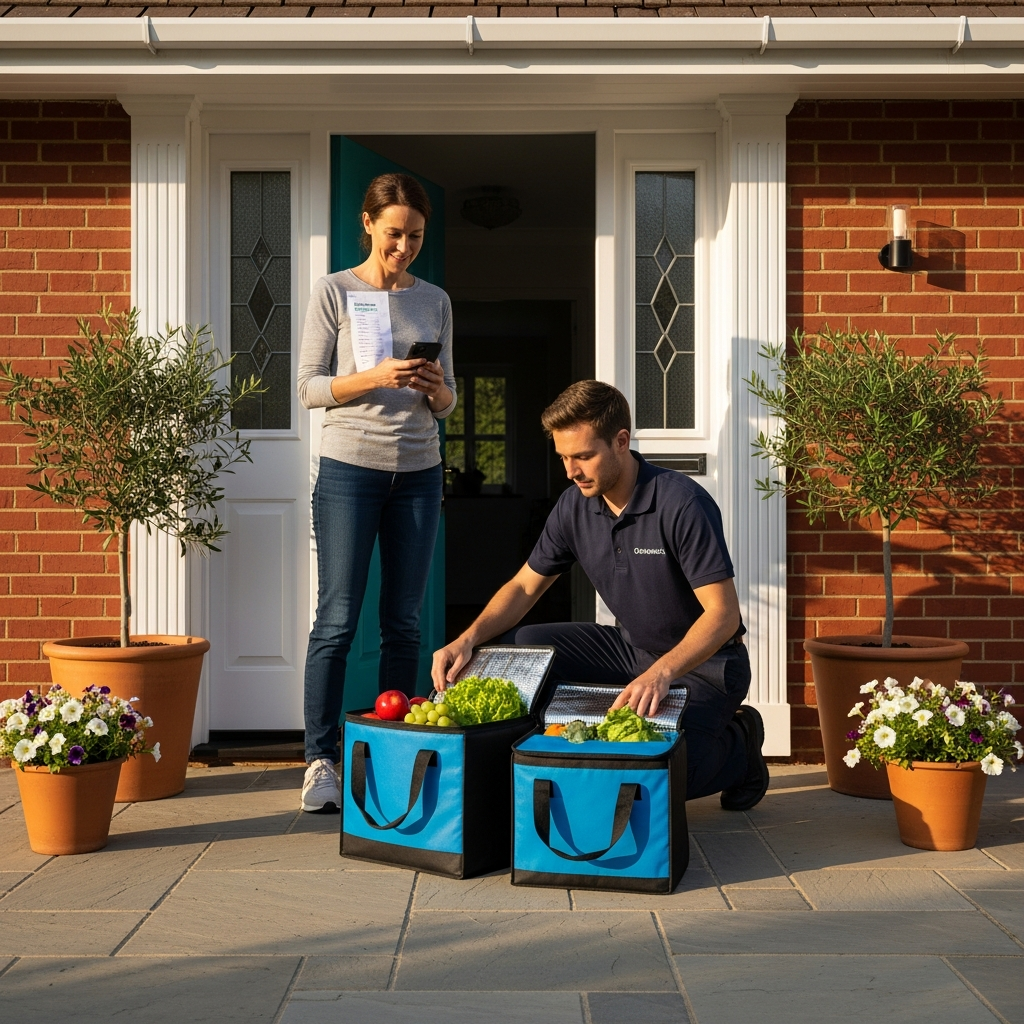
Delivery success hinges on the minute groceries sit on your porch. Add a cooler or insulated bag to your instructions for warm days, and specify a shaded drop spot away from direct sunlight. In winter, ask that items not be placed directly on snow or salted surfaces; a small mat or bin near the door helps. If you live in a building, detail the entry process and how to reach your unit quickly. Clear instructions shorten the handoff, which is good for both freshness and your schedule.
Unpacking for longevity
When the order arrives, unpack in stages to prioritize quality. Start with cold items, sliding dairy, proteins, and frozen foods into place. Next, move to produce, trimming greens and storing them in breathable containers or wrapping herbs and standing them in a jar of water in the refrigerator. Label ready-to-eat items for today and tomorrow, then earmark others for later in the week. Pantry goods can wait a minute while you set the fresh foods up for success. This small sequence multiplies the usable life of your order and keeps waste at bay.
Prepping components right away
Delivery days are ideal for small, high-leverage prep moves. Wash and dry greens, chop hardy vegetables, and cook a pot of grains. If you rely on a roasted or deli-prepared protein, portion it immediately and plan its second act—wraps, salads, or a quick skillet toss with vegetables. Setting aside a handful of herbs and a citrus or two gives you the building blocks for a fast sauce that lifts any meal. These habits turn a box of groceries into a week of easy wins.
Aligning with weekly highlights
Delivery does not have to mean missing out on what is featured in-store. Before you finalize your cart, scan the store’s weekly deals to see which produce, proteins, and pantry items are being highlighted. Use your notes to prioritize quality for those items, and consider building a meal or two around them. Because these highlights tend to be in generous supply, your shopper has better odds of securing the exact items you want in peak condition.
Saving time with saved lists and repeat items
Most delivery platforms let you save lists or favorite items. Use that feature for your true staples—yogurt styles, the bread your family loves, the grains and sauces that ground your meals. Keep the list lean so it stays accurate. Then, each week, add the fresh, flexible items based on your plan and what is being featured. Over time, this approach trims ordering from a 30-minute task to a five-minute review and a few targeted additions.
Delivery etiquette and communication
Clear, friendly communication makes delivery smoother. Provide accurate contact information and respond promptly to substitution questions. If you have a sleeping baby, work call, or skittish pet, note it so the handoff style fits your household. Specify your drop-off spot in a way that protects both packages and perishables. If your building requires elevator codes or call boxes, include each step. The easier you make the route, the better condition your groceries will be in when they reach your kitchen.
Weather-wise delivery strategies
Naperville’s weather keeps us on our toes. In summer heat, an earlier window helps protect delicate items. In winter, earlier in the day can avoid slick, dark walkways. If a storm is forecast, consider shifting your delivery a day forward or consolidating two smaller orders into one solid drop to minimize back-and-forth. Place a doormat or bin where the driver can set bags without exposure to wet or salted surfaces, and clear your entryway so you can whisk perishables inside with minimal delay.
When delivery pairs with a quick in-store stop
Many locals run a hybrid plan: delivery for the staples and a short, strategic in-store visit for items they prefer to hand-select—fragile fruits, a specialty bread, or something unique from the deli. This combination lets you benefit from the time savings of delivery while still enjoying the tactile satisfaction of choosing a perfect melon or watching a custom cut at the butcher. If you go this route, schedule delivery to arrive just before your quick store stop so you can keep momentum and settle the kitchen in one session.
FAQ: Making delivery work for you in Naperville
Q: How can I improve the odds of getting exactly what I want? A: Write clear notes on ripeness and acceptable substitutions, save a precise staples list, and choose a delivery window that aligns with restocking and your availability to unpack.
Q: What should I do if a delivered item looks off? A: Photograph it right away, message support through the platform, and store the item safely while you await instruction. Most stores handle issues promptly when you report them quickly and clearly.
Q: How do I keep greens and herbs lively after delivery? A: Wash and dry greens, store them in breathable containers, and stand herbs in a jar of water in the refrigerator. Use the most delicate items first and save sturdier produce for later in the week.
Q: Are prepared foods worth adding to a delivery order? A: Yes. Treated as components, they can anchor busy-night dinners and become next-day lunches. Add notes to request clear labeling and portioning for easier meal assembly.
Q: What if my building has tricky access? A: Provide step-by-step entry instructions, including codes and call box details, and designate a clear drop-off spot. The more precise you are, the less time perishables spend in transit inside your building.
Q: How do I minimize waste when ordering delivery? A: Order in realistic quantities, plan for second-life uses of prepared items, and prep components on arrival. Label leftovers and store produce properly to extend its usable life.
If you are ready to make supermarket delivery a reliable part of your week, start by aligning your plan with the store’s featured items and set clear notes for the essentials. A quick glance at current weekly deals, a thoughtfully chosen delivery window, and a few high-impact prep moves are all it takes to turn doorstep groceries into steady, delicious momentum for your household.