
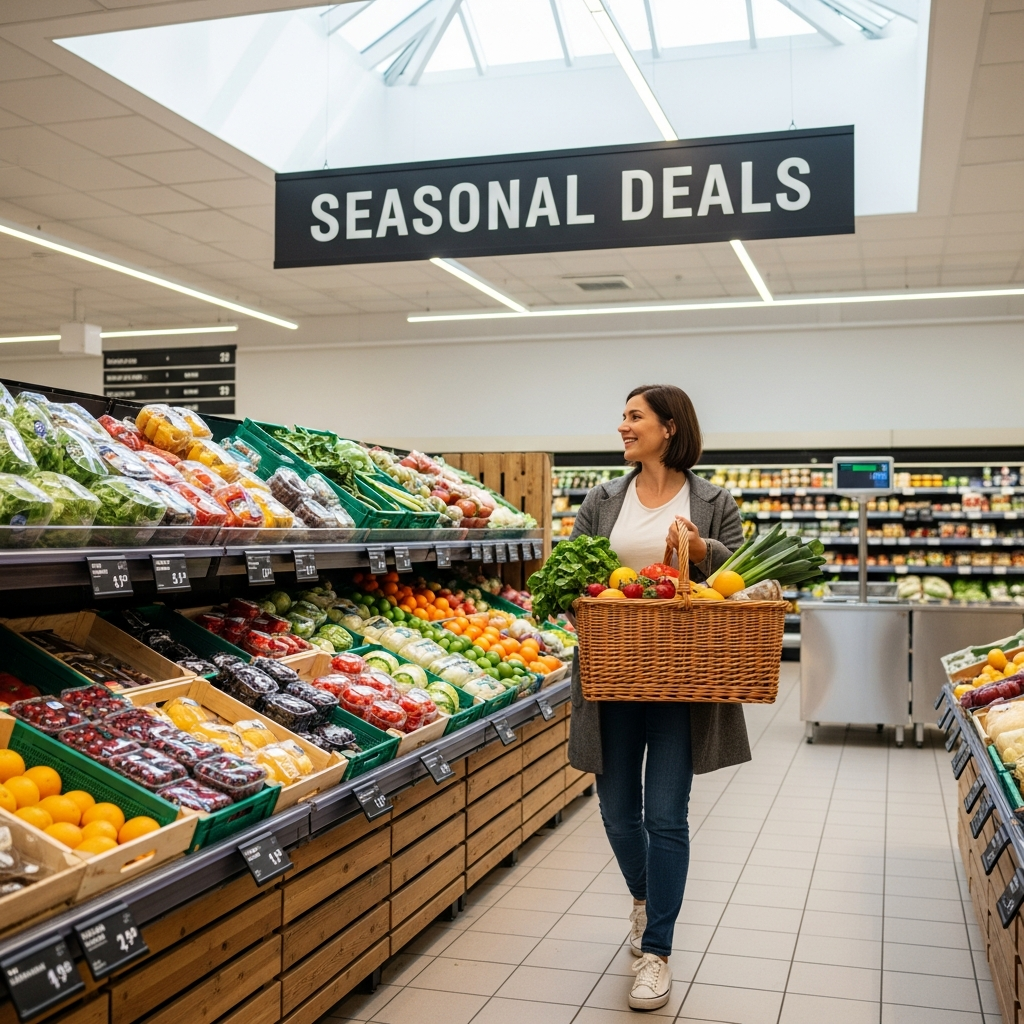
Chasing fresh deals in Naperville is less about luck and more about learning the rhythms of our local supermarkets. The best choices are the ones that match your cooking style with the store’s strengths: a produce section that hits its stride at the right hour, a seafood counter that brims with clean, well-cut fillets, and a bakery that still has warm loaves when you arrive. Locals know that a bit of planning multiplies the payoff. Before you set out, spend a minute with the store’s weekly deals, then sketch two or three meals that can flex with whatever looks brightest once you walk the floor.
What makes a “fresh deal” truly great? It is the intersection of quality and timing. When an item is featured, it tends to be available in peak condition, and staff are ready to replenish it throughout the day. This is when berries taste like summer, greens carry that delicate snap, and herbs release their perfume as soon as you open the bag. A fresh deal is the invitation to build a menu around what wants to be eaten now—an easy way to cook more flavor into weeknights without adding effort or complexity.
Choosing your anchor store
In Naperville, the smartest strategy is to choose an anchor supermarket—your default stop for produce, proteins, and the dairy you reach for again and again. Then, if you like the hunt, layer in a second store for pantry treasures and specialty items. Your anchor should do three things well: keep a lively produce section, run fast and friendly service counters, and maintain a logical, clean layout that helps you move quickly. Visit during your typical shopping hour to gauge the real experience; a store that is dreamy on a Tuesday morning might feel tighter on a Saturday at noon, and vice versa. The “best choice” is the one that remains steady when you need it most.
Reading the produce section
A great produce department broadcasts freshness from the entry to the herbs. Look for even color on lettuces, firm stems on leafy greens, and fruit that feels substantial for its size. If you pick up a bunch of cilantro and it perfumes your hands, that is a good sign. Berries should be plump and dry inside the container. Tomatoes should not be overly soft, and they should carry a soft, garden-like scent. Staff who can tell you what came in that morning—and who happily offer to fetch a fresher box from the back—are worth their weight in weeknight sanity. When a store features a seasonal item with prominent signage, take the hint; build a meal around it while it is shining.
Seafood, butcher, and bakery cues
Freshness cues show up at the counters. Seafood should glisten without puddles, and fillets should be cleanly cut with edges that look crisp rather than ragged. If the associate can tell you when the case was last set, you are in good hands. At the butcher, marbling should look consistent, and labels should make sense at a glance. Good teams help you choose the right cut for your cooking method, which not only elevates dinner but reduces the chance of midweek kitchen stress. Bakeries tell their story through the crumb. Press gently on a loaf—if it springs back and smells like honest grain, bring it home. Rolls, baguettes, and simple sweets are the everyday heroes that make a meal feel complete.
Timing your run for fresh deals
Time of day and day of week matter. Early mornings are reliable across departments: produce is crisp, bakery cases brim, and service counters are staffed and ready. Midweek late mornings often balance restock freshness with lighter traffic. Early evenings on a weekday can be bliss if the store refreshes displays in the afternoon. On weekends, the hour after open is golden; arrive with a plan and you will be back in the car before the lots fill. Around holidays or local events, shift your schedule by a day to avoid bottlenecks while still catching the most vibrant selections.
Meal planning that amplifies freshness
Think in templates so you can pivot toward the brightest items. A grain bowl anchored with greens, a citrusy vinaigrette, and a protein of your choice can go a dozen directions based on what the store is featuring. A simple pasta can become a spring celebration with tender vegetables and herbs, or a summer stunner with tomatoes and a quick sauté of seasonal produce. Sheet pan dinners do heavy lifting on weeknights; when you see a fresh deal on a particular vegetable, let that be the star and fill in with pantry staples. The key is to plan loosely, then let the freshest-looking items decide the final details.
Making the middle of the store work for you
Fresh deals are not only about the perimeter. The middle aisles contain the spices, broths, grains, and preserved goods that help you turn seasonal produce into meals. Keep a modest but capable pantry: a couple of rices, a grain like farro or bulgur, dried beans or lentils, canned tomatoes, and a small bench of oils and vinegars. With that scaffold in place, you can ride the weekly highlights without feeling like you need to reinvent your pantry every time. The international aisles in Naperville are especially helpful for sauces and seasonings that shift your usual rotation into new territory.
Prepped components and leftovers
Prepping a few components on shopping day pays back all week. Wash and dry greens, chop hardy vegetables, and cook a pot of grains. Store them in clear containers so they call to you when you open the refrigerator. If you buy a rotisserie-adjacent protein or something from the hot case, plan its second life while you are still in the store. Tuck leftovers into wraps, fold them into an omelet, or layer them over dressed greens. Treating prepared foods as components keeps things fresh without relying on the same dish two nights in a row.
How to spot a true fresh-deal superstar
It is one thing for a store to advertise highlights; it is another to execute them beautifully. Watch for replenishment: are staff refreshing displays throughout the day? Do they rotate in small batches so the top layer is always lively? Are there clear, accurate labels that help you compare varieties? Is the music comfortably low so you can think as you decide? These signals point to leadership that respects shoppers’ time and palate. When you find a store that nails these details consistently, you have found a fresh-deal superstar.
Staying flexible and avoiding waste
The risk of chasing deals is overbuying, but a few simple habits cancel that out. Build a menu that shares ingredients across two or three meals: herbs used in a salad can finish a soup the next night, and a dressed grain can become the base of a lunch bowl. Store produce properly—greens in breathable containers, herbs in a jar of water in the refrigerator, and fruit in the crisper with good airflow. Label leftovers and give them a plan before they become a mystery. If something looks irresistible but you are unsure how it fits, buy just enough to experiment. That small test batch often becomes next week’s star.
Midweek tune-ups
There is a sweet spot midweek to top up on freshness without doing a full run. Swing by for greens, fruit, and a loaf of bread, and you will refresh your menu for the back half of the week. This is also a smart moment to revisit the store’s weekly deals, because managers sometimes spotlight a different specialty item as the week unfolds. I like to grab an herb bunch and a citrus then decide on the protein after I see what is shining at the counter; that keeps dinner both spontaneous and seasonal.
Entertaining without stress
When hosting, trust your anchor store to deliver the essentials, then add a second stop for flair if you have time. Order custom cuts or special bakery items ahead, pick them up early in the day, and keep the rest of your cart light and focused. Choose a centerpiece dish that scales easily and a couple of sides that can be served at room temperature so timing stays flexible. Let the store’s displays inspire you; when a color story jumps out in the produce section, run with it and your table will look as vibrant as it tastes.
FAQ: Fresh deals and smart choices in Naperville
Q: What time of day offers the best selection for featured items? A: Early mornings and midweek late mornings usually combine freshness with lighter crowds. Early evenings can also work in stores that refresh in the afternoon.
Q: How do I avoid overbuying when deals are tempting? A: Plan two core meals and one flexible dish that can absorb extra produce. Prep just enough on day one to create momentum, and give leftovers a defined second use.
Q: Any quick tests for choosing produce? A: Look for vibrant color, firm stems on greens, and a gentle fragrance on fruit like tomatoes and stone fruit. For berries, check for dryness inside the container and skip anything with visible condensation.
Q: Are international aisles worth the detour? A: Absolutely. They hold sauces, spices, and staples that let you transform the same core ingredients into very different meals, which keeps your rotation exciting.
Q: Can prepared foods still be part of a “fresh” plan? A: Yes. Treat them as components. Pair a roasted item with a crisp salad, fold leftovers into a wrap, or use a deli-made side as the base for a quick, home-finished dish.
Q: How do I keep bread fresh for more than a day? A: Buy what you will eat within a couple of days and slice the rest for the freezer. Toast or warm slices directly from frozen to revive the crust and crumb.
Naperville makes it easy to shop well when you build a simple plan around what is at its flavorful best. Choose an anchor store that keeps freshness front and center, stay flexible, and let seasonal highlights lead the way. If you are ready to make this week’s menus brighter, start by skimming the latest weekly deals, then head out with a short list and an open mind. The best supermarket choices are the ones that send you home inspired, not overwhelmed—and our local stores are set up to do exactly that.