One of the most joyful parts of living in Naperville is how the city’s diversity shows up on the plate. Walk the aisles of our ethnic grocery stores and you’ll hear multiple languages and see ingredients that trace the traditions of families from South Asia, the Middle East, East Asia, Eastern Europe, and Latin America. Shopping these stores is less about checking items off a list and more about exploring a living map of flavor. You’ll find a dizzying array of spices, rice varieties, chilies, sauces, breads, and fresh produce that can turn a simple weeknight dinner into something extraordinary. For me, these trips start with curiosity and a willingness to learn, and they end with a basket that feels like a passport.
If you’re new to shopping Naperville’s ethnic markets, begin with a slow walk. Let the colors and aromas draw you in—fragrant curry leaves next to glossy eggplants, stacks of tortillas across from crates of tomatillos, jars of kimchi near bundles of perilla. Take time to read labels and talk to staff; the best discoveries often come from a quick conversation about how to choose the right soy sauce for a stir-fry or which rice works for biryani versus sushi. Many stores organize their grocery department to echo the culinary logic of their home cuisines, so once you learn the layout, each aisle becomes a guide to how flavors fit together.
Produce: A New Lens on Freshness
Ethnic markets often showcase produce you might not see in mainstream stores, or if you do, not with the same turnover and care. Look for long beans that snap cleanly, bitter melon with a deep green hue, chayote that’s heavy for its size, and cilantro bunches bundled with roots intact for longer freshness. In South Asian markets, you’ll often find fresh curry leaves and methi (fenugreek) that unlock flavors you can’t get from dried versions. In East Asian-focused stores, crisp Napa cabbage and daikon are staples. Latin markets brim with tomatillos, poblanos, and ripe plantains in a spectrum from green-fryable to black-sweet for dessert.
The fun is in learning how to read these ingredients. Tomatillos should have tight, papery husks and firm flesh; poblanos are best with glossy skin and a subtle, grassy aroma. For plantains, choose based on your plan: green for savory and starchy, yellow for a balance, and black for sweet, soft maduros. Ask the staff how they like to cook their favorites. In Naperville, where neighbors readily share food traditions, you’ll rarely leave without at least one new idea.
Spices and Sauces: Building a Global Pantry
Spices are the heartbeat of many ethnic markets. You’ll see whole cumin and coriander next to pre-ground blends, along with turmeric, cardamom, cinnamon sticks, star anise, and Sichuan peppercorns. Buy small amounts you’ll use in a couple of months to keep flavors bright. For sauces, think of them as shortcut wisdom—fermented soy sauces, gochujang, fish sauce, tamarind pulp, harissa, ajvar, and mole pastes carry years of culinary knowledge in a jar. Taste and smell whenever you can, and start with staples that open doors: a good soy sauce, a fish sauce you like, a balanced curry paste, and a chili oil with a flavor profile that suits your heat tolerance.
Rice varieties deserve attention, too. Basmati for long, aromatic grains; jasmine for a softly sticky texture and floral aroma; short-grain for sushi and onigiri. Each rice tells a story about how it will behave in a dish. Pairing the right rice with the right technique makes everything else taste better. The same goes for noodles: rice vermicelli for fresh rolls, buckwheat soba for earthy slurps, wheat noodles for robust stir-fries.
Butcher and Seafood Counters
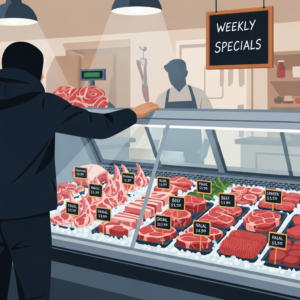
Many ethnic markets carry cuts tailored to traditional dishes. You’ll find thinly sliced beef for hot pot, bone-in chicken pieces for curries, lamb for kebabs, and fish prepared for steaming or frying. Don’t hesitate to ask for a special cut; the team often knows how home cooks are using these ingredients and can shape portions to match. You may see fish varieties you haven’t tried—whole tilapia, pomfret, mackerel—presented for selection. Freshness shows in clear eyes, tight scales, and clean sea scent. Staff can clean and prep to your specifications, which turns complex recipes into manageable Tuesday-night cooking.
For those observing halal or kosher practices, dedicated sections and clear labeling are common, and staff are accustomed to questions. Naperville’s markets serve an array of dietary traditions, and the respect for these details builds a sense of community that’s palpable in the checkout line.
Bakeries and Ready-to-Eat
Many ethnic stores in Naperville have in-house bakeries that are little treasure chests: pillowy naan still warm, layered burek with spinach and cheese, bolillos with a tender crumb, and sesame-studded buns that seem to beckon from across the aisle. These items carry their cultures’ histories in texture and aroma. Grab a small selection and build the week’s meals around them. A few naan can anchor a vegetable-forward dinner; a loaf of crusty Eastern European bread turns soup into a feast; fresh tortillas invite tacos any night of the week.
Ready-to-eat counters are also windows into technique. A container of kimchi tells you what good fermentation tastes like. A samosa’s flaky shell and spiced filling teach you balance. Shawarma sliced thin and tucked into flatbread explains how to layer sauce, pickle, and protein. Sampling these dishes helps you translate the flavors you love into your home kitchen with the ingredients you find just steps away.
Learning the Aisles
Every store has its logic. You might find that the spice aisle sits next to rice and lentils, with pickles and chutneys one row over. East Asian staples often cluster together—soy sauce, mirin, rice vinegar, seaweed, and noodles—so you can stock a complete toolkit from a single stretch of shelves. Latin sections group masa harina, dried chilies, salsas, and canned beans. Once you learn the map, quick trips become second nature. Many stores keep high-turnover items at the front of the grocery area, which is a clue to what’s most loved by regulars.
Labels sometimes feature multiple languages or transliterations that vary between brands. If you’re unsure, snap a photo and ask a staff member. Most are delighted to help you match an ingredient to a recipe or to explain the differences between similar products. That interaction is part of the experience and a joyful way to learn.
Cooking With Respect and Curiosity
When you bring home new ingredients, approach them with humility. Read a few trusted sources, watch a quick demonstration if it’s available, and start simple. If you’re cooking with new spices, toast them lightly to unlock aromas. If you’re trying a new chili, taste a tiny piece first; heat levels vary. When using fermented sauces, begin with less than you think and adjust—layers are the goal, not blunt force. Cooking from different traditions is a long conversation; you join respectfully by learning techniques and honoring the ingredients you bought.
It also helps to connect dishes to moments in Naperville life. A quick stir-fry becomes weeknight salvation before a school concert. A pot of dal simmers quietly while kids do homework. Tacos build themselves at the table after a Saturday soccer game. When you match a cuisine’s strengths to your routine, you create space to practice without pressure.
Festivals and Seasonal Peaks
Naperville’s calendar brims with cultural celebrations—Diwali, Lunar New Year, Eid, Nowruz, and more. Stores often reflect these moments with special displays and limited-time ingredients. In winter leading up to Lunar New Year, you might find beautiful citrus, specialty dumpling wrappers, and sweets. Around Diwali, shelves glitter with treats and ghee. Eid may bring dates and cuts perfect for feasts. These are wonderful times to visit, both for the festive energy and for the chance to learn from fellow shoppers who are planning their own celebrations.
As the weather warms, produce peaks shift too. You’ll see bundles of herbs that love the Midwest sun, chilies in broader variety, and melons that taste like summer itself. Ask what’s freshest right now and let that guide your menu; a single centerpiece ingredient can carry a whole meal when it’s in season.
Budgeting Time, Not Just Money
Shopping ethnic markets is as much about time as it is about ingredients. Give yourself a little buffer to wander and ask questions. The first few trips might feel slow as you learn spellings, brands, and packaging cues. Soon enough, you’ll be moving quickly with a mental map that’s just as strong as the one you have for your usual stores. When you cook with what you’ve learned, meals become more flavorful without becoming more complicated, and your pantry evolves into a resource that supports spontaneity.
It helps to keep notes—what brand of soy sauce you liked, which curry paste tasted balanced, which rice cooked perfectly in your pot. Over time, those notes become your personal guide, the difference between a good meal and a great one when you’re short on time on a weeknight and need to move fast.
Respecting Dietary Traditions
Ethnic stores often serve communities with specific dietary practices, from halal and kosher to vegetarian and vegan traditions rooted in religious and cultural norms. Labels will often be clear, and staff are used to navigating these details. If you’re cooking for friends, ask questions and verify. It’s a simple gesture that goes a long way toward making everyone feel welcome at the table. Naperville’s strength is its neighborly spirit, and nothing expresses that more than a meal shared with care.
Frequently Asked Questions
How do I choose fresh produce at an ethnic market if I don’t know the item well?
Use the same cues you’d use elsewhere—color, aroma, texture—and ask a staff member to show you how to tell when it’s ready. Most are excited to share tips, especially on seasonal items like bitter melon or long beans.
What pantry staples should I start with?
Begin with a versatile set: a good soy sauce, fish sauce if you enjoy Southeast Asian flavors, basmati or jasmine rice, a balanced curry paste, and one or two chilies that match your heat comfort. Build slowly so you learn how each ingredient behaves.
How can I cook respectfully from a cuisine that isn’t mine?
Start by learning techniques—how to toast spices, balance sour and heat, or build a stir-fry. Use trusted recipes as training wheels. Give credit to your sources and keep listening and refining as you learn.
Are there special times to shop for festival ingredients?
Yes. Leading up to major holidays, stores feature themed displays and bring in seasonal items. Stop by a week or two in advance, ask what’s arriving, and plan your menu around those peaks.
How do I avoid waste when experimenting?
Buy small amounts, especially of spices and chiles. Choose one new ingredient per trip and build a simple meal around it. Keep notes on what you liked and what you’d change next time.
Can I ask for special cuts at the butcher or seafood counter?
Absolutely. Staff are used to preparing meats and fish for specific dishes and can often portion or slice to match your recipe. Clear requests help them deliver exactly what you need.
If you’re ready to explore the flavors that make our city so vibrant, start with a leisurely visit to a store whose grocery department reflects the cuisines you’re curious about. Ask questions, bring home a new ingredient alongside familiar staples, and cook a meal that opens a conversation at your table. Naperville’s ethnic markets are an invitation—accept it, and your weeknight dinners will never be the same.