Everyday Frictions in an Otherwise Great Shopping Town
Naperville is a wonderful place to shop for food—diverse shelves, friendly teams, and stores that feel woven into local life. Yet even in strong markets, shoppers run into common frustrations that slow them down or fray their patience. As someone who has watched the ebb and flow along Ogden Avenue, near Downtown, and in growing neighborhoods south of 95th Street, I can tell you that most pain points have predictable causes and practical fixes. When we understand why bottlenecks form, how out-of-stocks occur, or what makes an aisle feel chaotic, we’re better equipped to adjust our habits and advocate for improvements. Early in the trip, a clearly marked grocery department helps set a calmer tone—but there’s more we can do.
Grocery stores are complex. Behind every polished display are delivery schedules, temperature checks, staff rotations, and merchandising plans. When any one of those components slips, we feel it at the cart. The good news is that stores in a responsive community like ours tend to address issues quickly when they’re named clearly. Shoppers can help by recognizing patterns and offering feedback in ways that lead to practical change.
Out-of-Stocks and Product Gaps
Few things frustrate shoppers more than finding an empty space where a staple should be. Causes range from supplier hiccups and sudden demand spikes to layout resets that haven’t fully caught up with ordering. In Naperville, winter weather and local events can shift buying patterns rapidly, and if orders were placed before that trend appeared, shelves can thin out unexpectedly. The fix involves tighter communication between department managers and ordering teams, plus data that reflects true demand in our specific neighborhoods rather than a one-size-fits-all forecast.
For shoppers, simple tactics help. Build a flexible list with one or two backup options, and if you notice chronic gaps, tell a manager with specifics—brand, size, and when you typically shop. Concrete details are gold; they help teams diagnose timing issues or delivery constraints and adjust orders quickly.
Aisle Congestion and “Hot Spots”
Even a well-run store has corners where traffic snarls. Think of narrow bends where two popular categories meet, or freezer doors that swing wide into cart paths. After-school rushes, weekend brunch runs, and pre-storm stock-ups can transform a calm aisle into a standstill. The design fix is part geometry, part psychology: widen known choke points, stagger high-demand categories, and use endcaps that truly relate to what’s nearby so shoppers spend less time doubling back.
Shoppers can pick their moments. Early mornings are typically calm, and weekday mid-afternoons can be mellow. If you need to go during a known rush, start with the busiest zones first—frozen, dairy, or snacks—and then move to calmer categories. A small shift in sequence can shave minutes and ease stress.
Label Confusion and Decision Fatigue
Too many labels, not enough clarity. With a flood of nutrition claims and conflicting cues, it’s easy to slow to a crawl while comparing similar items. The store solution is concise, standardized tags that highlight the distinctions that matter most. Grouping related products and adding tiny prep tips can also speed decisions—pair a rice variety with a simple water ratio, or a sauce with a suggested protein and vegetable.
At home, decide on your nonnegotiables—ingredients you avoid or attributes you prioritize—so you filter quickly on the shelf. Save your experimental energy for one or two items rather than every choice. Over time, decision fatigue melts as your personal “go-to” set grows.
Quality Swings in Sensitive Departments
Produce and bakery quality can vary with season, delivery timing, and handling. In winter, greens may travel farther and need gentler care; in humid months, certain breads stale faster if cases aren’t calibrated. The behind-the-scenes fix is meticulous rotation, temperature checks, and staff training that treats each item according to its quirks. Most stores are working hard here, but even small lapses show up fast on the plate.
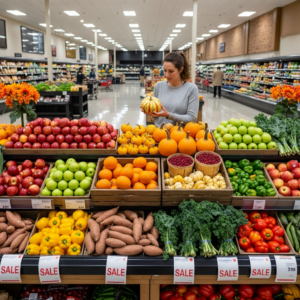
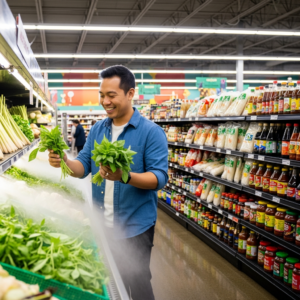
Shoppers should shop with their senses. Smell herbs, feel for firm stems on broccoli, and look for natural sheen on apples and peppers. Ask staff what arrived that day, and plan a meal around what looks best right now rather than what you decided three days ago. Flexibility usually tastes better.
Long Lines and Checkout Stress
Nothing derails a swift shop like a surprise line stretching deep into the aisles. Causes range from staffing gaps to simultaneous rushes that outpace forecasts. The operational fix blends better scheduling, “all-hands” protocols during spikes, and technology that keeps self-checkout flowing without confusion. Clear signage and a friendly floor lead make a difference when three things need attention at once.
Shoppers can prepare by grouping items for faster scanning, keeping payment ready, and choosing the lane that matches their cart—small baskets fly through express, while fuller carts deserve a staffed lane. Patience helps, but so does speaking up if a register light is off or a scanner is misreading an item; alerting staff to a problem quickly can save everyone time.
Store Resets That Disorient Regulars
Periodically, stores refresh layouts to feature seasonal goods or improved flows. While the end goal may be positive, the transition week can be maddening for regulars who know the old map by heart. The fix is communication: temporary signs that say “moved to aisle 7,” floor associates stationed where high-traffic items used to be, and updated digital lists that reflect new locations immediately.
On the shopper side, give yourself a little margin the first time you visit post-reset. Treat it as a mini tour instead of a timed pit stop, and ask associates to point you right where you need to go. Within a trip or two, the new paths will feel natural.
Promotions Without Context
Special displays are great when they help you assemble a meal, but they can confuse when the tie-ins aren’t obvious. The store solution is relevance: if the endcap is pasta, nearby shelves should include sauces, cheeses, and tomatoes that make dinner straightforward. Thoughtful curation reduces wandering and prevents duplicate trips across the store for that one missing ingredient you forgot.
As a shopper, think in meals. If you pick up a feature item, quickly visualize the plate and scan for the two or three companions that make it work. Keeping a short mental pantry of staples at home—oil, vinegar, salt, spices—also eliminates last-minute sprints.
Parking and Timing
Lots in busy corridors can pinch during peak hours. While stores can’t always re-stripe lots, they can improve traffic flow with clearer arrows, safer cart corrals, and seasonal snow management that keeps spaces accessible. Inside, aligning staffing with those peak windows helps the whole visit feel smoother even if the lot is full.
Shoppers can plan circuits around known pinch points. Combine errands so you park once, or swing by just before dinner when early-rush waves have moved on. For quick trips, choose entrances closest to your targets: dairy, produce, or the center store—whatever you need most first.
Communication Gaps
Small lapses in communication create outsize headaches. Maybe a known delivery is running late, but the sign hasn’t been updated; perhaps a seasonal favorite has returned, but no one announced it. The fix is proactive updates via in-store signage and quick notes at service counters. When shoppers are informed, they’re patient and flexible; when they’re in the dark, frustration rises unnecessarily.
Shoppers help by asking, not assuming. A polite question about timing or availability often yields a useful answer or an immediate workaround you wouldn’t have spotted on your own.
Frequently Asked Questions
How can I avoid peak-time congestion?
Early mornings and mid-afternoons on weekdays are typically calmer. If you have to shop during a rush, tackle the busiest zones first and keep your route tight—start where you know bottlenecks form, then move to quieter aisles.
What’s the best way to handle out-of-stocks?
Carry one or two backup options on your list and share specifics with a manager if gaps repeat—brand, size, and usual shopping time. Precise feedback helps teams adjust orders and stocking schedules quickly.
How do I speed up checkout without self-checkout stress?
Sort items as you load your cart to match scanning flow, keep payment methods handy, and choose a lane that aligns with your basket size. If a register seems stalled, alert staff early so they can redirect traffic.
What should I do when the store layout changes?
Give yourself a little grace on the first visit back. Look for temporary “moved to” signs and ask associates to orient you. Within a trip or two, the new layout usually makes sense and may even shorten your route.
How can I improve produce quality at home?
Shop shortly after likely delivery windows, ask which items are freshest, and store produce according to type—greens chilled and dry, tomatoes at room temperature, and herbs wrapped loosely with airflow. Small habits preserve flavor and texture.
Make Your Next Trip Smoother
Most frustrations have simple fixes when stores and shoppers work together. Start your route in the sections that matter most to you, communicate clearly with staff, and look for the well-signed grocery department that keeps essentials in easy reach. A few smarter choices turn a chore into an easy win for your week.