
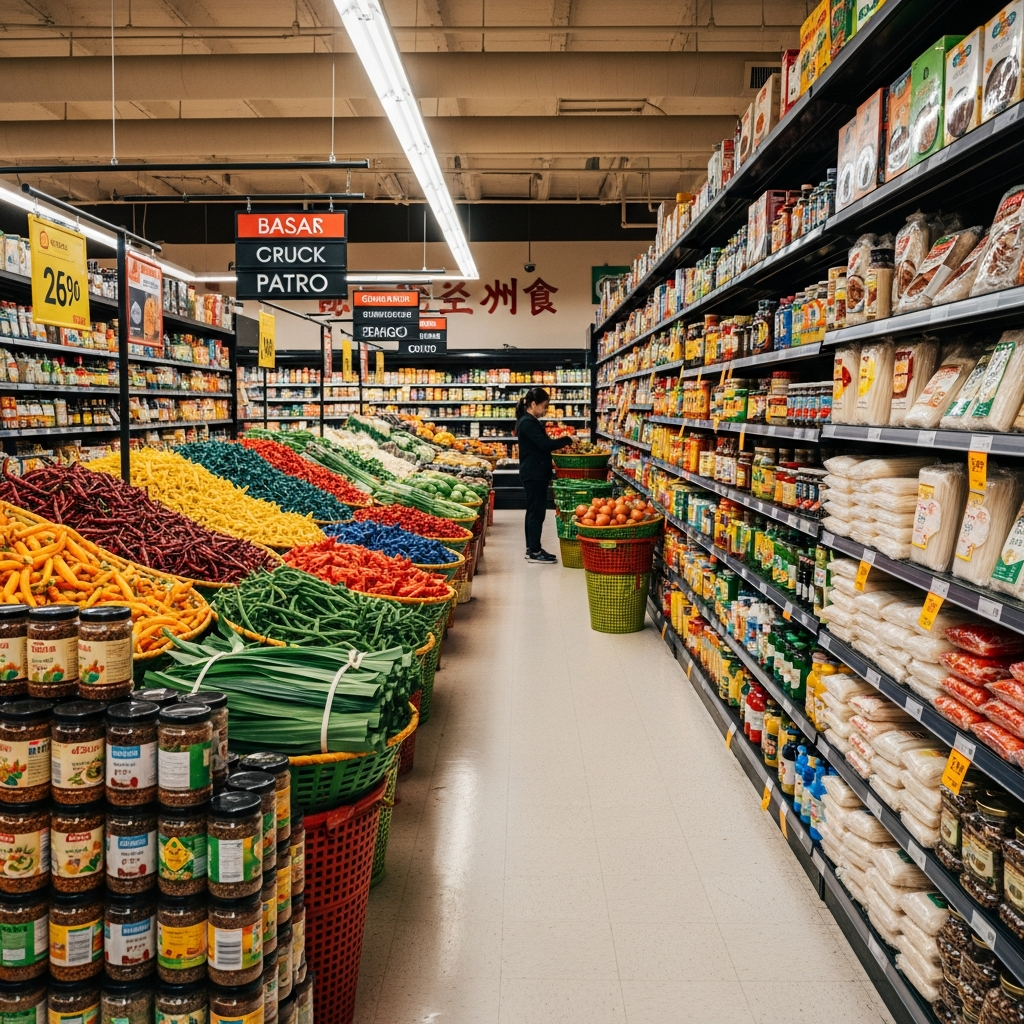
If you live in Naperville or find yourself regularly driving its tree-lined streets in search of specialty groceries, you already know that finding the right Asian supermarket can feel like discovering a small, vibrant cultural center tucked between everyday errands. The moment you step through the doors of a good Asian market, you’re greeted by an orchestra of aromas—ginger, roasted sesame, pandan, kaffir lime—and the visual rhythm of produce you won’t see in a standard chain store. That first impression is only part of the draw. For locals who cook at home, the true magic is how a single stop can transform dinner plans for the whole week. Many residents start planning their shopping route by first checking the latest weekly deals, then mapping out which stores will round out their pantry, produce, and ready-to-eat options.
Naperville is a city of neighborhoods and connectors. When people ask me where to find an Asian supermarket nearby, I begin by describing the arcs of traffic that shape our shopping habits. Ogden Avenue is a lifeline, and so is Route 59—a corridor that draws families from Naperville, Aurora, Bolingbrook, and beyond. Between these main routes and the quieter pockets around 75th Street or the southern bends near 95th, you’ll encounter plazas that host everything from compact specialty markets to larger grocers with full-service seafood counters and spacious aisles of rice, noodles, and spices. The trick is to understand the character of each store and how it fits your cooking style, whether you’re assembling a Korean barbecue night, packing on-the-go Japanese bentos, or simmering a weekend pho broth that perfumes the house.
Understanding Naperville’s Asian Market Landscape
There isn’t one monolithic “Asian supermarket” in Naperville; there are many, each with its own strengths. Some skew toward Southeast Asian pantry staples, with a deep selection of coconut milk, shrimp paste, and bird’s eye chilies. Others focus on East Asian essentials, stocking multiple brands of miso, dashi, mirin, and the exact ramen styles you’ve seen on food blogs. A few cater heavily to South Asian shoppers with aisles of dal, ghee, and regional spices that transcend the generic “curry powder” found in mainstream stores. This variety is an advantage for local cooks who want to explore. It means you can source Lao sticky rice for a backyard cookout as easily as a jar of doubanjiang for a Sichuan stir-fry or black vinegar for a delicate dumpling dipping sauce.
Many Naperville households thread their visits through a weekly routine. Maybe you swing by a compact neighborhood market for fresh tofu, then drive a little farther for a full-service grocer with a butcher who understands the precise cut needed for hot pot. Over time, your circuit solidifies: produce and seafood from one, sauces and frozen goods from another, baked goods and snacks from a third. The best excursions are unhurried and a touch curious. Leave room for discovery because the shelf where you found one brand of gochujang last month might suddenly surprise you with a local small-batch version the next time you visit.
What You’ll Find Aisle by Aisle
Start with produce because it sets the tone. In peak season, leafy bunches of water spinach and chrysanthemum greens might sit beside Chinese long beans, Thai basil with its peppery perfume, and armfuls of napa cabbage for kimchi or steamed dumplings. Lemongrass stalks often appear in bundles, and you’ll likely find galangal, turmeric root, and fresh turmeric leaves in chilled cases. Depending on the store’s focus, you may see jackfruit segments, guava, rambutan, or young coconuts ready for the cleaver. Even everyday staples look different here: scallions are plumper, ginger is fresher, and the chilies range from mild shishito to tongue-tingling Thai varieties. If you’re a new shopper, it’s entirely normal to pick up something unfamiliar. Ask a staff member how to use it; they’ll often share tips that never make it into cookbooks.
Beyond produce, the pantry aisles unfold like a set of culinary maps. One shelf offers soy sauces—light, dark, mushroom-infused—while another holds vinegars from black rice to seasoned rice. A nearby aisle stacks dried noodles: buckwheat soba, chewy udon, rice sticks for pad Thai, and delicate bean thread. Then you’ll find an expanse of curries, pastes, and condiments: sambal oelek, gochujang, XO sauce, sweet soy kecap manis, and fish sauces that vary widely in depth and aroma. Stocking your pantry from these aisles is like building a toolkit for improvisational cooking; once you have a few essentials on hand, any basket of vegetables can become a satisfying meal.
Seafood counters and refrigerated sections are another hallmark. Whole fish on ice, filleted cuts for a quick pan sear, and shellfish for stews or grill nights are common. Freezer cases often carry head-on shrimp, crab legs, or marinated bulgogi and galbi that simplify weeknight dinners. The tofu selection is typically broad—silken for soups, firm for stir-fries, extra-firm for grilling—along with yuba sheets, fish balls, and an array of dumplings that fly out of freezers because they’re easy to cook and impossible to tire of. Tucked nearby, you may discover mochi ice cream, sesame buns, and frozen scallion pancakes that crisp up in minutes.
How Locals Plan Their Route
Seasoned shoppers in Naperville usually line up their errands by time of day and traffic patterns. Early afternoons on weekdays are calmer; late Saturday mornings can be lively and loud in the best way, with families sampling pastries or debating which noodle thickness works best for a certain soup. If you prefer contemplative browsing, weekday mornings or later evenings tend to be quieter, though it varies by store. Plenty of residents will pair a pantry stock-up with a visit to a nearby bakery or tea shop, turning a routine grocery run into a small culinary tour. When a holiday approaches—Lunar New Year, Mid-Autumn Festival, Diwali—you’ll see shelves and displays transform with festive items you’ll want to pick up even if you’re just curious.
In a town where commutes shape schedules, it’s smart to cluster stores that sit along the same thoroughfare. Ogden Avenue gives you breadth, Route 59 adds depth, and the southern corridors closer to 95th Street offer newer developments that change fast. If you’re new to the area, don’t hesitate to keep notes, even if it’s just on your phone. Jot down where you found your favorite brand of rice cracker, which store labeled its herbs the clearest, and who had the best selection of mushrooms last time you visited. Over a few weekends, that record becomes your personal shopping atlas.
Etiquette, Tips, and Kitchen Inspiration
Asian supermarkets are community spaces, and they’re often multilingual environments where signage appears in English plus Korean, Chinese, Vietnamese, Japanese, or other languages, depending on the store. Don’t let unfamiliar labels deter you. Use context clues—where an item sits on the shelf, nearby products, and common brand logos—to guide you. If you’re unsure whether a bottle is cooking rice wine or a seasoned vinegar, ask. Staff and fellow shoppers tend to be generous with guidance. It’s customary to handle produce thoughtfully; take only what you need and return items carefully if you change your mind. If you venture into fish or meat counters, consider having a recipe in mind so you can request a cut that suits your plan.
Back home, new pantry finds spark ideas. A jar of chili crisp instantly upgrades eggs and noodles. Black vinegar brightens dumpling sauces and braises. Dried shiitakes add umami to stocks, and toasted sesame oil finishes soups with warmth. Build a habit of trying one new item per trip. Over time, that habit yields a repertoire that makes weeknights easier. A fast mapo tofu, a cold sesame noodle bowl, a quick Vietnamese-style herb salad—these become the backbone of midweek meals you actually look forward to.
Reading Labels and Understanding Quality
Quality at an Asian supermarket reveals itself quickly if you know what to look for. For produce, check for vibrant color and firm texture; herbs should be fragrant and perky. For fish, clarity of eyes and a clean scent are good signs, and many counters will clean or fillet whole fish for you on request. In pantry aisles, you’ll notice that some condiments have regional identifiers; for example, a light soy from one region may be fruitier or saltier than one from another. Choosing by region can be part of the fun, especially if you’ve fallen in love with a dish at a local restaurant and want to reproduce its particular balance of savory, sweet, and heat at home.
Don’t overlook the snack aisles, where you’ll find everything from salty seaweed crisps and prawn chips to matcha biscuits and delicate rice crackers. Snacks are not just treats; they’re clues to flavor trends that can inspire larger meals. If you love the sesame-honey glaze on a snack mix, borrow that idea for roasted carrots or chicken wings. If a ginger candy has the perfect kick, use it as a model for a simple syrup that livens up tea or a mocktail.
Prepared Foods and Quick Bites
Most larger Asian supermarkets in the Naperville orbit offer a prepared foods corner, a hot bar, or a separate deli window. These stations are a gift for days when cooking feels like a chore but you still want something vibrant. Roast duck that shimmers under lacquered skin, sticky rice wrapped in lotus leaves, spring rolls that crunch at the first bite, spicy pickled sides that transform plain rice—there’s a dependable rhythm to these counters. I often suggest grabbing a few small items you’ve never tried alongside a familiar staple like char siu or teriyaki salmon. That way, you widen your palate while ensuring dinner will land well with everyone at the table.
For families, the combination of a cooked main and a couple of easy sides is a lifesaver. Pick up a container of kimchi or pickled daikon, a tray of dumplings to steam, and a ready-made soup base. You’ll have a comforting spread with very little prep. And if you’ve built a pantry of vinegars, oils, and condiments from earlier visits, you can turn leftovers into next-day lunches that taste new again.
Shopping Rhythm and Seasonal Highlights
Naperville’s seasons affect what appears in stores, and embracing that rhythm gives you the freshest results. In spring, tender greens and bright herbs surge onto shelves. Summer brings Asian melons, dragon fruit, and lychees that become the centerpiece of simple desserts. Autumn’s cooler days suit braising greens, mushrooms, and warming hot pot sets, while winter encourages hearty soups and stews with daikon, taro, and lotus root. Watch for festival-driven displays—dumpling wrappers and nian gao around Lunar New Year, mooncakes in ornate boxes during Mid-Autumn, or sweets and savory mixes that celebrate South Asian holidays. Even if you’re not cooking for the occasion, tasting these specialties deepens your appreciation of the community that supports these markets.
Midweek shoppers often build momentum by planning a simple rotation: one noodle night, one rice bowl night, one big pot of soup that stretches across two meals. This rotation dovetails beautifully with the variety in Asian markets. Udon for Monday, jasmine rice and grilled tofu for Wednesday, a miso-rich soup for Friday. If you’re budget-conscious or simply love a good find, scan the midweek flyers and in-store signs; keeping an eye on changing highlights is as much a habit as writing a grocery list. I like to pause halfway through my route and confirm what I’ve picked up, then decide whether to add a frozen specialty or a pantry luxury if I see standout promotions or seasonal arrivals. It’s during these reviews that I’ll often check for updated weekly deals to decide if I should restock staples or try something new.
Finding Your Go-To Stores
Over time, most Naperville shoppers settle on a handful of reliable stops. One might have the best herb selection, another the freshest tofu, another a prepared foods corner that makes a weeknight feel like a small celebration. Parking ease, aisle layout, and checkout efficiency matter more than you think; when everything flows, a grocery run becomes a pleasant ritual rather than a chore. If you cook for kids, note which stores place snacks at eye level and which tuck them further back. If you cook for adventurous adults, note which markets rotate interesting regional brands or host small tasting events. This attention helps you match each store’s personality to your own kitchen goals.
For newcomers, I suggest a small exploratory tour. Devote a leisurely afternoon to cruising the key corridors, stepping into any market whose windows or produce bins catch your eye. Buy a short list of staples—soy sauce, rice vinegar, noodles, one fun snack—and a few fresh items you’re comfortable with, like bok choy or shiitake mushrooms. That combination guarantees a good meal while giving you room to try something new. Back home, cook a simple dish, taste, and adjust. Then, on your next visit, branch out to a condiment you’ve never used or a green you’ve never stir-fried. Before long, you’ll be confidently building menus from ingredients that once felt mysterious.
Cooking Confidence Starts in the Aisles
The confidence you feel in your kitchen often begins with the confidence you build in the store. When you know where to find rice paper that won’t tear, or which brand of sesame oil sings rather than shouts, the rest of dinner falls into place. Naperville’s Asian supermarkets make this learning curve enjoyable. They invite questions, encourage curiosity, and reward repeat visits with a sixth sense for what’s freshest that day. Walk slowly the first few times, peek into the freezers, and don’t skip the end caps; they often hide new sauces or seasonal gems that rotate through quickly.
As you expand your shopping map, bookmark a couple of weeknight recipes that are forgiving and flavorful. Stir-fries that bend to whatever vegetables are on hand. Soups that come together quickly with a good miso base and a handful of tofu and greens. Rice bowls that become a canvas for pickles, sauces, and leftover bits of protein. These formats help you use everything you buy, which not only prevents waste but also encourages experimentation. And if you cook for family members with different tastes, set up the table with little bowls of condiments so everyone can adjust heat and brightness to their liking.
Bringing It All Together
Finding an Asian supermarket in Naperville is less about pinning a single address and more about embracing a patchwork of excellent options that, together, support nearly any dish you can imagine. Between the major roads that knit our city together and the smaller plazas that surprise you on a casual drive, you’ll piece together a personal route that makes cooking feel easy, expressive, and connected to the larger community. Every trip adds something to your kitchen skill set, whether it’s a new pantry staple, a shortcut for busy nights, or a produce item that turns a basic meal into a vibrant one.
Along the way, you’ll soak up the rhythms of the city itself. You’ll learn which stores you can duck into before school pickup, and which ones deserve a slow Saturday stroll. You’ll come to recognize the warmth of a deli worker who remembers your favorite dumplings, or the satisfaction of chatting with another shopper about the best way to crisp up scallion pancakes. And as your pantry fills out, your dinners will start to tell a story—one rooted in Naperville’s bustling, diverse, and delicious food scene.
Frequently Asked Questions
How do I choose among different brands of soy sauce, fish sauce, or chili paste?
Start with a small bottle from a region that matches the cuisine you’re cooking most often. Taste a few drops straight, then in a simple dish like scrambled eggs or plain rice to gauge saltiness, sweetness, and aroma. Over time, try a second brand for comparison, and keep notes on what you prefer. Most Asian supermarkets in and around Naperville stock multiple regional styles, so you can calibrate your pantry to your palate.
When is the best time of day to shop for fresh produce and seafood?
Weekday mornings and early afternoons are usually calm, giving you space to browse and ask questions. Many stores refresh produce and seafood regularly through the day, so don’t assume late hours mean slim pickings; however, shopping earlier tends to give you first choice on especially popular items.
What should I buy on my first visit if I’m feeling overwhelmed?
Pick a reliable trio: a versatile soy sauce, a rice vinegar, and a noodle you already enjoy. Add one or two vegetables you recognize, like bok choy or shiitakes, and a protein such as tofu or frozen dumplings. That short list guarantees an easy meal and leaves room for one adventurous pick like chili crisp, gochujang, or black vinegar.
How do I store herbs and greens from the market so they last longer?
Wrap delicate herbs in a slightly damp paper towel and tuck them into a breathable bag in the crisper. For sturdier greens like napa cabbage or bok choy, keep them unwashed until use, store them in a loose bag with a paper towel to absorb moisture, and trim the ends just before cooking. Mushrooms fare best in paper bags to prevent condensation.
Can I ask for help at the seafood or meat counter?
Absolutely. Staff can clean, fillet, or cut items to suit your recipe, and they may suggest alternatives if something is out of stock. Bringing a photo or name of the dish helps them recommend the best cut or preparation method for your plan.
What’s a smart way to explore unfamiliar ingredients without wasting food?
Adopt a one-new-item rule. Each trip, choose a single ingredient you’ve never cooked with, and build a simple meal around it. Pair it with familiar staples so that the dish still feels approachable, and look for condiments that let you adjust heat and acidity at the table.
How do I navigate busy weekends without stressing?
Arrive with a flexible list and a backup plan for any item that might sell out. If an aisle feels crowded, switch sections and circle back later. Consider splitting your trip into two shorter visits or pairing one busy stop with a quieter neighborhood market.
If you’re ready to map out your next grocery run with confidence, start by skimming current weekly deals, jot a short, flexible list, and head to the aisles that inspire you most. Between Naperville’s well-stocked markets and your growing pantry, you’re only a couple of ingredients away from a new favorite dish.