Spend a week shopping in Naperville and you will notice subtle shifts that quietly transform how households plan, cook, and save. Store apps feel smarter, seasonal displays rotate efficiently, and private-label options rival national brands in taste and quality. Before many residents head out, they glance at the store’s weekly deals and sketch a flexible plan. These rituals add up to real momentum, and the underlying trends—technology, product curation, and community-focused merchandising—are reshaping weekly shopping into a smoother, more rewarding routine.
Digital tools that actually help
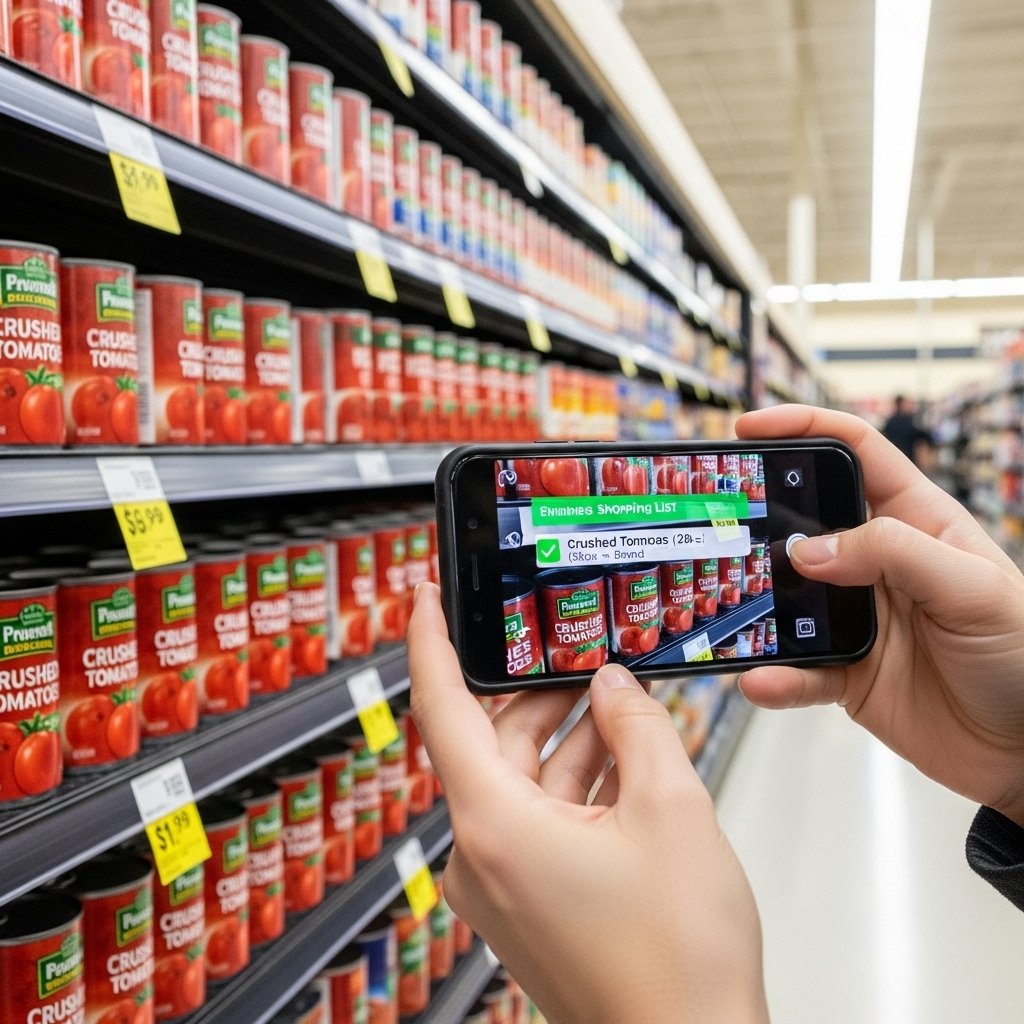
Naperville shoppers are savvy, and they expect apps and websites to do more than replicate paper circulars. The best digital experiences unite lists, product details, and availability indicators so that a five-minute check-in can steer an entire week. Barcode scanning makes pantry audits quick, and suggested pairings reduce mental load. When stores connect these tools to in-aisle signage, shoppers navigate confidently, replacing guesswork with informed choices. Over time, that clarity turns into saved minutes and fewer duplicate purchases, making weekly routines lighter without sacrificing variety or quality.
Private label’s quality leap
One of the most notable shifts is the rise of store-brand items that prioritize flavor and sourcing. Naperville families increasingly mix and match, choosing private label staples alongside specialty items. This balance supports reliable meal planning and experimentation: a trusted store-brand broth anchors soups, while a unique artisan cheese sets the tone for a weekend spread. As confidence in private labels grows, households build more versatile carts and discover that carefully curated store brands can elevate everyday meals quietly and consistently.
Fresher, faster, and more local
Shorter supply lines and smarter ordering have made fresh departments the star of the weekly shop. Stores adjust to weather and seasonality with quick pivots, moving more greens when salads are top of mind and bringing in heartier vegetables when the temperature dips. Naperville’s interest in local producers adds momentum, with periodic features that highlight nearby bakeries, roasters, and growers. Families benefit from the blend of reliability and surprise: the corn is sweet when it should be, the berries shine in their moment, and a new bread or sauce keeps dinner from feeling routine.
Meal solutions, not just ingredients
Another trend is the shift from components to complete ideas. Supermarkets curate displays that suggest a dinner kit without putting everything in a box: proteins sit near marinades, greens beside grains, and a few seasonal extras round out the plate. Naperville parents find it easier to keep weeknights interesting when the store quietly connects the dots. The best part is flexibility—you can scale up for guests, swap a vegetable for what your kids prefer, or stretch leftovers into lunches. It is a model that respects both creativity and time constraints.
Health-forward guidance without pressure
Shoppers want cues they can act on, not lectures. Clear labeling for whole grains, protein sources, and plant-forward choices helps households shape balanced meals. In-store dietitian tips, short explainer signs, and sensible placement of staples keep healthier options within easy reach. Naperville’s active culture—weekend runs on the Riverwalk, weekday practices—means residents appreciate foods that support energy and recovery. Supermarkets respond with smart curation: convenient yogurts, fresh produce, lean proteins, and satisfying snacks that carry you from school pick-up to evening commitments without a slump.
Smarter promotions with less noise
Weekly savings are migrating from one-size-fits-all blasts to targeted nudges that matter. The most effective trends balance broad, seasonal highlights with personal relevance, so families see suggestions that reflect how they actually eat. That might look like a reminder for the oranges your household buys every week or a timely nudge when soups take center stage. This approach encourages steady, thoughtful purchasing and reduces impulse clutter, all while preserving the sense of discovery that makes shopping enjoyable.
Midweek momentum and flexible planning
By Wednesday, many Naperville households top off fresh items, adjust for schedule changes, and set the tone for the weekend. Stores that recognize this rhythm make it easy to dash in for greens, bread, and a protein or two. It is also a natural time to glance at the store’s weekly specials and line up a few meals that feel both comforting and new. The midweek stop becomes a quiet discipline: refresh produce, revisit the plan, and stack the deck for a smooth Thursday and Friday.
Culturally vibrant aisles
Naperville’s diversity shines in supermarket assortments where global pantry staples sit alongside familiar Midwestern comforts. Trends point to deeper selections rather than surface-level nods—varieties of rice, spices that match authentic recipes, and condiments that let families recreate favorite dishes at home. This inclusivity does more than satisfy cravings; it sparks curiosity across households. Kids grow up tasting foods from neighbors’ traditions, and home cooks gain confidence to cross borders in their own kitchens, all without leaving the well-lit aisles of the local store.
Sustainability with practical benefits
Eco-minded changes continue to move from idea to execution. Reusable bag encouragement, improved recycling stations, and thoughtful packaging offer immediate benefits—fewer trips to the bin, easier storage, and a cleaner fridge. Back-of-house efforts matter, too: energy-efficient refrigeration, careful temperature monitoring, and waste reduction keep fresh items in top form. The outcome for Naperville households is tangible: better-tasting produce, longer-lasting greens, and milk that stays at its best through the week. Sustainability becomes a quiet ally in household management.
Prepared foods with a chef’s touch
Prepared departments have evolved from mere convenience to culinary support. You see flavors that match restaurant trends—roasted vegetables with interesting spice blends, global salads, and sauces that turn a simple protein into something special. Parents use these items as springboards, pairing a ready side with a quickly seared main or turning a cooked chicken into tacos loaded with fresh toppings. The trend respects time while keeping standards high, so weeknight meals feel thought-through even on the busiest days.
Checkout that keeps pace
Efficient checkout is a trend unto itself. Clear lane management, well-trained teams, and flexible self-service stations keep lines moving. The best setups leave room for a friendly moment without slowing the queue, maintaining the human touch that makes neighborhood stores feel personal. Naperville shoppers value both speed and kindness, and when stores deliver on both, weekly trips feel lighter and more reliable, reinforcing positive habits that support healthier eating and calmer evenings.
Community storytelling
Sampling events, local maker features, and short origin notes on displays do more than sell products; they tell stories that connect shoppers to people. When you know who roasted the coffee or grew the greens, the purchase carries meaning. Naperville’s community-minded culture responds to that authenticity, and families often bring those stories to the dinner table. Kids learn that food has a path, and adults appreciate the craftsmanship behind everyday items, strengthening loyalty to both the store and the producers it supports.
Technology behind the scenes
While shoppers see clean shelves and fresh signage, much of the innovation is backstage. Better forecasting, temperature tracking, and inventory visibility keep products in peak condition. These tools reduce out-of-stocks and keep staples consistently available, which is one of the most significant ways supermarkets support weekly savings—by preventing last-minute detours or substitutions that complicate meal plans. The outcome feels simple: you find what you came for, and it is fresh, reliable, and ready to cook.
Family-friendly design
Design details shape how families experience the store. Wide aisles accommodate carts and strollers, kid-friendly samples make exploration fun, and clear sightlines help parents supervise while they shop. Seating nooks near coffee counters give a brief pause for a snack, and inviting produce displays draw kids in with color and texture. These subtle cues turn shopping into a shared activity rather than a chore, and they reduce friction for households managing multiple schedules and appetites.
Seasonality as a compass
Trends are most effective when rooted in seasonality. Naperville shoppers feel this in spring asparagus displays, summer berry cascades, and autumn squash varieties that invite roasting and soups. When stores set the tone with timely features, households find it easier to plan satisfying meals without overthinking. The calendar becomes a friendly guide; you lean into what tastes best now, building a cooking rhythm that keeps weeknights fresh and weekends festive with minimal effort.
Frequently Asked Questions
Q: How can I use trends to make weekly shopping faster? A: Rely on digital list tools, align your plan with seasonal features, and use curated displays as cues for complete meals. These trends reduce decision fatigue so you shop quickly while keeping dinners interesting through the week.
Q: Are private labels really comparable to national brands? A: Many are, especially in core categories. Stores have invested in sourcing and tasting, and shoppers in Naperville often mix private labels with specialty items to balance reliability, flavor, and variety in everyday cooking.
Q: What is the best rhythm for midweek shopping? A: A short stop on Wednesday or Thursday to refresh produce and grab a versatile protein keeps plans flexible. It is also a good moment to revisit the store’s highlights and adjust for schedule changes, ensuring smooth meals through Friday.
Q: How do sustainability efforts help my household directly? A: Better refrigeration, smart packaging, and waste reduction behind the scenes improve freshness and shelf life. You notice the benefits in crisper greens, better-tasting dairy, and fewer items thrown away at the end of the week.
Q: Are prepared foods compatible with healthy eating? A: Yes, when you integrate them thoughtfully. Pair a prepared item with fresh sides, use sauces to elevate simple proteins, and keep portions balanced. The goal is to save time without sacrificing nutrition or flavor.
Q: How do local features influence savings? A: When stores spotlight regional products at their seasonal peak, quality and value align. Those moments help households enjoy standout flavors while keeping planning steady and stress-free.
If you are ready to put these trends to work and keep your cart aligned with a plan that feels both flexible and fresh, take a moment to browse the current weekly deals, map out a midweek top-off, and enjoy the ease that comes from a smarter, more intentional routine.