
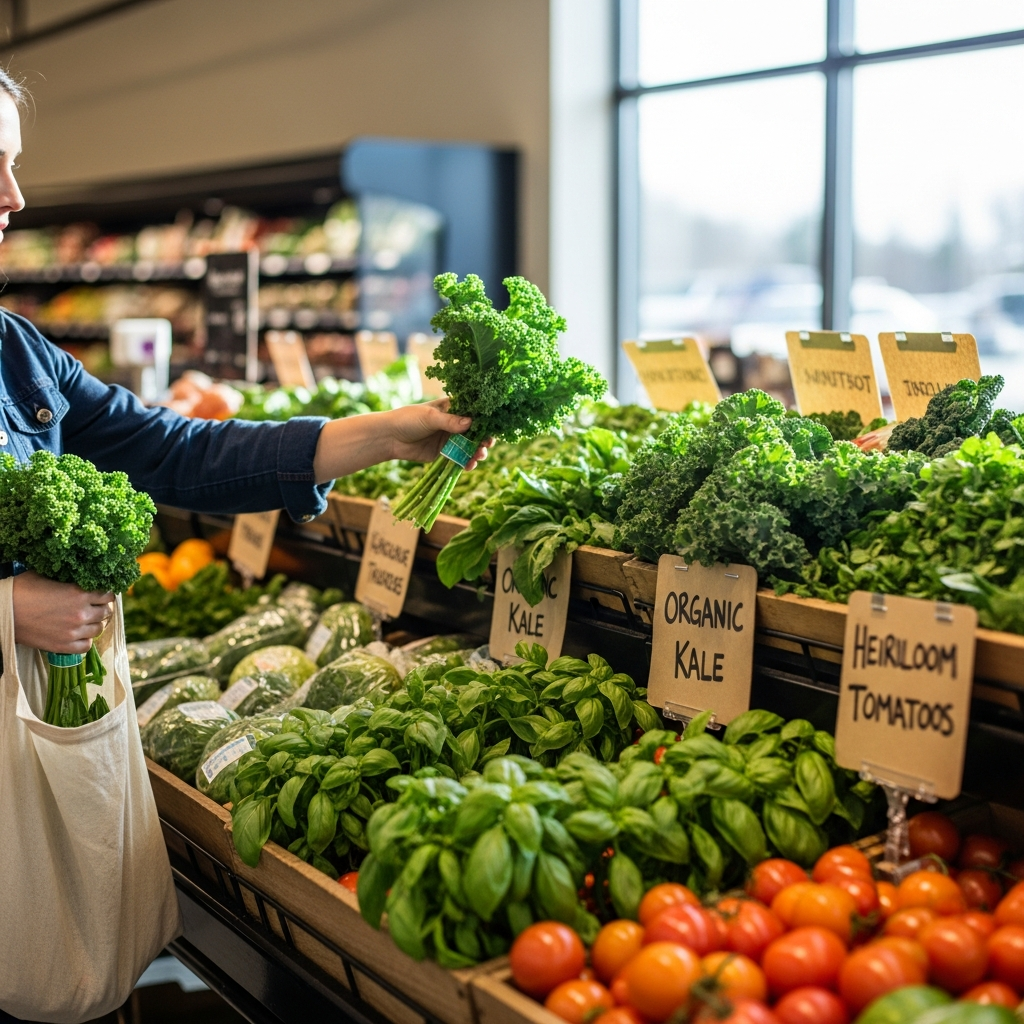
Choosing organic in Naperville is not about chasing a trend; it is about leaning into a lifestyle that fits the city’s rhythm of parks, neighborhood trails, and family kitchens where dinner often starts with a conversation about where food comes from. Whether you shop north near Ogden Avenue, south along 95th Street, or close to Downtown, you will find a growing variety of organic options woven into mainstream supermarket aisles and specialty sections. Before you head out, it helps to scan the local weekly deals so the items you prefer—greens, pantry staples, or grass-fed dairy—line up with the meals you plan to cook this week.
The case for organic that fits real life
For many Naperville households, organic is a practical balance. Parents reach for organic berries to pack into school lunches; commuters pick organic salad kits for quick weekday dinners; and home cooks shop for organic herbs because a handful of basil can transform a simple pasta into something bright and fresh. The key is to build a routine that matches how you actually eat. Start with two or three items you buy every week—milk, apples, spinach—and make those your consistent organic choices. Over time, you can expand into pantry goods like oats, beans, and sauces, which make it easier to build an organic meal on short notice.
There is also a seasonal rhythm. Late spring ushers in clusters of tender greens and herbs, while summer brings tomatoes, cucumbers, and stone fruit. In fall, organic root vegetables and squash appear in abundance, perfect for sheet-pan dinners. Winter leans on hearty greens and well-stored apples and pears. Supermarkets in Naperville tend to mirror this pattern, offering end-cap displays and special coolers as items peak in flavor.
Decoding organic labels without overthinking
Labels can be confusing when you are moving quickly through the aisle. A helpful practice is to look for clear, federally recognized organic certifications on produce, dairy, and packaged goods, then skim the ingredient list for items you recognize. Equally important is context: local and regional suppliers that meet certified standards often show up in Naperville’s coolers and displays. If you have questions, the staff in produce and dairy tend to know when the next delivery lands and which suppliers are in season.
On the prepared foods side, many supermarkets now highlight organic ingredients within salads or grain bowls. If you are bringing lunch to Rotary Hill or grabbing dinner after a day at the Riverwalk, those ready-to-go options can bridge the gap between intention and reality, making organic eating feel automatic on your busiest days.
Building an organic cart that cooks all week
The smartest organic cart is built around versatility. Choose a mix of leafy greens, one or two hearty vegetables, a fruit blend, and a protein that can flex into multiple meals. For example, organic kale, carrots, and chickpeas make an easy soup the first night, then roll into a salad with lemon and olive oil the next day. Add organic yogurt for breakfasts or quick sauces, and grab grains like quinoa or brown rice to anchor dinners. You will be surprised how naturally these items connect when you start with flavor and texture in mind.
It also helps to think in modules: a base, a highlight, and a finishing touch. Your base might be organic greens or a grain; your highlight could be a seasonal vegetable or protein; your finishing touch might be herbs, nuts, or a splash of citrus. Naperville markets often merchandise these elements near each other, which makes it easy to assemble an organic plan on the fly.
Organic for families, roommates, and solo cooks
Households in Naperville run the gamut from big family tables to quiet studios. For families, organic pantry staples minimize midweek decisions—grab what you trust and cook without second-guessing. Roommates can plan a shared shelf of organic basics and cook family-style once or twice a week. Solo cooks often succeed with a couple of high-impact items—think organic eggs and greens—paired with pantry anchors like beans and tomatoes. With that approach, you can improvise a frittata or a grain bowl in minutes.
If you are shopping with kids, use the produce section as a conversation starter. Let them choose a new organic fruit each week, then talk about flavor, color, and where it was grown. Many Naperville schools build food literacy into the day, and those kitchen conversations at home reinforce the habit of noticing what you eat.
Where to find organic standouts around town
On the north side along Ogden Avenue, you will see stores that balance large organic sections with mainstream goods. These aisles carry everything from organic pasta sauces to organic snack mixes for picnic baskets. In central Naperville near Washington Street, compact markets often shine in the produce and dairy departments, ideal for quick top-ups. South of 95th Street, the larger footprints mean deeper selections, including multiple types of organic greens, a range of plant-based milks, and rotating features on seasonal produce. No matter where you shop, staff in the produce aisle usually know when a shipment just arrived—ask about peak hours for the crispest selection.
Organic on a realistic schedule
Between commutes, sports practices, and neighborhood events, most of us shop in small windows. That is why a short list is powerful. Jot down the organic items you refuse to run out of and buy those first, every time. Then, if time permits, add a new organic item to explore—perhaps a different whole grain or a bold condiment. Over a few months, these small experiments expand your organic pantry without turning grocery runs into research projects.
For meal prep, set aside one quiet hour to wash greens, cook a grain, and roast a tray of vegetables. With those pieces ready, you can assemble organic lunches or dinners in five minutes flat. If you plan midweek refills, glance at current weekly deals so your next round of produce or pantry staples dovetails with what is abundant and tasting great.
Understanding what “local” means in practice
Naperville is near a vibrant web of Midwest farms and producers, and supermarkets here often feature regional suppliers who meet organic standards. “Local” can mean different distances depending on the season and the product category, but the common thread is freshness and shorter travel time. In practice, that can translate into better texture for salad greens or sturdier berries that hold up through the school week. When you see signage for a nearby grower, ask a staff member when they expect the next batch; timing your trip around deliveries makes a noticeable difference.
Beyond the cart: habits that make organic easier
Once the groceries are home, a few routines protect your investment. Store herbs like a bouquet with stems in a jar of cool water in the fridge, and keep greens dry after washing so they stay crisp. Group organic produce together in a visible spot to prompt you to use it first. For pantry goods, decant grains and nuts into clear containers so you can see at a glance what is running low. These simple systems reduce waste and turn organic eating into a daily habit rather than a special effort.
Frequently asked questions
How can I start eating more organic without overhauling everything?
Pick two or three staples—milk, eggs, and greens are popular—and make those your non-negotiable organic choices. Once those feel effortless, add a rotating item each week, like beans, oats, or a seasonal vegetable. Over time, your pantry and meal rotation shift naturally.
Is organic produce always the best choice?
It is often a great choice, but the best option is the one that fits your needs and tastes fresh. In Naperville, you will find organic and conventional items side by side. If an organic item looks vibrant and in season, grab it. If it seems tired, consider a different organic item or a conventional counterpart that looks better that day.
Can I find organic options for quick weeknight meals?
Yes. Many supermarkets stock organic salad kits, precut vegetables, and heat-and-eat grains that speed things along. Pair them with an easy protein, or add beans and a bright dressing for a fast, satisfying dinner after a busy afternoon at the Riverwalk or a late practice.
How do I keep organic produce from wilting?
Wash and dry greens soon after shopping, use breathable containers, and store herbs like cut flowers. Keep the most perishable items in a visible spot so you remember to use them first. A little prep goes a long way toward crisp, ready-to-eat produce all week.
What if my favorite organic item is out of stock?
Ask a staff member when the next delivery lands and whether there is a comparable alternative. Naperville stores typically have multiple organic brands for staples like yogurt, cereal, and canned beans, so a quick substitution is often easy.
Organic eating in Naperville is a gentle, realistic path: a few trusted staples, a sense of season, and an openness to small experiments. When you make a short list and let your cart reflect what you actually cook, the habit takes root without fuss. If you are restocking this week, take a moment to browse local weekly deals, choose the items that inspire you, and set yourself up for a week of wholesome, flavorful meals that fit right into your life.