Even in a well-run city like Naperville, supermarket trips can run into friction—crowded aisles on rainy afternoons, a favorite item missing before dinner, or checkout lines that slow at the exact moment kids run out of patience. Most families start with a plan, often glancing at the store’s weekly deals and sketching meals for the next few days, but real life inevitably adds twists. The good news is that many common issues have practical fixes, and local stores are increasingly responsive when shoppers share what would make the experience smoother.
Timing the trip and beating the rush
One of the most persistent challenges is timing. Late afternoons can stack up with school pickups and practice schedules, funneling everyone into the aisles at once. Weekend mornings invite leisurely browsing that sometimes clogs popular departments. The fix begins with awareness: a quick mental map of your preferred store’s busiest windows helps you aim for early weekday mornings, mid-late evenings, or that sweet spot just after lunch. A prebuilt list and a route through familiar aisles turn a potential slog into a quick, focused stop that respects the rest of your day.
Navigating stockouts without stress
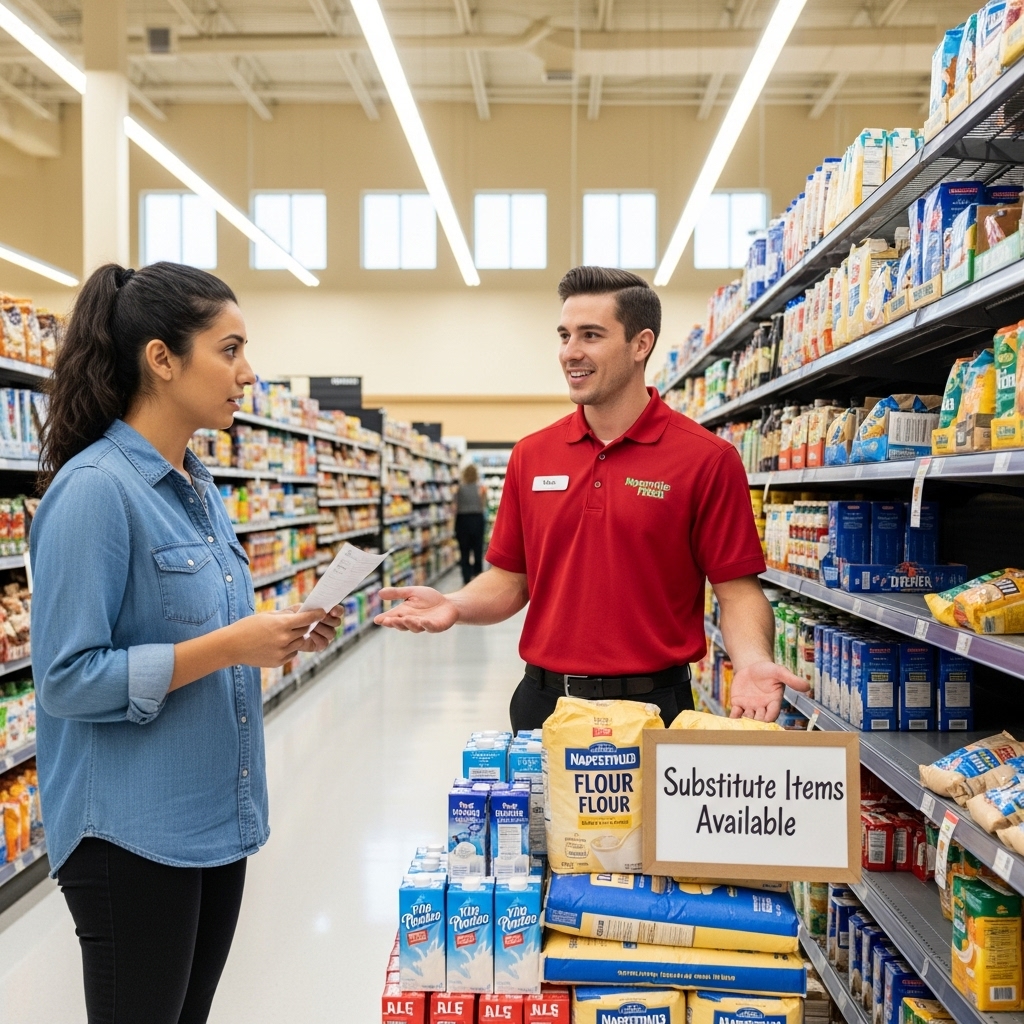
Finding an empty spot where your go-to item should be is frustrating, especially when dinner depends on it. The solution is twofold. First, build flexibility into meal plans with a short list of acceptable swaps—another pasta shape, a different green for tonight’s salad, or a comparable yogurt variety. Second, talk to department staff. Naperville store teams are adept at checking the back, confirming arrival times, or recommending substitutes you might not have considered. Over time, you learn patterns, like when fresh shipments land, and you plan around them with confidence.
Keeping carts moving in tight aisles
Congestion often starts with bottlenecks—popular displays, sample stations, or a cart paused in a narrow section. A courteous, steady pace keeps the flow healthy, and clear store design helps, too. Many local markets rework layouts seasonally, widening approaches to high-traffic zones and positioning cross-merchandised items so lingering is enjoyable but not obstructive. As a shopper, a small courtesy goes far: park the cart to the side while you scan labels, and use the side aisles to bypass clusters, saving time and goodwill in equal measure.
Checkout stumbles and smoother exits
Long lines at the wrong time can unravel an otherwise great trip. The simplest fix is a little scouting: look for lanes with balanced cart sizes and cashiers whose pace matches your preference. Self-service can be a boomerang if you have delicate produce or many small items, so trust your gut about which route is truly faster. Local stores are improving signage and flexing staff as waves arrive; giving constructive feedback helps managers fine-tune patterns. Everyone wins when exits feel predictable and kind, especially families shopping with young kids or on tight schedules.
Clarity on labeling and special diets
Shoppers balancing allergies, sensitivities, or new eating styles often face confusing labels. Naperville stores have gotten better at grouping gluten-free items, highlighting plant-forward proteins, and labeling ingredients clearly, but there is room for constant improvement. If you spend too long hunting for one item, tell a staff member; those moments often trigger better signage or a more intuitive display the next week. Meanwhile, keep a short list of reliable brands or categories so that if Plan A is missing, Plan B is already in your head and dinner remains on track.
Parking lot patterns and safer walks
Peak times can turn parking into a patience test. The path to calmer arrivals is twofold: choose predictable windows and practice safe strolls. Many Naperville lots now feature clearer pedestrian lanes and better sightlines near entrances. As a driver, circling to a slightly farther row often means a faster park and a safer walk, especially with little ones. As a store, keeping cart corrals tidy and snow cleared along footpaths pays dividends in flow and safety, making the whole experience feel smoother before you even reach the doors.
Cold chain confidence
Nothing derails a shop faster than worrying whether cold items will stay cold. The fix is partly household routine—bring insulated bags and organize your route so refrigerated items go in last—and partly store practice. Naperville supermarkets have invested in efficient cases and temperature monitoring, and shoppers feel the difference in fresher dairy and crisp greens. If a case seems too warm or frosted over, say something. Quick maintenance checks protect quality for everyone and ensure that items you bring home will stay at their best through the week.
Reducing impulse fatigue
Endcaps and checkout displays work because we are human. The solution is not to eliminate fun finds, but to set a pre-trip intention and stick to a flexible list. Many shoppers follow a simple rhythm: core staples first, then a small space for discovery—a new sauce, a different fruit, a bakery treat shared after dinner. Stores can support that balance by presenting clear, uncluttered promotions and by grouping complementary items that suggest meal ideas rather than noise. The result is kinder on decision-making and makes surprises feel like thoughtful choices, not detours.
App confusion and smarter digital connections
When an app is clunky, it becomes a chore rather than a helper. Naperville shoppers respond best to list tools that sync and subtle notifications that matter. If a digital feature trips you up, share specifics with the service desk; stores use that feedback to refine design and content. Meanwhile, keep a simple paper backup list to stay nimble if your phone battery dips or reception wobbles in a corner of the store. The goal is to keep technology in service of your routine, not the other way around.
Maintaining freshness at home
Some issues start in-store and end at home. Crisper drawers that are too crowded or damp can sap the joy from leafy greens. The fix is a quick reset when you unload: a clean bin, a dry towel to absorb moisture, and clear containers that make it easy to see what needs to be eaten first. Stores help by rotating stock and communicating when items are at their peak, while households close the loop with simple storage habits that keep produce bright and satisfying for midweek meals.
Weather swings and plan B dinners
Midwestern weather doesn’t always respect calendars. Snow can slow deliveries, and heat can change appetites overnight. Build resilience into your routine with a few shelf-stable go-tos: broths for quick soups, grains for hearty salads, and versatile sauces that turn leftovers into something new. Naperville stores do their part by adjusting orders and highlighting ingredients that match the moment. With a flexible mindset, an unexpected day at home becomes a chance to cook together rather than a reason to scramble.
Midweek resets and better flow
By Wednesday or Thursday, refrigerators need a light top-off. A quick visit for greens, fruit, and a protein or two keeps dinners lively. It is also a natural moment to scan the store’s weekly specials for cues that refresh the plan without a full overhaul. Families who adopt this rhythm tend to experience fewer last-minute runs and find it easier to maintain balanced meals as the week winds down, all while keeping household momentum steady.
Communication that builds trust
When something goes wrong—an item rings up incorrectly, a display is misplaced—the fix often begins with a conversation. Naperville’s store teams are trained to respond graciously, and shoppers who speak up help improve the experience for everyone. Clear signage, thoughtful endcaps, and quick manager responses create a feedback loop where each week feels a little smoother than the last. That shared commitment to problem-solving is part of what makes the city’s shopping landscape feel collaborative rather than transactional.
Frequently Asked Questions
Q: What time is best to avoid crowds? A: Early weekday mornings and mid-late evenings are typically calmer. If you prefer midday, aim for the window after lunch and before school pickup. Observing patterns in your specific store helps you pinpoint the most peaceful hours.
Q: How can I prevent stockout surprises? A: Keep a brief list of acceptable substitutes and ask staff about delivery schedules. Over time, you will learn when key items usually arrive. A midweek top-off also reduces the pressure on any single trip.
Q: What should I do if produce does not look fresh? A: Tell a team member right away. Most stores will rotate inventory or bring out a fresher batch. At home, store greens with a dry towel in a clean bin and keep airflow in mind to extend freshness.
Q: How do I make self-checkout truly faster? A: Use it when you have a small, stable cart and items that scan cleanly. If you are managing many produce codes or fragile items, a staffed lane can be both quicker and kinder to what you are buying.
Q: How can I keep kids engaged during longer trips? A: Give them roles—finding a color, choosing a fruit, or crossing off list items. Short, positive tasks keep energy up and turn the errand into a shared routine rather than a tug-of-war.
Q: What’s the best way to share feedback with stores? A: Be specific and timely. Identify the aisle, product, or feature, and explain how it affected your trip. Managers value actionable notes and often respond quickly with improvements.
Naperville shoppers deserve trips that feel smooth and human. If you are ready to fine-tune your routine, start by reviewing the current weekly deals, plan a midweek reset, and enjoy a calmer, more reliable path from list to dinner table.