
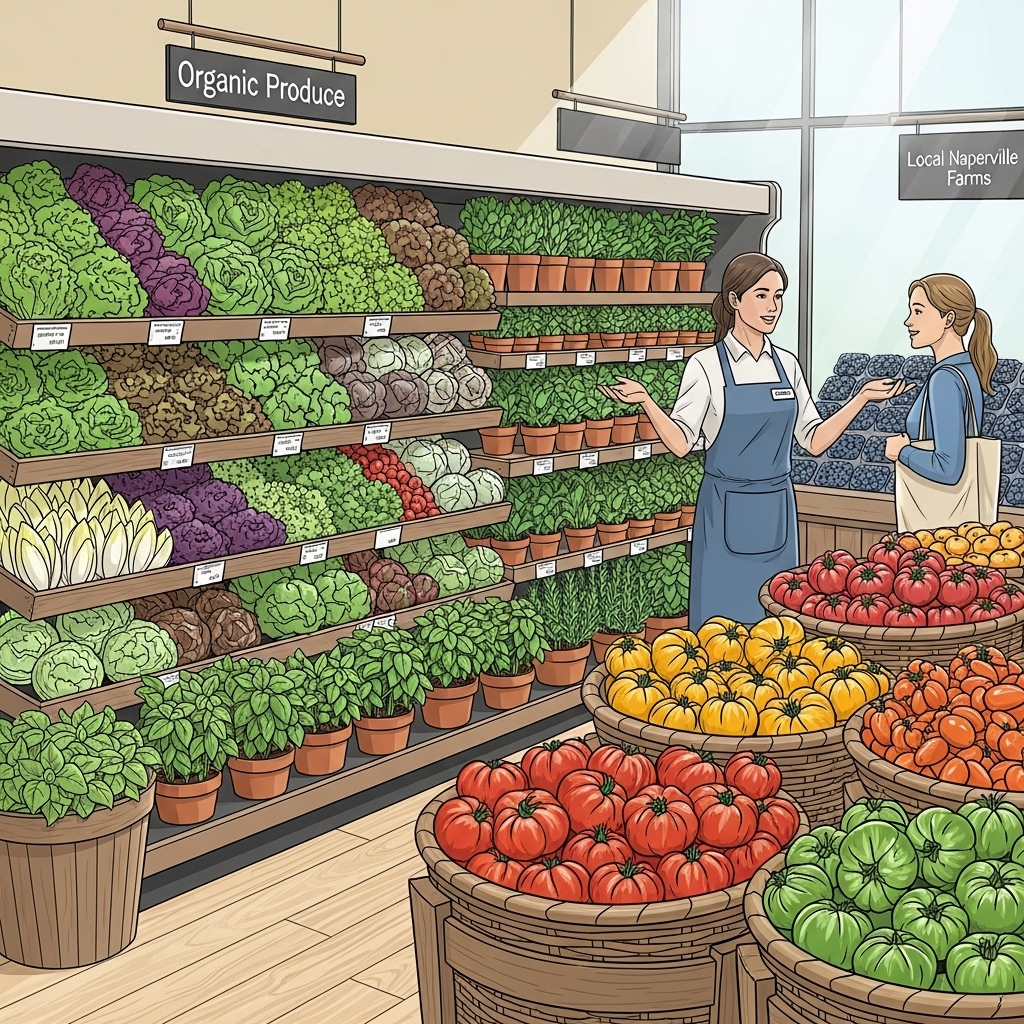
Choosing an organic supermarket in Naperville is about more than labels on a shelf. It is about trust, flavor, and an experience that supports the way you want to eat. When you step into a store that treats organic as a guiding principle rather than a marketing angle, you feel it immediately. The produce looks alive, the staff can talk about farming practices without missing a beat, and the overall flow of the store nudges you toward meals that are simple, seasonal, and satisfying. As a local who has watched Naperville’s food scene grow, I have learned what separates a good organic selection from a great organic supermarket.
The first signal is the produce department. In a strong organic-focused store, you will find more than a token corner of organic greens; you will see depth across categories. Multiple varieties of apples with distinct flavor profiles. Lettuce options that go beyond standard romaine to include tender spring mixes, crunchy butter lettuce, and sturdy kale. Herbs that smell like the gardens that grew them. When the assortment is thoughtful, your cooking becomes more flexible. You can build a week’s worth of meals that feel diverse without juggling a dozen stores.
Transparency is the second signal. Clear signage, straightforward sourcing notes, and staff who can explain the differences between organic and conventional practices help you make confident choices. If you ask about crop rotation, soil health, or post-harvest handling, a strong store can provide answers. This is not about jargon; it is about clarity. You do not need a degree in agronomy to enjoy better produce, but it is reassuring when the team behind the counter cares enough to know the details.
Because organic produce can be more sensitive to handling, the way a store manages freshness matters. Misting schedules for greens, shade for delicate herbs, and gentle rotation for ripe fruit keep quality high. You will notice that berries are not stacked in deep towers and that tomatoes have room to breathe. When a store takes these measures seriously, your groceries last longer at home, and meals come together easily on busy weeknights.
Local flavor in an organic context
Naperville’s neighborhoods influence how we shop. Families often want dependable lunchbox staples, while avid cooks seek the seasonal thrill of a new pepper or a different kind of citrus. An excellent organic supermarket understands these patterns and stocks accordingly. You might see a reliable core selection alongside short-season specialties that appear just long enough to keep your menu interesting. When the staff is engaged, they will tell you what just arrived and what to watch for next.
If you like to plan around what is abundant, it helps to scan store highlights before you go. Let the best-looking items shape your menu. A quick look at the store’s weekly deals can also highlight which organic items are particularly plentiful, providing a nudge toward ingredients that will make dinner feel effortless and bright.
Beyond produce: the organic pantry and deli
A true organic supermarket shows its commitment across the store. In the pantry aisles, look for staples made from simple ingredients, clearly labeled, and free from unnecessary additives. In the dairy case, see whether organic options are well represented and refreshed frequently. In the deli, ask about sourcing for prepared foods and whether there are organic or minimally processed options that match your preferences. A store that brings the organic lens to every department saves you time and decision fatigue, letting you shop confidently.
Packaging and sustainability often go hand in hand with an organic focus. Many stores make it easy to choose lower-waste options, from bulk bins for grains and nuts to reusable bag incentives. When a supermarket thinks carefully about packaging, it signals a broader commitment to thoughtful food systems, which helps your household bring that care into everyday routines.
Shopping strategies for organic success
Organic shopping does not have to be complicated. Start with a simple plan. Choose a few anchor meals for the week, then fill in with easy sides and snacks based on what looks best. For example, if you spot excellent organic broccoli, plan a quick roast with olive oil and lemon. If the apples are particularly crisp, build them into salads and lunchboxes. Balance tender items you will eat early in the week with sturdier produce that holds until the weekend.
Talk to the staff. Ask which items are especially good today, whether a short-season specialty is around, or if a particular herb is arriving later in the afternoon. Associates who care about organic food often light up at these questions and are happy to point you in the right direction. Over time, those conversations become part of the pleasure of shopping, and your meals gain a little extra spark.
Quality cues to trust
With organic produce, your senses are your best guide. Aroma, color, and texture tell you whether an item was handled with care and is ready to shine in your kitchen. For greens, look for crisp edges and an even, lively color. For tomatoes, notice the gentle give when pressed lightly and a scent that suggests ripeness without softness. For berries, seek a natural fragrance and a dry, unblemished surface. These small checks help you bring home produce that tastes like itself—one of the core joys of eating organic.
Storage amplifies these gains. Stand herbs in a jar with water, wrap greens lightly in a towel, and keep different fruits separate to avoid overripening. Treating your groceries kindly protects the quality you selected at the store and stretches your cart through a busy week.
Community and confidence
One of the underrated pleasures of an organic supermarket is the sense of community that grows among regulars. You will notice familiar faces, exchange recipe ideas, and hear a tip about the sweetest clementines or a new local producer worth trying. The store becomes an extension of your kitchen, a place where the staff and the selection help you cook the way you want to eat.
As you get to know the rhythm of your chosen store, your confidence grows. You will recognize the weeks when certain greens are exceptional, the days when fresh herbs arrive, and the moment when stone fruit is about to peak. That familiarity turns shopping from a task into a small ritual that supports your health and your household.
FAQ
How can I tell if an organic supermarket truly prioritizes quality? Look for breadth in the organic selection, clear sourcing notes, and staff who can answer questions about farming practices. A well-tended produce department with careful handling is a strong sign.
Is it difficult to plan a week of organic meals? Not at all. Choose a few anchor dishes and let the produce aisle fill in the rest. Pick tender items for early in the week and sturdier items for later, adjusting as you see what looks best.
What should I ask the staff? Ask what just arrived, which items are especially good today, and whether a short-season specialty is around. If you are curious about farming practices, inquire about how a particular item was grown and handled.
How do I keep organic produce fresh longer at home? Store thoughtfully: trim and hydrate herbs, dry greens thoroughly, and keep delicate fruit separate from heavier items. Small habits extend freshness and protect flavor.
Can I align organic choices with store highlights? Yes. A quick look at current features or the posted weekly deals can point you toward organic items that are especially abundant, helping you plan simple, satisfying meals.
If you are ready to make organic shopping feel effortless, choose a store that takes quality seriously, talk to the staff, and build your week around what looks vibrant. Before you head out, take a moment to browse the latest weekly deals so your plan aligns with what is truly shining right now. With the right supermarket and a simple routine, organic eating in Naperville becomes an everyday pleasure.