Ask a Naperville neighbor where to shop when you want the most variety without sacrificing quality, and you will get a dozen opinions flavored by tradition, commute patterns, and what time their family usually eats dinner. Yet there is a shared understanding here: the best supermarket is measured not only by how full your cart is, but by how well the store helps you turn those ingredients into a week of smooth, satisfying meals. That is why, when I plan a Sunday shop to carry us through school lunches, midweek dinners, and a weekend gathering, I take a quick look at the weekly deals and head to the place that blends smart selection with thoughtful value across every aisle.
Value in Naperville is rarely about bargain hunting alone. It is a balance of assortment, reliability, and the kind of guidance that prevents waste. A store that curates rather than crams will help you avoid buying three versions of the same item just to get the flavor you want. In the produce department, that means multiple tiers of ripeness and clear signage so you can choose avocados for tonight and avocados for the weekend. In the bakery, it means everyday sandwich loaves that hold together in lunchboxes and a second tier of specialty breads that make a salad or soup feel special. Across the store, value emerges when what you buy fits your actual cooking plans and lasts as long as you need it to.
Selection that fits the way Naperville cooks
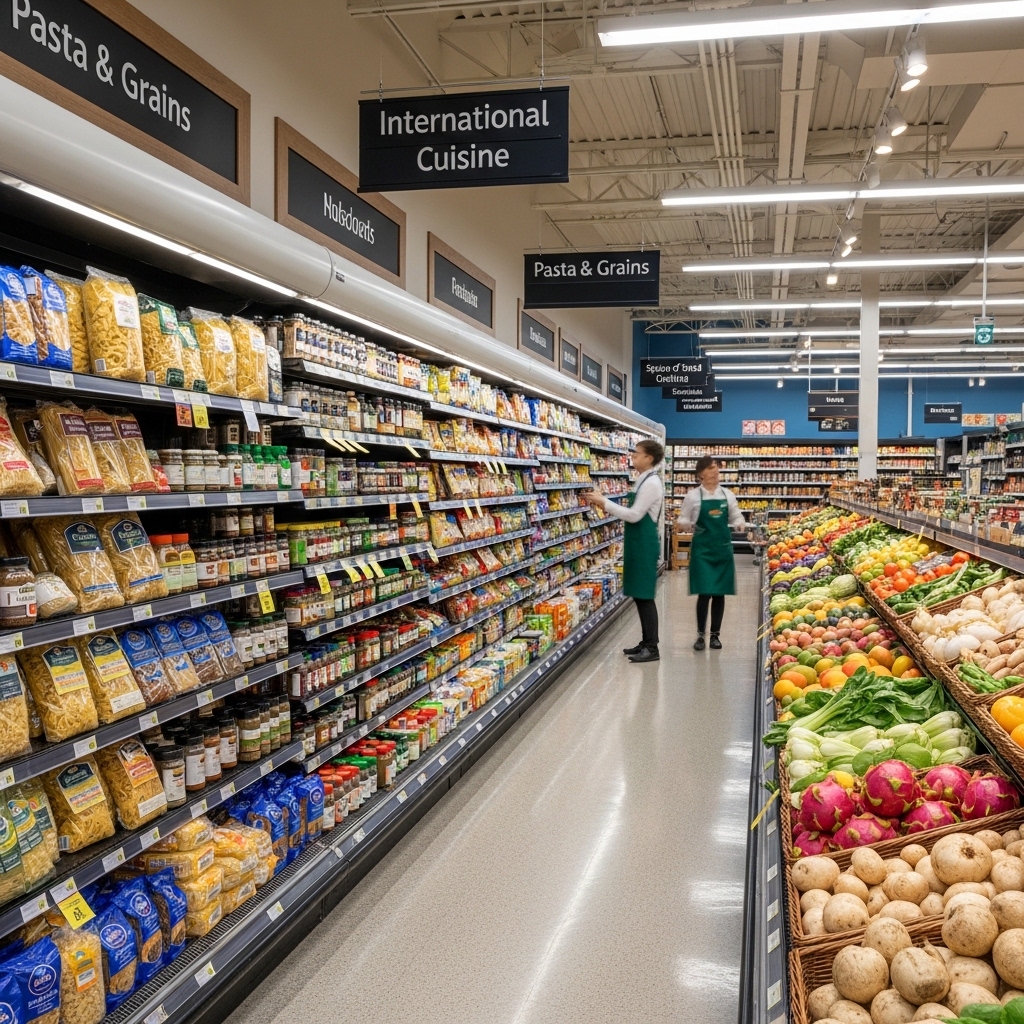
Our kitchens reflect the breadth of the community. On any given block, you will meet cooks making recipes that span continents, and the best stores answer that variety with real depth rather than token options. You will find the pasta shapes that suit your sauce, yes, but also the noodles and spices that nurture Southeast Asian, Middle Eastern, and Latin American cooking traditions. The goal is not to overwhelm; it is to anticipate. On a cool fall Saturday, you might crave a braised dish with warm spices, while your neighbor builds a crisp salad around seeded bread, roasted squash, and tangy yogurt. A store that understands Naperville stocks to make both meals happen without three extra stops.
Selection starts with produce. In late spring, greens and herbs set the tone, inviting you to build meals around brightness. Summer brings tomatoes, berries, cucumbers, and sweet corn that practically design the week’s menus for you. As the school year settles in, you will find apples and pears to anchor snacks, with sturdy vegetables that roast well and become building blocks for grain bowls and pastas. Winter is citrus season, with bright fruits that cut through short, gray days, plus roots and cruciferous vegetables that shine in slow-cooked dishes. The best stores display these transitions as a narrative, guiding you easily from one season to the next.
How a store delivers value without a race to the bottom
True value comes from predictable quality and the services that protect your time. Staff who know the difference between ripe-now and ripen-later produce, but also know how to help you find pantry substitutes, steer you away from overspending. A produce manager who recommends a different apple variety because it will hold up in lunchboxes longer has saved you an extra trip and a round of disappointed bites. A bakery team that slices your loaf to the thickness you prefer has saved you unsatisfying sandwiches later in the week.
Another dimension of value is what you do not buy. Smart cross-merchandising—pesto near the tomatoes, broths beside hearty greens, bakery croutons next to salad fixings—reminds you that a few concentrated flavors can carry you far. The best supermarkets in Naperville build that kind of confidence, especially for new cooks or busy parents who need dependable shortcuts without sacrificing taste.
Local insight in everyday decisions
Naperville’s commuting realities and school calendars shape how we shop. A store can preach value all day, but if it ignores when customers actually walk in, it will miss the mark. The top markets in town staff up for that after-work rush, opening express lanes and keeping popular items freshly stocked. They also consider weekend rhythms: Saturday morning is for produce and bakery, while Sunday afternoon often sees a run on pantry staples and easy dinner solutions. When a store syncs with the city’s tempo, it keeps shelves full and lines moving, which is its own form of value—your time saved is a quiet dividend.
Produce and bakery are the most visible, but selection extends across the aisles. Families with varied diets need stores that carry multiple options without isolating them into hard-to-find corners. Plant-forward eaters, folks seeking gluten-conscious choices, and those with specific cultural preferences should be able to shop together, finding what they need along shared pathways. When shelves are organized intuitively, it makes meal planning collaborative rather than a scavenger hunt.
Smart ways to stretch selection across the week
One of my favorite habits is to shop in themes rather than recipes. Pick a few anchors—say, a grain you love, a leafy green, a citrus, and a loaf—and let those guide multiple meals. With a market that offers genuine selection, you can pivot midweek without feeling locked into a plan that no longer fits your schedule. If Tuesday runs late, that hearty bread and a spread can stand in for a planned roast, especially with a crisp salad built around whatever produce is still looking lively.
Value thrives when you feel free to experiment. If the store’s middle aisles are stocked with smaller-format items, you can test new sauces or condiments without committing to large jars that linger. The best supermarkets balance depth and restraint—enough choices to feel expansive, not so many that you cannot decide. I often advise friends to explore one new item per trip. Over time, those discoveries build a pantry that turns basic produce and a good loaf into dinners that feel fresh and varied.
Midweek course correction made easy
Naperville weeks are unpredictable. A sudden practice, a bonus meeting, or a call from a friend can upend dinner plans. The best stores are designed for those pivots, keeping grab-and-go items and cook-friendly basics in spots where you can swoop in and get out. Fresh soups near the bakery make for a natural pairing with a baguette. Prewashed greens and prepped vegetables are close to the entrance, and staff can steer you toward the ripest fruit for tonight. I often check the store’s midweek offerings and the updated weekly deals to spark ideas—perhaps roasted vegetables tucked into warm flatbreads, or a salad brightened with citrus and toasted nuts.
Bakery choices that amplify simple meals
A strong bakery multiplies the value of everything else in your cart. With a sliced multigrain loaf, you can turn leftover roasted vegetables into an open-faced sandwich. A baguette makes a simple pot of beans feel celebratory. Even a basic dinner salad becomes a full meal with croutons made from yesterday’s bread. The store’s commitment to fresh baking shows up not just in the morning aroma but in the crumb structure, the way the crust sings when you press it lightly, and how neatly slices hold fillings.
Ask the bakers for advice on pairing breads with your week’s plan. They will steer you toward a loaf that carries you from school lunches to weekend brunch, and a second, more characterful option for dinners that hinge on texture and tang. When a store can reliably offer both, you get selection without excess; each item has a job to do.
Community cues that guide selection
One marker of the best supermarket is how closely it listens. Over the past few years, I have watched stores in Naperville broaden their international sections, bring in new produce varieties, and adjust bakery offerings in direct response to what people ask for at the counter. That feedback loop shows up on the shelves quickly. You might see a new herb labeled with tips for storage and use, or a bread baked in smaller formats for families who want freshness without leftovers. These changes are subtle but powerful; they make the store feel like a partner rather than a warehouse.
Another sign is transparency in sourcing. When you see the region highlighted for seasonal items—Michigan blueberries, Illinois sweet corn—you know the store is thinking about travel time and flavor. That kind of sourcing protects value because it improves longevity in your kitchen, reducing waste and repeat trips.
Planning a cart that works hard
When I help friends plan a week, we start with intention. What nights need quick meals, what nights are for slower cooking, and where do we want a treat? With that map, selection becomes purposeful. We choose produce that can star in a salad one night and roast well the next. We select a bread that holds up for toast and then croutons or breadcrumbs. We add a few pantry items that concentrate flavor, like a jarred sauce or a spice blend, and keep everything visible in the fridge so it gets used. The right store makes this approach easy because the layout clusters compatible items and the staff can suggest swaps if something is out.
As the week evolves, we adjust. Maybe the bag of spinach becomes soup instead of salad, and the bread that was meant for sandwiches becomes garlic toast with pasta. A supermarket that builds its selection around versatility helps you make these shifts without stress.
Frequently asked questions about value and selection
How do I judge value at a glance when I walk into the store?
Look for freshness in produce, clear signage about ripeness and origin, and bakery items that feel recently baked rather than packaged. Watch how quickly staff restock popular sections during busy hours; efficient turnover signals both demand and quality.
What is the best way to shop for both selection and a manageable budget?
Start with a simple plan that maps quick meals and slower cook nights, then let one or two seasonal items inspire you. Choose a versatile bread and a few flexible produce picks that can appear in multiple meals. Check the current weekly deals to unlock pairings you might not have considered.
How do I avoid buying items that go unused?
Think in categories rather than fixed recipes. Pick a grain, a green, a protein or hearty vegetable, and a flavorful accent. Keep items visible in the fridge and commit to repurposing leftovers within two days. A good store’s layout helps by placing complementary items within easy reach.
What makes a bakery contribute to overall value?
Consistency and versatility. When a bakery offers a reliable everyday loaf plus a rotating cast of specialty breads, it lets you elevate meals without buying extra components. Sliced loaves, crumb quality, and crust integrity are key signs of performance at home.
How can I find global ingredients without getting overwhelmed?
Start with one new ingredient at a time, guided by staff suggestions or simple recipes. Use the store’s signage for storage and usage tips, and explore smaller-format items to experiment without overcommitting.
If you are ready to experience a blend of thoughtful selection and real-world value that fits Naperville’s rhythm, choose an unhurried time, bring a simple plan, and let the season lead you—and do not forget to glance at the latest weekly deals before you roll your cart toward the produce and bakery that will anchor your best meals this week.